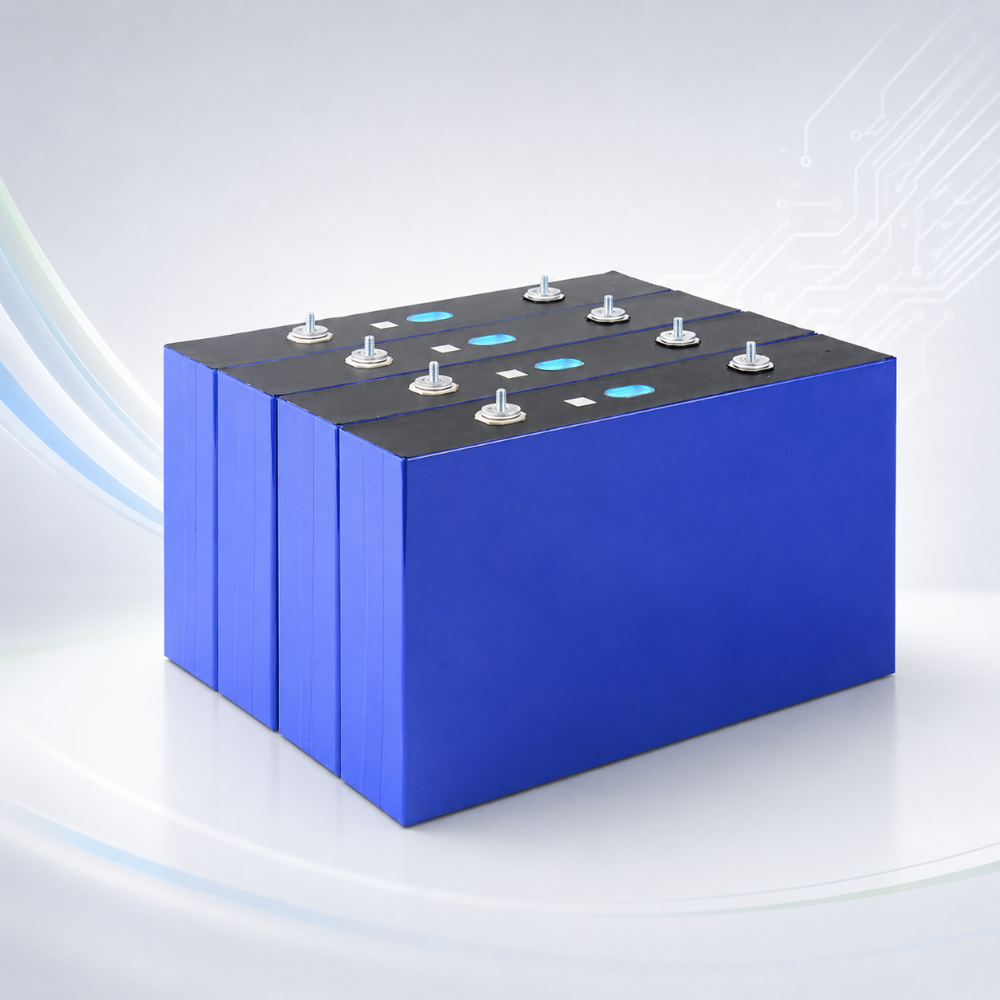
Lithium deep cycle batteries are widely used in applications such as RVs, boats, solar energy storage systems, portable power stations, and industrial equipment. They provide continuous and stable power for various devices. Compared with conventional starter batteries, lithium deep cycle batteries are generally better suited for repeated charging and discharging. However, this does not mean they can withstand improper usage over long periods. Daily charging habits, depth of discharge, operating temperature, and storage conditions can all affect the stability of internal battery materials, thereby changing cycle life and actual power supply performance.

During use, some poor habits may not cause obvious faults immediately, but they can gradually reduce battery capacity. Common signs include shorter operating times after a full charge, unstable power supply, or the battery shutting down prematurely under heavy loads. For example, frequently discharging the battery completely before recharging, using an unsuitable charger for extended periods, and operating continuously in high-temperature environments may accelerate battery aging. The specific usage requirements of lithium deep cycle batteries depend on the cell chemistry, battery management system (BMS), and parameters specified by the manufacturer. Daily maintenance should follow the product manual.
Prolonged Over-Discharging Accelerates Battery Aging
Frequently Discharging the Battery to Its Lowest Level
Lithium deep cycle batteries can withstand a certain degree of deep discharge, but frequently discharging them to the permitted lower limit may accelerate capacity degradation. This is particularly true when the battery is not recharged promptly and remains at a low charge level for an extended period, which may increase stress on the cells.
Avoid frequent complete discharge: When the device indicates a low battery level, arrange for charging promptly instead of routinely using the battery until it shuts down automatically.
Control the depth of discharge: If the device does not require the full available capacity, keeping some charge in reserve can reduce the depth of discharge during each cycle.
Pay attention to low-voltage protection: After the battery management system activates low-voltage protection, do not repeatedly restart the load to force further discharge, as this may increase battery wear.
Ignoring Low-Battery Protection
Battery management systems usually include over-discharge protection, but this function cannot replace proper usage habits. If a battery remains at a low charge level for a long time, or if a device repeatedly attempts to restart after protection has been triggered, the battery may not recover its power supply normally. Some lithium batteries may also enter a protection state after excessive discharge and require recovery procedures specified by the manufacturer. Therefore, when a battery triggers a low-voltage alarm or stops supplying power, check the load, charge level, and battery status before restoring the charge with suitable charging equipment. Do not bypass protection measures by short-circuiting protection circuits or forcibly increasing the charging voltage.
Improper Charging Practices Increase Battery Wear
Charging habits directly affect the operating condition of lithium deep cycle batteries. Using an incompatible charger, charging for extended periods at unsuitable temperatures, or adjusting charging parameters without proper guidance may increase the risk of cell aging. Even if a charger connects to the battery and displays a charging status, this does not mean their voltage, current, and charging profiles are fully compatible.
Common Charging Mistakes
Using an incompatible charger: Different lithium battery chemistries have different requirements for charging voltage and control methods. Select a charger according to the battery’s rated voltage, chemistry, and manufacturer specifications. Do not judge compatibility solely by whether the connectors fit.
Keeping the battery fully charged for extended periods: If a battery remains at a high state of charge for a long time, especially when stored in a high-temperature environment, its capacity may degrade faster. For batteries intended for long-term standby use, set an appropriate storage charge level according to the product manual.
Charging directly in low-temperature environments: Charging some lithium batteries at low temperatures may create risks such as lithium plating. If the battery does not have a verified low-temperature charging function, confirm its permitted charging temperature before use. Do not force charging in freezing conditions or at temperatures outside the specified range.
Why Are Charging Parameters Important?
Lithium deep cycle batteries generally need to be charged according to specified charging voltage, current, and control procedures. Excessively high parameters may increase stress on the cells, while unsuitable settings may result in incomplete charging or frequent intervention by the protection system. For battery packs connected in series, the voltage differences between individual cells should also be monitored to prevent certain cells from reaching their protection thresholds prematurely. During daily use, prioritize charging equipment recommended by the battery manufacturer and regularly inspect charging cables, connection terminals, and charger condition. If abnormal heating, unusual odors, swelling, or charging interruptions occur, stop using the battery and have it inspected. Do not increase the charging current without authorization simply to shorten charging time.
High-Temperature Operation and Improper Storage Can Shorten Battery Life
Temperature is an important factor affecting the service life of lithium deep cycle batteries. Continuous exposure to high temperatures accelerates internal side reactions, gradually reducing available capacity. Low temperatures may limit discharge performance and increase the risks associated with improper charging. Applications such as RVs, boats, and solar energy storage equipment are often exposed to direct sunlight, enclosed spaces, and seasonal temperature changes. Therefore, the battery’s operating environment requires particular attention.
Environmental Habits That Need Improvement
- Keeping the battery in a high-temperature space for extended periods
If a battery is installed in a poorly ventilated equipment compartment, inside a vehicle exposed to direct sunlight, or near a heat source, its temperature may remain above the manufacturer’s specified range for extended periods. Improve ventilation whenever possible and avoid installing the battery close to heat sources such as engines and heaters.
- Failing to check the battery charge level when the battery is idle
Stopping the use of a device does not mean the battery will stop consuming power. The battery management system, monitoring equipment, and other standby loads may continue drawing current, gradually reducing the charge level. If the battery is not checked for an extended period, its charge level may become excessively low.
- Installing the battery in damp or water-prone locations
Moisture, standing water, and salt spray may corrode terminals and electrical connection components. This is particularly important for boats and outdoor equipment. Select an installation location according to the product’s protection rating, protect electrical connections, and regularly check terminals for looseness, corrosion, or abnormal heating.
For lithium deep cycle batteries that will remain unused for an extended period, adjust the charge level according to the manufacturer’s requirements, disconnect unnecessary loads, and store the battery in a dry environment with a suitable temperature. During storage, periodically check the voltage or charge level and recharge when necessary to prevent the battery from entering an over-discharged state due to continuous self-discharge or external power consumption.
Ignoring Load Management and Routine Inspections
Lithium deep cycle batteries are affected not only by charging and discharging practices but also by the power requirements of connected devices, wiring conditions, and maintenance frequency. Some users assume that a battery with sufficient capacity can support high-power equipment continuously, or that a battery with built-in protection does not require regular inspection. However, operating under loads that continuously exceed rated limits, loose electrical connections, and abnormal battery conditions may cause additional wear and even create safety risks.
Which Practices Are Easily Overlooked?
Exceeding the rated discharge current for extended periods: High-power equipment may draw a large instantaneous current during startup. If this exceeds the limits permitted by the battery or BMS, it may cause voltage drops, protective shutdowns, or component overheating. Before use, verify the continuous discharge current and peak discharge capability. Ignoring inspections of cables and terminals: Loose wiring, corroded terminals, or undersized cables may increase contact resistance, causing localized heating and voltage loss. Inspect and maintain connection components according to the specified requirements. Failing to monitor battery status over extended periods: If charging times change, operating times become shorter, temperatures rise abnormally, or protection alarms occur frequently without timely investigation, underlying problems may continue to develop.
How Should Daily Maintenance Be Performed?
Establishing simple inspection routines helps identify abnormalities at an early stage. Regularly record battery charging conditions, load changes, and equipment operating times. Use voltage, temperature, and alarm information provided by the battery management system to assess its condition. If actual operating time decreases significantly, first investigate possible causes such as increased loads, incomplete charging, and changes in ambient temperature before determining whether the battery has experienced capacity degradation.
Frequently Asked Questions
Q: Will charging a lithium deep cycle battery to 100% every day shorten its service life?
A: Not necessarily. Fully charging the battery under normal conditions is not inherently improper, and some devices require a full charge to meet their operating requirements. However, if the battery remains fully charged for extended periods while exposed to high temperatures, capacity degradation may accelerate. Whether the upper charging limit should be restricted depends on the battery type, application, and manufacturer’s recommendations.
Q: Must a lithium deep cycle battery be replaced after a single accidental over-discharge?
A: Not necessarily. Whether the battery can continue to be used depends on its protection records, voltage condition, and actual performance. If the battery enters a protection state, follow the instructions in the product manual. If swelling, leakage, abnormal heating, or an inability to charge normally occurs, stop using the battery and contact a qualified professional for inspection. Do not repeatedly force the battery to charge.
The service life of lithium deep cycle batteries is generally closely related to depth of discharge, charging parameters, ambient temperature, load levels, and maintenance practices. Many battery aging problems do not result from a single operation but gradually accumulate through repeated improper use over time. Adjusting daily habits can reduce unnecessary cell wear and help maintain stable power supply performance. During use, avoid frequent over-discharge, choose a charger that meets the battery specifications, control operating temperatures, and arrange loads according to equipment power requirements. For batteries that remain idle for extended periods, monitor the remaining charge and storage conditions. For energy storage equipment that operates continuously, regularly check battery management system status information, inspect connection components, and review protection alarms.
It is also important to understand that not all lithium deep cycle batteries use the same cell materials or charging parameters. Lithium iron phosphate batteries and other lithium-ion batteries may differ in voltage ranges, temperature requirements, and charging controls. The same maintenance standards should not be applied indiscriminately to every battery type. Following the product manual and addressing abnormal conditions promptly can help reduce wear caused by improper operation and extend the effective service life of lithium deep cycle batteries.