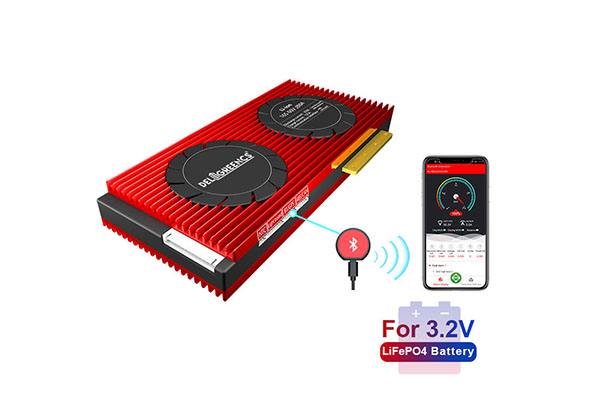
Lithium batteries are widely used in residential energy storage, commercial and industrial energy storage, electric equipment, and RV power systems. As battery packs become larger and more complex, identifying abnormal cell conditions and reducing potential safety risks have become essential parts of battery system design.Cell voltage monitoring is one of the core functions of a Battery Management System (BMS). It helps identify abnormal conditions such as overcharging, over-discharging, and cell voltage imbalance. Based on predefined protection strategies, the system can take appropriate measures to prevent further damage. Effective voltage monitoring and protection help improve lithium battery safety, operational stability, and service life.
How Does Cell Voltage Monitoring Work?
Real-Time Monitoring of Individual Cell Voltage
A battery pack typically consists of multiple cells connected in series, parallel, or a combination of both. In a series-connected battery pack, the overall voltage may remain within the normal range even when an individual cell experiences overvoltage or undervoltage. Therefore, monitoring only the total pack voltage cannot provide a complete picture of each cell’s condition.
A BMS uses voltage sampling circuits to continuously collect voltage data from individual cells and compare the measurements with predefined operating limits. When a cell approaches or exceeds a voltage threshold, the system can trigger an alarm, limit charging or discharging, or disconnect the circuit, depending on the BMS design.
Identifying Voltage Differences Between Cells
During long-term charging and discharging, voltage differences may develop between cells due to manufacturing variations, temperature changes, aging, and different operating conditions.
If certain cells reach the upper or lower voltage limits earlier than others, the available capacity and overall stability of the battery pack may be affected.
By comparing individual cell voltages, a BMS can identify voltage imbalances and use cell balancing functions to improve consistency. However, voltage differences do not necessarily indicate cell damage. Further evaluation should consider current, temperature, and historical operating data.
How Does Cell Voltage Monitoring Improve Lithium Battery Safety?
Reducing the Risk of Overcharging
When the charging voltage of a lithium battery exceeds the specified safe range, it may accelerate cell degradation and increase the risk of heat generation and gas formation. In severe cases, these conditions may contribute to thermal runaway.
By monitoring the voltage of each individual cell, a BMS can identify cells approaching their overvoltage protection thresholds. It can then stop charging or disconnect the charging circuit according to its protection strategy.
Compared with monitoring only the total battery pack voltage, individual cell voltage monitoring makes it easier to detect localized abnormalities and prevent a single cell from remaining under excessive charging stress.
Preventing Over-Discharging
Excessively low cell voltage can lead to capacity degradation, internal structural damage, and reduced charging performance.
In a battery pack containing multiple cells, a cell with lower available capacity may reach its discharge limit before the other cells, even when the overall pack voltage remains acceptable.
A BMS can establish undervoltage protection thresholds based on individual cell voltage. When a cell drops below its permitted range, the system can limit the load or stop discharging. This helps reduce damage caused by excessive discharge and prevents cell performance differences from becoming more severe.
Detecting Abnormal Cells and Potential Faults
Changes in cell voltage provide valuable information for battery condition monitoring. For example, if one cell shows a significantly faster voltage drop than other cells under similar load and temperature conditions, this may indicate capacity degradation, changes in internal resistance, or connection problems.
A BMS can combine voltage readings with current, temperature, and historical operating data to identify abnormal trends. Through communication interfaces, it can also transmit battery status information to external control systems.
These records help maintenance personnel investigate individual cells, electrical connections, and battery pack structures, reducing the likelihood of potential faults remaining undetected.
Key Measures for Improving Cell Voltage Monitoring
Setting Appropriate Voltage Protection Thresholds
Different battery chemistries have different charging and discharging voltage ranges. For example, lithium iron phosphate (LiFePO4) batteries differ from other lithium-ion battery types in nominal voltage, maximum charging voltage, and discharge limits.
Therefore, a single fixed voltage threshold cannot be applied to every battery system.
Voltage protection parameters should be configured according to the cell manufacturer’s specifications, battery pack configuration, operating temperature, and application requirements. Measurement accuracy, protection response time, and system control logic should also be considered.
Combining Voltage Monitoring with Temperature and Current Monitoring
Voltage data alone cannot fully reflect battery safety conditions. Cell voltage behavior may vary under different load and temperature conditions, so a BMS should also monitor current and temperature.
For example, if abnormal cell voltage is accompanied by a rapid temperature increase, the system should limit operation or stop charging and discharging according to its predefined protection strategy.
Multi-parameter monitoring helps improve fault detection accuracy. However, it should be supported by appropriate thermal management, electrical protection, and battery structural design.
Choosing a BMS Solution That Matches the Battery System
In residential energy storage, commercial and industrial energy storage, and mobile power applications, battery systems vary in series cell count, rated current, communication requirements, and operating environments.
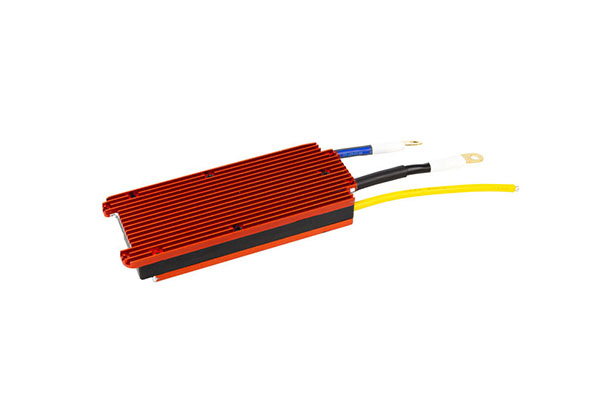
When selecting a BMS, manufacturers and system integrators should evaluate its individual cell voltage monitoring capability, overvoltage and undervoltage protection, cell balancing functions, and communication compatibility with inverters and other control equipment.
DeliGreen provides LiFePO4 cells, battery packs, BMS products, and energy storage systems. Its product range can support the evaluation of battery management solutions based on specific project requirements.
For energy storage projects that require long-term stable operation, matching cell specifications with appropriate BMS protection functions is an essential part of battery system design.
How Cell Voltage Monitoring Supports Battery Life Management
Cell voltage monitoring does more than provide protection against abnormal conditions. It also supports long-term battery management.
By recording voltage changes during charging and discharging, maintenance personnel can analyze cell consistency, identify performance trends, and develop maintenance plans. For energy storage battery packs operating over extended periods, regularly reviewing voltage differences, alarm records, and charging and discharging data can help identify potential problems at an early stage.
However, voltage alone cannot fully represent a battery’s remaining capacity or state of health (SOH). A more accurate assessment should also consider current, temperature, accumulated cycle data, and necessary diagnostic test results.
Conclusion
Cell voltage monitoring is an essential foundation for improving lithium battery safety. By collecting individual cell voltage data in real time, identifying abnormal voltage differences, and working alongside overvoltage protection, undervoltage protection, cell balancing, and multi-parameter monitoring, a BMS helps reduce risks associated with improper charging and discharging while improving battery pack stability.
For energy storage system integrators, battery manufacturers, and equipment buyers, selecting a BMS that matches the cell chemistry, system configuration, and application requirements helps establish a more reliable battery safety management system.
To learn more about battery management systems and energy storage solutions, visit the DeliGreen website and explore product configurations suitable for your specific project requirements.