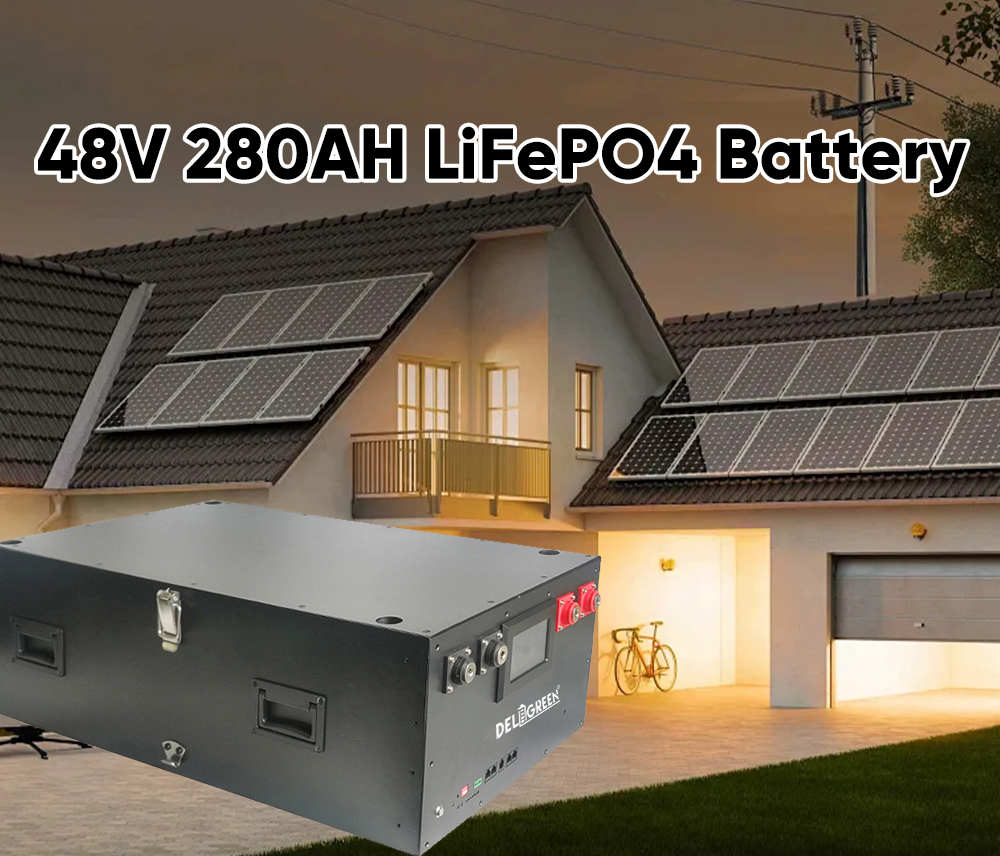
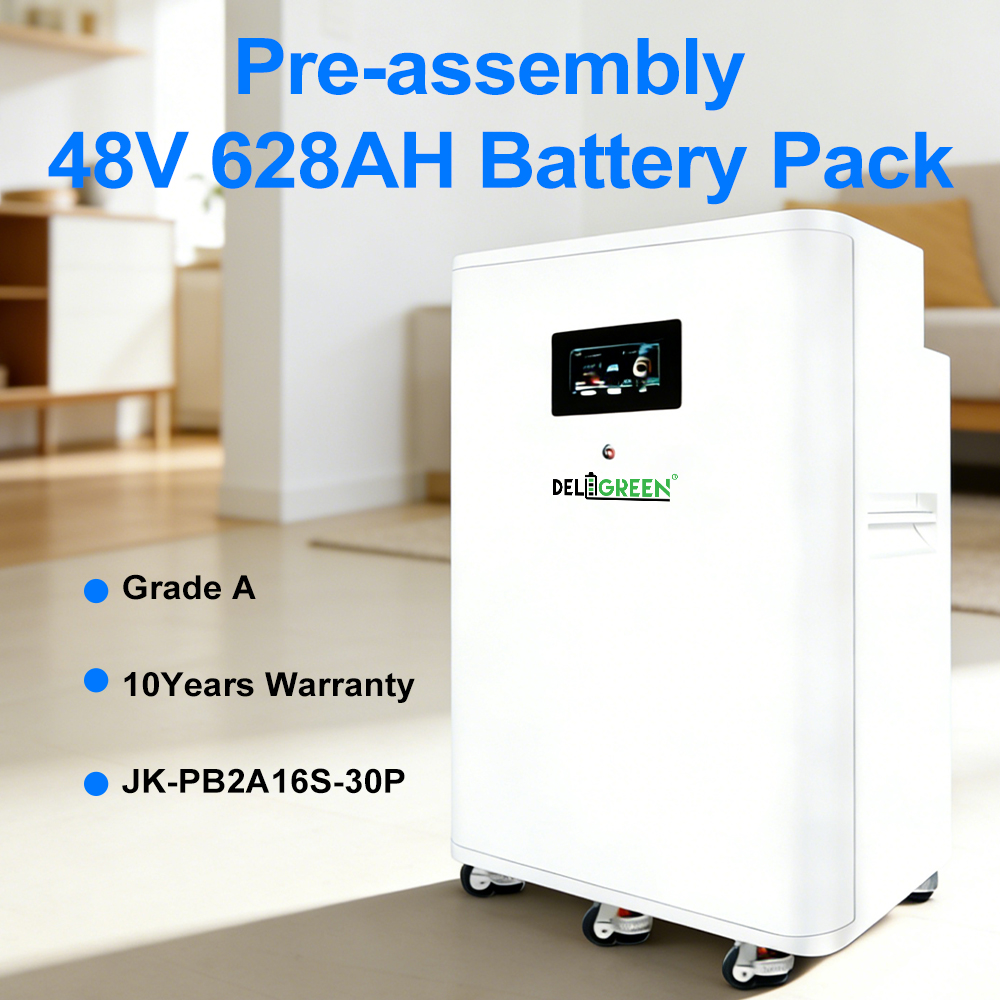
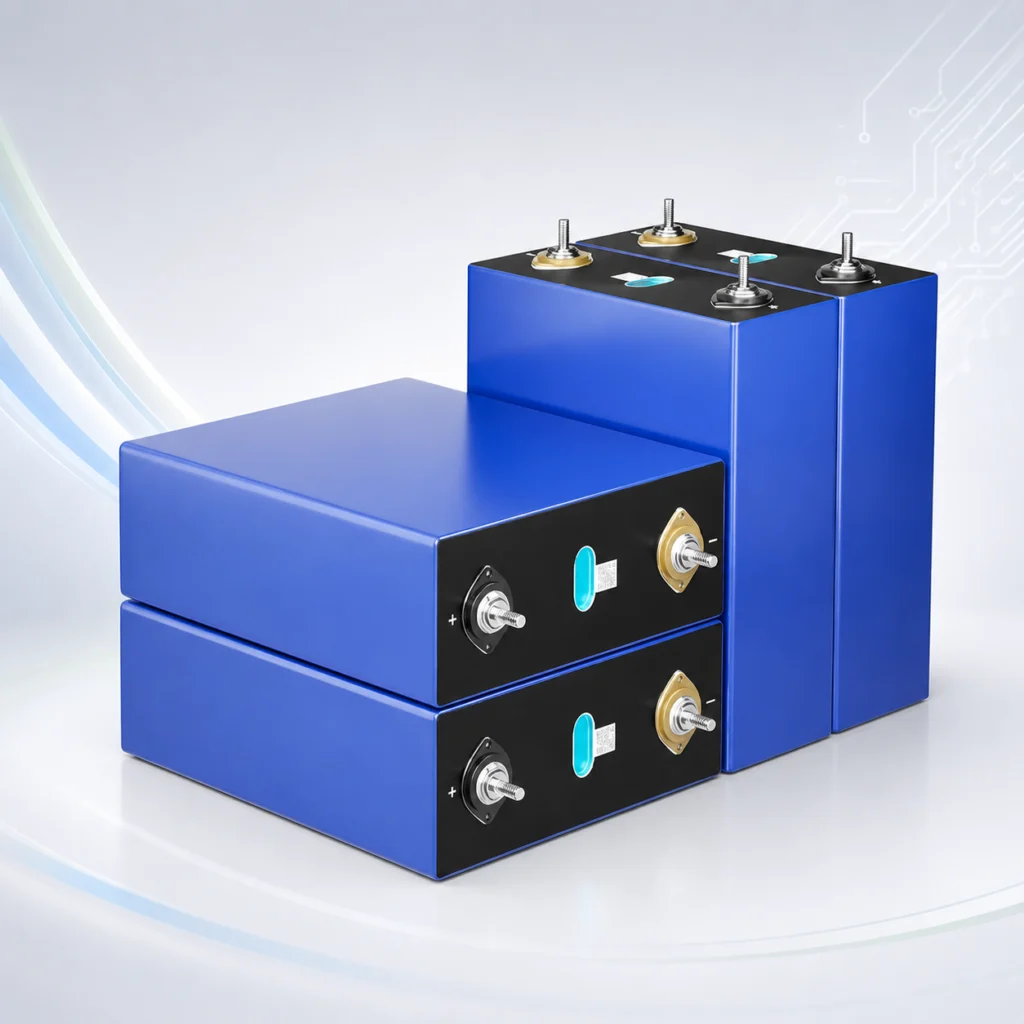
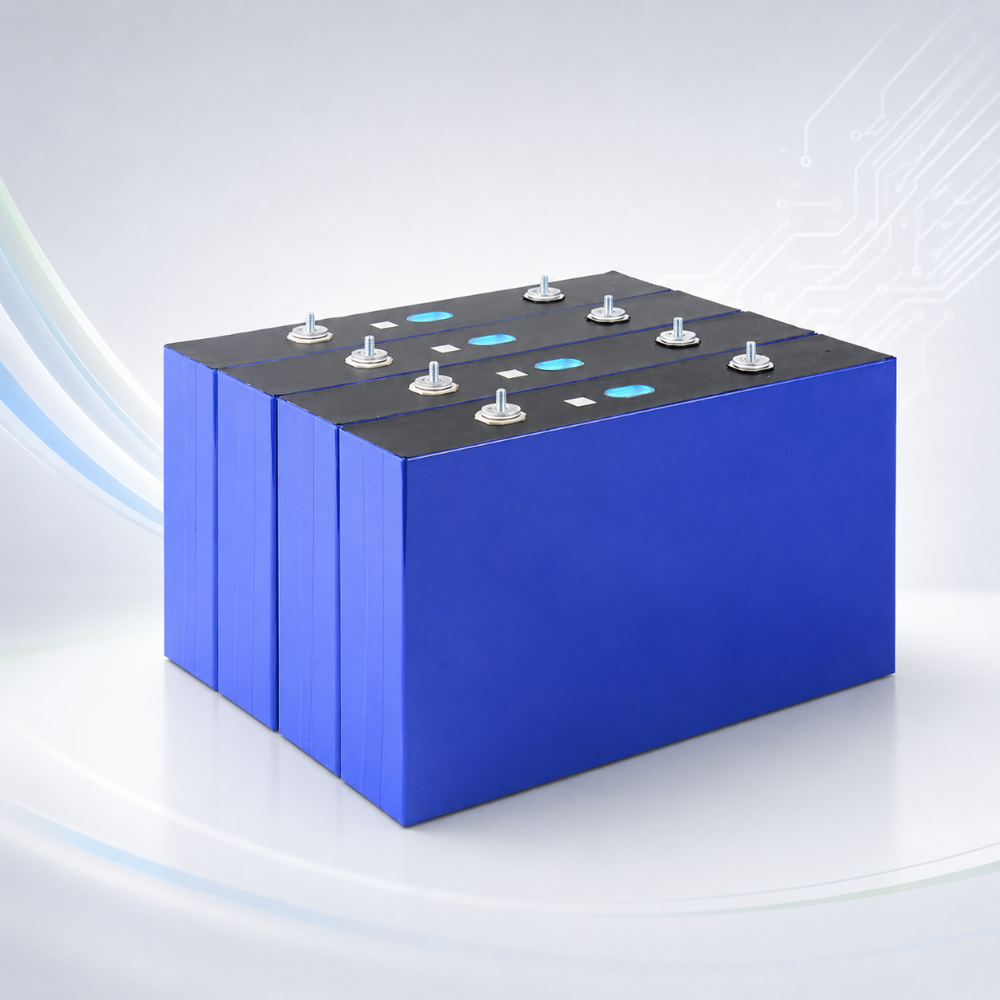
LiFePO4 batteries are widely used in home energy storage, solar power systems, RVs, and commercial and industrial energy storage. Their safety is an important consideration for buyers. Compared with some other common lithium-ion battery chemistries, LiFePO4 batteries offer good thermal stability and can provide reliable power when properly designed and used. However, battery safety also depends on cell quality, the battery management system, charging controls, installation conditions, and maintenance. Understanding these factors helps users choose suitable energy storage products and reduce operating risks.
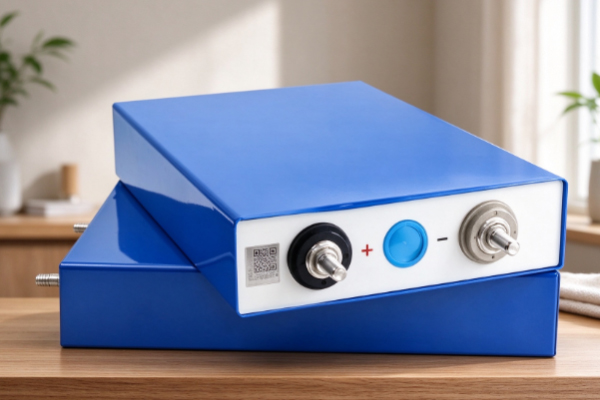
How Safe Are LiFePO4 Batteries?
LiFePO4 batteries use lithium iron phosphate as the cathode material. Their crystal structure is relatively stable, giving them good thermal stability. Compared with some other lithium-ion chemistries, they generally have a lower tendency toward thermal runaway under comparable conditions. However, they are not completely risk-free. Internal short circuits, severe overcharging, physical damage, or manufacturing defects can cause abnormal heating and, in extreme cases, fire.
Home and commercial energy storage systems typically rely on cell quality control, battery management systems, electrical protection devices, and suitable heat dissipation designs to improve safety. Before purchasing, check the product’s safety certifications, test reports, and technical specifications. Confirm that it meets applicable local regulations and installation requirements. High-quality cells combined with reliable system design and proper use can improve the safety of energy storage equipment.
Which Design Features Improve LiFePO4 Battery Safety?
Battery safety depends not only on the cell chemistry but also on the overall battery pack design. Manufacturers use battery management systems, temperature monitoring, and electrical protection devices to reduce risks caused by abnormal operating conditions.
Common safety features include:
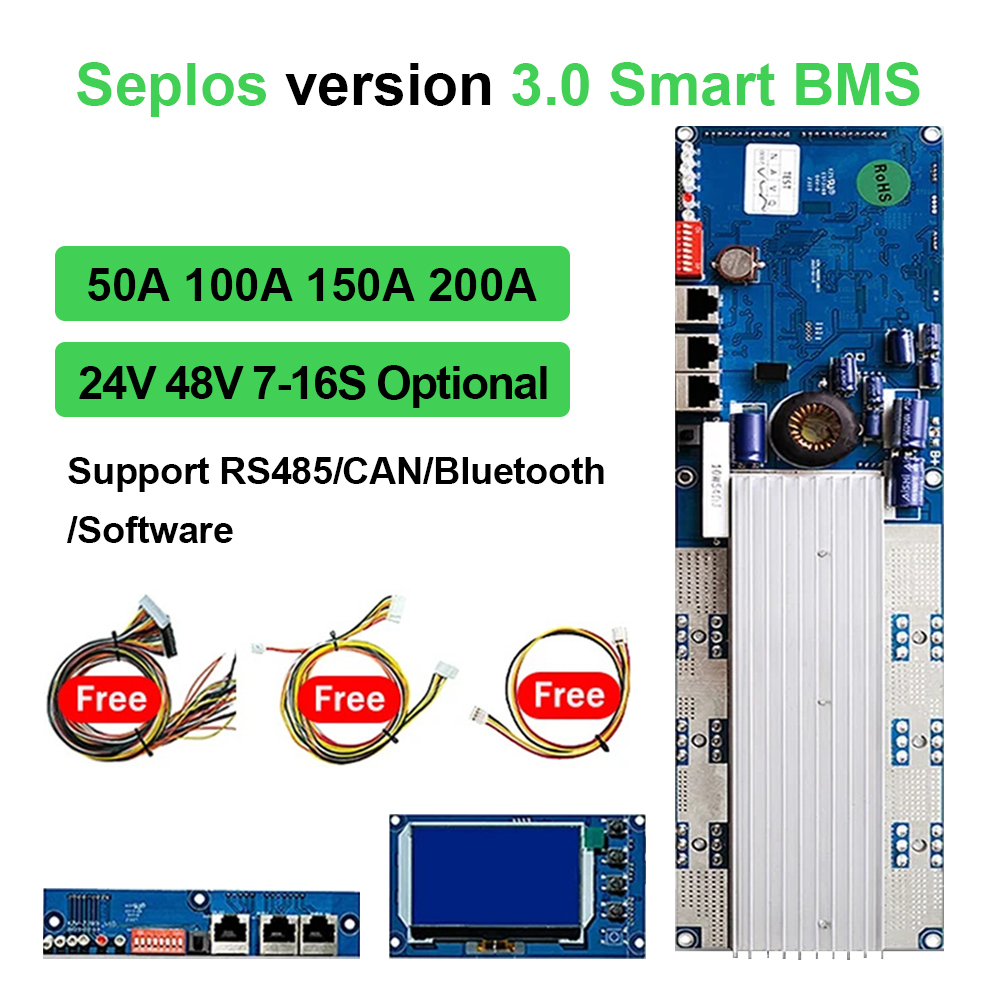
- Battery Management System (BMS): Monitors voltage, current, and temperature and provides protection against overcharging, over-discharging, and overcurrent according to its design.
- Temperature monitoring: Detects abnormal temperatures and helps the system respond appropriately.
- Electrical protection: Proper fuses, circuit breakers, and connection designs help reduce short-circuit and overcurrent risks.
- Thermal management and structural design: Appropriate cell spacing and heat dissipation channels help prevent heat buildup.
- Cell quality control: Manufacturing inspections and cell consistency management help reduce risks caused by defects.
These features need to work together to provide effective protection. Before purchasing a battery, check its BMS functions, protection settings, and certification documents. Do not judge safety based on battery chemistry alone.
Which User Behaviors Can Affect Battery Safety?
Even though LiFePO4 batteries have good thermal stability, improper use can still create safety risks. Using an incompatible charger, setting the wrong charging voltage, exceeding rated current limits, or exposing the battery to unsuitable temperatures for extended periods may affect its condition. Crushing, puncturing, impact, or water exposure can also damage the battery internally.
Follow the product manual and make sure the charger, inverter, and control equipment are compatible with the battery specifications. In cold environments, pay close attention to the manufacturer’s permitted charging temperature range and never charge under conditions that the manufacturer prohibits.
If the battery becomes unusually hot, develops an unusual odor, shows physical deformation, or repeatedly triggers protection alarms, stop using it and contact a qualified technician when it is safe to do so. Do not disassemble the battery pack or bypass the BMS or other protection devices. Proper operation and timely responses to abnormal conditions are essential for reducing battery safety risks.
How Can Home and Commercial Energy Storage Systems Improve Battery Safety?
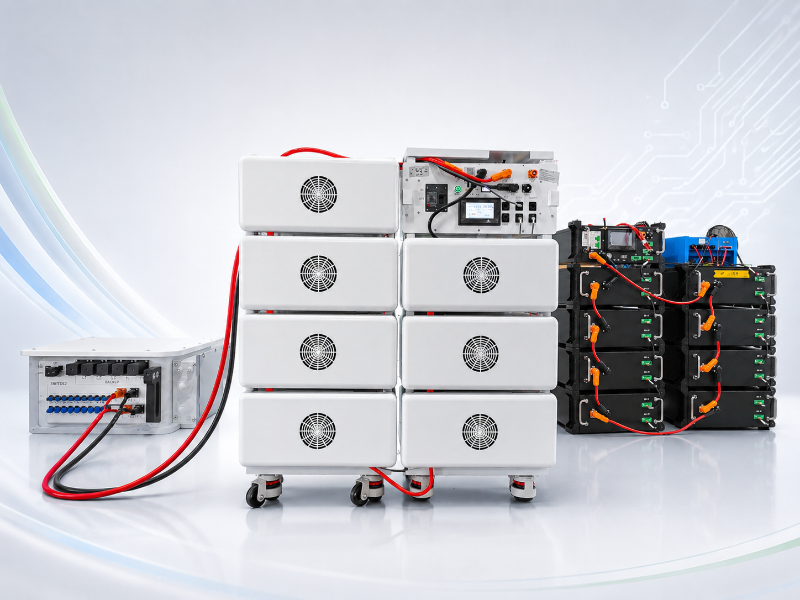
Home energy storage systems are commonly installed in houses, garages, or equipment rooms, while commercial and industrial systems may contain more battery modules and larger storage capacities. Both types require suitable installation locations and compatibility between the battery, inverter, distribution equipment, and protection devices.
The installation area should comply with local fire safety, electrical, and building regulations. Provide ventilation, heat dissipation, and maintenance access according to the manufacturer’s requirements. Avoid placing batteries in locations prone to flooding, prolonged direct sunlight, or exposure to significant heat sources.
Larger energy storage systems may also require electrical isolation, fault detection, and fire protection measures based on the system design. Staff should understand the equipment’s operating procedures. During routine operation, check system alarms, temperature changes, electrical connections, and operating records. Qualified technicians should inspect battery modules, wiring, and protection devices according to the maintenance schedule. Proper design, compliant installation, and ongoing monitoring can reduce safety risks during operation.
How to Choose a Safe and Reliable LiFePO4 Battery?
When selecting a safe and reliable LiFePO4 battery, prioritize product quality, protection features, certification documents, and technical support. Different energy storage projects have different requirements for capacity, discharge current, installation conditions, and system compatibility. Check that the product specifications match your actual application.
Key points to review include:
- Certifications and testing: Check applicable safety certifications, test reports, and compliance documents.
- BMS protection: Confirm that the battery provides monitoring and protection features suitable for your application.
- Specifications and compatibility: Verify battery voltage, charging and discharging current, and inverter compatibility.
- Installation and maintenance: Understand installation requirements, inspection schedules, and procedures for handling abnormal conditions.
- Warranty and after-sales support: Review warranty terms, technical support, and fault-handling services.
For long-term residential or commercial energy storage projects, choose a supplier that provides clear technical documentation, reliable quality control, and comprehensive after-sales service. LiFePO4 batteries offer good thermal stability, but safe operation still depends on quality products, proper installation, suitable protection, and regular maintenance. Choosing the right battery for your application helps balance energy storage performance with operational safety.