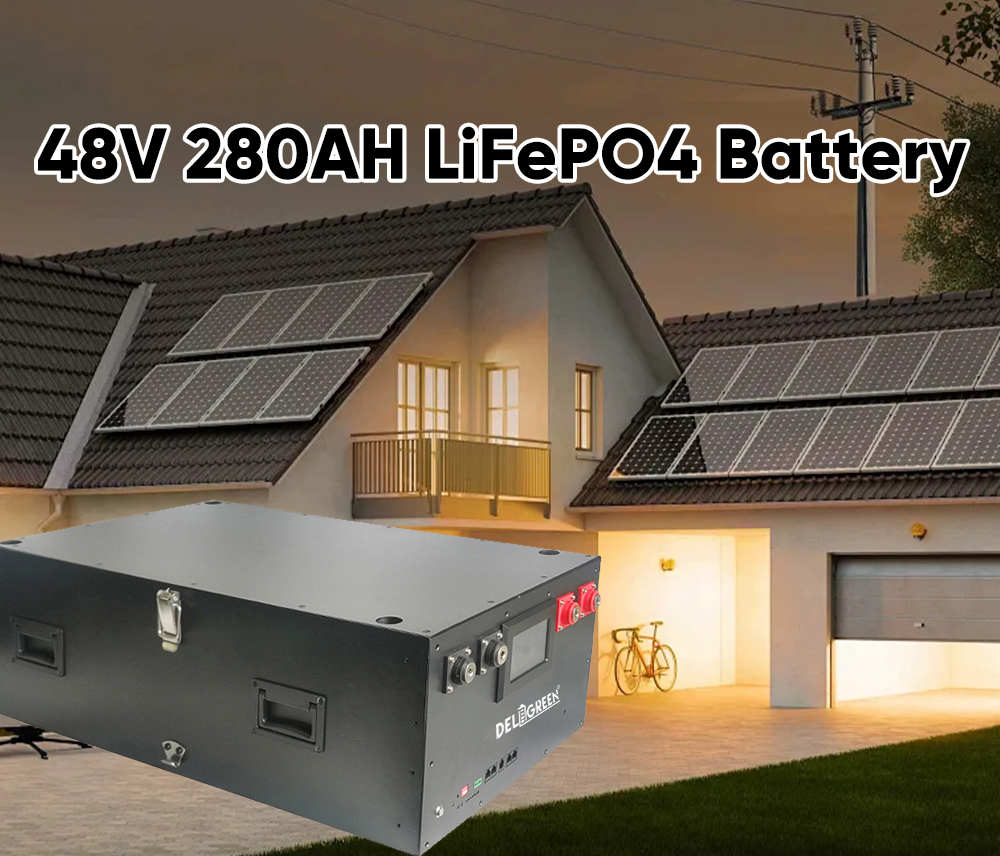
LiFePO4 batteries are widely used in home energy storage, solar power systems, RVs, communication equipment, and commercial and industrial energy storage. Choosing the right battery capacity helps meet daily electricity needs and reduces the risk of insufficient power or frequent recharging. A battery that is too small may not run equipment for long enough, while an oversized battery can increase purchase costs and installation space requirements. Before buying, consider equipment power, daily energy consumption, backup time, charging conditions, and the operating environment. These factors help you choose a LiFePO4 battery that meets your actual needs.

What Does LiFePO4 Battery Capacity Mean?
LiFePO4 battery capacity indicates how much electrical energy a battery can store and deliver. Common units include amp-hours (Ah) and kilowatt-hours (kWh). Amp-hours describe the battery’s charge capacity, while kilowatt-hours are useful for understanding how much energy it can provide. When choosing a battery, do not look at the Ah rating alone. You should also consider the nominal voltage because batteries with the same Ah rating but different voltages store different amounts of energy.
For home energy storage, users often focus on kWh capacity because it is easier to compare with daily electricity consumption. However, rated capacity does not mean all stored energy will be available to power equipment. Usable energy depends on depth of discharge, conversion efficiency, temperature, and battery management settings. Before purchasing, check the product specifications for nominal voltage, rated capacity, and usable capacity to avoid choosing an unsuitable battery.
What Factors Should You Consider When Choosing Battery Capacity?
Battery capacity should be selected according to actual electricity demand and operating conditions. Different energy storage applications have different requirements for capacity, runtime, and backup power.
- Daily energy consumption: Estimate how much electricity your equipment uses each day.
- Equipment power: Check operating power and whether devices require high startup power.
- Backup time: Determine how long the battery must supply power during an outage.
- Charging conditions: Check whether solar panels, chargers, or other power sources can recharge the battery in time.
- Installation space and budget: Make sure the battery’s dimensions, weight, installation location, and price suit your needs.
These factors help narrow down suitable options. For systems with high power demands, also check the battery’s continuous and peak discharge current. Capacity alone cannot determine whether a battery is suitable for your equipment.
What Battery Capacity Is Suitable for Different Applications?
The right LiFePO4 battery capacity depends on the intended application. Home energy storage users can consider daily electricity consumption and backup requirements to determine which appliances need power and for how long. If the battery only powers lights, a router, and small devices, a lower capacity may be sufficient. If it also needs to run a refrigerator, water pump, or other high-power equipment, power requirements and operating time must be considered.
For solar energy storage, capacity selection should take solar generation, nighttime electricity demand, and backup requirements during cloudy weather into account. RV users should estimate the energy consumption of refrigerators, lights, fans, and other onboard equipment while considering battery weight and available installation space. Commercial and industrial projects require an assessment of load profiles, peak electricity demand, backup requirements, and future expansion plans.
There is no single ideal capacity for every application. Choose a battery based on actual loads and expected runtime, while allowing reasonable room for changing energy needs. This helps prevent purchasing a battery that is either too small or unnecessarily large.
What Is the Difference Between Usable Capacity and Rated Capacity?
Rated capacity is the battery capacity specified by the manufacturer under defined testing conditions. Usable capacity is the amount of energy available for practical use. These values may differ because batteries often retain a certain charge range to meet battery management system protection requirements and support stable operation.
Depth of discharge, operating temperature, battery aging, and inverter efficiency can also affect the energy available to equipment. For example, even if a home energy storage battery has a high rated capacity, the usable energy may be lower if the system limits the depth of discharge.
When purchasing a battery, check whether the manufacturer clearly states usable capacity and the conditions under which it was measured. You should also confirm compatibility between the inverter, battery management system, and connected equipment. If the battery must power essential devices during an outage, choose its capacity based on usable energy and required backup time rather than relying only on the number printed on the product label.
How to Choose the Right LiFePO4 Battery Capacity?
Before purchasing a LiFePO4 battery, list the equipment that needs power and record its rated power, daily operating time, and priority. Then consider the required backup time and available charging sources to identify suitable products.
- List your equipment: Identify the appliances and devices that the battery must power.
- Estimate daily demand: Record daily energy consumption and operating time for essential equipment.
- Set backup requirements: Decide how long the battery must provide power during outages or insufficient solar generation.
- Check battery specifications: Review voltage, capacity, usable energy, and discharge current.
- Compare service and support: Check cycle life, warranty, installation requirements, and after-sales support.
Once this information is ready, share your load requirements with the battery supplier to confirm the appropriate capacity and configuration. For long-term energy storage systems, consider future equipment additions, changes in electricity demand, and possible capacity expansion. Choosing a LiFePO4 battery with suitable capacity, clear specifications, and compatibility with existing equipment can improve power reliability and help control purchasing and operating costs.