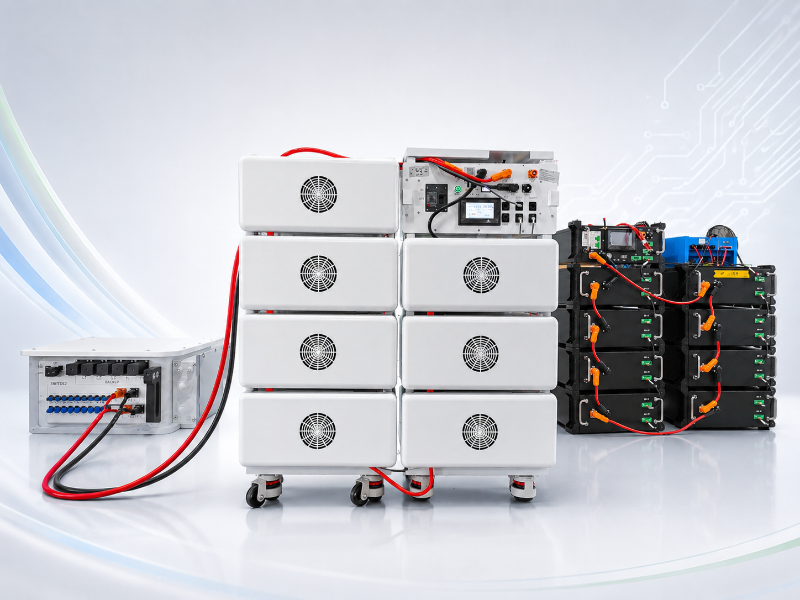
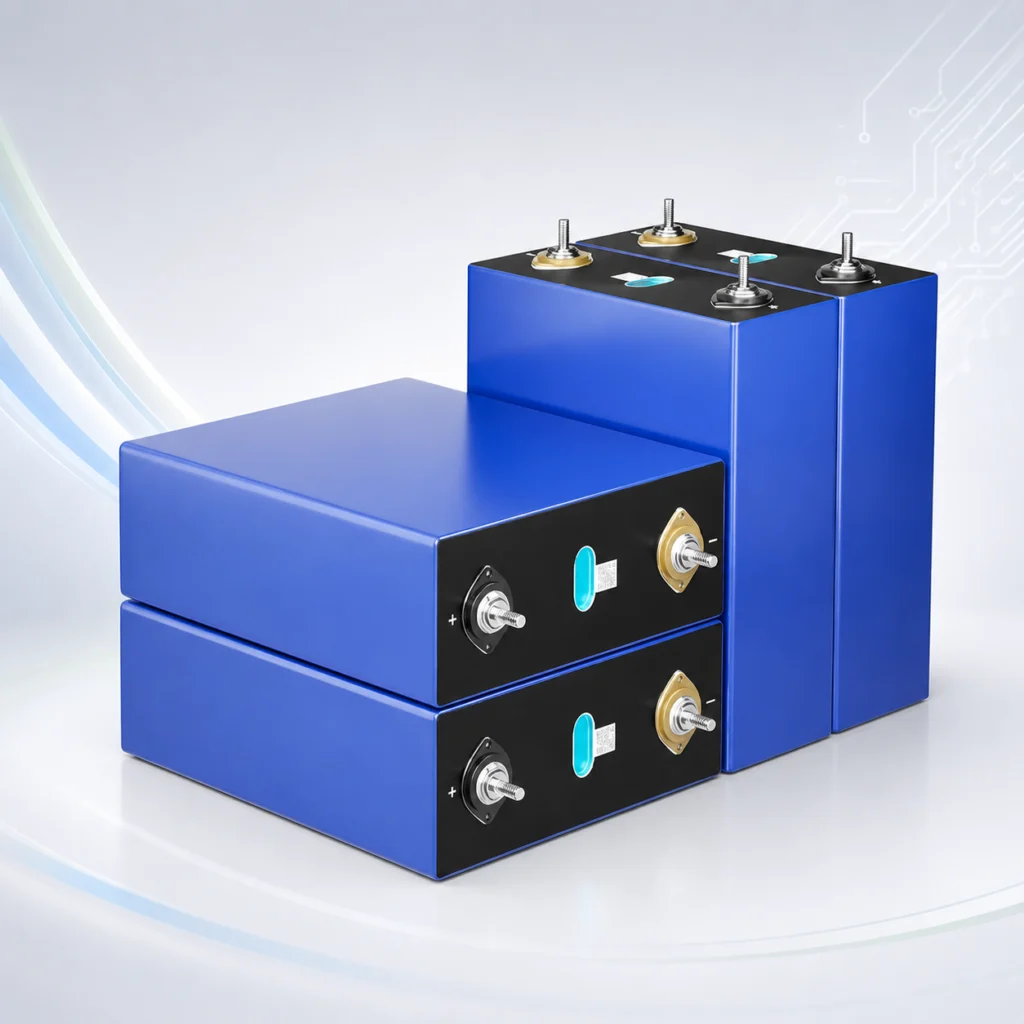
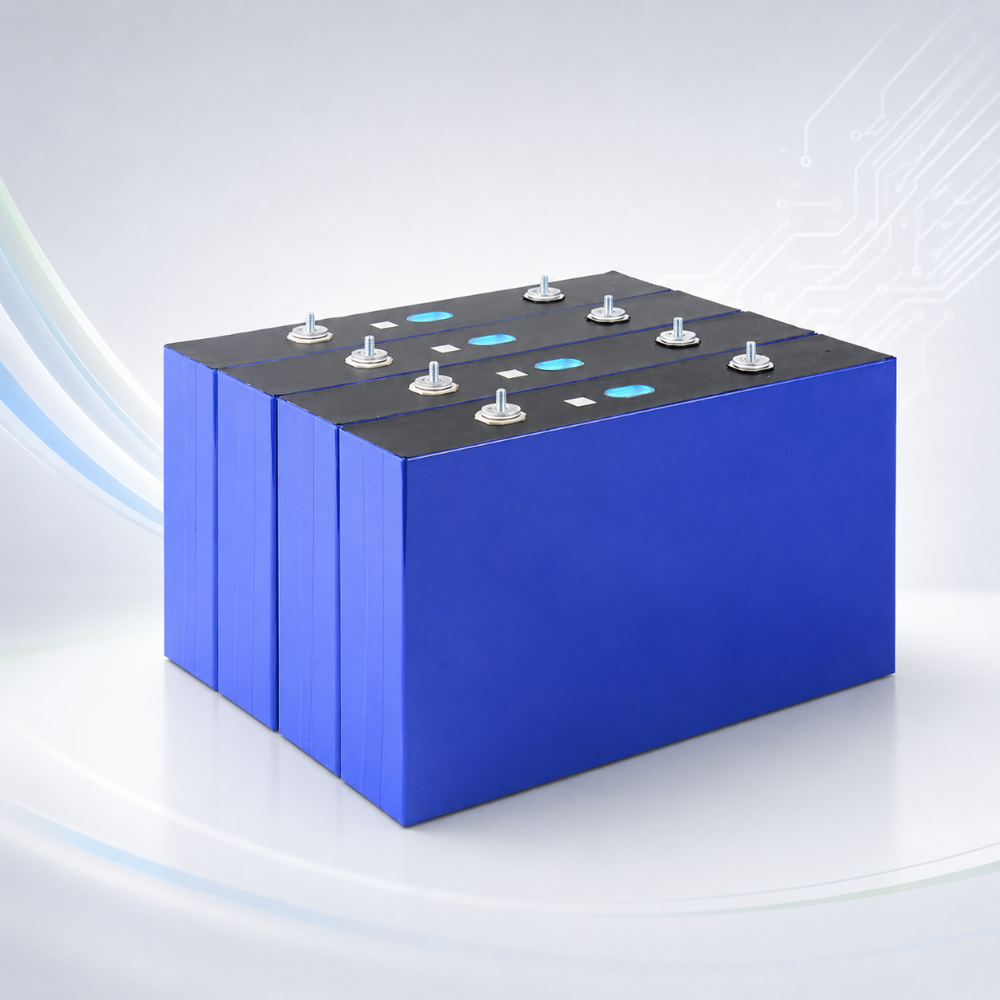
Lithium deep cycle batteries are energy storage batteries designed for repeated charging and discharging. They are widely used in RVs, boats, golf carts, solar energy storage systems, outdoor power equipment, and backup power supplies. Compared with traditional lead-acid deep cycle batteries, lithium deep cycle batteries are generally lighter, offer higher energy density, and provide greater charging and discharging efficiency. These characteristics allow them to meet the continuous power supply and repeated cycling requirements of different devices. However, during daily use, a battery may fail to charge, charge slowly, show no response from the charger, display abnormal charging indicator lights, or suddenly stop charging.
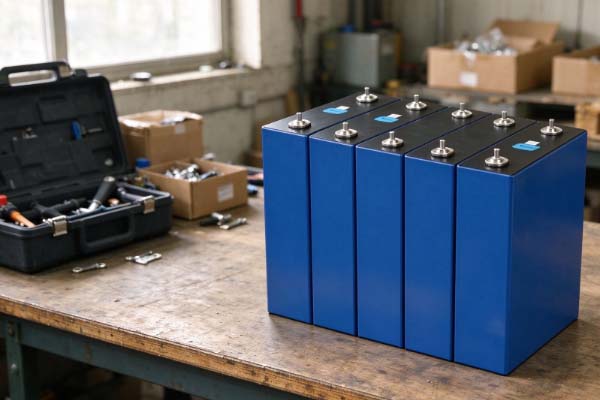
When a lithium deep cycle battery cannot charge normally, it should not immediately be assumed that the battery is damaged. Abnormal charger output, unstable power connections, activation of battery management system protection, and ambient temperatures outside the permitted range can all interrupt charging. If a battery remains at a low charge level for an extended period, has experienced over-discharge, or develops an internal cell fault, it may also be unable to resume charging through conventional methods. Therefore, understanding common fault causes and following a reasonable inspection sequence can help narrow down the problem and reduce unnecessary repair and replacement costs.
Abnormalities in Charging Equipment and Connections
When a lithium deep cycle battery cannot charge, the charger, power supply, and external connection cables should be checked first. These components transfer electrical energy to the battery, and their operating conditions directly affect the charging process. If the charger’s output specifications do not meet the battery’s requirements or the power connections are unreliable, charging may fail even when the battery itself has no obvious faults. During inspection, it is important to distinguish between a charger that does not respond at all, a charger that starts but the battery does not accept a charge, and charging that suddenly stops after a period of operation. Different symptoms may indicate different underlying problems. For example, an unlit charger indicator may be related to an external power supply issue or a faulty charger. If the charger appears to operate normally but the battery’s charge level does not change, the connections, charging parameters, and battery protection status should also be checked.
Incompatible Charger Specifications
Lithium deep cycle batteries have specific requirements for rated voltage, charging voltage, and charging current. Batteries with different voltage ratings and different chemical compositions generally require compatible charging equipment. If the charger’s output voltage is too low, it may not meet the conditions required for normal charging. If the charger’s charging profile does not match the battery’s requirements, the charger may fail to initiate charging or display an abnormal warning during the charging process. Some chargers also feature battery type recognition. If the detected battery status does not meet the startup conditions, the charger may not enter the normal charging stage. During inspection, verify that the output voltage, current, and battery type listed on the charger’s label comply with the manufacturer’s requirements. You should also confirm that the charger supports the battery’s specific chemistry. A charger should not be assumed to be compatible simply because its rated voltage is the same.
Poor Connections at the Power Supply, Plugs, or Cables
Using a charger with the correct specifications does not guarantee that charging will proceed normally. An unstable power outlet, loose connectors, broken internal wires, corroded terminals, or excessive contact resistance can all cause unstable power transmission.
Check the power supply: Confirm that the outlet or power source is working properly, and inspect the power switch, fuses, and related power connections for abnormalities.
Inspect the connectors: Check external plugs, charging ports, and battery terminals for looseness, deformation, corrosion, or signs of burning.
Examine the cables: Look for damaged insulation, crushing, aging, or unusual heat. Do not continue using damaged cables.
Verify the connection requirements: Check the positive and negative terminal connections according to the equipment manual to prevent charging failures or equipment damage caused by incorrect wiring.
If the battery still cannot charge after replacing the charger with a compatible unit in good condition, continue checking the battery management system and the battery’s own condition. If you notice burned cables, excessive heat around a connection, or damaged battery terminals, stop charging immediately and have the equipment inspected by a qualified professional.
Battery Management System Protection
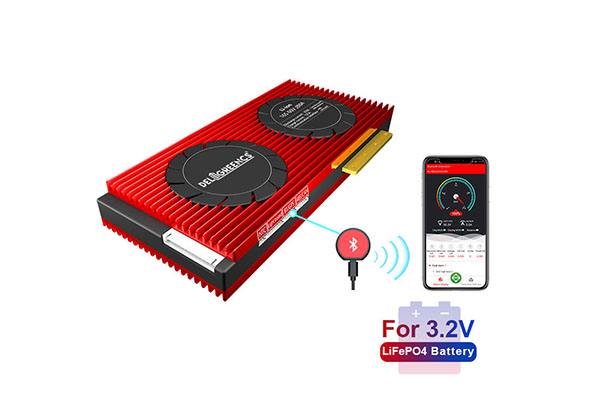
Lithium deep cycle batteries are generally equipped with a battery management system, or BMS. This system monitors battery voltage, current, temperature, and cell status, and restricts charging or discharging according to predefined conditions. When it detects abnormal voltage, excessive temperatures, or other conditions that could damage the battery, the BMS may temporarily disconnect the charging circuit. Therefore, a battery that cannot charge does not necessarily indicate a faulty charger. The battery management system may simply be performing its protective function. Some batteries use indicator lights, display screens, or compatible monitoring software to report fault conditions, allowing users to investigate further based on the displayed information.
Low Battery Voltage Triggers Low-Voltage Protection
When a lithium deep cycle battery remains uncharged for an extended period or connected equipment continues consuming power until the battery is depleted, the battery voltage may fall below the protection threshold set by the manufacturer. To prevent further cell damage, the BMS may disconnect the charging and discharging circuits, preventing a standard charger from immediately initiating charging. This situation is common with RVs parked for long periods, boats used seasonally, and backup energy storage equipment that does not receive regular maintenance. Even when the equipment is switched off, some batteries may continue to experience parasitic power consumption. Connected monitoring modules, controllers, and other electronic devices may also consume small amounts of electricity. If the battery is stored for too long without checking its remaining charge, it may gradually enter a low-voltage protection state.
Some lithium deep cycle batteries support charging recovery according to procedures specified by the manufacturer, such as performing a prescribed charging operation with a compatible charger. However, protection logic and recovery conditions can vary significantly between products, so the procedure for one battery should not automatically be applied to another model. If the battery voltage is too low, consult the product manual first and confirm the manufacturer’s recommended recovery procedure. If the charger cannot recognize the battery or the battery continues to display a protection status, contact the manufacturer or a qualified repair technician for inspection. Do not force charging by shorting the terminals, bypassing the BMS, or directly connecting another power source, as these actions may cause short circuits, overheating, or cell damage.
Cell Voltage Imbalance or BMS Malfunction
Lithium deep cycle batteries typically consist of multiple cells. As the number of charging and discharging cycles increases, differences in temperature, operating conditions, and cell performance may gradually cause voltage variations between individual cells. If one cell reaches its upper charging limit before the others, the BMS may stop charging to prevent that cell from becoming overcharged. The battery management system itself may also malfunction. If the battery supports compatible monitoring software, check whether the system has recorded overvoltage, undervoltage, temperature abnormalities, or other fault alerts. If no monitoring function is available, the battery’s condition should be assessed using professional testing equipment that meets the product’s requirements. It is important to understand that cell voltage imbalance does not necessarily mean that all cells are damaged. Qualified technicians need to evaluate cell voltages, temperatures, capacity performance, and BMS records before determining whether balancing, repair, or replacement is necessary. Ordinary users should not disassemble the battery pack to inspect internal cells, as improper handling may cause short circuits, electric shock, or thermal runaway.
Unsuitable Ambient Temperatures and Battery Conditions
Ambient temperature affects the charging capability of lithium deep cycle batteries. The electrochemical reactions inside a battery must take place within a specified temperature range. If the environment is too cold or too hot, charging efficiency and safety may be compromised. To protect the cells, some batteries automatically suspend charging when temperatures fall outside the permitted range. In addition to temperature, the battery’s age, storage conditions, and previous charging and discharging history may also contribute to charging abnormalities. Therefore, if no obvious problems are found with the external charging equipment, it is also necessary to determine whether the battery is in a suitable condition for charging.
Low or High Temperatures Cause Charging to Stop
Low temperatures are one of the common reasons a lithium deep cycle battery cannot charge. In winter, RVs, boats, and outdoor energy storage equipment may remain parked in cold environments for extended periods. When the cell temperature falls below the minimum charging temperature specified by the manufacturer, the BMS may prohibit charging to reduce the risk of cell damage. For many common lithium iron phosphate battery models, the standard minimum charging temperature is 0°C, but the specific requirements should always be confirmed in the product manual. Some products feature low-temperature protection that allows charging to resume once the temperature returns to an acceptable range. Other models use a self-heating design that raises the cell temperature before charging begins, provided the conditions specified by the manufacturer are met.
High temperatures can also interrupt charging. If a battery remains exposed to direct sunlight for extended periods, is installed in a poorly ventilated location, or is surrounded by equipment that continuously generates heat, its temperature may exceed the permitted charging range. In this situation, the BMS may suspend charging until the temperature returns to a safe range. When a temperature abnormality occurs, move the equipment to an environment that meets the manufacturer’s requirements and allow the battery temperature to return to normal naturally. Do not use open flames, heat guns, or other forced heating methods, and do not place an overheated battery in a refrigerator to cool it rapidly. If the battery continues to heat up, swells, or emits an unusual odor, stop using it, keep it away from combustible materials, and contact a qualified professional when it is safe to do so.
Battery Aging or Improper Storage
The performance of lithium deep cycle batteries gradually changes with age and repeated charging and discharging cycles. Normal aging may result in reduced usable capacity, shorter equipment operating times, or changes in charging behavior. If the internal cells develop significant performance differences or some cells become faulty, charging may end prematurely or fail to start normally. The remaining charge level is also important during long-term storage. If a battery remains completely discharged for an extended period, it may experience over-discharge, increasing the risk of cell damage. Long-term exposure to high temperatures or maintaining an unsuitable high state of charge may also accelerate battery degradation.
For RVs, boats, and backup energy storage equipment used seasonally, manage the battery’s storage charge level according to the manufacturer’s recommendations and inspect its condition regularly. Before storage, check whether any equipment remains connected to the battery, as monitoring modules, controllers, and other loads may consume power while the equipment is parked for an extended period. If the battery has been in use for several years and repeatedly experiences charging failures, unusually short charging times, or unstable charge readings, use its operating history and test results to determine whether repair or replacement is necessary. Battery age alone is not sufficient to determine that it has reached the end of its service life, and repeated deep discharging should not be used as a method of testing battery condition.
How to Identify and Address Charging Problems
When a lithium deep cycle battery cannot charge, inspect it in an order that progresses from external equipment to the battery’s internal condition. First, confirm that the power supply and charging equipment are working properly. Then inspect the connection cables, ambient temperature, and BMS status. Finally, use any fault alerts to determine whether professional testing is necessary. This inspection sequence helps narrow down the potential causes and prevents unnecessary battery replacement before the problem has been identified.
Troubleshoot Based on the Symptoms
Different symptoms can provide useful clues about the cause of a fault, but a single symptom is not enough to determine the exact problem. During inspection, consider the charger’s indicators, changes in battery charge level, and equipment usage history together.
Charger indicator light is off: Check the power outlet, power cables, charger switch, and charger itself first.
Charger appears normal, but the battery does not charge: Confirm that the charger’s voltage and battery type are compatible, then inspect the connections and check for BMS protection alerts.
Battery cannot charge in a low-temperature environment: Check whether the battery temperature is below the manufacturer’s specified minimum charging temperature. Wait for the temperature to return to an acceptable range before proceeding according to the product manual.
Charging starts but stops shortly afterward: Check for temperature abnormalities, voltage protection, incompatible charging parameters, or internal battery faults.
If the equipment supports Bluetooth monitoring, a digital display, or compatible management software, check the battery voltage, temperature, charging status, and fault codes. This information can help determine whether the problem originates from the external charging equipment or the battery’s internal protection system.
Frequently Asked Questions
Q: What should I do if my lithium deep cycle battery shows no response after connecting the charger?
A: First, confirm that the power supply is working, inspect the charger indicator and external connectors, and verify that the charger’s output specifications meet the battery’s requirements. If none of these components shows an obvious problem but the battery still cannot charge, check whether the BMS has activated protection and follow the product manual for further inspection. If the battery has remained completely discharged for an extended period, pay particular attention to possible low-voltage protection or cell damage.
Q: Why does my lithium deep cycle battery show that it has power but cannot continue charging?
A: This may be related to BMS protection, abnormal temperatures, cell voltage imbalance, or inaccuracies in the battery’s charge-level readings. Some batteries stop charging when they reach their preset charging limit, which is a normal protective function. If charging repeatedly stops before the battery reaches the expected charge level, inspect the charger parameters, battery temperature, and relevant fault records. Do not judge the battery’s condition solely by the percentage displayed on the screen.
Q: Can a lithium deep cycle battery still charge normally after being unused for a long time?
A: This depends on the storage period, remaining charge, and internal condition of the battery. If the battery has simply entered a normal sleep mode, it may be possible to restore it according to the manufacturer’s instructions. However, if the battery has experienced severe over-discharge, its internal cells may have sustained irreversible damage. In this situation, consult the product manual and contact a qualified professional for an assessment. Do not attempt to force charging by increasing the charging voltage or using an incompatible power source.
Q: Does a noticeably slower charging speed mean that my lithium deep cycle battery is damaged?
A: Not necessarily. Charging speed can be affected by the charger’s output current, the battery’s current charge level, ambient temperature, and BMS current-limiting functions. As a battery approaches full charge, the charging current typically decreases gradually. Therefore, a longer charging time does not necessarily indicate a fault. If charging remains unusually slow or is accompanied by rapid charge depletion, charging interruptions, or fault alerts, further inspection of the charging equipment and battery condition is necessary.
Q: When should a lithium deep cycle battery be repaired or replaced?
A: If the charger and external wiring are working properly but the battery continues to experience repeated charging failures, or professional testing identifies damaged cells, insulation abnormalities, or a BMS malfunction, the need for repair or replacement should be evaluated. If the battery swells, leaks, emits an unusual odor, continues to overheat, or has a damaged casing, stop using and charging it immediately. Do not continue attempting to restore it. The final decision should be based on test results, repair costs, and the manufacturer’s recommendations rather than assuming the battery is unusable after a single charging failure.
Common reasons why a lithium deep cycle battery cannot charge include incompatible charger specifications, power supply or connection problems, activation of battery management system protection, unsuitable ambient temperatures, battery aging, and internal cell faults. Different causes require different solutions. Therefore, troubleshooting should begin with the external power supply and charging equipment, followed by the connection cables, battery temperature, BMS status, and internal performance. During daily use, select a charger that is compatible with the battery’s rated voltage and chemistry, avoid leaving the battery completely discharged for extended periods, and follow the manufacturer’s storage and maintenance recommendations.
For equipment used over long periods, such as RVs, boats, and solar energy storage systems, regularly inspect battery connections, charge levels, and relevant protection alerts. This helps reduce charging problems caused by a lack of maintenance during extended periods of inactivity. If the battery still cannot charge after basic troubleshooting, professional testing should be performed to identify the source of the fault. In particular, if the battery swells, overheats abnormally, leaks, or repeatedly triggers protection, stop using it immediately. Do not bypass the BMS or forcibly increase the charging voltage. Proper inspection and maintenance can help identify the causes of lithium deep cycle battery failures more accurately, reduce the risk of further damage, and help the battery maintain normal operation under safe conditions.