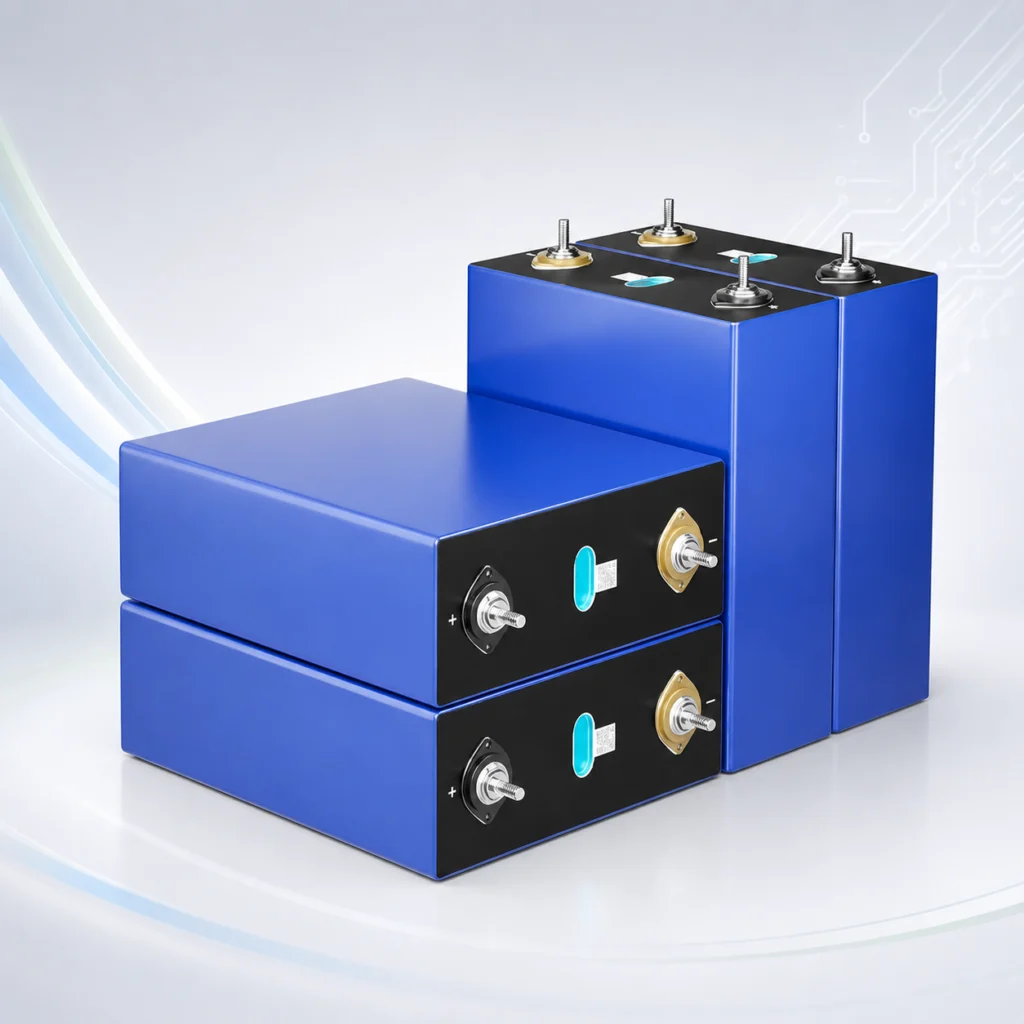
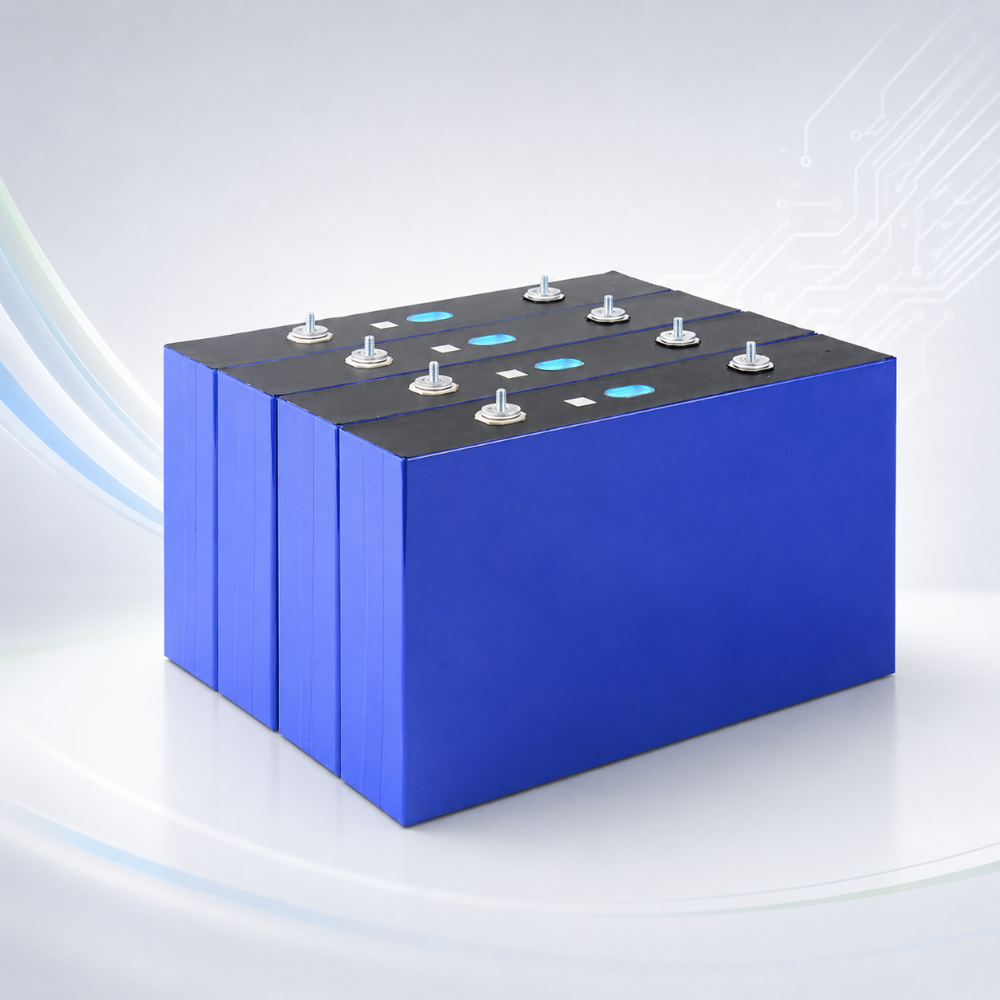
LiFePO4 batteries are widely used in home energy storage, solar power systems, RV power supplies, communication base stations, and commercial and industrial energy storage. They are popular because of their long cycle life, good thermal stability, and relatively low maintenance requirements. For buyers, battery lifespan directly affects replacement costs, system reliability, and long-term value. So, how many years can a LiFePO4 battery last? What factors affect its lifespan? Understanding cycle life, charging habits, operating temperature, and maintenance requirements can help users choose the right battery and extend its service life.
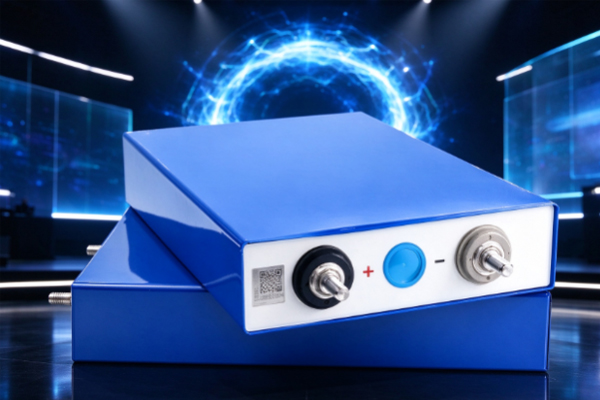
What Is the Typical Lifespan of a LiFePO4 Battery?
LiFePO4 batteries can typically last several years to more than ten years, depending on cell quality, battery design, usage frequency, and operating conditions. Many products have a rated cycle life of 2,000 to 6,000 cycles or more. However, testing conditions and capacity-retention standards vary between manufacturers, so cycle count alone cannot determine the actual service life.
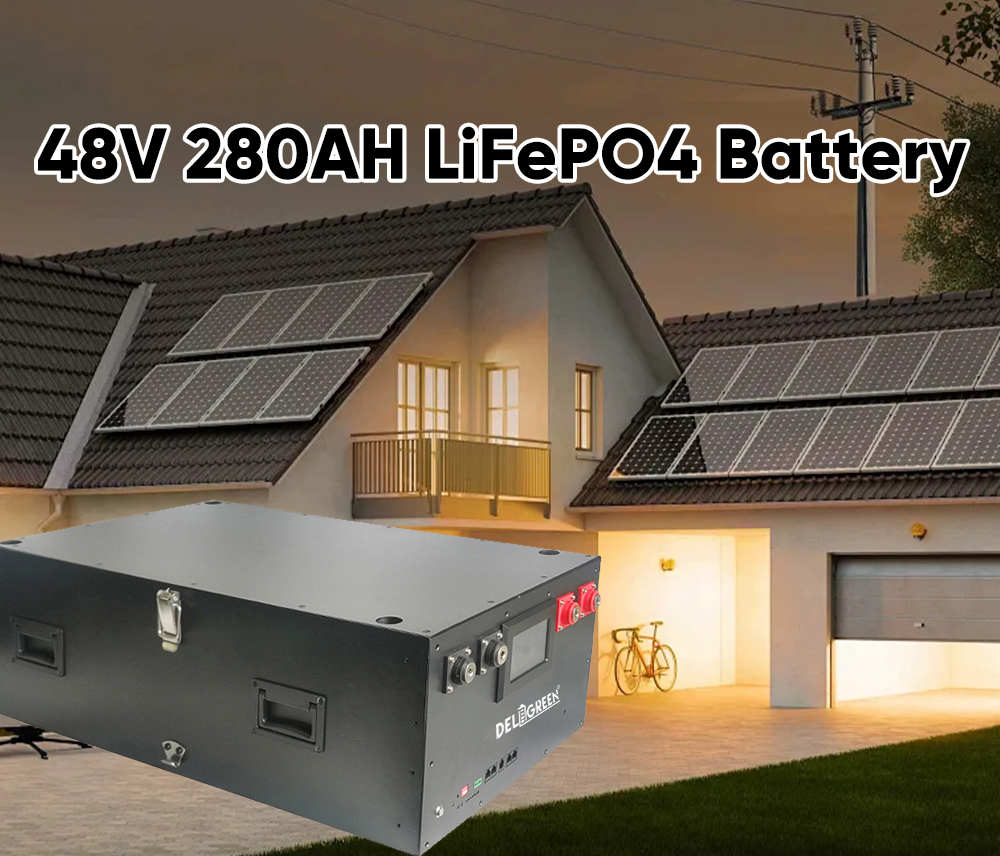
In home solar energy storage systems, a battery may complete one charge and discharge cycle each day. If the battery is well made, operates at a suitable temperature, and uses charging parameters recommended by the manufacturer, it may provide reliable performance for many years. For backup power systems that are used less frequently, calendar aging can still affect battery life. It is important to understand that a battery does not necessarily stop working when it reaches the end of its rated lifespan. Instead, its storage capacity and output performance gradually decline. When the remaining capacity can no longer meet the equipment’s power requirements, users may need to replace the battery or adjust the energy storage system.
What Factors Affect LiFePO4 Battery Lifespan?
The lifespan of a LiFePO4 battery is closely related to cell quality, depth of discharge, temperature, current, and the battery management system. The same battery model may age at different rates under different operating conditions. Buyers should review product specifications and follow the manufacturer’s instructions during use.
Common factors that affect battery lifespan include:
- Depth of discharge: Frequent deep discharging may accelerate battery aging. Keeping discharge levels within the recommended range can help extend service life.
- Operating temperature: Prolonged exposure to high temperatures can accelerate aging, while low temperatures may limit charging performance. Low-temperature charging restrictions are particularly important.
- Charging parameters: Use a compatible charger and avoid excessive voltage, current, or unsuitable charging settings.
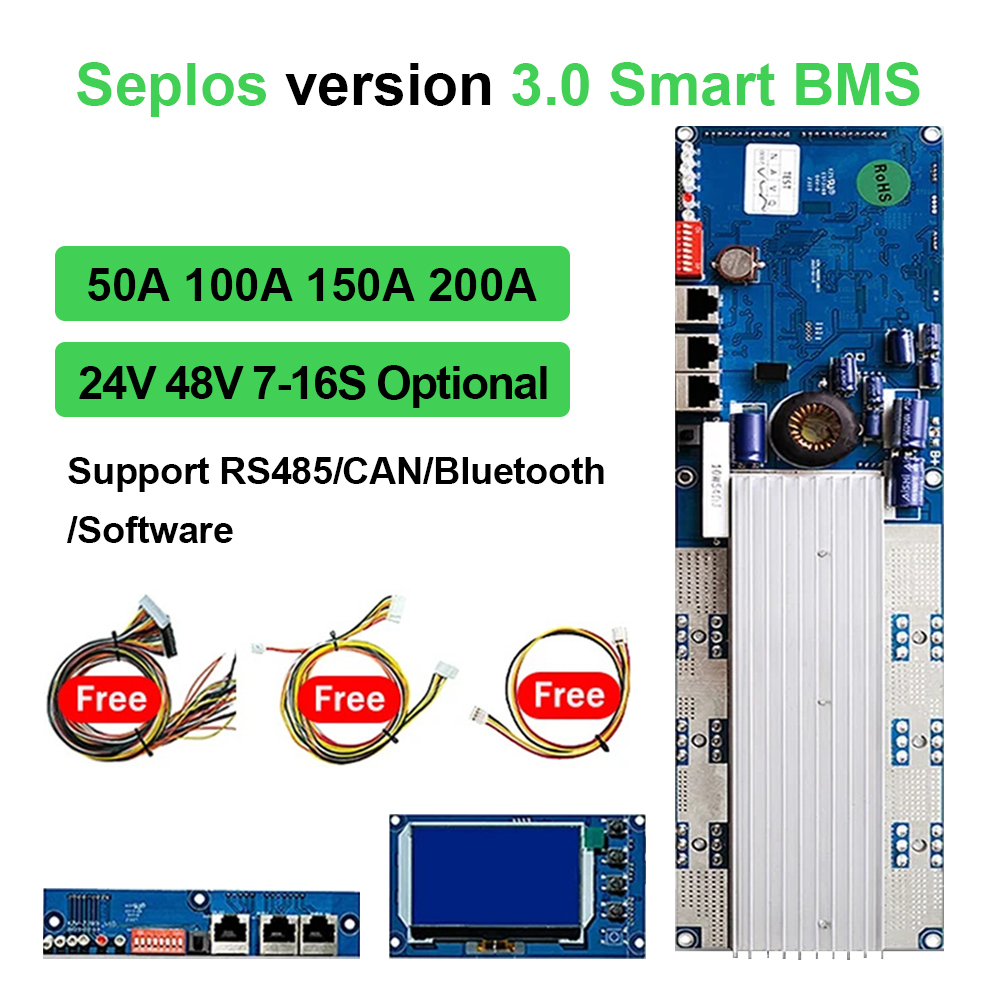
- Battery management system: A BMS monitors voltage, current, and temperature and provides protective functions according to its design, helping reduce the risk of abnormal operation.
- Cell and manufacturing quality: Cell consistency, production processes, connection design, and factory testing all influence long-term performance.
Users should also monitor the load and installation environment to avoid operating the battery beyond the manufacturer’s specified current limits. Choosing a LiFePO4 battery with consistent quality, clear specifications, and reliable after-sales support can help control long-term operating costs.
How Do Charging Habits Affect Battery Life?
Proper charging habits help maintain LiFePO4 battery performance. Although these batteries generally offer good cycle durability, overcharging, excessive discharge, and continuous high-current operation can still place additional stress on the cells. Users should follow the battery manual when setting charging voltage, discharge cutoff voltage, and current limits. Charging parameters designed for other battery chemistries should not be used without checking compatibility.
For home energy storage systems, users can set a suitable discharge limit based on daily electricity demand and avoid frequently allowing the battery to reach an excessively low state of charge. For solar storage equipment, the solar charge controller, inverter, and battery should be compatible to ensure that charging follows the battery’s requirements.
If the battery will remain unused for an extended period, store it at the charge level and under the environmental conditions recommended by the manufacturer. Check its condition periodically as instructed. A LiFePO4 battery does not always need to be fully charged or completely discharged. The appropriate charging strategy depends on the product design and intended application. Stable and suitable charging and discharging practices can reduce unnecessary wear and help maintain the system’s power supply capability.
How Can You Tell When a LiFePO4 Battery Needs Replacement?
LiFePO4 battery capacity gradually decreases during use, but reduced capacity does not automatically mean the battery is no longer usable. Replacement decisions should be based on equipment performance, battery monitoring data, and the manufacturer’s maintenance standards.
Home energy storage users can check whether the battery provides significantly less backup time under similar loads. They can also review the remaining capacity, temperature readings, alarm records, and cell status reported by the battery management system. If the battery repeatedly triggers protection, develops abnormal heat, shows physical damage, has unusual connection problems, or cannot charge or discharge normally, stop using it and contact a qualified technician. Do not attempt to disassemble the battery pack yourself.
For commercial and industrial energy storage systems, regular reviews of operating records, capacity changes, and system alarms are recommended. Professional testing may be necessary when performance issues occur. Some batteries with reduced capacity may still be suitable for low-power applications, but continued use depends on their remaining performance, safety condition, and the requirements of the equipment. Understanding the warranty period, capacity-retention commitments, and available after-sales testing services can also help users plan battery replacement.
How Can You Extend the Lifespan of a LiFePO4 Battery?
Extending LiFePO4 battery life requires careful product selection, proper installation, and routine management. Before purchasing, confirm the battery capacity, nominal voltage, continuous charging and discharging current, cycle life testing conditions, and BMS configuration. Select a model that matches the actual load requirements.
During installation, follow the manufacturer’s instructions for ventilation and heat dissipation. Avoid locations exposed to direct sunlight, prolonged high temperatures, excessive moisture, or standing water. During daily operation, avoid overloading the battery and make sure the charger, inverter, and control equipment use compatible settings. Regularly inspect cables, connectors, and system alarms.
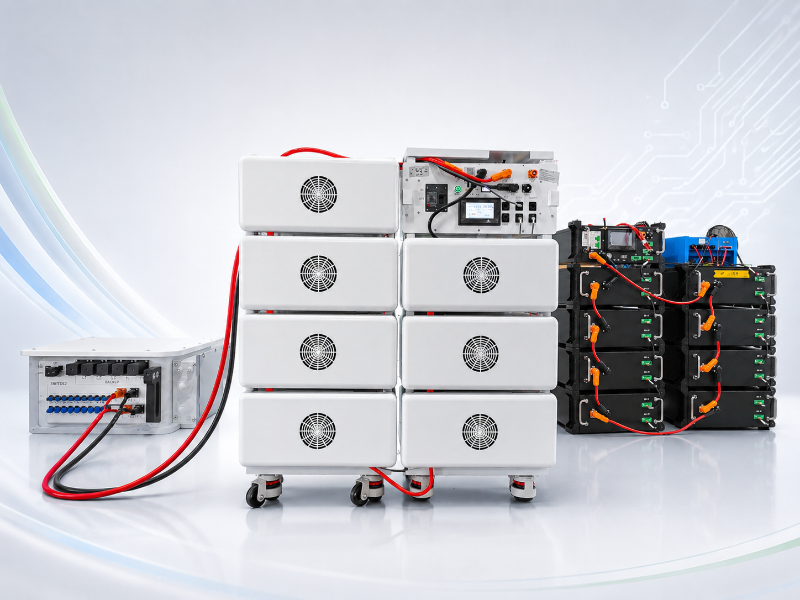
For energy storage systems with batteries connected in parallel, confirm that the battery models, connection methods, and system configuration meet the manufacturer’s requirements. Incompatible batteries should not be connected together without explicit manufacturer approval. Keep purchase records, product manuals, and maintenance information so that technical support can be provided promptly when problems occur.
A high-quality battery combined with correct operating practices can help maintain stable performance and reduce unnecessary repair and replacement costs. For long-term residential or commercial energy storage projects, choosing a LiFePO4 battery supplier that provides clear technical specifications and reliable after-sales service is also important.