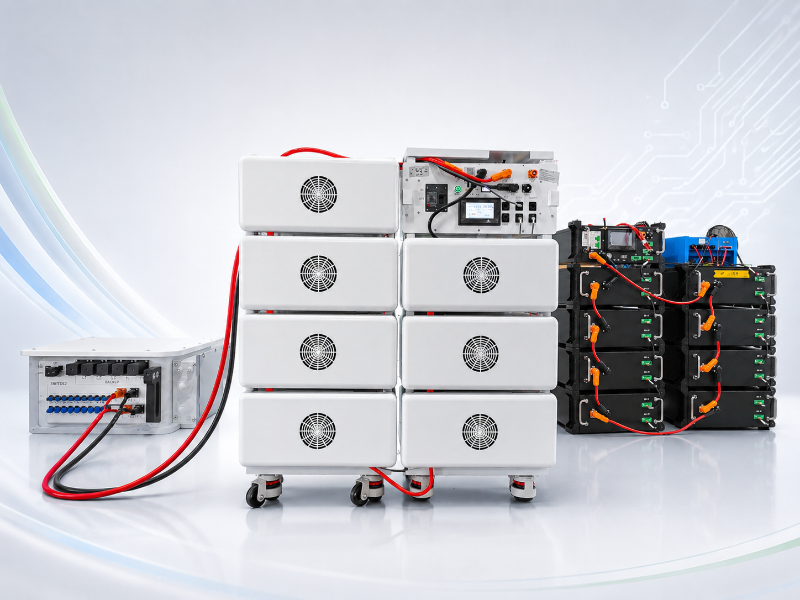
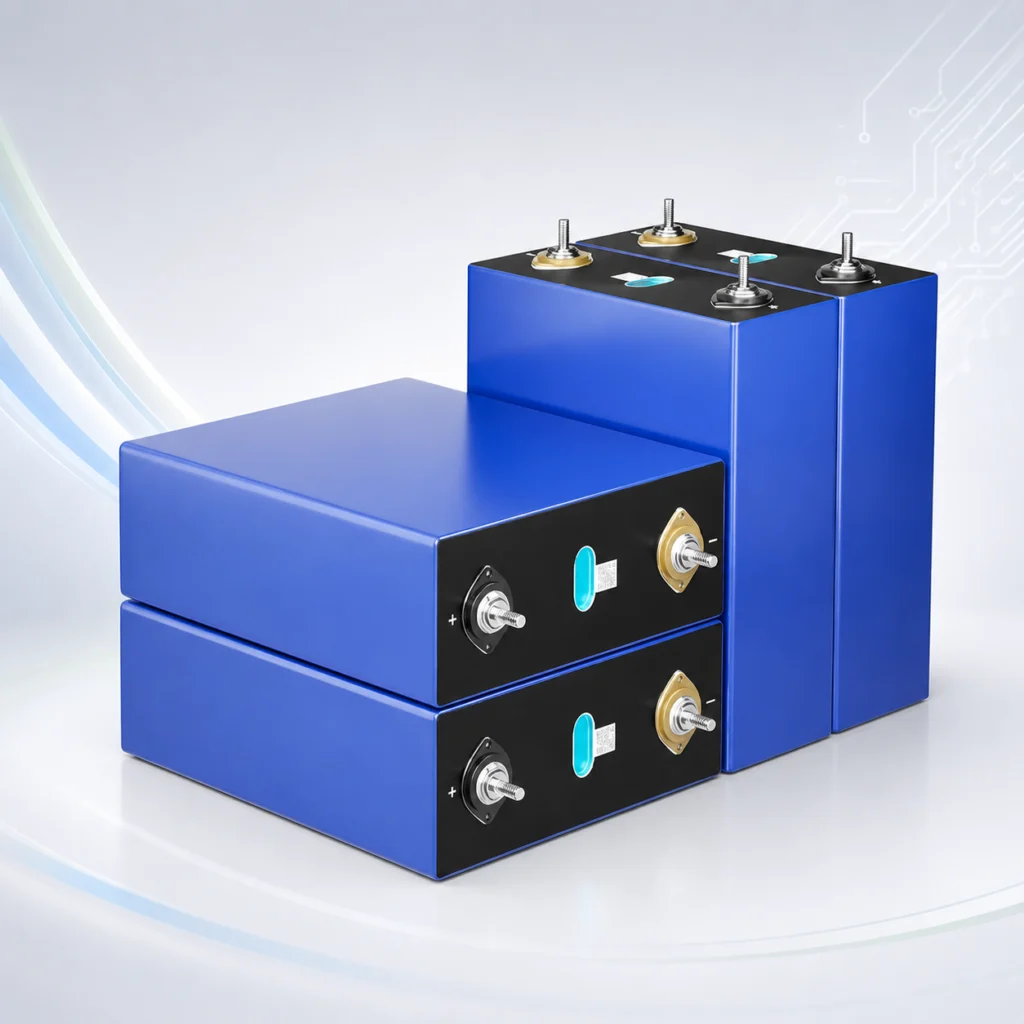
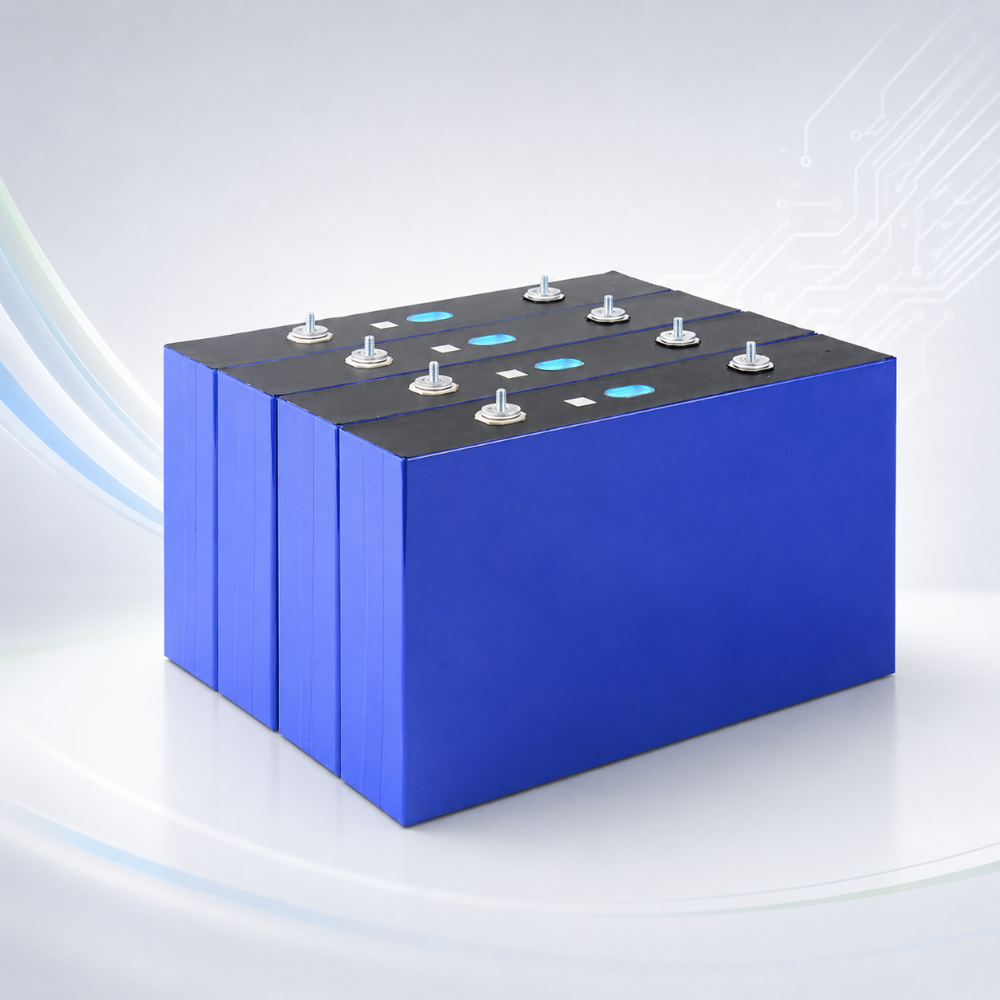
A lithium deep cycle battery is an energy storage battery designed for repeated charging and discharging. It is commonly used in RVs, boats, solar energy storage systems, golf carts, and outdoor power supply equipment. Compared with traditional lead-acid deep cycle batteries, lithium batteries generally offer lighter weight, higher usable capacity, and better charging and discharging efficiency, making them suitable for meeting the long-term power supply needs of various devices. The service life of a lithium deep cycle battery is usually evaluated based on both its cycle count and its actual years of use. For example, some common lithium iron phosphate (LiFePO4) deep cycle batteries can achieve a cycle life of 2,000–6,000 cycles. With proper use, their service life may reach 5–15 years, depending on the cell type, product quality, depth of discharge, operating temperature, and frequency of use. The rated cycle life can vary significantly between brands and models, so the specific lifespan cannot be determined solely by the term lithium deep cycle battery. Battery life does not mean that the battery will suddenly stop working after a certain number of years. As the number of charge and discharge cycles increases, the available battery capacity gradually decreases. When the remaining capacity can no longer meet the equipment’s power requirements, or when the battery experiences abnormal voltage drops or frequent protection shutdowns, its condition should be checked to determine whether replacement is necessary.

What Is the Typical Service Life of a Lithium Deep Cycle Battery?
How Many Charge and Discharge Cycles Can It Typically Provide?
The cycle life of a lithium deep cycle battery depends on its battery chemistry, cell design, and manufacturing process. Lithium iron phosphate batteries are common on the market and offer good cycle durability. Some products can achieve 3,000–5,000 cycles under specified test conditions, while others have higher or lower rated cycle counts. Specific figures should be confirmed in the product specification sheet provided by the manufacturer. When evaluating cycle life, it is also necessary to understand the depth of discharge used in testing and the remaining capacity permitted after the specified number of cycles. For example, some batteries use a capacity retention rate of 80% of the initial capacity as a reference standard, while others use different test conditions. Therefore, the cycle counts listed for different products cannot be compared directly without considering these conditions.
Lithium Iron Phosphate Deep Cycle Batteries: Common products can achieve thousands of cycles, making them suitable for RVs, boats, and energy storage equipment that require frequent charging and discharging.
Other Lithium-Ion Batteries: Their cycle life is affected by the cathode material, cell structure, and operating conditions, so the specific model must be evaluated individually.
Batteries Used Frequently: If a battery completes one equivalent full cycle per day, 3,000 equivalent full cycles correspond to approximately 8.2 years under an ideal calculation. However, the actual service life is also affected by calendar aging, temperature, and charging and discharging management.
Why Can’t Cycle Count Be Directly Equated with Service Life?
Cycle life refers to the number of charge and discharge cycles a battery can complete under specified charging and discharging conditions. Calendar life refers to the gradual degradation of battery performance over time, beginning from production or the start of use. Even if a battery is used infrequently, its cells gradually age, so the number of cycles cannot fully determine its service life. For example, consider a lithium deep cycle battery with a rated cycle life of 4,000 cycles. If the equipment consumes only a small amount of electricity each day, it may take several days to complete one equivalent full cycle. In this case, the battery may not realize its full potential cycle life before reaching 4,000 cycles because temperature, storage time, and long-term charging conditions also affect cell performance. Conversely, if the battery remains in a high-temperature environment for extended periods or is frequently charged or discharged at currents exceeding the manufacturer’s specified limits, its capacity may decline more rapidly even if the number of cycles remains relatively low. Therefore, evaluating the service life of a lithium deep cycle battery requires checking its cycle life, warranty period, capacity retention rate, and recommended operating conditions.
What Factors Can Shorten the Service Life of a Lithium Deep Cycle Battery?
The performance of a lithium deep cycle battery is closely related to its depth of discharge, operating temperature, charging and discharging current, and battery management system. These conditions affect the rate of internal chemical reactions and the degree of long-term aging in the cells. When purchasing a battery, focusing only on capacity and price while overlooking the operating environment and equipment load may prevent the battery from reaching its expected service life.
Depth of Discharge and Charging and Discharging Frequency
Depth of discharge refers to the proportion of the rated battery capacity that has been discharged. For example, if a 100Ah battery releases 50Ah of energy, its theoretical depth of discharge is approximately 50%. Under otherwise similar conditions, repeatedly discharging a battery deeply over an extended period generally places more stress on its cells than moderate discharging, potentially reducing the number of cycles it can complete. Some battery manufacturers also provide cycle life data for different depths of discharge. If equipment needs to operate continuously every day, it is advisable to select a suitable battery capacity based on actual power consumption and avoid approaching the lower discharge limit every time the battery is used. Leaving an appropriate capacity reserve helps meet equipment power requirements while reducing frequent deep discharges.
High Temperatures, Low Temperatures, and Charging Conditions
Temperature affects the charging and discharging performance of lithium deep cycle batteries. Prolonged exposure to high temperatures may accelerate cell aging. At excessively low temperatures, the available capacity and output capability may decrease, and charging certain lithium batteries in cold conditions can also create a risk of lithium plating. Therefore, batteries should be used and charged within the temperature range specified by the manufacturer. During daily use, avoid leaving batteries for extended periods in direct sunlight, poorly ventilated locations, or near heat sources. During winter, confirm whether the product supports low-temperature charging and whether it includes low-temperature protection or a heating function. For batteries installed in RVs, boats, and outdoor energy storage equipment, ventilation, insulation, and moisture protection within the equipment compartment should also be considered.
Load Size and the Battery Management System
The load connected to a battery also affects its performance. If equipment generates a high instantaneous current when starting, or continuously exceeds the battery’s permitted discharge current, the battery may experience voltage drops, increased temperature, or frequent activation of its protection functions. When selecting a battery, check its rated voltage, capacity, continuous discharge current, and peak discharge capability to ensure it can meet the actual load requirements. A battery management system (BMS) can monitor cell voltage, temperature, and current and provide overcharge, over-discharge, overcurrent, and temperature protection when the relevant conditions are met. However, a BMS cannot eliminate all aging problems or replace proper charging practices. Choosing a product with comprehensive protection functions, clearly specified parameters, and compatibility with the equipment helps reduce risks associated with improper use.
How Can You Extend the Service Life of a Lithium Deep Cycle Battery?
Extending the service life of a lithium deep cycle battery requires proper charging management, discharge control, installation conditions, and routine inspections. In RVs, boats, solar energy storage systems, and mobile power supply equipment, batteries may operate repeatedly over extended periods. Establishing appropriate usage habits can reduce unnecessary capacity loss and lower the risk of power interruptions.
Use a Charger Compatible with the Battery Model
The rated voltage, charging voltage, and charging current may differ between lithium battery types. Lithium iron phosphate batteries should not automatically use the charging parameters designed for other lithium batteries. Charging equipment must meet the battery manufacturer’s requirements. For systems that use multiple batteries together, it is also necessary to confirm parameter compatibility between the charger, battery management system, and inverter. Before charging, check the battery specification sheet to confirm the recommended charging voltage, maximum charging current, and temperature limits. Avoid using charging equipment with unclear output specifications, and do not bypass the battery management system’s protection functions. If the battery exhibits abnormal heating, case deformation, unusual odors, or leakage, stop using it and have it inspected by a qualified professional.
Manage the Depth of Discharge Properly
If equipment operating conditions permit, there is no need to discharge the battery to its minimum level every time before recharging it. Reducing the depth of each discharge generally helps improve the cycle life of some lithium batteries, although the specific improvement depends on the battery model and test conditions. In practice, charging schedules can be arranged according to the equipment’s daily electricity consumption and the remaining battery capacity. For example, solar energy storage systems can adjust charging plans based on power generation and nighttime loads, while RV users can plan recharging in advance based on the electricity consumption of lighting, refrigerators, and other devices. For equipment that requires an uninterrupted power supply, sufficient backup capacity should be reserved to prevent normal operation from being affected when the battery runs out of charge.
Maintain Proper Storage, Inspections, and Capacity Records
Lithium deep cycle batteries that remain unused for extended periods also require proper storage. They should be stored at the state of charge and under the environmental conditions recommended by the manufacturer. Avoid prolonged exposure to extremely high temperatures, excessive discharge, or storage at full charge. Storage requirements may vary between products, so a universal charging percentage should not be used as a substitute for the product instructions.
Routine inspections can focus on the following areas:
Appearance and Connections: Check the battery casing, terminals, and cables for deformation, loose connections, corrosion, or abnormal heating.
Charging and Discharging Performance: Record charging time, actual operating time, and equipment load to determine whether the battery’s power supply capability has declined significantly.
Extended Periods of Inactivity: Check the charge level regularly according to the user manual to prevent over-discharge caused by self-discharge and standby power consumption from connected equipment.
Handling Abnormal Conditions: If abnormal voltage, frequent protection shutdowns, or a sudden decline in capacity occurs, stop any improper usage practices and inspect the battery and associated equipment promptly.
For projects that require long-term continuous operation, the actual usable capacity can also be tested periodically and compared with the battery’s initial capacity. Keeping consistent records helps identify performance changes earlier, schedule maintenance or replacement appropriately, and reduce losses caused by unexpected power interruptions.
Frequently Asked Questions
How Many Years Can a Lithium Deep Cycle Battery Last If It Is Charged Once Every Day?
The service life depends on the battery’s cycle life and actual charging and discharging patterns. If the battery completes one equivalent full cycle per day, 3,000 cycles correspond to approximately 8.2 years, while 5,000 cycles correspond to approximately 13.7 years. These figures are theoretical conversions based on cycle count and do not guarantee that the battery will last for the same number of years. Actual service life is also affected by temperature, calendar aging, depth of discharge, and load conditions.
Can a Lithium Deep Cycle Battery Continue to Be Used After Its Capacity Declines?
This depends on the remaining capacity and the equipment’s requirements. If the battery’s capacity has decreased but can still meet the equipment’s runtime and power requirements, and there is no abnormal heating, casing damage, or other safety concern, it may continue to be used in accordance with the manufacturer’s instructions. If the battery can no longer meet the power requirements of critical equipment, or if it experiences abnormal voltage drops or frequent protection shutdowns, it should be professionally inspected promptly and replaced if necessary.
The service life of a lithium deep cycle battery can generally be evaluated in terms of both cycle count and actual years of use. Common lithium iron phosphate products can achieve thousands of cycles and may operate for many years when used properly. However, their actual performance depends on the battery model, depth of discharge, temperature, and charging and discharging management. Selecting a battery with suitable capacity for the equipment, using compatible charging equipment, and maintaining proper storage and routine inspection practices can help extend its useful service life. When purchasing a battery, refer to the technical specifications and test conditions provided by the manufacturer rather than judging product quality solely by its stated lifespan.