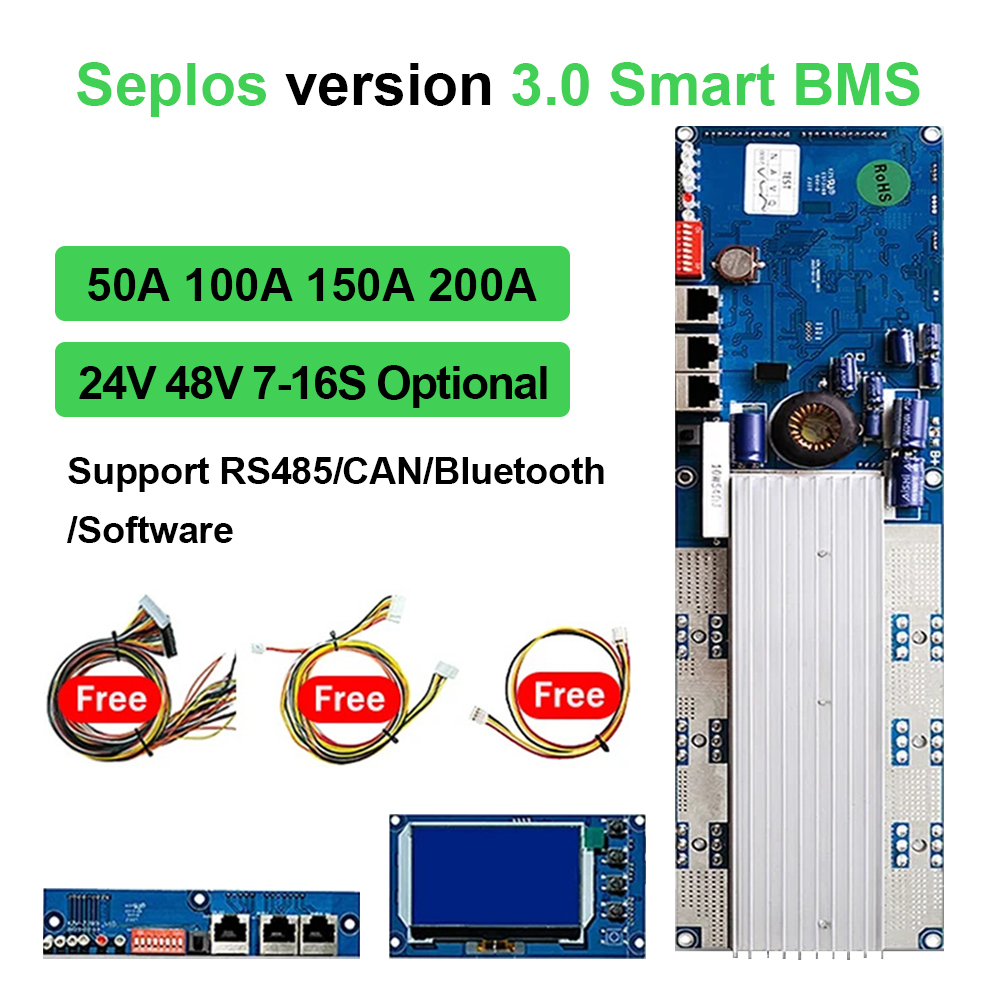
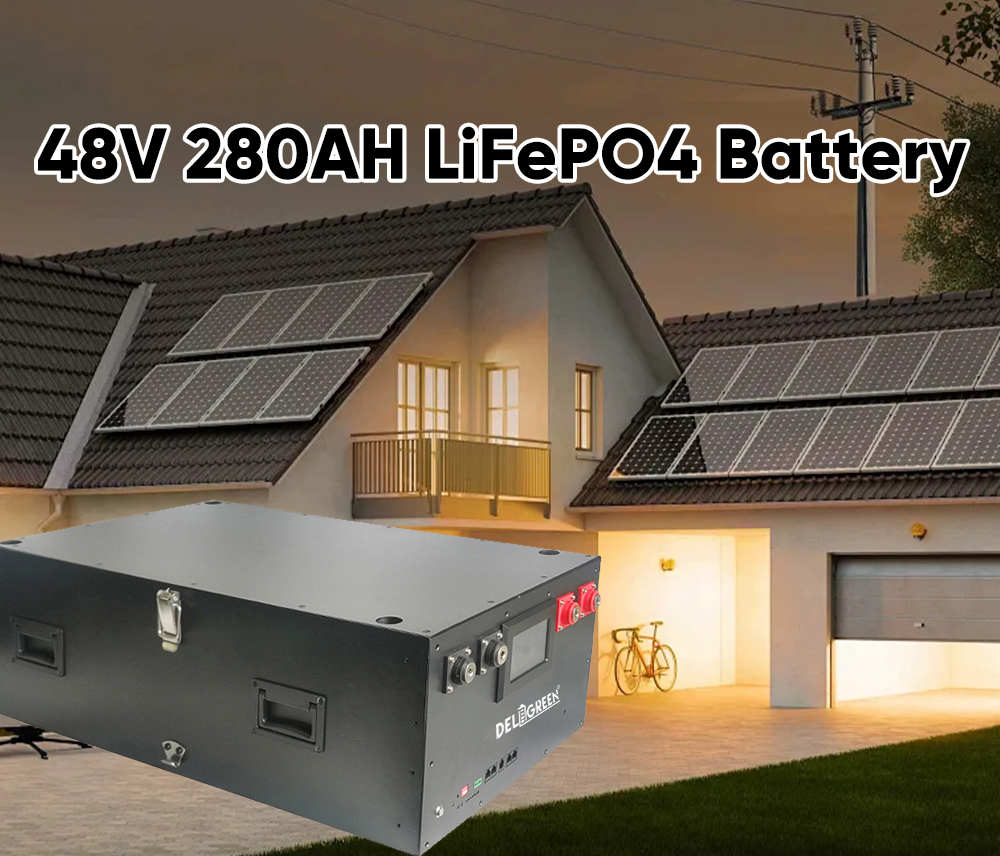
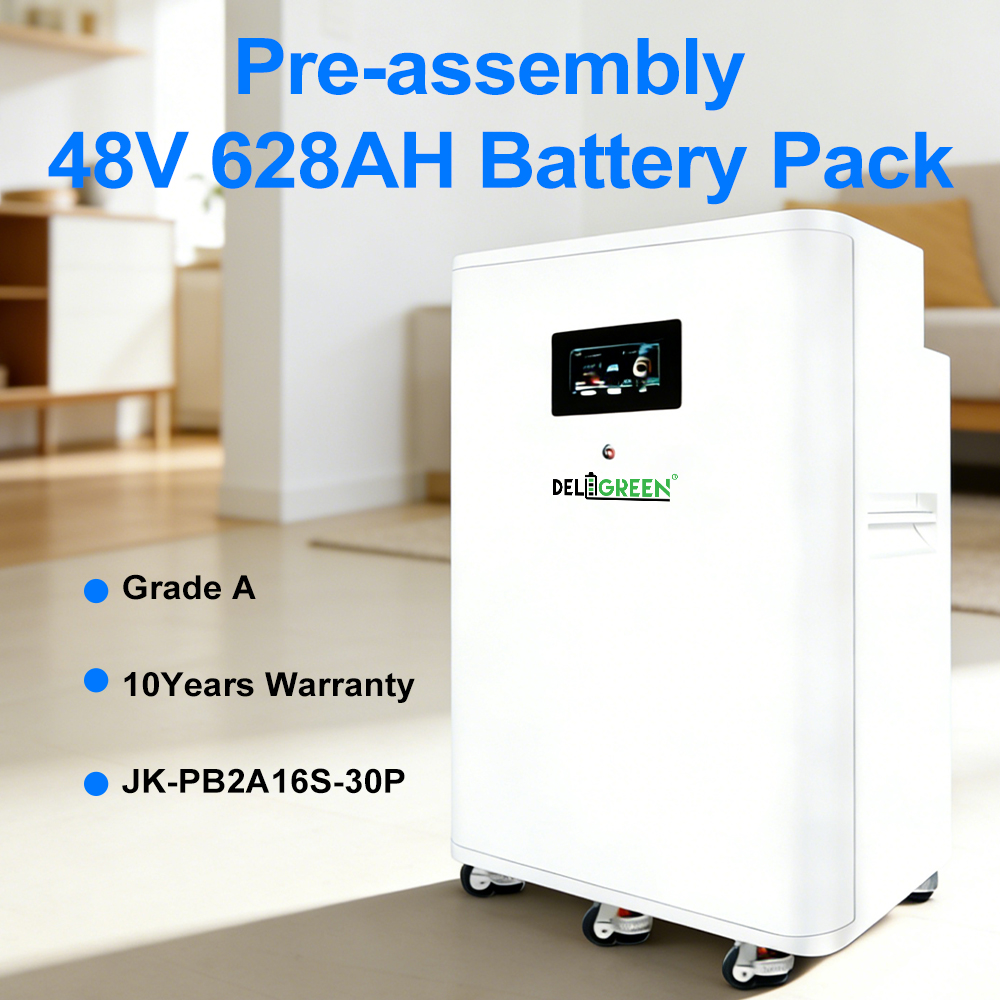
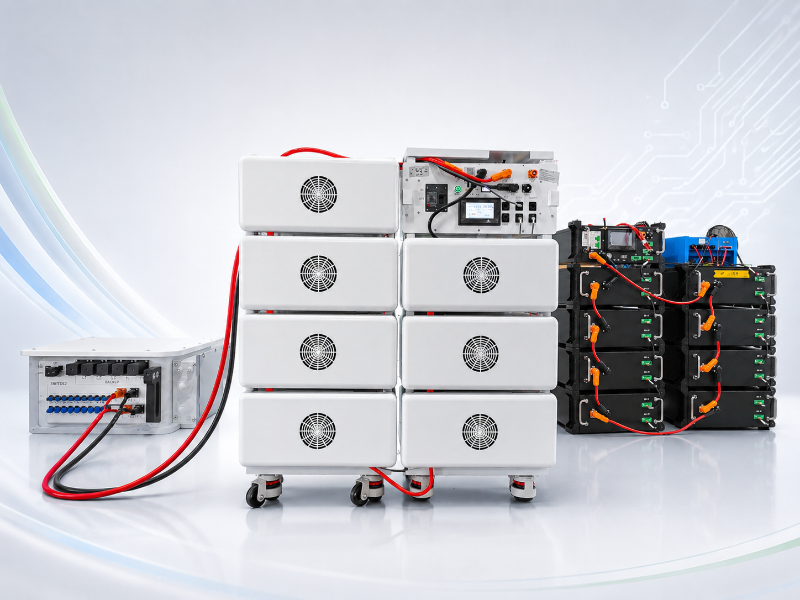
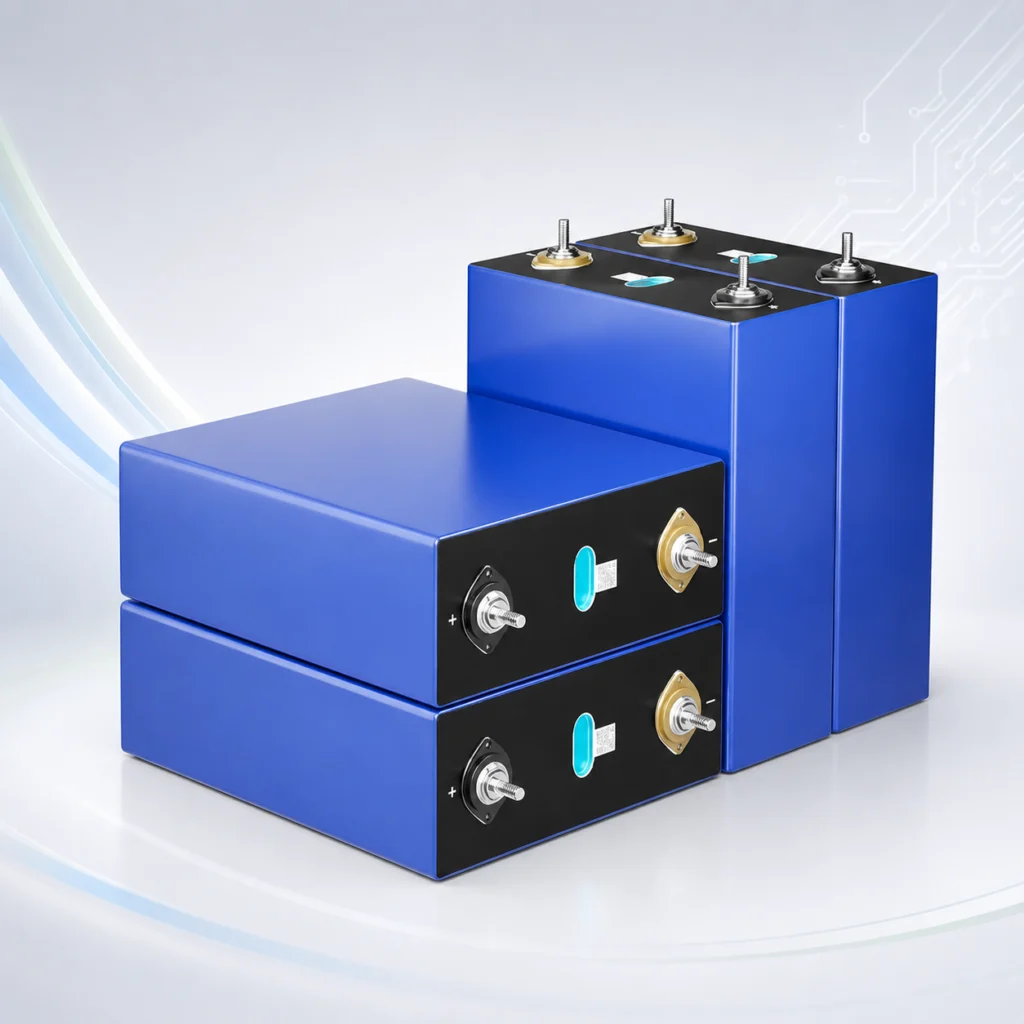
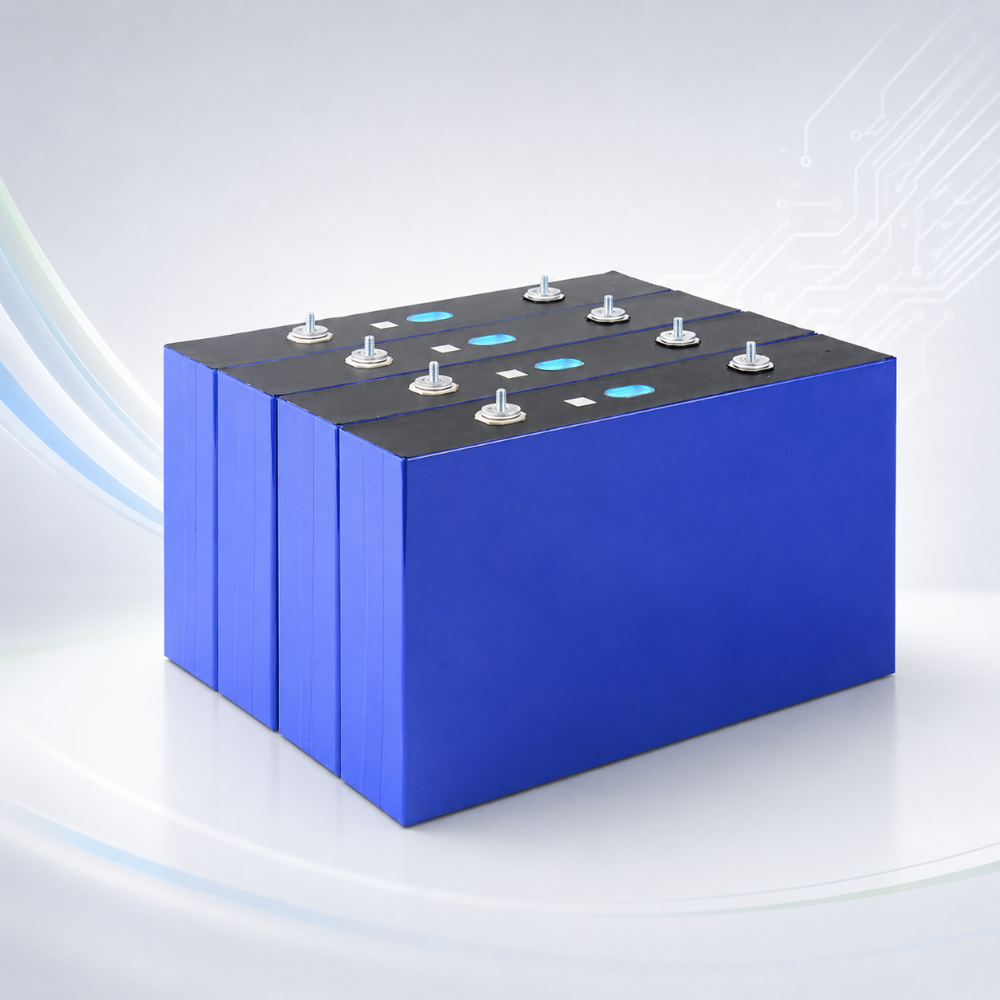
With the growing demand for residential energy storage, solar power systems, commercial and industrial energy storage, and backup power supplies, choosing a reliable LiFePO4 battery manufacturer has become increasingly important. Buyers need to evaluate product quality, production capacity, technical support, pricing, and after-sales service. A reliable manufacturer can provide suitable battery specifications, including capacity, voltage, and battery management system (BMS) options. For businesses that require a stable long-term supply, choosing the right supplier also helps reduce purchasing risks and ensure reliable project delivery.
What Should You Look for in a LiFePO4 Battery Manufacturer?
When choosing a LiFePO4 battery manufacturer, check its production experience, product range, quality management procedures, and customer service capabilities. Manufacturers with stable production capacity can usually provide clear product datasheets, test reports, and purchasing support, helping buyers determine whether a battery meets their requirements. Buyers should also confirm whether the manufacturer produces individual cells, battery modules, or complete battery packs, as each product type has different technical requirements and support needs. For residential and commercial energy storage projects, experience with inverter compatibility, system communication, and battery configuration can also affect performance. Do not rely solely on website descriptions. Review product documentation, test samples, assess factory capabilities, and check customer feedback before making a decision.
How Can You Evaluate the Quality of LiFePO4 Batteries?
Product quality directly affects battery safety, stability, and service life. Buyers should check cell sourcing, capacity consistency, charging and discharging performance, BMS protection functions, and factory inspection procedures. Reliable manufacturers can usually provide technical documentation for specific models, including nominal voltage, capacity, continuous charging and discharging current, operating temperature range, and cycle life test conditions. Since manufacturers may use different testing standards, compare cycle life data based on test temperature, charge and discharge rates, and capacity retention. Do not judge quality by advertised cycle counts alone. For export projects, confirm that the required certifications and compliance documents apply to the target market and cover the exact models being purchased.
When evaluating battery quality, check the following:
- Cell quality: Review cell brands, model numbers, capacity testing, and batch consistency management.
- BMS protection: Confirm protection against overcharging, over-discharging, overcurrent, short circuits, and abnormal temperatures.
- Test reports: Check whether capacity, charging and discharging performance, and safety test reports match the actual products.
- Product certifications: Verify relevant certifications and transportation documents according to the destination market and application.
- Sample testing: Test battery performance, connections, and equipment compatibility before placing a bulk order.
What Production and Customization Capabilities Should a Manufacturer Offer?
Different customers have different battery requirements, so a manufacturer’s ability to provide suitable configurations is important. Common LiFePO4 battery products include 12.8V, 25.6V, and 51.2V battery packs, with different capacities, enclosure designs, and communication options. Residential energy storage batteries must be compatible with inverters and meet installation space and daily charging and discharging requirements. Commercial and industrial energy storage projects place greater emphasis on capacity, continuous power output, system expansion, and centralized monitoring. Manufacturers with product development and customization capabilities can offer different capacities, voltages, dimensions, terminal types, communication interfaces, and enclosure designs. Before purchasing, clarify the available customization services, development lead times, minimum order quantities, sample costs, and mass production schedules. This helps prevent incompatibility between the battery and the intended equipment.
How Should You Compare Manufacturer Prices and After-Sales Services?
LiFePO4 battery prices depend on cell costs, battery capacity, BMS configuration, enclosure materials, order quantity, and shipping methods. When comparing supplier quotations, make sure the product specifications and configurations are equivalent. The lowest unit price does not necessarily represent the best value. A complete quotation should specify the battery model, rated capacity, voltage, protection functions, accessories, packaging, delivery schedule, and payment terms. For bulk purchases, buyers should also understand order change procedures, product acceptance standards, and processes for handling defective products.
After-sales service is equally important. Check the warranty period, technical support, troubleshooting procedures, repair or replacement policies, and availability of remote communication configuration support. International buyers should also confirm shipping arrangements, export documentation, and communication channels for after-sales assistance. These details help reduce potential problems during cross-border purchasing and long-term operation.
How Can You Shortlist LiFePO4 Battery Manufacturers Before Purchasing?
Defining your application and technical requirements in advance makes it easier to identify suitable LiFePO4 battery manufacturers. Contact several suppliers and request quotations and technical documents for the same specifications. Then compare product quality, production capacity, delivery schedules, and after-sales support. For long-term partnerships or large-volume orders, consider sample testing or factory audits to verify product performance and manufacturing standards.
Use the following steps to evaluate potential suppliers:
- Define requirements: Determine the battery application, capacity, voltage, installation method, and order quantity.
- Collect documentation: Request product datasheets, test reports, certification documents, and warranty terms.
- Compare quotations: Compare unit prices, accessories, shipping costs, and delivery conditions for equivalent specifications.
- Test samples: Check actual capacity, charging and discharging performance, protection functions, and equipment compatibility.
- Evaluate long-term cooperation: Assess supply stability, technical response times, and after-sales service capabilities.
When choosing a LiFePO4 battery manufacturer, evaluate product quality, technical capabilities, pricing transparency, and after-sales support together. Verifying company credentials, comparing product documentation, testing samples, and clarifying contract terms can reduce purchasing risks and help you find a suitable supplier for residential energy storage, commercial and industrial energy storage, and backup power projects.