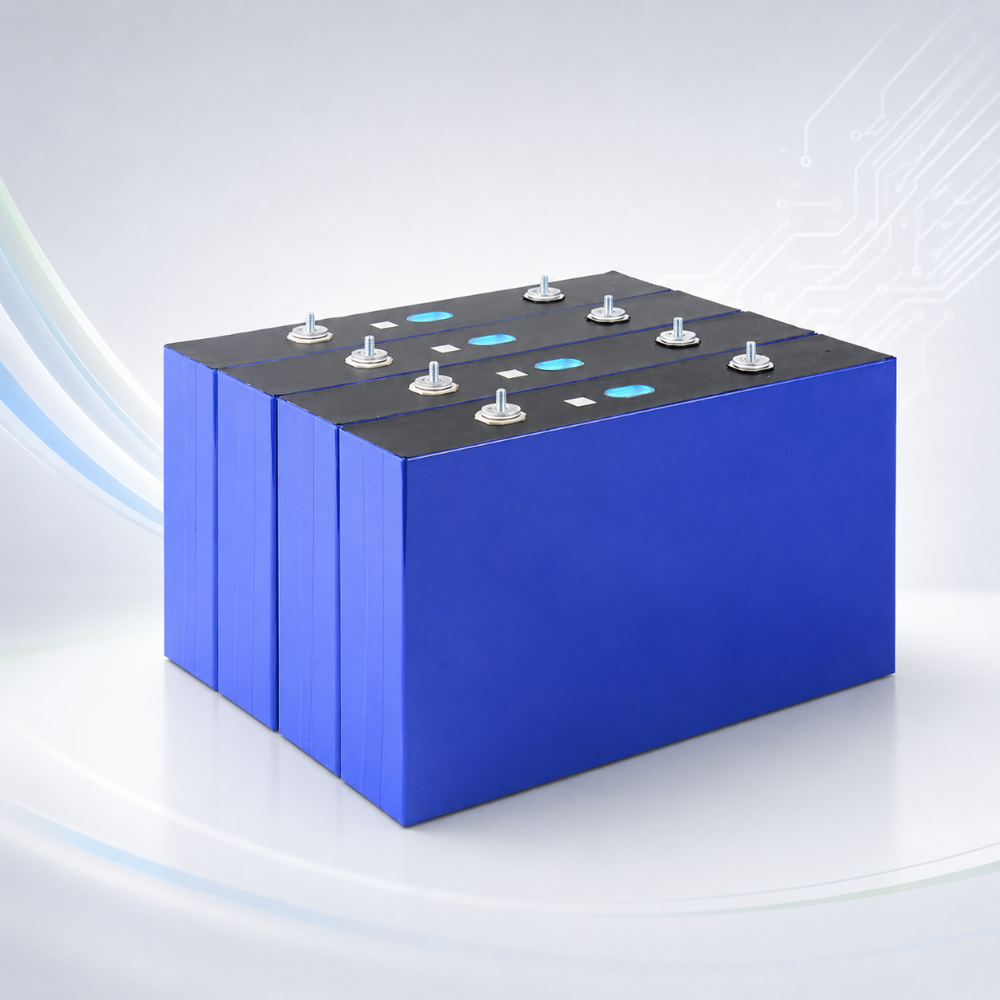
Deep-cycle lithium batteries require frequent charging and discharging, and during long-term operation, they are affected by ambient temperature, current levels, charging and discharging rates, and load changes. Excessively high or low temperatures may alter the rate of electrochemical reactions inside the cells, thereby affecting charging and discharging efficiency, capacity retention, and service life. Therefore, temperature protection is one of the important functions of the Battery Management System (BMS) in deep-cycle lithium batteries. Common temperature protection functions include high-temperature charging protection, high-temperature discharging protection, low-temperature charging protection, and low-temperature discharging protection. The specific thresholds are determined by the cell type, BMS settings, and manufacturer specifications.
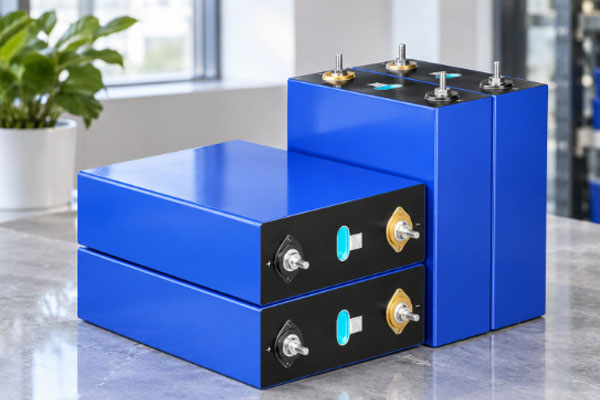
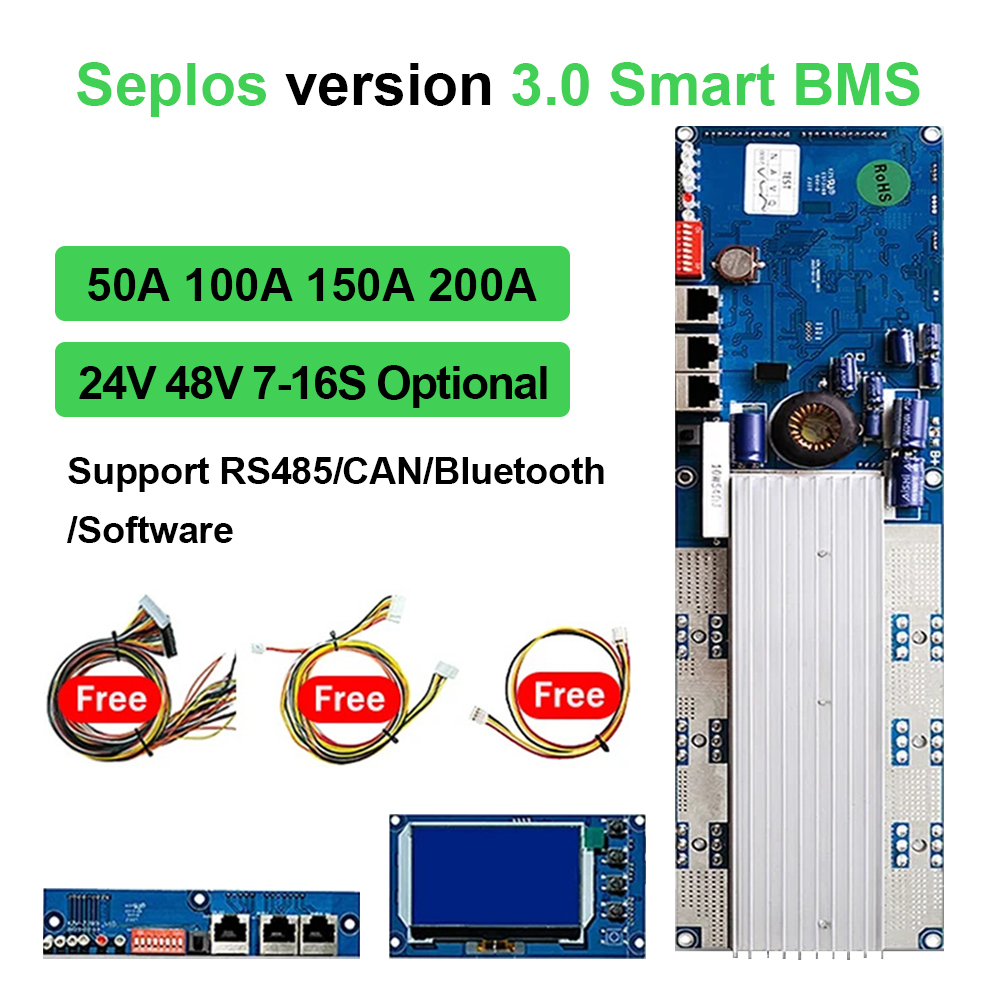
The temperature protection function of a deep-cycle lithium battery continuously monitors the temperature of the cells or battery pack through temperature sensors. When the detected temperature reaches a preset protection range, the BMS can limit or stop charging or discharging, and release the protection once the temperature returns to the permitted range. For energy storage batteries, RV batteries, electric vehicle batteries, and batteries used in industrial equipment, temperature protection can reduce the risks caused by continued operation under abnormal temperature conditions. Especially in large-capacity battery packs, temperature monitoring needs to work together with overcurrent, overvoltage, undervoltage, and other protection functions to better maintain stable battery operation.
Main Functions of Temperature Protection for Deep-Cycle Lithium Batteries
Prevent Abnormal Conditions Caused by High-Temperature Charging and Discharging
Lithium batteries generate a certain amount of heat during operation, and higher charging and discharging currents generally produce more noticeable heat. When the internal battery temperature exceeds the operating range specified by the manufacturer, continued charging or discharging may accelerate cell aging and affect capacity retention. Temperature protection allows the BMS to obtain temperature data in real time. When the temperature reaches the preset high-temperature threshold, the system can take measures such as stopping charging, stopping discharging, or reducing the current, preventing the battery from continuing to operate under abnormal thermal conditions.
Common protection functions include:
High-temperature charging protection: Pauses or limits charging when the battery temperature is too high.
High-temperature discharging protection: Stops output when the discharge temperature reaches the protection threshold.
Temperature recovery protection: Restores operation according to the BMS settings after the temperature returns to the specified range.
Reduce Risks Associated with Low-Temperature Charging
For certain lithium cells, charging at low temperatures may increase the risk of lithium plating. Therefore, many deep-cycle lithium batteries are equipped with low-temperature charging protection. When the BMS detects that the temperature is below the permitted charging range, it can temporarily prohibit charging. Some batteries are also equipped with a heating function, allowing charging to resume after the cells reach a suitable temperature. It should be noted that low-temperature discharging and low-temperature charging are not exactly the same condition. Some batteries can discharge at relatively low temperatures, while their permitted charging temperature range may be more restrictive. Therefore, these two temperature ranges should be confirmed separately when reviewing product specifications.
How Does the BMS Implement Temperature Protection?
Temperature Sensors Perform Real-Time Monitoring
Deep-cycle lithium batteries are usually equipped with NTC and other temperature-sensing components to collect the temperature of the cells, battery pack, or key locations. The BMS uses the data provided by the sensors to determine whether the current temperature is within the normal operating range. If multiple temperature detection points are installed inside the battery pack, the BMS can obtain more comprehensive temperature information. For large-capacity battery packs, this design helps identify localized temperature increases rather than relying only on temperature data from a single location.
Protection Thresholds Need to Correspond to Cell Specifications
Different cell chemistries, such as lithium iron phosphate and ternary lithium, may have different recommended operating temperatures and charging limitations. Therefore, to determine whether the temperature protection function of a battery is appropriate, check the following information provided by the manufacturer: charging temperature range; discharging temperature range; high-temperature protection threshold; low-temperature protection threshold; protection release conditions; and the number and locations of BMS temperature detection points. If a product only states that it “supports high- and low-temperature protection” without specifying the operating temperature and protection parameters, further confirmation with the supplier is required during product selection.
Relationship Between Temperature Protection and Battery Service Life
Reduce Continuous Operation Under Abnormal Temperature Conditions
Deep-cycle lithium batteries typically undergo repeated charging and discharging, meaning that the cells experience many operating cycles. Long-term exposure to excessively high temperatures may accelerate the aging of internal battery materials, causing capacity to gradually decline. Temperature protection can promptly limit operation when abnormal temperatures occur, helping prevent the battery from continuing high-load charging and discharging. It cannot prevent all capacity degradation, but it can reduce some of the effects caused by operation under abnormal temperature conditions. For energy storage systems, RV batteries, and electric equipment, if the equipment operates in a high-temperature environment for extended periods, the installation location, heat dissipation conditions, and load current should also be considered. Relying solely on BMS temperature protection cannot replace proper battery thermal management design.
Proper Use Is Required in Low-Temperature Environments
At low temperatures, the rate of electrochemical reactions in lithium batteries decreases, while internal resistance may increase. Actual usable capacity and output capability may also be affected. If the battery has low-temperature charging protection, charging can be paused when the temperature falls below the permitted range, preventing charging from continuing under unsuitable temperature conditions. For deep-cycle lithium batteries that need to operate in cold environments, it is also advisable to confirm whether the product has a low-temperature heating function, heating power, and automatic heating control function.
Frequently Asked Questions
Q: If a deep-cycle lithium battery has temperature protection, is heat dissipation no longer necessary?
A: No. Temperature protection is a safety control function used under abnormal conditions, while heat dissipation is a thermal management measure for normal operation. When operating continuously at high current, the battery itself generates heat, so adequate installation space and heat dissipation conditions are still required.
Q: Does low-temperature protection mean that the battery cannot be used in low-temperature environments?
A: Not necessarily. Low-temperature protection usually applies to specific charging or discharging conditions. Different cells have different permitted operating temperatures. Some batteries can discharge in low-temperature environments but cannot be charged at the same temperature. The specific requirements need to be checked in the temperature specifications provided by the manufacturer.
Q: What happens when the temperature reaches the protection threshold?
A: The BMS normally performs the corresponding protection action. Depending on the specific settings, the system may stop charging, stop discharging, or limit the current. After the temperature returns to the specified range, some BMS units can automatically resume operation, while some products may require a restart or confirmation of other conditions.
Q: How can I confirm the temperature protection function when purchasing a deep-cycle lithium battery?
A: Do not only check whether the product “supports temperature protection.” It is recommended to confirm the charging temperature range, discharging temperature range, high- and low-temperature protection thresholds, recovery conditions, number of temperature sensors, and whether low-temperature heating is supported. If the battery is used for energy storage, vehicles, or industrial equipment, also confirm whether the actual operating environment falls within the temperature range specified for the battery.
The temperature protection function of a deep-cycle lithium battery is mainly used to monitor the operating temperature of the battery and take corresponding control measures when high or low temperatures reach preset conditions. High-temperature protection can reduce continued charging and discharging under abnormal temperature conditions, while low-temperature charging protection can prevent charging under unsuitable temperature conditions. The BMS obtains data through temperature sensors and then performs protection based on preset thresholds, making it an important part of the overall battery management process.
When selecting a deep-cycle lithium battery, it is not enough to confirm only whether the product has temperature protection. The specific temperature parameters and protection principles should also be reviewed. For batteries used for long-term charging and discharging, particular attention should be paid to the operating environment, charging temperature, discharging temperature, BMS protection values, and whether low-temperature heating is available. Only when these parameters are compatible with the actual equipment and operating environment can the temperature protection function perform its intended role.