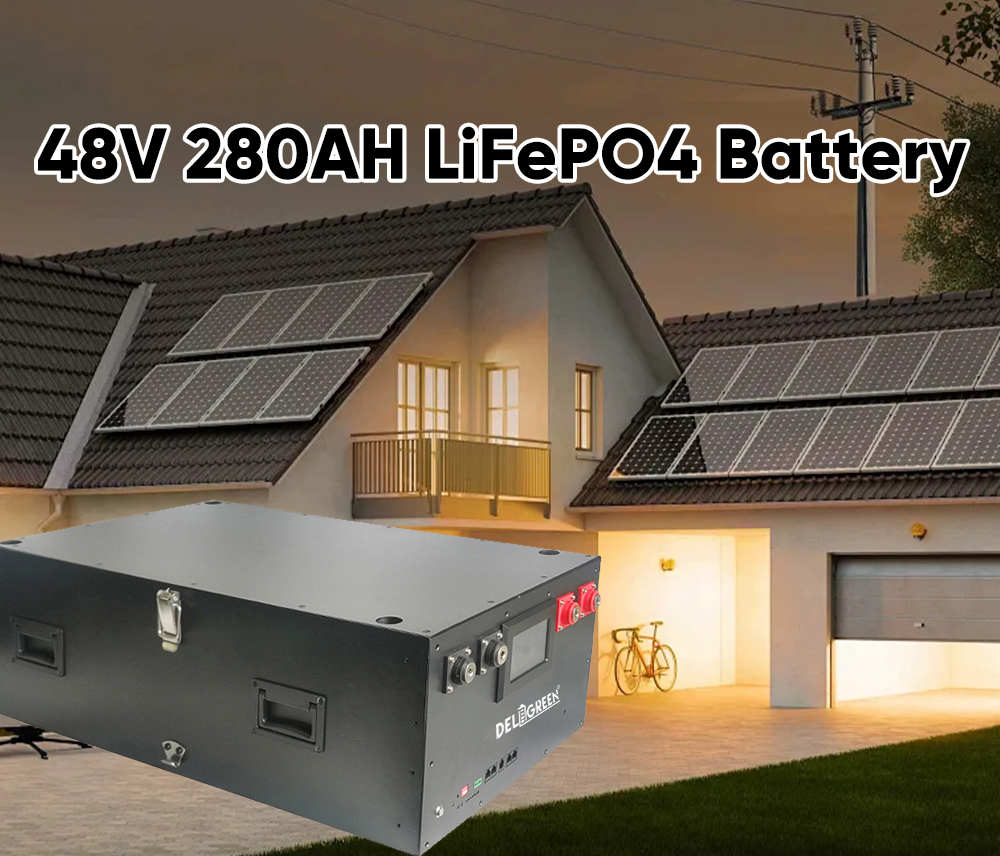
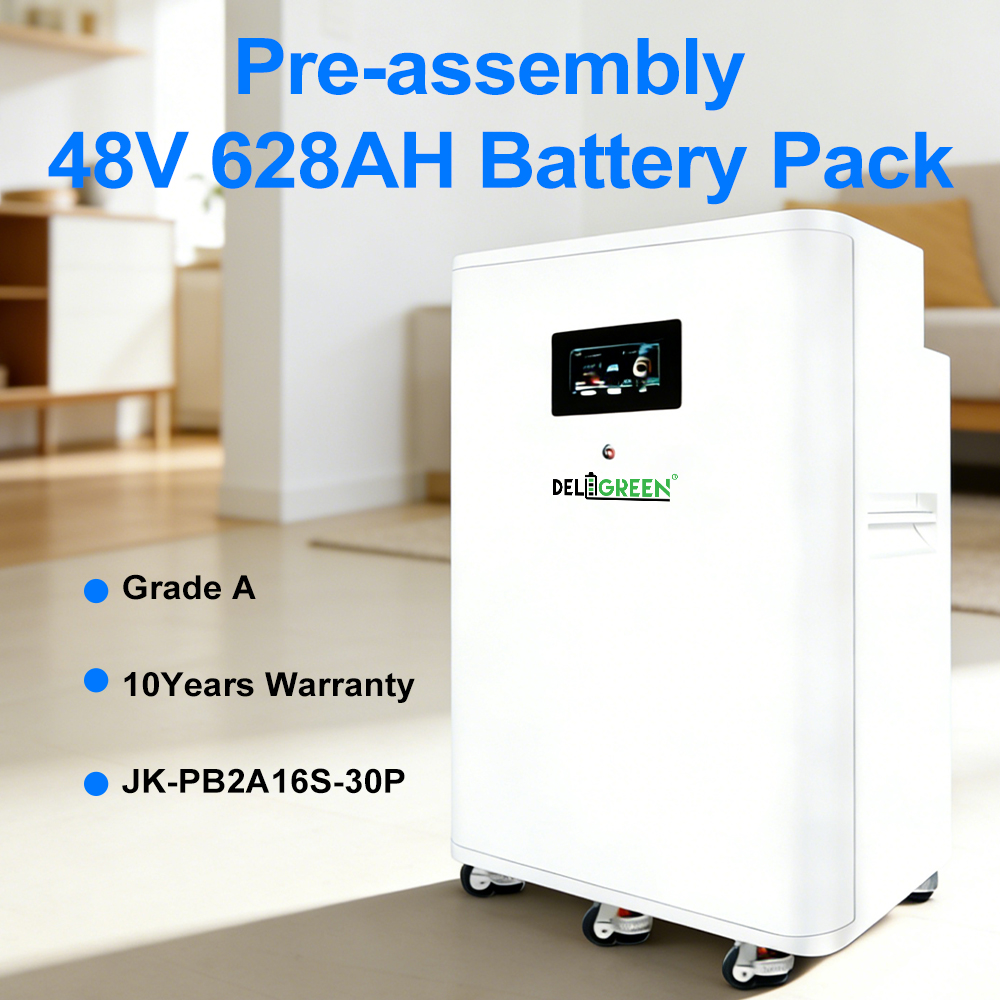
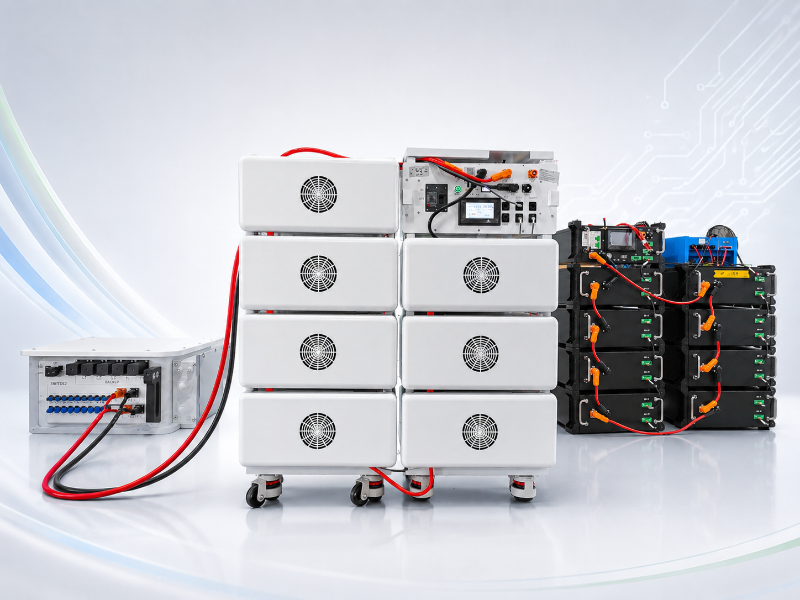
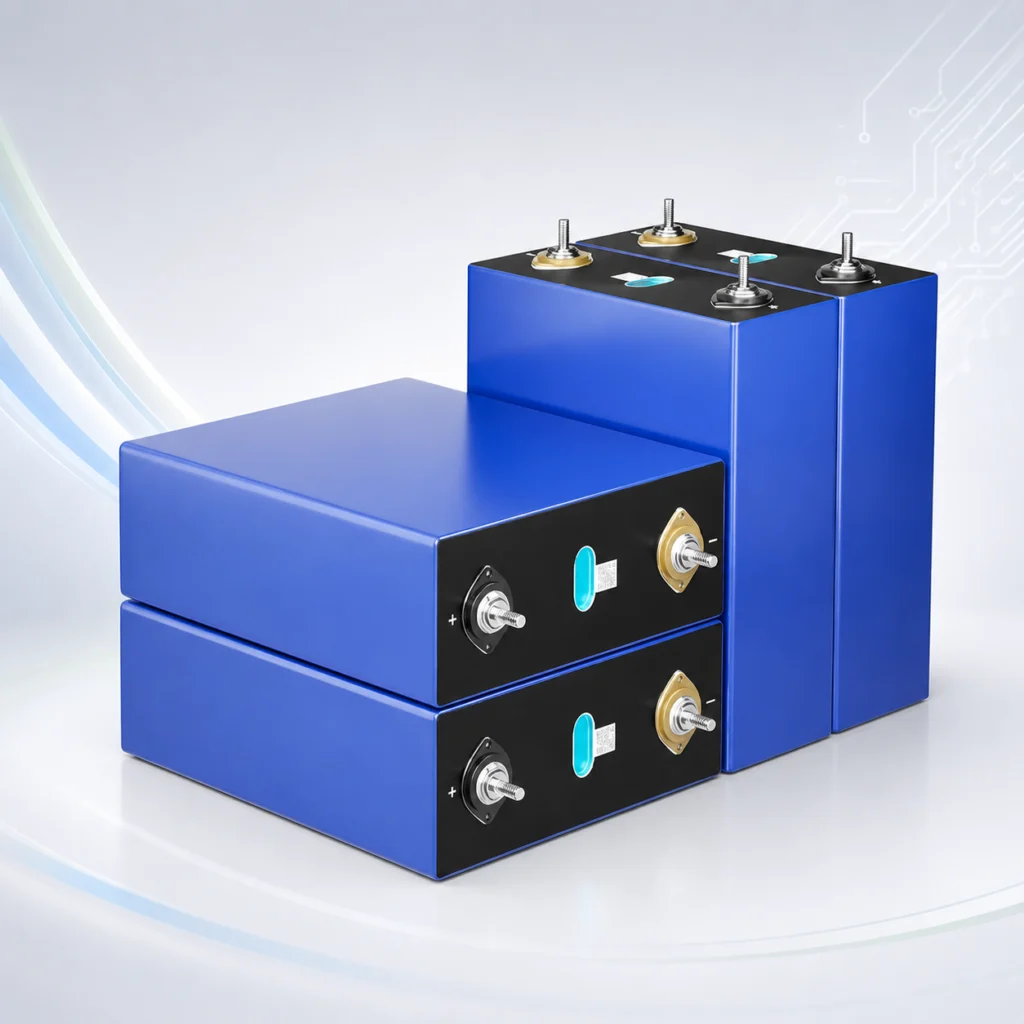
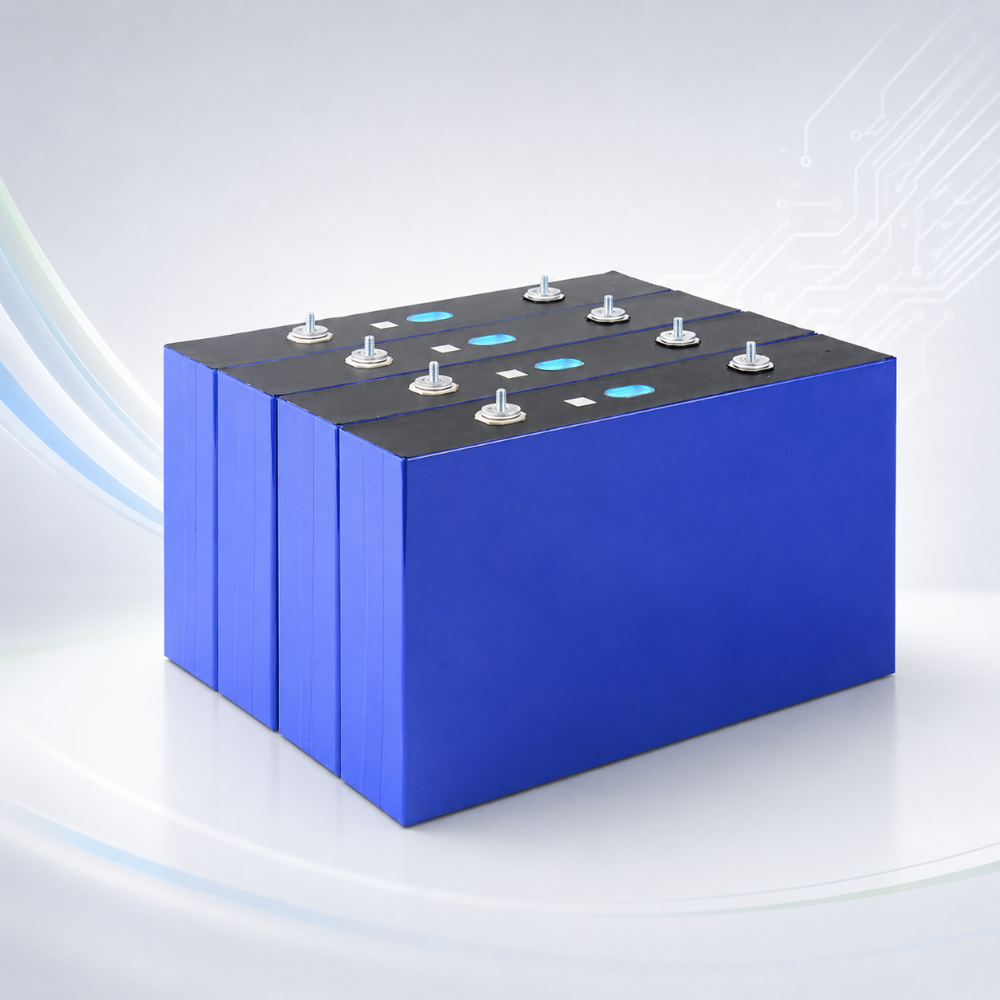
Battery packs provide continuous power for new energy vehicles, energy storage equipment, industrial equipment, and electronic products. They typically consist of multiple cells, interconnection structures, protection components, and management systems. A short circuit is an abnormal condition that requires particular attention in battery systems. Its impact is closely related to the short-circuit location, current level, duration, and cell condition. For equipment manufacturers, battery purchasers, and operating companies, understanding how short circuits form and how their risks develop can help improve product design and operational management.
What Direct Hazards Can a Battery Pack Short Circuit Cause?
After a short circuit occurs, an abnormal conductive path may cause the current to rise rapidly and create a high thermal load in a localized area. External and internal short circuits occur in different locations and can produce different hazards.
External Short Circuits May Cause High-Current Heating
External short circuits generally occur along conductive paths outside the cells, such as when the positive and negative terminals become abnormally connected through wiring, metal components, or other conductors.
- Short-circuit current may increase rapidly within a short period.
- Wiring, connectors, and interfaces may experience significant heating.
- In severe cases, connectors may burn or become damaged, insulation may fail, and localized melting may occur.
When protection devices can detect and disconnect the abnormal circuit promptly, heat accumulation caused by prolonged current flow can be reduced.
Internal Short Circuits Can Directly Affect Cell Safety
An internal short circuit occurs inside a cell, forming an abnormal conductive path between the positive and negative electrodes. Its potential hazard is generally greater than that of an ordinary external short circuit.
- Formation of an abnormal conductive path: Separator damage, manufacturing defects, metal contamination, and mechanical damage may cause abnormal conduction between the positive and negative electrodes.
- Generation of localized Joule heat: Short-circuit current concentrated inside the cell may cause a rapid local temperature increase.
- Limitations of external protection: External disconnect devices mainly interrupt the battery pack’s external output and cannot directly eliminate an internal short circuit that has already formed inside a cell.
- Potential for further development: Continued internal temperature rise may trigger more severe side reactions and thermal runaway.
Preventing internal short circuits requires source-level control through cell manufacturing quality, separator protection, and structural safeguards.
What Safety Risks Can a Battery Pack Short Circuit Create?
The heat generated by a short circuit can alter the internal operating condition of a cell and, under certain conditions, allow a localized abnormality to develop into a more serious safety event.
Short-Circuit Heating May Further Trigger Thermal Runaway
When heat generated inside a cell cannot be dissipated effectively, the cell temperature may continue to rise.
- High temperatures may accelerate side reactions between the electrolyte and electrodes.
- The separator may shrink or fail under high temperatures, potentially expanding the internal short circuit.
- Continued heat accumulation may lead to uncontrollable self-heating, accompanied by gas generation, venting, or fire.
A short circuit and thermal runaway are not exactly the same phenomenon. A short circuit is one possible local heat source that may contribute to a subsequent failure process under certain conditions.
Severe Faults May Cause Equipment Shutdown and Mission Interruption
After short-circuit protection is activated, a battery pack may enter current-limiting, power-off, or fault-lockout states. For drones, electric vehicles, energy storage equipment, and industrial systems, an interruption in power supply may suspend tasks, shut down equipment, or cause abnormal operation. Fault diagnosis, repair, and component replacement can also increase equipment downtime.
Why Do Battery Pack Short Circuits Occur?
Short-circuit causes can involve cell conditions, electrical connections, insulation structures, and the operating environment. Troubleshooting should be based on the actual location and characteristics of the fault.
Insulation Damage May Cause External Short Circuits
Cells, tabs, wiring harnesses, interfaces, and enclosures need reliable electrical isolation. If insulation is damaged, wiring becomes worn, connection positions shift, or metal components accidentally contact other conductive structures, an external short circuit may occur. Long-term vibration, compression, and assembly deviations can increase the likelihood of insulation failure.
Manufacturing Defects and Mechanical Damage May Cause Internal Short Circuits
The separator inside a cell isolates the positive and negative electrodes, and its integrity is directly related to the risk of internal short circuits.
- Separator damage: Manufacturing defects, foreign particles, burrs, misalignment, or mechanical damage may compromise separator integrity.
- Impact on internal structures: Drops, compression, collisions, or long-term mechanical stress may cause abnormalities inside the cell.
- Production-related defects: Contamination, electrode misalignment, and certain connection-process abnormalities also require strict control during manufacturing.
From materials and manufacturing to mechanical protection, each stage should reduce the possibility of an abnormal conductive path forming inside the cell.
Abnormal Charging and Discharging May Increase Internal Damage Risks
Charging and discharging conditions can also affect internal cell stability, with low-temperature charging requiring particular attention.
- Risk of high-rate charging at low temperatures: Low temperatures reduce ion transport and electrochemical reaction capability. Under inappropriate high-rate charging conditions, the risk of lithium plating on the negative electrode may increase.
- Specific risks in lithium-metal systems: In lithium-metal systems, dendrite growth may further penetrate the separator and form an abnormal internal conductive path.
- Avoiding a common misconception: Low temperature itself does not directly cause electrodes to “grow burrs.” The key concern is the relationship between low-temperature charging conditions and electrochemical processes such as lithium plating.
Properly controlling charging and discharging conditions can help reduce the impact of abnormal electrochemical reactions on cell structures.
How Can the Risks of Battery Pack Short Circuits Be Reduced?
Short-circuit protection needs to cover cells, structural design, electrical protection, and thermal management, with different control methods used for external circuit faults and internal cell faults.
Establish an External Short-Circuit Protection Mechanism
For external short circuits, multiple layers of electrical protection can be used to reduce the duration of abnormal high current.
- Configure suitable fuses and circuit protection according to battery pack parameters.
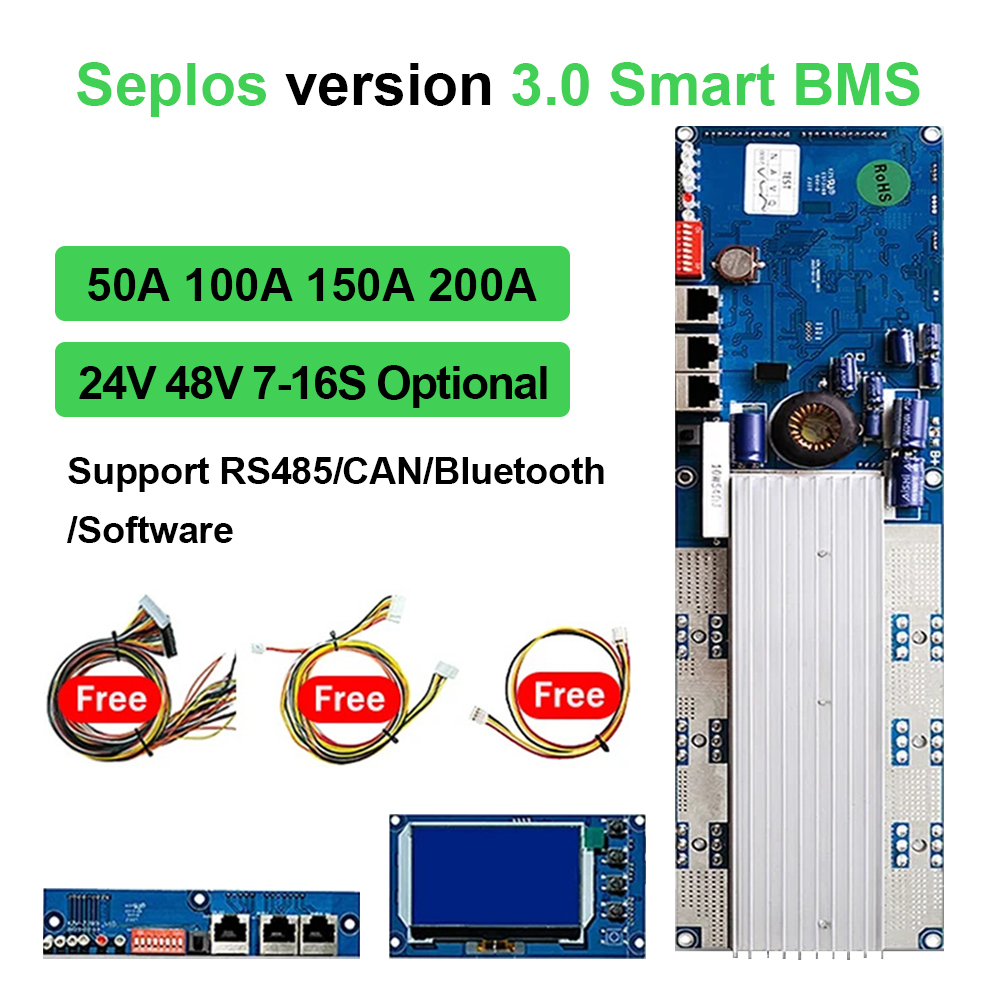
- Use the BMS to continuously monitor current, voltage, temperature, and other operating conditions.
- When abnormal current is detected, promptly limit the current or disconnect the external circuit according to the system strategy.
These measures are mainly used to control external electrical circuit abnormalities and cannot replace internal cell safety design.
Strengthen Internal Short-Circuit Prevention and Structural Protection
Once an internal short circuit occurs, an external circuit breaker or BMS cannot simply treat it as an external circuit fault and disconnect it. Cell manufacturing quality, separator integrity, foreign-particle control, mechanical protection, and insulation structures must be strengthened together. Battery pack design should also reduce the impact of collisions, compression, and long-term vibration on cells, while appropriate thermal management can help limit the further expansion of localized temperature rises.
Strengthen Production Testing and Operational Maintenance
Battery pack safety management should cover production, delivery, and use. Appropriate action should be taken promptly when abnormalities are identified.
- Production testing requirements: Conduct electrical connection, insulation, temperature-rise, protection-function, and other necessary safety tests based on the product structure.
- Key points during use: Pay attention to abnormal heating, unusual odors, deformation, voltage abnormalities, and frequent protection alarms.
- Response to abnormalities: Stop using the battery pack when obvious abnormalities are found and have it inspected by qualified professionals.
- Preventing risk escalation: Do not continue charging or discharging before the cause of the fault has been identified and properly addressed.
Standardized testing and maintenance can help companies identify abnormalities earlier and reduce the possibility of fault escalation.
Battery pack short circuits involve multiple factors, including electrical circuits, cell structures, and thermal safety, while the level of risk depends on the fault location and how the condition develops. External short circuits can be controlled through fuses, circuit protection, and BMS strategies to reduce abnormal current duration, while internal short circuits rely more heavily on cell manufacturing quality, separator integrity, and structural protection. For battery manufacturers, equipment companies, and purchasers, detection, protection, and maintenance mechanisms should be established according to different operating conditions, while reliable battery pack technology can further strengthen overall system safety management.