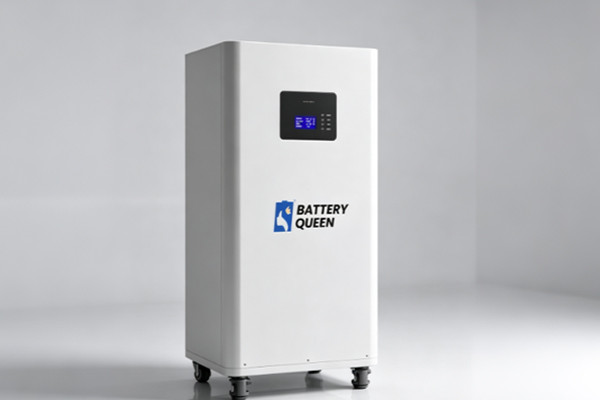
Hotels typically operate around the clock, creating continuous electricity demand from guest room lighting, central air conditioning, elevators, catering equipment, hot water systems, laundry facilities, and communication infrastructure. During peak tourist seasons, holidays, and large events, higher occupancy rates can increase electricity consumption in guest rooms and public areas. Traditional power supply methods may be affected by peak demand, simultaneous equipment operation, and electricity price fluctuations. Hotels therefore need more flexible energy solutions to improve electricity efficiency.
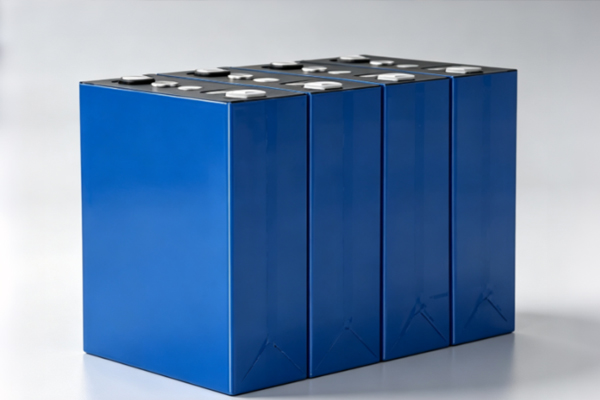
A high-efficiency energy storage power solution uses LiFePO4 batteries as its core and integrates power conversion systems, energy management systems, intelligent distribution equipment, and monitoring platforms. The system stores electricity during suitable periods, releases power when loads increase, and adjusts energy distribution according to actual hotel requirements. Compared with a conventional backup power supply, a high-efficiency energy storage system can provide emergency power support while also participating in daily electricity scheduling, peak load management, and renewable energy utilization.
Advantages and Configuration Design of High-Efficiency Energy Storage Power for Hotels
A hotel energy storage power system needs to be designed according to the building’s electricity consumption characteristics. LiFePO4 batteries store electrical energy, the PCS converts DC and AC power, the BMS monitors battery operating conditions, and the EMS controls the energy storage system according to load changes. Through coordinated operation, hotels can make better use of stored electricity and reduce unnecessary energy losses.
Key Advantages of High-Efficiency Energy Storage Power for Hotels
High-efficiency energy storage power systems can adapt to hotel loads that fluctuate significantly and operate for extended periods. With properly selected LiFePO4 battery capacity and system power, the storage system can charge during low-load periods and provide supplementary electricity during peak demand. For hotels equipped with photovoltaic systems, energy storage batteries can also store surplus solar energy that cannot be consumed immediately.
The main benefits include:
- Improved energy utilization: Stores electricity during low-load periods and releases it when appropriate.
- Reduced peak demand impact: Provides supplementary power when air conditioning, kitchen equipment, and public facilities operate simultaneously.
- Greater power supply flexibility: Adjusts energy scheduling strategies according to electricity demand in different hotel areas.
- Improved solar energy utilization: Stores surplus daytime solar power for nighttime use or periods of limited sunlight.
- Enhanced backup power capability: Provides short-term or designated-duration power support for selected critical equipment.
- Convenient remote management: Allows users to monitor battery capacity, charging and discharging power, and equipment alarms.
- Future expansion support: Modular designs allow additional energy storage modules to be installed as hotel operations develop.
These advantages help hotels gradually move from a single grid-based power supply model toward a more flexible integrated energy system.
How to Use High-Efficiency Energy Storage Power in Hotels
Before commissioning the energy storage system, planning should consider the hotel building area, number of guest rooms, equipment operating hours, peak loads, and average daily electricity consumption. Designers should distinguish between ordinary and critical loads and determine battery capacity, inverter power, backup energy, and charging and discharging strategies according to actual requirements. After installation and commissioning, managers can use the EMS to configure charging schedules, discharging schedules, SOC limits, and load priorities.
During daily operation, the energy storage system can charge during periods with lower electricity prices or reduced demand and release power when hotel electricity consumption increases. Managers should continuously monitor battery SOC, temperature, charging and discharging current, and equipment operating status. The battery should not remain in an unsuitable state of charge for extended periods. For hotels with high air-conditioning loads during summer, energy storage capacity can be reserved in advance. During periods of low occupancy, the storage output can be adjusted according to actual demand. Operating strategies should also take grid conditions, equipment maintenance schedules, and hotel business hours into consideration.
Reference Configuration Table for High-Efficiency Hotel Energy Storage Power
Hotels have different sizes and electricity consumption requirements, so the specifications of their energy storage equipment will vary. The following table provides a preliminary configuration reference:
| Hotel Application | Battery Configuration | Supporting Equipment | Main Application | Design Focus |
| Boutique hotel | Small-capacity LiFePO4 battery | BMS, PCS, EMS | Basic load regulation | Control system size and installation cost |
| Business hotel | Medium-capacity battery | PCS, EMS, distribution cabinet | Daily energy storage and peak support | Monitor changes in weekday loads |
| Resort hotel | Medium-to-large battery | Storage cabinet, PCS, monitoring platform | Guest room and public area power support | Adapt to seasonal electricity demand |
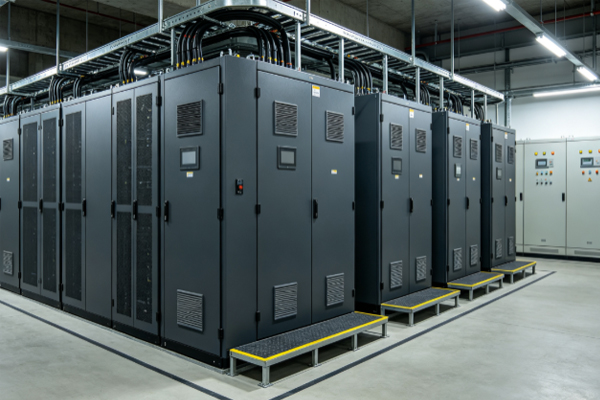
| Large integrated hotel | Large battery system | Multiple battery cabinets, PCS, EMS | Comprehensive energy management | Focus on power configuration and system coordination |
| Hotel with PV | Expandable battery system | PV modules, controller, PCS | Solar energy storage | Improve local solar energy utilization |
| Hotel requiring backup power | High-reliability storage system | BMS, PCS, distribution equipment | Critical load power supply | Reserve backup capacity and improve protection |
The final configuration should be determined by the actual load profile, required storage duration, equipment power, installation environment, and operating objectives.
Application Scenarios and Functions of High-Efficiency Hotel Energy Storage Power
Hotel energy storage power is not limited to a single electricity consumption area. Guest rooms, restaurants, conference rooms, parking areas, reception desks, and server rooms may have different load patterns. The system needs to distribute electricity according to equipment power, usage frequency, and operating schedules to prevent multiple high-power devices from operating simultaneously without proper planning. Through energy monitoring and load management, hotels can better understand electricity consumption in different areas and develop suitable storage strategies.
Energy Applications in Hotel Guest Rooms and Public Areas
Guest rooms usually include lighting, televisions, air conditioning, outlets, and hot water equipment. Public areas may contain elevators, decorative lighting, conference equipment, and central air conditioning. Changes in occupancy directly affect guest room electricity consumption, while conferences and restaurant operating hours can alter the load distribution in public areas. High-efficiency energy storage power can provide support according to load changes during different periods, helping reduce grid power demand during certain peak hours.
During nighttime hotel operations, the load of some public facilities gradually decreases, while guest room lighting, network equipment, and basic services still require continuous power. The energy storage system can adjust its output according to real-time loads while reserving necessary backup energy. For hotels with multiple buildings, different power supply priorities can also be established according to the distribution structure, improving the targeted use of stored electricity.
Applications in Catering, Conferences, and High-Power Equipment
Hotel catering areas often have concentrated electricity demand during operating hours. Induction cookers, ovens, dishwashers, refrigeration equipment, and ventilation systems in kitchens may operate simultaneously during busy periods. Conference rooms can also experience concentrated demand when lighting, audio systems, projectors, and air conditioning equipment start operating together. Energy storage power systems can prepare energy in advance according to historical consumption data and provide appropriate support when demand increases.
For high-power equipment, the energy storage system must consider more than battery capacity. The rated power of the PCS, peak output capability, and capacity of the distribution system must also be checked. Hotels can reduce short-term power surges through scheduled startup, load prioritization, and equipment operating plans. An efficient energy storage solution should coordinate with the hotel’s equipment control system to avoid operating restrictions caused by incompatible configurations.
Core Functions of High-Efficiency Hotel Energy Storage Power
Hotel energy storage systems need power conversion, energy scheduling, condition monitoring, and safety protection functions to meet long-term operating requirements. These functions should maintain effective communication and coordination.
- Bidirectional power conversion: The PCS converts DC power into AC power during discharging and AC power into DC power during charging.
- Automatic energy scheduling: The EMS develops operating strategies according to load power, electricity price periods, and battery status.
- Load priority management: Allocates stored energy according to equipment importance and prioritizes critical loads.
- Battery condition monitoring: The BMS monitors battery voltage, current, temperature, SOC, and other operating parameters.
- Charging and discharging control: Controls battery operation according to preset current, power, and SOC ranges.
- PV and storage coordination: Works with photovoltaic systems to improve local solar energy utilization.
- Remote alarm functions: Sends notifications to managers when abnormal temperature, voltage, or communication issues are detected.
These functions help hotel energy storage power systems adapt to complex commercial electricity environments and provide data for future energy management improvements.
Performance and Long-Term Design of High-Efficiency Hotel Energy Storage Power
Hotel energy storage systems often need to operate for extended periods. System performance depends not only on battery capacity but also on battery output capability, charging and discharging efficiency, thermal management, electrical connections, and control strategies. LiFePO4 batteries are suitable for cycling energy storage applications, but the actual selection should still be based on the hotel’s daily electricity consumption patterns and equipment loads. Projects that require daily charging and discharging should pay particular attention to battery cycling conditions, operating temperature, and maintenance requirements.
Performance Matching and Operating Requirements of LiFePO4 Batteries
LiFePO4 batteries used in high-efficiency hotel energy storage power systems should be properly matched with the PCS, EMS, distribution cabinet, and protection equipment. The battery’s nominal voltage should meet the system’s electrical architecture, rated capacity should satisfy the planned storage duration, and continuous discharge capability should correspond to actual hotel load power. For loads that may generate starting currents, such as central air conditioning, elevators, and kitchen equipment, peak power and PCS maximum output capability should also be considered.
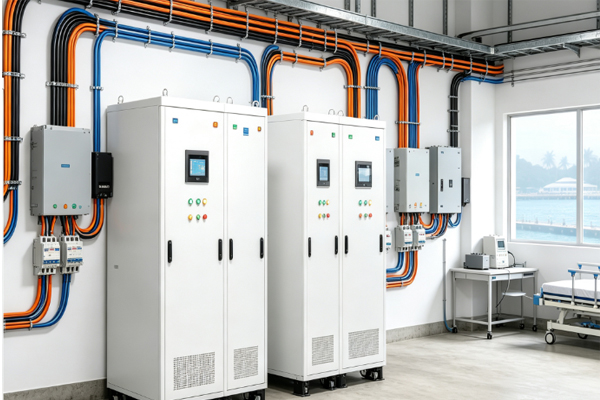
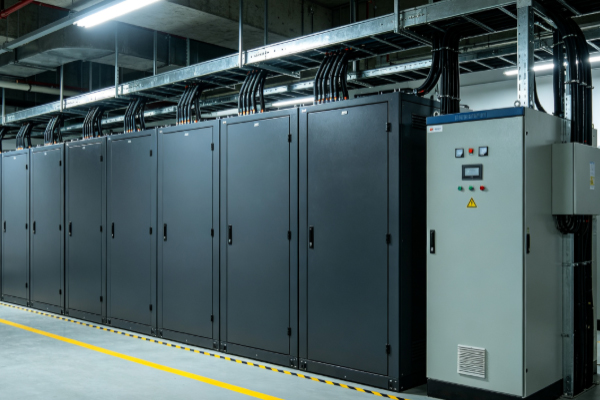
The battery cabinet installation area should provide suitable environmental conditions and be equipped with temperature monitoring, ventilation, and safety protection measures according to equipment requirements. The BMS should continuously record battery conditions and identify abnormal voltage, temperature, or current. System managers should also conduct regular inspections according to the manufacturer’s requirements, checking battery connectors, communication cables, distribution equipment, and cooling systems.
Expansion and Maintenance of Modular Energy Storage Systems
Hotel operations and energy requirements may change as guest rooms are added, facilities are renovated, or equipment is upgraded. A modular LiFePO4 energy storage system allows the hotel to install an initial capacity according to its current needs and add battery cabinets or storage modules later. For hotels carrying out energy-saving upgrades, a modular solution can reserve space for future integration with photovoltaic generation, charging facilities, and other energy equipment.
During system maintenance, operating records should be established, and battery SOC changes, charging and discharging efficiency, temperature data, and alarm information should be checked regularly. When expanding the system, the specifications, communication methods, and operating conditions of new and existing battery modules must be verified. Batteries should not be connected in parallel based only on capacity. Proper maintenance planning and standardized expansion procedures can help hotels maintain stable energy storage operation and extend the effective service life of the equipment.
A high-efficiency hotel energy storage power solution uses LiFePO4 batteries as its core and integrates PCS, BMS, EMS, and intelligent distribution equipment to provide daily energy storage, peak load regulation, photovoltaic energy utilization, and critical load backup. Through proper capacity planning, accurate load management, stable power conversion, and comprehensive monitoring and protection, hotels can establish a more flexible energy supply system. When selecting energy storage batteries, hotels should consider building size, equipment power, daily electricity consumption, backup duration, and future expansion requirements to create a high-efficiency energy storage power system suited to their operational needs.