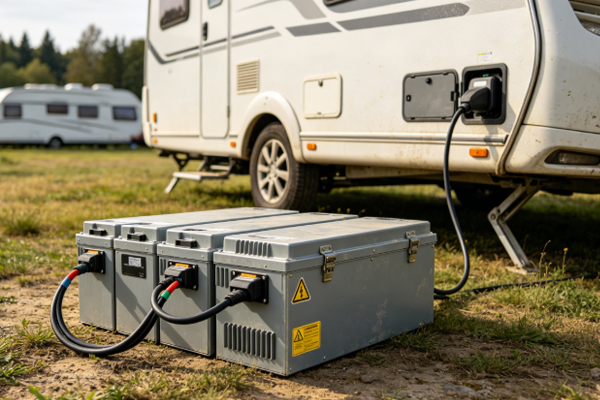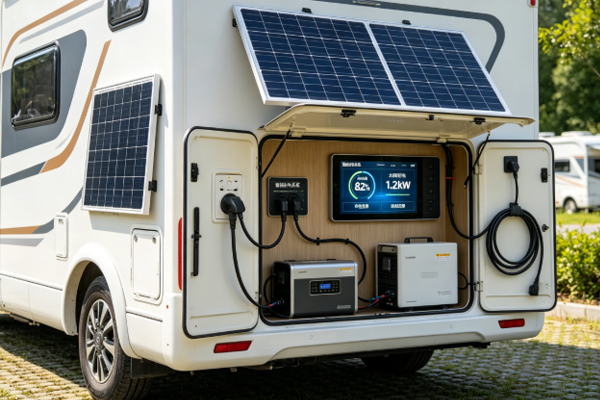
Once a robot project moves into large-scale operation, battery problems can become much more complicated than expected. If dozens of AGVs or AMRs are running at the same time, insufficient battery capacity can send robots back to charging stations too often. If the battery size or connector does not fit, installation may require rework. When it is time to reorder, differences between production batches can make maintenance even more difficult. For robot manufacturers, distributors, and overseas buyers, buying robot batteries in bulk is not simply about asking for the lowest price. Runtime, discharge capability, BMS, dimensions, communication, and long-term supply all need to be considered. LiFePO4 batteries can work well for many mobile robot applications, but the real question is whether the battery matches the equipment.
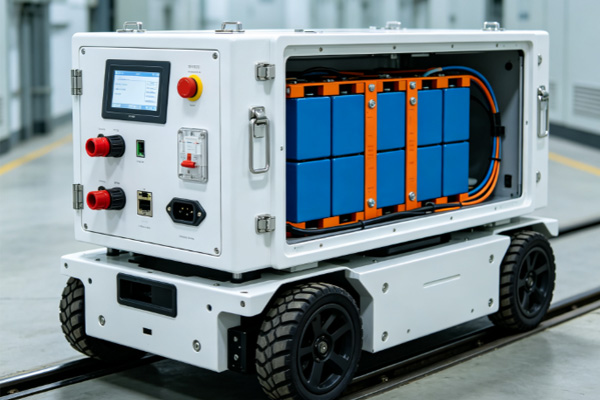
How Much Do Wholesale Robot Batteries Cost? Don’t Compare Unit Prices Too Quickly
The price of robot batteries can vary considerably. Two products may appear to have similar capacity while being very different in actual runtime, BMS configuration, cell quality, and customization. In bulk purchasing, even a small difference in unit price can become significant across dozens or hundreds of battery packs. However, sacrificing consistency to reduce the initial price can create higher replacement and rework costs later.
What Affects Wholesale Robot Battery Prices?
Battery pricing is usually influenced by the cells, capacity, BMS, battery structure, and order quantity. Customized batteries may also involve housing design, connectors, wiring, and communication development, so comparing products only by their quoted unit price can be misleading.
- Cell type: Different cell brands, capacities, and performance specifications can directly affect battery pack costs.
- Battery capacity: Higher capacity generally requires more cells and provides greater energy storage.
- BMS configuration: A standard protection BMS and an intelligent BMS with CAN or RS485 communication can have very different costs.
- Structural design: Customized housings, brackets, or mounting structures for specific robots can add development costs.
- Order volume: Pricing for samples, small batches, and long-term bulk orders is usually different.
It is better to ask suppliers for complete specifications and detailed quotations. Comparing only the battery pack price can easily leave out the costs of chargers, connectors, communication functions, and customization.
How Long Does a Robot Need to Run Before Choosing Battery Capacity?
Battery capacity should not be selected by guesswork. A practical starting point is to multiply the robot’s average power consumption by its actual operating time, then account for conversion losses, depth of discharge, and capacity degradation.
Required battery energy ≈ Average power × Operating time ÷ System efficiency
| Robot Application | Typical Operating Characteristics | Battery Focus |
| AGV Transport Vehicle | Frequent starts and stops, continuous transport | Continuous discharge, cycle life |
| AMR Warehouse Robot | Changing routes and tasks | Capacity, weight, BMS communication |
| Cleaning Robot | Relatively long operating sessions | Runtime, charging efficiency |
| Inspection Robot | Alternating standby and operation | Low power consumption, backup time |
| Mobile Robot Platform | Significant load changes | Peak current, battery structure |
If a robot consumes an average of 500W and operates for 6 hours per day, its theoretical energy consumption is about 3kWh. The battery should not simply be sized at exactly 3kWh because system losses and usable capacity need to be considered. Robots that frequently start, accelerate, climb ramps, or carry heavy loads also require separate consideration of peak current.
How Should You Choose Batteries for AGVs and AMRs? Operating Conditions Are Easy to Overlook in Bulk Orders
AGVs and AMRs both require mobile power, but their operating patterns are not always the same. A fixed-route AGV may perform a large number of repetitive start-and-stop cycles every day, while an AMR in a warehouse may change routes according to different tasks and automatically return for charging. Simply choosing a battery based on the robot category can lead to insufficient runtime or discharge performance after installation.
What Batteries Do AGVs, AMRs, and Other Robots Need?
The biggest difference between robot applications is often how the robot actually operates rather than what the product is called. Before purchasing, it is useful to organize information such as daily operating hours, payload, speed, slope, and charging opportunities.
- AGV transport: Robots operating for long periods should be checked for usable capacity and continuous discharge capability.
- AMR warehousing: When robots perform different tasks throughout the day, battery weight, capacity, and BMS data communication become important.
- Heavy-load robots: Carrying heavy loads can create higher peak current requirements during startup and acceleration.
- Cleaning robots: For long daily operating periods, cycle life and charging speed can directly affect operating efficiency.
- Inspection robots: When long standby periods are involved, standby power consumption should be included to avoid oversizing the battery.
For actual projects, one of the easiest approaches is to provide the robot specifications, power requirements, operating schedule, and battery compartment dimensions directly to the battery supplier for evaluation.
Why Do Robot Batteries Need BMS Communication?
A battery that can supply power normally is not necessarily suitable for an intelligent robot. Many AGVs and AMRs now use energy management systems that need to know remaining battery capacity, temperature, and fault status in real time. The BMS becomes an important data interface between the battery and the robot control system.
- SOC data: The robot can read remaining battery capacity and decide when to continue operating or return for charging.
- Temperature monitoring: Abnormal battery temperatures can be detected and reported to the robot control system.
- Fault alarms: Overvoltage, undervoltage, overcurrent, and abnormal temperature conditions can be transmitted to the control system.
- Communication protocol: Interfaces such as CAN and RS485 need to match the robot’s main control system, and communication parameters should be confirmed in advance.
If the robot already uses an intelligent charging system, the battery communication protocol should ideally be tested during the purchasing stage. Discovering a communication mismatch after hundreds of batteries have been delivered can be very difficult to handle.
Why Are More Robot Projects Considering LiFePO4 Batteries?
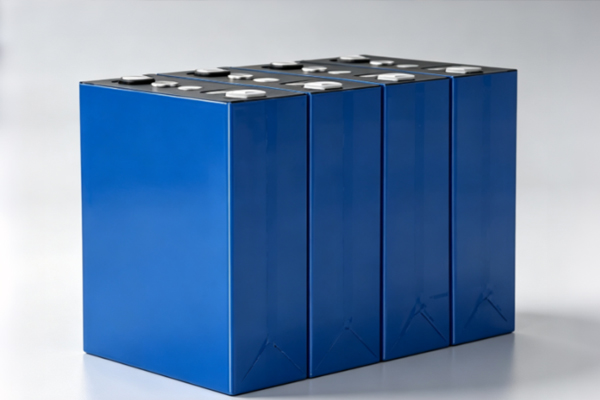
Robots can go through repeated movement, stopping, starting, and charging cycles every day, so their batteries may experience much more frequent cycling than ordinary backup power systems. Buyers are not simply concerned about whether a new battery works on day one. They also need to know whether runtime, discharge performance, and BMS operation can remain stable after extended use. LiFePO4 chemistry offers good cycle performance and thermal stability and is used in various mobile equipment and energy storage applications.
What Parameters Should You Check When Buying LiFePO4 Robot Batteries?
After receiving a supplier’s specification sheet, it is useful to list the following parameters separately, especially for long-term bulk purchasing. This makes it easier to identify meaningful differences between products.
| Parameter | What to Confirm | Impact on Robots |
| Capacity | Rated capacity and usable capacity | Robot runtime |
| Discharge current | Continuous current, peak current, and duration | Startup and heavy-load operation |
| Cycle life | Test conditions and cycle standards | Service life |
| BMS | Protection functions and communication | Safety and data management |
| Size and weight | Length, width, height, weight, tolerances | Installation and payload |
| Charging parameters | Current, voltage, charging time | Charging efficiency |
| Temperature range | Permitted charging and discharging range | Environmental adaptability |
| Connectors | Plug type, cable, polarity | Installation compatibility |
If a robot manufacturer plans to launch new models later, it can also be useful to plan a battery platform in advance. This does not mean making the product unnecessarily complicated; it can reduce the need to develop a completely new battery every time a new robot model is introduced.
Why Is Battery Consistency So Important for Bulk Orders?
When one robot uses one battery, a problem may still be relatively easy to handle. When hundreds of robots operate in the same warehouse, the situation is very different. Even small changes in battery specifications can require maintenance teams to spend significant time troubleshooting individual units.
- Cell consistency: Differences in cell capacity and internal resistance within the same battery pack should remain within a reasonable range.
- Batch consistency: Capacity, dimensions, connectors, and communication parameters should remain stable across different production batches.
- Production testing: Capacity, charging and discharging performance, and BMS protection should be tested before shipment.
- Sample approval: Installing and testing samples before mass production can identify dimensional and connector issues early.
- Batch traceability: Keeping production batch numbers and test records makes future replenishment and after-sales service easier.
This is why wholesale robot battery purchasing cannot be judged only by the first shipment. A suitable long-term supplier also needs to maintain product specifications and quality consistency when future orders are placed.
How Do You Find a Robot Battery Wholesale Supplier? Confirm These Details Before Placing a Large Order
When purchasing only a few batteries for testing, many issues may not appear immediately. Once the project moves into bulk procurement, lead times, packaging, samples, certification documents, after-sales service, and customization capabilities all become practical concerns. For overseas buyers in particular, battery shipping requirements and documentation should be discussed during the quotation stage rather than handled at the last minute.
What Information Should Suppliers Receive for Bulk Robot Battery Orders?
Instead of simply sending a message saying, “We need robot batteries, please quote,” prepare the equipment specifications and purchasing requirements in advance. This makes it easier for suppliers to provide accurate quotations and reduces unnecessary back-and-forth communication.
- Rated power and peak power of the equipment.
- Target operating time and daily charging and discharging frequency.
- Battery compartment dimensions and maximum allowable battery weight.
- Charger specifications and charging time requirements.
- Connector type, cable length, and installation method.
- CAN, RS485, or other communication requirements.
- Estimated order quantity, sample quantity, and future replenishment plans.
- Operating environment, including temperature, humidity, and indoor or outdoor conditions.
The more complete the information, the closer the supplier’s proposal will be to the actual application. For long-term projects, sample acceptance criteria and mass-production requirements can also be included in the purchasing specification.
Can Robot Batteries Be Customized for Specific Equipment?
Yes. Robot battery compartments are often designed around the available internal space rather than a universal battery size. Even batteries with the same capacity may not fit because of connector positions, mounting structures, or cable direction. Bulk projects usually require these details to be defined during the development stage.
- Size customization: Battery length, width, height, and mounting position can be designed around the available battery compartment.
- Capacity adjustment: Battery capacity can be configured according to the target runtime and actual power consumption.
- Connector customization: Connectors, cables, and polarity can be matched to the robot’s main control and charging systems.
- BMS configuration: Protection parameters, communication interfaces, and data functions can be configured according to equipment requirements.
- Housing design: Protective structures can be designed around the installation space to improve battery integration.
If more robots or new models will be added later, it is also useful to discuss battery platform expansion with the supplier early. This can make future capacity increases, connector changes, or communication updates easier without starting development from scratch.
How Should You Test Samples Before Wholesale Robot Battery Orders?
Do not test samples only by checking the voltage. Ideally, install the battery into the actual robot and run it under real operating conditions. Startup, emergency stops, acceleration, climbing, payload changes, and continuous operation can all reveal battery performance that a basic voltage test cannot show.
- Check battery dimensions, mounting, connectors, and cables after installation.
- Test continuous runtime under actual task routes.
- Simulate startup, acceleration, and heavy-load conditions to test peak discharge performance.
- Test charging compatibility between the actual charger and battery pack.
- Check whether SOC, voltage, temperature, and fault information are correctly communicated.
- Recheck capacity and operating performance after several charging and discharging cycles.
After the sample passes testing, fixing the final specifications before mass production can significantly reduce problems during bulk delivery. For manufacturers and buyers that purchase robot batteries regularly, spending more time on early testing can reduce maintenance problems later.
Wholesale robot battery purchasing is not simply about finding a battery with enough capacity. The real requirement is a battery that remains compatible with the robot from sample testing and installation through large-scale production and long-term supply. AGVs, AMRs, cleaning robots, inspection robots, and other mobile platforms can be configured around actual power consumption, operating time, peak current, dimensions, BMS communication, and charging requirements. DELIGREEN provides LiFePO4 batteries, battery packs, DIY battery boxes, BMS accessories, and scalable energy storage solutions for global buyers, with customizable capacity, structure, connectors, BMS, and communication configurations for robot battery wholesale and long-term bulk purchasing.