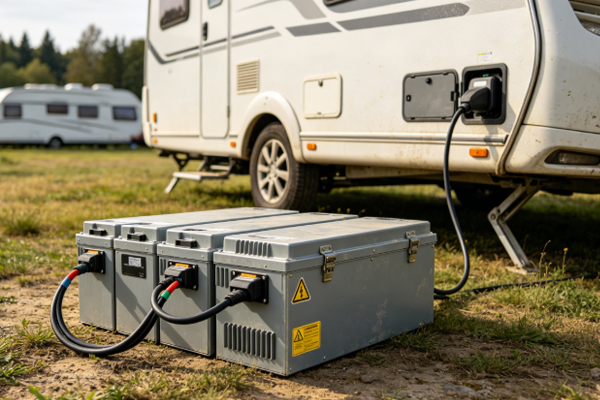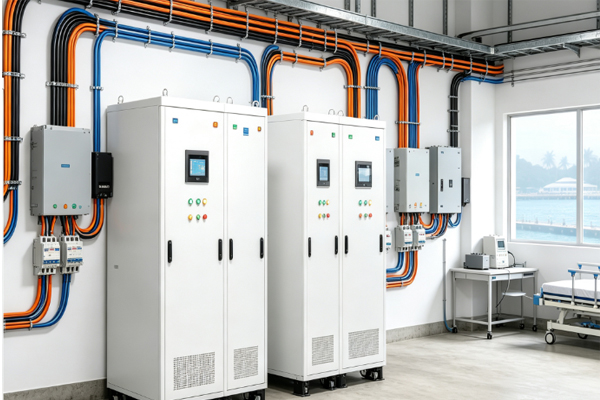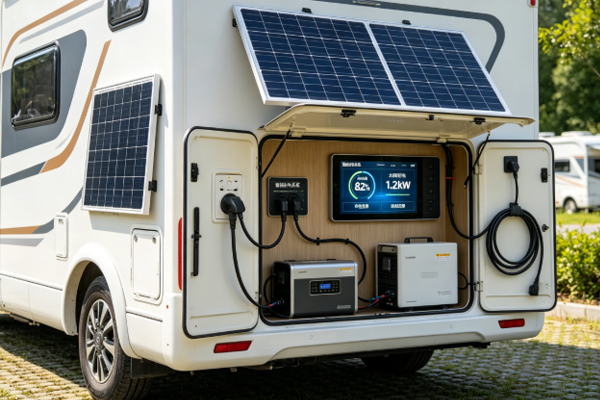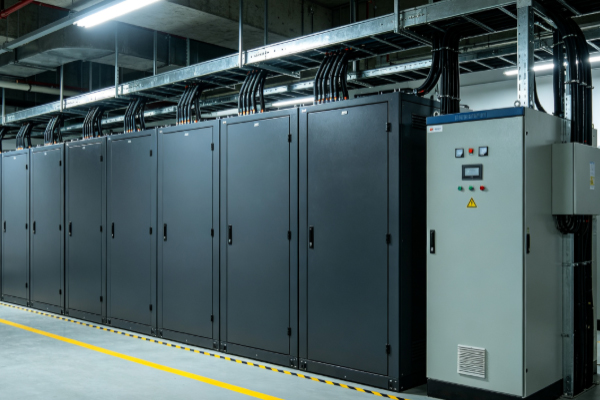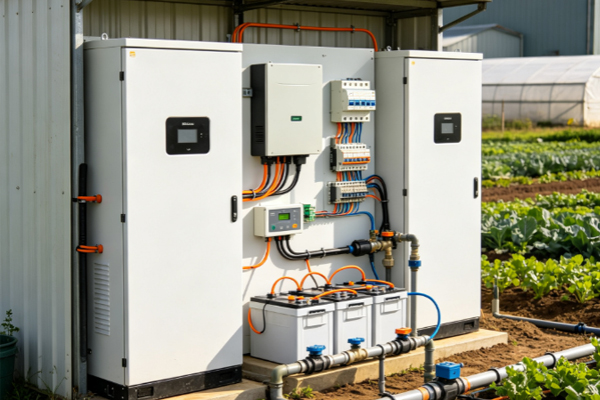
Hospitals use electricity around the clock, and many critical systems cannot simply follow a “daytime on, nighttime off” schedule. Solar power, however, is strongly tied to daylight hours, with generation often peaking around midday. When solar output is higher than the hospital’s immediate demand, some of that renewable energy may not be fully utilized. Hospital battery energy storage can store this excess power and release it during the evening, at night, or during higher-demand periods, helping renewable energy become a practical part of daily hospital power management.

Why Do Hospitals Need Renewable Energy Storage?
After a hospital installs solar power, one of the main challenges is the time gap between renewable energy generation and actual electricity demand. Battery storage can act as a flexible buffer between these two patterns, allowing solar power, hospital loads, and the grid to work together more efficiently.
Which Hospital Areas Can Benefit from Renewable Energy Storage?
Different hospital areas have very different electricity consumption patterns, so they do not necessarily need to follow the same energy strategy. A practical approach is to identify the major hospital loads first and determine which areas can make better use of stored renewable energy.
- Outpatient areas: Electricity demand is often concentrated during the day, making these areas suitable for consuming solar power when generation is high.
- Patient wards: Wards require electricity throughout the day, allowing stored solar energy to continue supporting loads during the evening and nighttime.
- Laboratories and medical equipment areas: Some equipment operates for extended periods and requires stable power, so battery storage can work alongside renewable energy to support these loads.
- Support facilities: Kitchens, laundry rooms, hot-water systems, and ventilation equipment operate on different schedules and can benefit from flexible energy management.
- IT rooms: Servers and network equipment need continuous operation, making battery storage an important part of the hospital’s energy infrastructure.
Once hospital loads are separated into practical categories, the role of battery storage becomes much clearer. It is not only for outage backup. It can also help consume more renewable energy and extend the useful period of solar generation.
Can Hospital Electricity Demand Match Solar Generation During the Day?
In practice, the two do not always match perfectly. Hospitals may have significant daytime electricity demand, but solar generation is concentrated during daylight hours. As evening approaches, solar output declines while many hospital systems continue operating. Battery storage helps bridge this timing gap.
| Hospital Area | Typical Operating Time | Solar Matching | Role of Battery Storage |
| Outpatient areas | Daytime | Relatively easy to match | Consume solar power |
| Patient wards | 24 hours | Limited at night | Extend renewable energy use |
| Laboratory equipment | Day to night | Partially matched | Balance different periods |
| Support facilities | Scheduled operation | Requires energy management | Improve renewable utilization |
| IT rooms | 24 hours | Partially matched | Support continuous loads |
Hospital energy storage should not be designed around solar capacity alone. Daily electricity demand, continuous loads, evening consumption, and equipment operating schedules all matter. Once these factors are clear, the practical role of the battery becomes much easier to define.
How Can Hospital Battery Storage Work with Solar Power?
The basic concept of renewable energy storage is straightforward: charge the battery when suitable renewable energy is available and discharge it when the hospital needs additional power. This approach can increase solar self-consumption while reducing the limitations caused by concentrated daytime generation.
What Happens When Solar Generation Is High During the Day?
When solar output is high around midday, the battery can absorb excess electricity that the hospital cannot use immediately. The system does not necessarily need to keep charging at a fixed rate. Charging can be adjusted according to hospital demand, solar output, and the energy management strategy.
- Serve real-time hospital loads first: Solar power can directly supply equipment that is operating at the time.
- Store excess solar power: When solar generation exceeds immediate demand, the surplus can be directed to the battery.
- Adjust charging power: Charging output can be managed according to changing hospital loads instead of using one fixed charging rate.
- Reserve energy for evening demand: Electricity stored during the day can be used after solar output starts to decline.
- Coordinate with the grid: Battery charging and discharging schedules can be adjusted as part of the hospital’s overall energy management strategy.
With battery storage, solar power is no longer limited to “generate and use immediately.” The battery provides additional flexibility, allowing electricity generated during the day to support loads later in the day.
Does a Hospital Battery Need to Be Fully Charged Every Day?
Not necessarily. Solar generation and hospital electricity demand change from day to day. Weather, seasonal conditions, and air-conditioning loads can all affect how the storage system operates. Forcing the battery to reach full charge every day may create unnecessary cycling, while keeping the battery at a very low state of charge can reduce its ability to absorb renewable energy. A practical system usually operates within a suitable SOC range based on actual load and energy management targets.
How Should Hospital Battery Storage Capacity Be Determined?
Battery capacity should not be selected simply by taking the hospital’s daily electricity consumption and applying a fixed calculation. Solar capacity, hospital load curves, required storage duration, and the usable battery SOC range all need to be considered.
| Hospital Energy Storage Scenario | Key Data to Review | Main Storage Consideration |
| Solar surplus absorption | Solar output curve | Daytime charging capability |
| Evening electricity use | Evening load | Discharge duration |
| Nighttime loads | Base nighttime demand | Usable battery capacity |
| Peak demand | Maximum power | Peak output capability |
| Future renewable expansion | Planned solar capacity | Battery expansion capability |
After the capacity is determined, the battery’s charging and discharging power should also be checked against real hospital loads. A battery may have sufficient capacity but still fail to meet actual operating requirements if its output power is too low.
Why Are LiFePO4 Batteries Suitable for Hospital Renewable Energy Storage?
Hospital renewable energy storage is usually a long-term investment rather than a short-term backup device. The battery may go through charging, discharging, and standby states every day, while the system also needs continuous monitoring and management. Cycle performance, thermal stability, BMS protection, and future expansion are all important considerations.
What Are the Advantages of LiFePO4 Batteries for Hospital Energy Storage?
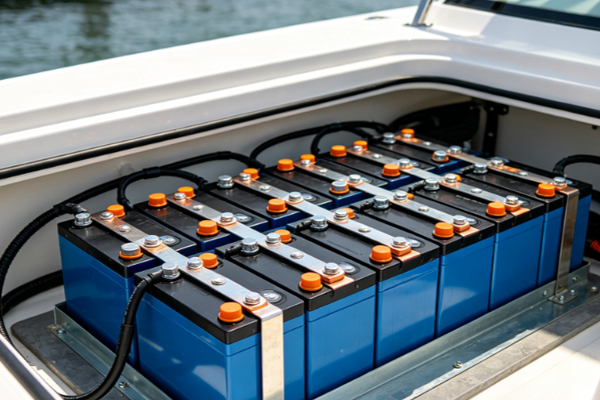
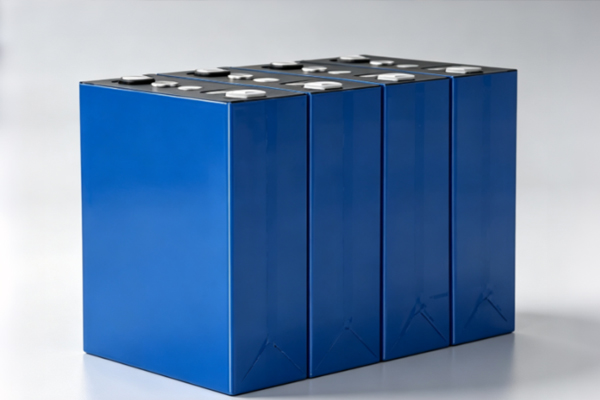
LiFePO4 batteries are widely used in stationary energy storage applications and are suitable for systems that require regular long-term charging and discharging. For hospitals, stable operation and practical system management are often more important than simply maximizing one individual battery specification.
- Good cycle performance: Suitable for long-term daily charging and discharging.
- Good thermal stability: Well suited to long-term stationary energy storage applications.
- Modular battery design: Battery capacity can be configured according to project requirements.
- Convenient battery management: BMS can continuously monitor battery operating conditions.
- Suitable for renewable energy systems: Can be integrated with solar systems, inverters, and energy management systems.
- Supports future expansion: Modular designs make it easier to increase storage capacity later.
Hospital energy storage is a long-term system. Battery stability and system management can have a significant impact on how the project performs after installation, so the focus should go beyond initial capacity and purchase price.
Why Does Hospital Battery Storage Need a BMS?
As the number of battery cells and modules increases, manually checking battery conditions is not practical. A BMS can continuously collect operating data and activate protection functions when abnormal conditions occur, making the storage system easier to monitor and manage.
- Cell voltage monitoring: Helps identify abnormal voltage differences between cells.
- Charging and discharging current monitoring: Helps confirm whether the battery is operating within the expected range.
- Battery temperature monitoring: Detects abnormal temperature conditions.
- Overcharge and over-discharge protection: Helps prevent the battery from operating outside suitable conditions.
- Operating data communication: Provides key information such as SOC for system monitoring.
A BMS is not simply an optional battery accessory. It is an important part of the battery system. When purchasing hospital energy storage batteries, buyers should confirm what protection functions are included and which communication interfaces are available.
Should Hospitals Plan for Future Battery Storage Expansion?
If the hospital plans to add more solar panels, expand wards, install additional equipment, or develop other renewable energy projects, it is worth reserving room for future storage expansion. Modular battery systems allow the hospital to start with its current requirements and add capacity later instead of purchasing the entire future capacity upfront.
What Should Hospitals Confirm When Purchasing Battery Energy Storage?
At the purchasing stage, battery price is only one part of the decision. Hospitals should also confirm voltage, capacity, continuous discharge capability, dimensions, BMS functions, communication interfaces, and system compatibility. If these details are not confirmed early, compatibility problems may appear during installation and commissioning.
What Battery Specifications Should Hospitals Confirm Before Purchasing?
Before requesting a quotation, hospitals can prepare a technical checklist. The more complete the information, the easier it is for the battery supplier to recommend a solution that matches the actual project.
- Rated voltage and capacity: Confirm that the battery specifications match the energy storage system design.
- Continuous discharge current: Make sure the battery can support the required load over extended periods.
- Peak discharge capability: Some hospital equipment can create sudden power increases during startup, so peak output should be checked.
- Charging parameters: Confirm that the solar system or charging equipment can operate within the battery’s required charging range.
- Battery dimensions and weight: Check available space in the equipment room, cabinet, or dedicated storage area.
- Connectors and cables: Confirm compatibility before delivery to avoid installation problems.
- BMS functions: Check protection features such as overcharge, over-discharge, overcurrent, short circuit, and temperature protection.
- Communication protocol: If the battery needs to connect with an EMS or other energy management equipment, the communication interface should be confirmed in advance.
The more complete the technical information, the easier it is to develop a battery solution that fits the project. For hospital renewable energy storage, buyers should look beyond the quotation and confirm whether the battery can work properly with the existing solar and power management system.
Why Should Hospitals Test Battery Samples Before Bulk Purchasing?
Sample testing can reveal compatibility or operating issues before the full system is purchased. This is especially important when the battery needs to work with inverters, solar systems, EMS platforms, and existing hospital electrical infrastructure. Testing key operating conditions before bulk purchasing can make installation and commissioning much smoother.
- Charging test: Verify that the solar or charging system can charge the battery correctly.
- Discharge test: Confirm that battery output meets the project’s requirements.
- Load test: Simulate actual hospital loads and monitor voltage and current changes.
- BMS test: Check whether protection functions and battery data monitoring work correctly.
- Communication test: Confirm that the battery can exchange data with the required energy management equipment.
- Continuous operation test: Monitor temperature, SOC, and system status during extended operation.
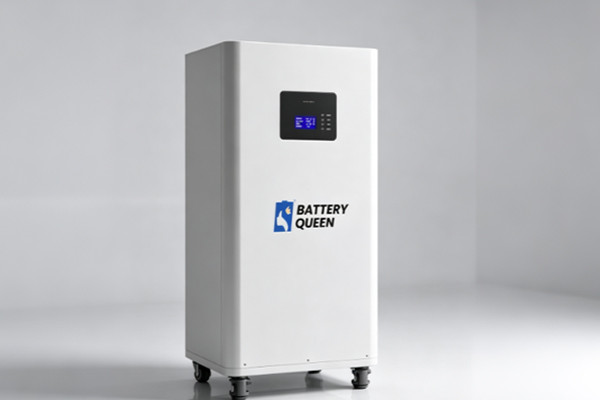
Hospital battery energy storage ultimately needs to perform under real operating conditions. DELIGREEN provides LiFePO4 batteries, battery packs, DIY battery boxes, BMS accessories, and scalable energy storage solutions that can be configured around hospital solar capacity, load characteristics, installation conditions, and future expansion plans.
Hospital renewable energy storage is not simply about adding a battery pack. The real goal is to extend the useful period of renewable electricity and better match solar generation with hospital demand. Solar power generated during the day can be stored and used during the evening or nighttime, reducing the timing gap between renewable generation and actual electricity consumption. For hospitals planning solar and battery storage projects, reviewing load data, battery specifications, BMS functions, communication requirements, and future expansion together can make the final energy storage solution much more practical.