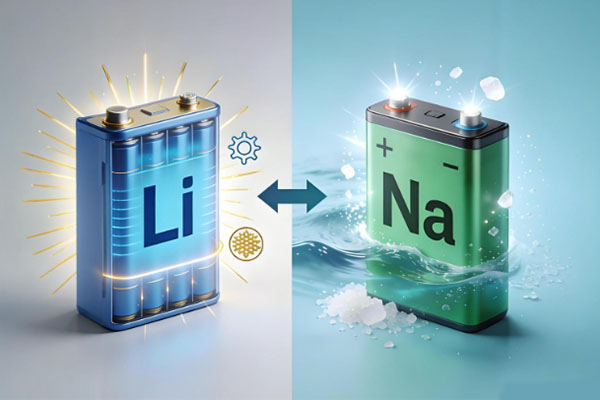
Sodium-ion batteries are gaining attention in energy storage, electric vehicles, RVs, marine applications, and portable power systems because of their abundant sodium resources and potential cost advantages. However, the price of a sodium-ion battery is not determined simply by the fact that sodium is less expensive than lithium. Factors such as battery chemistry, production scale, cell specifications, BMS configuration, customization, and order volume can all affect the final price.For businesses, understanding the cost structure of sodium-ion batteries can help evaluate supplier quotations more effectively and select the right battery solution according to specific application requirements.
What Factors Affect Sodium-Ion Battery Prices?
Cathode and Anode Materials Affect Basic Costs
Sodium-ion batteries can use different cathode materials, including layered oxides, polyanionic compounds, and Prussian blue or Prussian white materials. Hard carbon is commonly used as the anode material. Different material systems provide different levels of energy density, cycle life, low-temperature performance, and cost.
One potential cost advantage of sodium-ion batteries comes from the abundance of sodium resources and reduced dependence on certain lithium, nickel, and cobalt materials. However, hard carbon, electrolytes, separators, current collectors, and other components still contribute to the overall battery cost.
Production Scale Affects Unit Cost
Manufacturing scale is another important factor affecting sodium-ion battery prices. As production volumes increase, manufacturers may improve equipment utilization, material procurement efficiency, production yield, and manufacturing processes. These improvements can reduce the manufacturing cost per battery.
The sodium-ion battery industry is still developing toward larger-scale commercialization. Compared with some mature lithium-ion battery technologies, production costs can vary significantly between suppliers. Therefore, buyers should consider not only material costs but also manufacturing capacity, product maturity, and quality control.
Battery Capacity and Specifications Affect the Quotation
Sodium-ion batteries with the same general technology can have very different prices depending on their capacity and configuration.
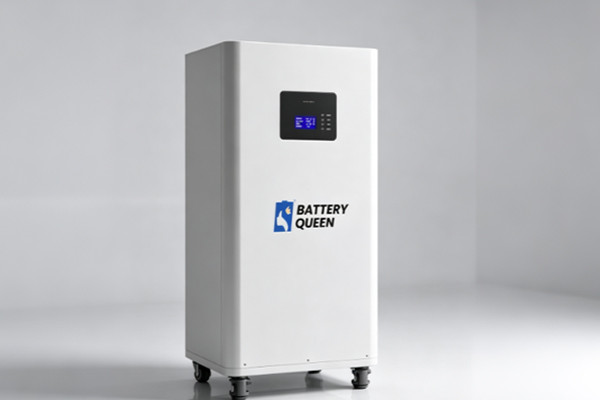
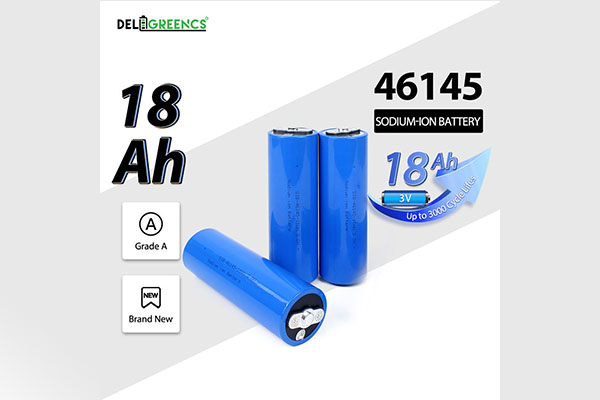
For example, the price of a single battery cell cannot be directly compared with the price of a complete battery pack. A complete energy storage battery pack may include battery cells, a BMS, enclosure, connectors, wiring, thermal management components, and protection devices.
Before purchasing, buyers should confirm whether the quotation refers to the battery cell, battery module, or complete battery pack.
Why You Should Not Compare Sodium-Ion Batteries by Price Alone
Compare Cost per kWh
For energy storage projects, the price of a single battery does not provide enough information for an accurate cost comparison. Buyers should convert quotations into cost per kWh and compare products with similar specifications.
It is also important to understand the testing conditions behind the rated capacity. Rated capacity, usable capacity, and actual system discharge capacity may not always be the same.
For long-term energy storage projects, cycle life should also be considered when calculating the overall cost over the battery’s operating life.
BMS and Communication Functions Can Affect Price
The Battery Management System (BMS) is responsible for monitoring and protecting the battery system. Different applications require different BMS functions, such as basic protection, SOC monitoring, temperature monitoring, CAN communication, RS485 communication, and remote monitoring.
If the battery needs to communicate with an inverter, Energy Management System (EMS), or other control equipment, buyers should confirm the required communication interface and protocol before placing an order. This can help prevent additional modification costs later.
Customization Can Increase the Final Price
Standardized battery products are generally easier to manufacture in large quantities. Customized dimensions, voltage, capacity, connectors, enclosure structures, packaging, and other requirements may increase design, tooling, testing, and manufacturing costs.
Therefore, buyers should clearly specify the required voltage, capacity, cell format, dimensions, BMS communication method, installation requirements, and operating environment when requesting quotations.
What Should Buyers Know Before Purchasing Sodium-Ion Batteries?
Define the Application Scenario
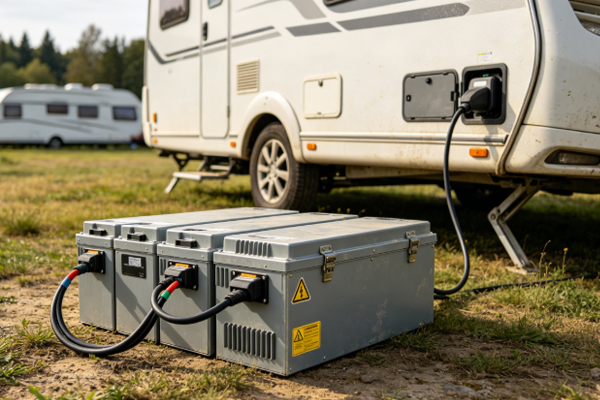
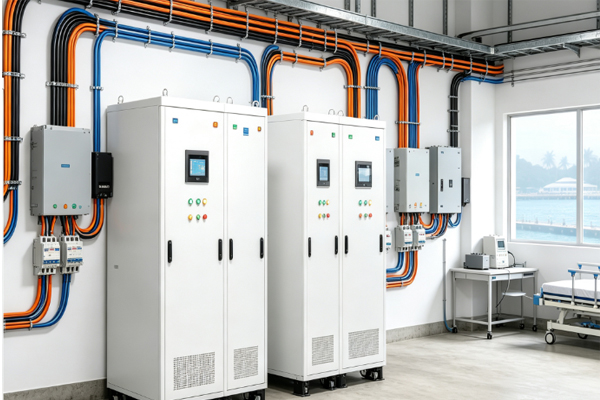
The first step is to determine where the battery will be used. Sodium-ion batteries may be applied in residential energy storage, commercial and industrial energy storage, RVs, marine systems, electric vehicles, and portable power stations.
Different applications have different requirements for energy density, cycle life, discharge rate, low-temperature performance, and safety protection.
Compare Cycle Life and Usable Capacity
A lower battery price does not necessarily mean a lower overall operating cost. Buyers should evaluate cycle life, rated capacity, usable capacity, charge and discharge rates, and warranty conditions.
For large-scale projects, calculating the long-term cost based on usable energy and expected service life can provide a more meaningful comparison than simply looking at the initial purchase price.
Check Certifications and Transportation Requirements
For international procurement, buyers should also consider product testing, transportation documentation, and regulatory requirements in the destination market.
For bulk orders, it is important to confirm battery test reports, certification documents, packaging requirements, and transportation conditions in advance.
How to Evaluate Sodium-Ion Battery Quotations
When comparing suppliers, buyers can break down the quotation into several cost categories, including battery cells, BMS, structural components, assembly, testing and certification, packaging, transportation, and customization.
This approach makes it easier to identify differences between quotations and understand what is included in the final price.
Deligreen provides sodium-ion battery cells and battery pack solutions for different applications, with customization options for capacity, voltage, BMS communication, enclosure, connectors, branding, and packaging.
The price of a sodium-ion battery is not determined by a single factor. Raw materials, manufacturing scale, battery specifications, BMS configuration, customization requirements, order volume, logistics, and certification can all influence the final procurement cost.For businesses purchasing sodium-ion batteries, it is better to move beyond simply comparing the price of each battery. Cost per kWh, usable capacity, cycle life, performance requirements, and total lifecycle cost should all be considered.By defining technical specifications and application requirements before requesting quotations, buyers can make more accurate comparisons and select a sodium-ion battery solution that fits their project and budget.