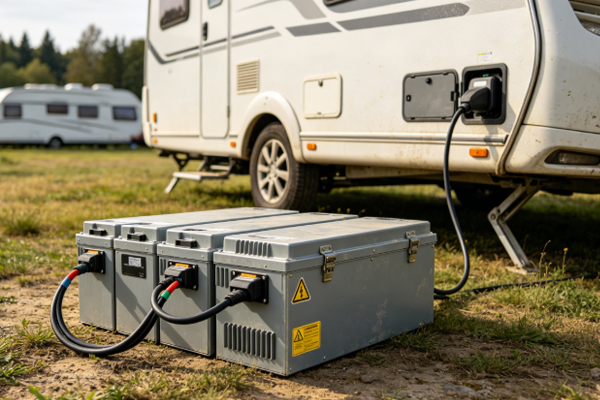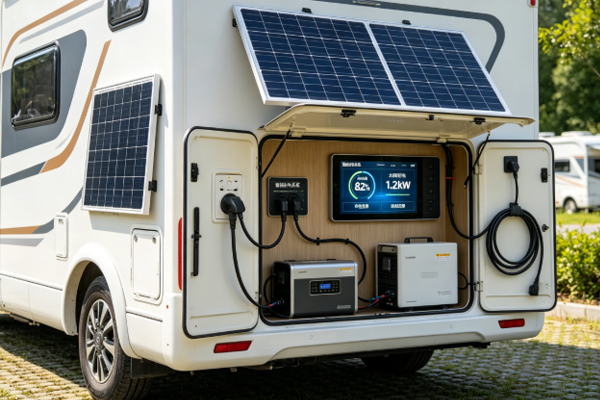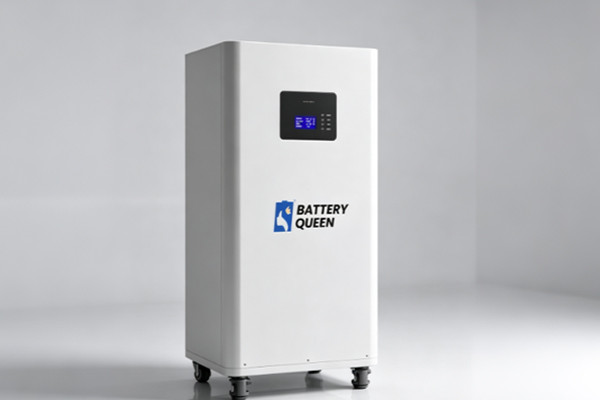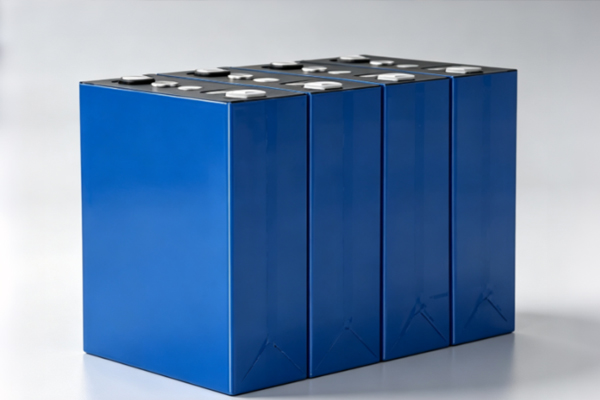
With the growing popularity of RV travel and outdoor camping, more RV owners want to reduce their dependence on campground shore power and gain a more flexible energy supply while parked. Combining solar power with lithium batteries makes it possible to collect solar energy during the day and store the generated electricity for use at night or during periods of limited sunlight. An RV solar lithium battery supporting solution typically uses a LiFePO4 battery as the core energy storage unit and combines it with solar panels, an MPPT charge controller, an inverter, a battery management system, power distribution equipment, and monitoring devices. These components create a complete system for solar power generation, energy storage, and onboard electricity supply. A suitable configuration should be planned according to the RV size, available roof installation area, daily electricity consumption, major appliance power requirements, and travel duration. For users who frequently take long road trips, camp in remote locations, or stay parked for extended periods, a solar lithium battery system can continuously replenish stored energy and provide stable power support for refrigerators, lighting, communication equipment, and other onboard appliances.
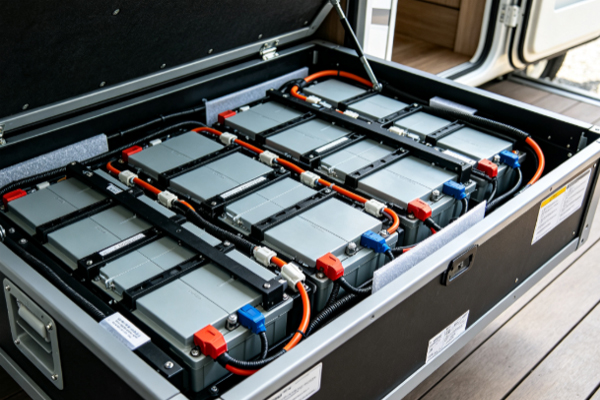
Solar Power and LiFePO4 Batteries Create a Mobile Energy Storage System
An RV solar energy storage system is not simply created by connecting solar panels directly to a battery. Appropriate charging control equipment is required to manage the entire process. Solar panels generate direct current when exposed to sunlight, and an MPPT charge controller manages the incoming energy according to system parameters before charging the LiFePO4 battery. The battery stores the electricity generated by the solar system. When power is needed, some onboard devices can receive direct DC power, while an inverter can convert DC electricity into AC power for televisions, computers, kitchen appliances, and other AC loads. The BMS continuously monitors battery operating conditions and provides data support for battery management. The voltage and power ratings of different components should be properly matched to avoid significant differences between solar input capability, battery capacity, and electrical demand. When solar generation is sufficient during the day, the system can replenish stored energy. At night or when sunlight is limited, the electricity stored in the LiFePO4 battery can continue supplying power to RV appliances. Through the combination of solar generation and battery storage, an RV can establish a more independent mobile energy supply system.
Main Advantages of an RV Solar Lithium Battery System
Using solar panels together with LiFePO4 batteries allows an RV to receive continuous energy replenishment in outdoor environments. With properly configured equipment, users can arrange electricity consumption according to battery capacity and weather conditions.
- Uses natural sunlight for power generation: Solar panels can collect sunlight and convert it into electricity while the RV is parked.
- Reduces dependence on external power: Under suitable sunlight conditions, solar power can continuously replenish the energy storage system.
- Supports nighttime electricity use: Energy stored in the LiFePO4 battery during the day can be used to power appliances at night.
- Suitable for mobile camping environments: Solar panels and energy storage batteries can be installed according to the structure of the RV.
- Makes energy status easier to monitor: Monitoring equipment can display solar input power, battery SOC, and current electrical loads.
- Supports different onboard appliances: Depending on system configuration, the system can supply lighting, refrigerators, communication equipment, and AC appliances.
- Reduces the need for frequent external charging: During periods of suitable sunlight and controlled electrical loads, solar energy can replenish part of the RV’s daily electricity consumption.
Once solar power and lithium battery storage work together effectively, the RV no longer depends entirely on a single charging source. Users can arrange energy use more flexibly according to weather conditions, travel plans, and battery status.
How to Use an RV Solar Lithium Battery System
Before using a solar lithium battery system, users should calculate the power ratings and expected operating time of common onboard equipment, such as refrigerators, lighting, fans, televisions, computers, routers, and kitchen appliances. An appropriate LiFePO4 battery capacity can then be selected according to estimated daily energy consumption, while the available roof space can help determine the number and power rating of solar panels. Solar panels should be connected to the energy storage battery through an MPPT charge controller, and the controller specifications should match both the solar input and battery system. When the RV is parked, a location with good sunlight should be selected whenever possible so the solar panels can receive stable exposure. During operation, users can monitor solar generation and remaining battery capacity through a display device and adjust the use of high-power appliances according to actual conditions. When solar input is strong during the day, selected high-energy appliances can be scheduled for use. At night, electricity consumption should be managed according to the battery SOC. If cloudy or rainy weather continues for several days, solar generation may decrease. Users may need to reduce unnecessary loads or replenish the battery through vehicle charging or external shore power. The solar panel surface should also be checked regularly for dust or shading, while cables, controllers, and connection terminals should be inspected as part of routine maintenance.
RV Solar Lithium Battery Supporting Equipment
A complete solar energy storage system requires multiple components to work together. Each device performs a specific task related to power generation, charging, energy storage, power conversion, or system monitoring.
| Equipment | Main Function | RV Application |
| Solar Panel | Converts sunlight into electricity | Provides solar power input for the RV |
| MPPT Controller | Manages solar charging | Regulates solar input and charges the battery |
| LiFePO4 Battery | Stores electrical energy | Stores electricity generated by solar power |
| BMS | Manages battery status | Monitors voltage, current, temperature, and SOC |
| Inverter | Converts DC to AC | Supplies power to AC appliances |
| Fuse | Circuit protection | Protects relevant electrical circuits |
| Power Distribution Equipment | Distributes electrical power | Connects different onboard electrical circuits |
| Battery Monitor | Displays battery data | Shows battery capacity and operating status |
| Solar Monitoring Device | Displays generation data | Provides real-time and historical solar input information |
| External Charging Equipment | Replenishes energy | Charges the battery from shore power or vehicle power |
Properly combining these components can establish a clear solar power generation and energy storage process, making it easier for RV users to monitor energy input and electricity consumption.
Solar Lithium Batteries Support Different RV Living Scenarios
The location where an RV is used directly affects the actual performance of a solar energy system. Short trips may only require electricity for lighting, refrigeration, and mobile devices, while long-term outdoor stays may require continuous power for additional household appliances. Local sunlight duration, weather changes, and parking conditions can also affect solar panel output. Battery capacity should not be selected only according to solar panel power because daily electrical loads and the possibility of several consecutive days with limited sunlight should also be considered. A LiFePO4 battery can store part of the electricity generated during the day and provide energy when solar production is insufficient. For RV users who enjoy camping far from cities and staying outdoors for extended periods, solar power can become an important energy source. For vehicles that frequently stay at campgrounds, solar power and shore power can also complement each other. By planning different energy input sources properly, an RV can adapt to a wider range of travel and parking environments.
Solar Energy Storage for Outdoor Camping
Outdoor camping locations are often far from fixed power infrastructure. Solar power and energy storage batteries can provide an independent source of electricity for RV users. During the day, solar panels can generate electricity according to available sunlight, and the charge controller can replenish the LiFePO4 battery. Refrigerators, lighting, mobile device chargers, and communication equipment can receive power according to the system configuration. For camping trips lasting several days, users should monitor the relationship between daily solar energy production and battery consumption. If daily power generation can cover major electrical loads, the energy storage system may maintain a stable battery level. If electrical consumption remains higher than solar input, battery SOC will gradually decrease. In this situation, unnecessary appliances can be used less frequently, or external power can be used to recharge the system. When parking outdoors, the RV should be positioned where solar panels are less likely to be shaded by trees, buildings, or other objects. Even partial and continuous shading can affect actual system output. By checking weather forecasts and monitoring real-time solar generation data, users can plan daily electricity consumption more effectively and make better use of solar power and battery storage.
Energy Support for Long-Term RV Parking
During long-term parking, an RV becomes more like a small mobile living space. Refrigerators, lighting, internet equipment, kitchen appliances, and other devices may operate for longer periods. A solar lithium battery system can help establish an appropriate energy supply plan according to different electrical loads.
- Continuous refrigerator power: The energy storage battery can provide power support for refrigerators and other long-running appliances.
- Lighting management: Different lighting areas can be used according to actual daytime and nighttime requirements.
- Communication equipment operation: Phones, computers, routers, and other communication devices can receive power according to available battery capacity.
- Kitchen appliance use: Induction cookers, coffee machines, and similar equipment should be operated according to inverter capacity and remaining battery energy.
- Entertainment equipment power: Televisions, audio equipment, and other devices can be used flexibly according to daily energy input.
- Prioritizing solar energy during the day: Selected appliances can be operated when solar power input is higher.
- Battery power at night: After solar generation stops, the LiFePO4 battery can continue supplying major living loads.
By managing onboard appliances according to available energy, long-term RV users can better understand daily electricity consumption and adjust operating schedules to improve the convenience of mobile living.
Multiple Energy Sources Improve RV Power Flexibility
Although solar energy provides a clean source of electricity, actual generation can be affected by weather, seasons, geographic location, and parking conditions. Relying entirely on solar power may not always meet continuous RV electricity requirements. A supporting system can include additional energy replenishment methods. While the RV is driving, a DC-DC charger can use the vehicle electrical system to replenish the LiFePO4 battery. When parked at a campground with shore power, an external battery charger can recharge the energy storage system. Solar charging, vehicle charging, and shore power charging can be combined according to actual travel conditions. During long periods of sunny weather, solar power can provide a larger portion of energy replenishment. During long-distance driving, vehicle charging can provide an additional source of energy. During extended rainy weather or periods of high electrical demand, shore power can help restore battery capacity. Multiple energy input sources improve the adaptability of the RV energy system and reduce dependence on a single charging method. By monitoring battery SOC and energy input data, users can select a suitable charging method according to current conditions.
High-Performance System Design Improves Solar Energy Storage Efficiency
The performance of an RV solar lithium battery system depends not only on battery capacity but also on solar panel power, charge controller efficiency, cable design, and load management. The number of solar panels should be selected according to available RV roof space and actual installation conditions. Too many panels may be limited by available space, while insufficient solar power may not provide enough daily energy replenishment. The MPPT controller should be properly matched with both the solar panels and the battery system so that incoming power can be managed according to system requirements. LiFePO4 battery capacity should be selected according to daily RV energy consumption, expected parking duration, and estimated solar generation. Inverter capacity should also match the requirements of major AC appliances to avoid insufficient power capability or inefficient operation. Cable length, cable size, and connection quality can also affect system performance and should meet electrical installation requirements. A high-performance supporting solution should maintain reasonable coordination between solar generation, battery storage capacity, and electrical loads so that energy generated during the day can be effectively stored and used when needed.
Performance Matching Between LiFePO4 Batteries and Solar Systems
LiFePO4 batteries are suitable for energy storage applications involving repeated charging and discharging and can store electricity generated by solar panels. Actual system performance can be influenced by weather conditions, solar input, battery capacity, electrical loads, and charging strategies. When solar generation is high during the day, the MPPT controller can provide charging support according to system requirements while the BMS continuously monitors battery operating data. Battery SOC helps users understand remaining capacity and, together with daily solar input, determine whether electricity consumption needs to be adjusted. Continuous sunny weather can increase solar energy production, while several consecutive cloudy or rainy days may reduce available power. System design should therefore consider sufficient energy storage capacity to adapt to changing weather conditions. During long-term use, solar panels should be kept clean to reduce the impact of dust, leaves, and other obstructions on power generation. Batteries, controllers, and inverters should also be inspected regularly to ensure that connections and communication functions remain normal. Proper matching between solar input capability and battery capacity can help the system adapt more effectively to daily RV use.
Modular RV Solar Lithium Battery Supporting Configurations
Different RV models, travel durations, and living habits create different energy requirements. A modular supporting configuration allows users to select equipment according to actual needs while providing flexibility for future upgrades.
- Short-trip camping RVs: A solar energy storage system can be configured for basic lighting, refrigeration, and communication equipment.
- Family travel RVs: Battery capacity can be increased according to multi-person electricity requirements, with additional solar panels where appropriate.
- Long-term parking RVs: Energy storage capacity should be planned according to continuous living loads and changing weather conditions.
- Solar-priority RVs: Larger solar input capacity can be configured according to available roof space.
- High-power RV applications: Appropriate batteries and inverters should be selected according to the requirements of air conditioners, kitchen appliances, and other major loads.
- Long-distance travel RVs: Solar power, vehicle charging, and shore power can be used as multiple energy replenishment sources.
- Upgradeable energy systems: When equipment compatibility and technical conditions allow, battery or solar configurations can be adjusted as new electrical loads are added.
A modular supporting solution allows RV users to plan a solar and lithium battery system according to their actual lifestyle and energy requirements rather than simply using a single standard configuration. Equipment can also be reassessed and adjusted when future travel requirements change.
An RV solar lithium battery supporting solution combines solar panels, MPPT charge controllers, LiFePO4 batteries, BMS units, inverters, and monitoring equipment to establish a complete mobile energy storage system. Solar panels generate electricity during the day, while the battery stores energy for use at night and during periods of limited sunlight. Outdoor camping, long-term parking, and long-distance travel can all use different system configurations according to daily electricity consumption, parking conditions, and available solar resources. LiFePO4 batteries can perform repeated energy storage tasks and, when combined with a solar power system, can improve the flexibility of RV energy sources. By properly planning battery capacity, solar panel power, charging equipment, and major electrical loads, RV users can build a more stable, manageable, and practical solar energy storage system for mobile living.