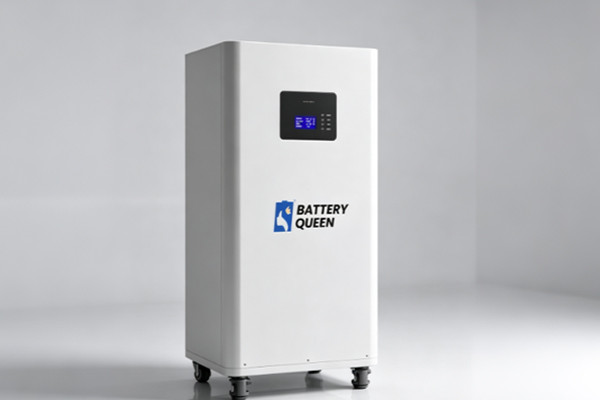
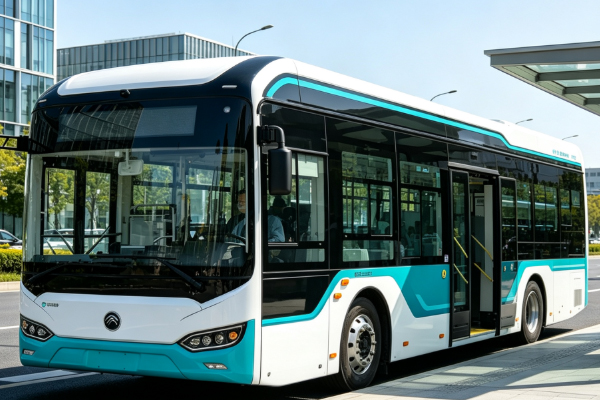
Urban buses operate under complex conditions. Morning and evening peak hours, frequent stop-and-go operation, fully loaded uphill driving, and temperature differences between summer and winter can all change vehicle energy consumption. For bus operators, battery procurement involves more than the initial purchase price. Daily vehicle turnover, charging time, maintenance cycles, and long-term operating costs also need to be considered. A suitable power system configuration should be based on actual routes, allowing the battery to deliver stable power under frequent operation while reducing the impact of repeated charging and performance degradation.
LFP Cells and Battery Capacity Need to Match Bus Operating Requirements
Urban buses operate repeatedly over long periods, requiring batteries to withstand a large number of charge and discharge cycles. Cell selection should be evaluated comprehensively based on safety, cycle life, energy density, and rate capability.
LFP Cells Should Be the Main Choice While Considering Rate Capability
Different cell chemistries have different operating characteristics. Bus power batteries can focus on the following options:
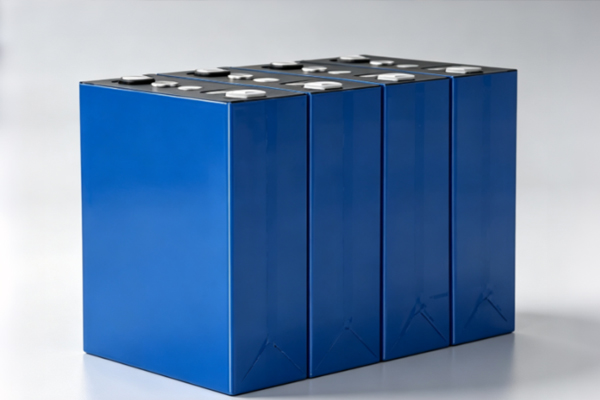
- LFP cells: They offer good thermal stability and cycle performance, making them suitable for high-frequency operating conditions.
- High-rate LFP: This enhances charging and discharging capabilities based on the LFP chemistry and can be used for vehicles with dense schedules and short charging windows.
- Other high-energy-density chemistries: For vehicles requiring longer range or having limited installation space, targeted evaluation can be carried out based on the overall vehicle structure.
Bus batteries should not focus solely on peak power. Energy storage capacity and the vehicle’s power requirements need to remain reasonably matched.
Battery Capacity Needs to Be Calculated Based on Routes and Loads
Capacity configuration can be determined using actual operating data:
- Daily mileage and number of operating trips;
- Energy consumption under full-load, half-load, and empty-load conditions;
- Urban congestion, slopes, and frequent stop-and-go operation;
- Power consumption from air conditioning, lighting, and other auxiliary equipment;
- Charging station locations and the amount of charging time available each day.
Configuring capacity according to actual operating requirements can prevent excessive battery weight from increasing vehicle energy consumption while also reducing scheduling problems caused by insufficient battery power.
Fast-Charging Batteries Need to Balance Energy Replenishment Efficiency and Cycle Life
For buses that operate at high frequency, charging speed directly affects vehicle turnover efficiency. High-rate charging can shorten charging time, but long-term operation also requires attention to cell temperature rise, degradation, and cycle life.
Select Charging Strategies According to Bus Operating Modes
Different routes can use different energy replenishment methods:
| Operating Mode | Battery Solution Focus | Charging Strategy | Main Considerations |
| Centralized overnight charging | Long-cycle-life LFP | Centralized overnight charging | Battery life and operating costs |
| High-frequency short-distance operation | High-rate LFP | Fast charging between trips | Turnover efficiency |
| Long-distance routes | Higher usable energy | Centralized station charging | Single-charge range |
| High-temperature regions | High-temperature stability | Temperature-controlled charging | Temperature rise and performance degradation |
The charging method should serve the vehicle scheduling plan rather than imposing a standardized fast-charging mode that creates unnecessary battery stress.
Fast-Charging Design Needs to Control Long-Term Degradation
High-rate charging increases the internal thermal load of the battery and may accelerate capacity degradation. For vehicles requiring frequent fast charging, cells with high cycle life and good rate capability can be selected, while charging power can be adjusted according to SOC, temperature, and voltage conditions. In low-temperature environments, appropriate preheating strategies are also needed to reduce the risks associated with high-current charging at low temperatures. Fast-charging solutions should be evaluated not only by charging time but also by battery replacement cycles and total lifecycle costs.
Large-Capacity Bus Batteries Should Be Equipped with a Dedicated Thermal Management System
Power batteries generate heat during high-power charging and discharging, while continuous bus operation further increases thermal management requirements. For large-capacity, high-rate battery packs, liquid cooling is a mature technology route worth prioritizing.
High-Frequency Fast-Charging Buses Should Prioritize Liquid Cooling
Liquid cooling systems can be designed around the following components:
- Liquid cooling plates: Circulate coolant to remove heat generated by the cells.
- Temperature balancing: Reduce temperature differences between different cell areas.
- Cooling circuits: Adjust heat exchange capacity according to the thermal load.
- Low-temperature heating: Improve cell operating temperatures in cold environments.
For large-capacity bus batteries used under frequent fast charging and high-load operation, liquid cooling can provide more stable temperature control. The specific system still needs to be designed according to the battery pack structure and available vehicle space.
Thermal Management Needs to Work Together with the BMS
The BMS needs to continuously collect data such as cell voltage, temperature, SOC, and SOH, and control the charging and discharging range according to battery conditions. In high-temperature environments, excessive power loads can be reduced, while low-temperature conditions can be managed through coordinated heating and charging control to keep the battery within an appropriate operating range. Integrating the thermal management system with the BMS can help reduce the impact of abnormal temperatures and cell-to-cell differences on long-term operation.
Battery Safety and Vehicle Validation Determine Actual Application Performance
Bus power batteries are installed on the vehicle chassis or other designated locations and need to withstand road vibration, impact, and complex weather conditions over long periods. The battery pack’s mechanical structure, electrical protection, and environmental adaptability all need to be validated before large-scale deployment.
Battery Pack Structure Needs to Adapt to Long-Term Bus Operation
The following aspects can be emphasized during the design process:
- Enclosure strength and mounting methods;
- High-voltage interfaces and insulation protection;
- Waterproofing, dust protection, and environmental adaptability;
- Resistance to road vibration and impact;
- Space for routine inspection and maintenance.
A reasonable combination of structural and electrical protection can help improve the reliability of the power system during long-term operation.
Prototype Testing Needs to Cover Real Operating Conditions
Before large-scale procurement, testing can be conducted based on actual routes:
- Energy consumption per kilometer under different loads;
- Urban congestion and high-frequency stop-and-go operation;
- Slopes and continuous long-distance operation;
- High- and low-temperature environments;
- Temperature and power changes during fast charging;
- Capacity retention and SOH after long-term cycling.
Test data can be used to adjust battery capacity, charging strategies, and control parameters, making the mass-production solution better suited to actual operating environments.
For bus operators, the key concern is the stable performance of vehicles after they enter service, including how many trips can be completed each day, whether charging schedules can coordinate with vehicle dispatching, and whether maintenance can remain within a reasonable range. After the battery solution is determined, operating strategies should continue to be optimized based on charging station conditions, vehicle configuration, and operating data, allowing the power system to maintain predictable performance throughout its service life. For customers purchasing batteries in large quantities, a mature electric bus battery solution should also consider supply stability, after-sales support, and future expansion requirements, providing continuous support for large-scale fleet operations.