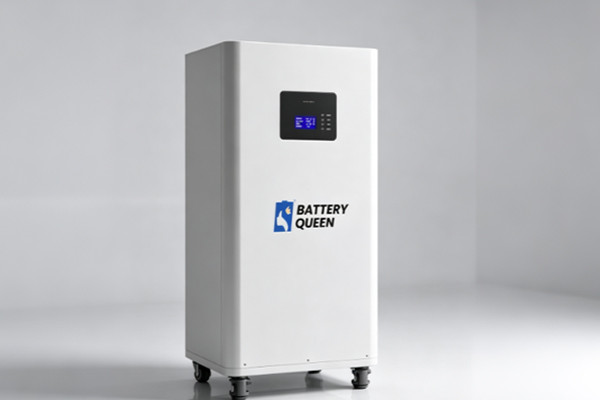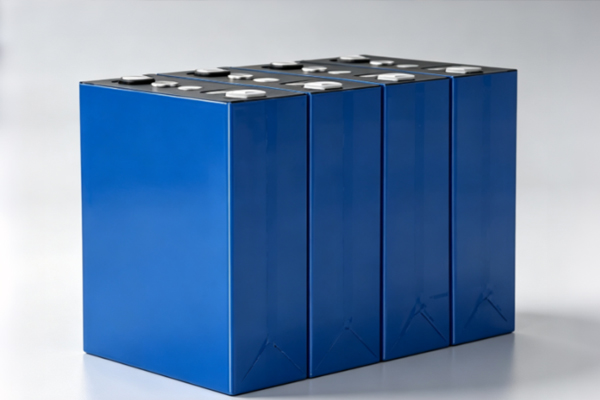
During long-distance travel, outdoor camping, and extended stays, RVs require a stable and reliable power supply. Onboard refrigerators, lighting, air conditioners, water heating equipment, kitchen appliances, communication devices, and entertainment systems all consume electricity. At the same time, RVs have limited interior space, experience continuous vibration while driving, and operate under changing outdoor temperatures. These conditions create specific requirements for the installation and operation of an energy storage system. A high-safety LiFePO4 battery solution is not simply about choosing a battery with a large capacity. It requires proper planning of cell quality, battery management systems, structural design, circuit protection, installation location, and daily operating practices. LiFePO4 batteries can be used in RV energy storage systems and can work together with BMS units, fuses, circuit protection devices, and charging equipment to continuously monitor battery operating conditions. For users who frequently travel long distances, camp outdoors, or stay off-grid for extended periods, a properly designed onboard energy storage system can improve power supply reliability and make battery management more convenient.
High-Safety LiFePO4 Batteries Adapt to Mobile RV Energy Storage Environments
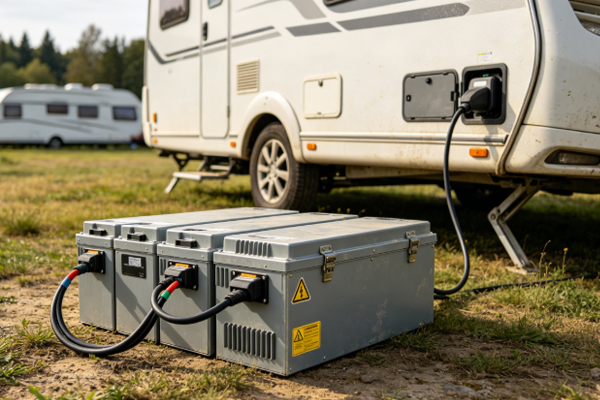
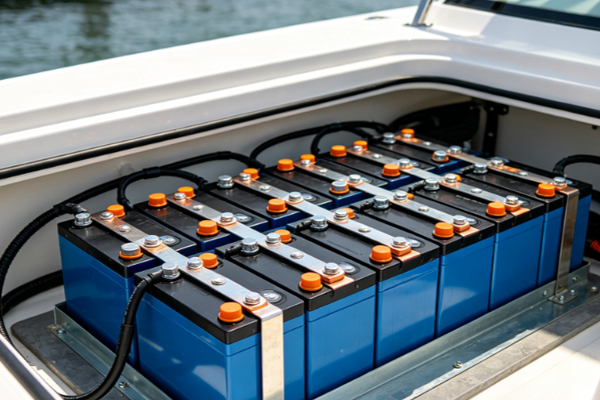
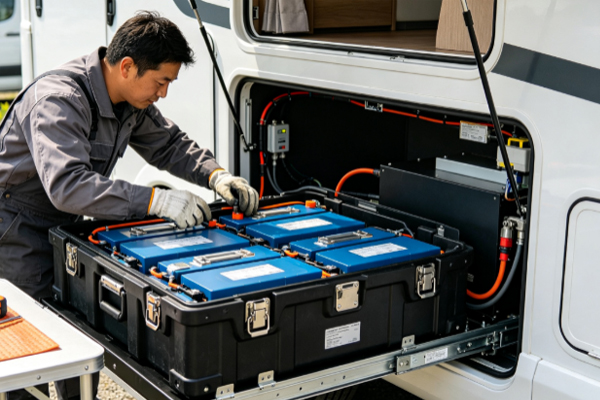
RV energy storage systems differ from stationary energy storage installations. A vehicle may experience road vibration, changing temperatures, different humidity conditions, and frequent charging and discharging during daily operation. The battery must not only store and supply electricity but also adapt to installation requirements in a mobile environment. LiFePO4 batteries offer good thermal stability and cycling characteristics, making them suitable for RVs, camping vehicles, and other mobile energy storage applications. A high-safety RV battery system generally includes battery cells, a battery enclosure, a BMS, connection terminals, and protection devices. Some systems can also be equipped with a display or communication module for viewing battery operating information. The BMS can monitor battery voltage, current, temperature, and state of charge and perform corresponding management functions according to the system design. During installation, the battery should be secured with a stable mounting structure to reduce the impact of long-term vehicle vibration on equipment connections. Cable routing should also remain organized to reduce the possibility of cables being compressed or damaged by friction. Proper planning of the energy storage installation location can make daily inspection and maintenance more convenient and support stable operation of the entire RV electrical system.
Main Advantages of High-Safety LiFePO4 Batteries for RVs
LiFePO4 batteries can provide continuous energy storage support for RVs, while high-safety systems place greater emphasis on battery monitoring, structural protection, and standardized operation, allowing users to manage electrical energy more conveniently in a mobile environment.
- Good thermal stability: LiFePO4 batteries have material characteristics suitable for energy storage applications and daily RV power cycling.
- Battery management system: The BMS can monitor operating data such as voltage, current, temperature, and SOC.
- Suitable for frequent cycling: RV travel requires continuous energy replenishment and electricity output, making cycling performance important.
- Convenient status monitoring: Selected batteries can provide operating information through display devices or communication interfaces.
- Flexible installation: Battery placement can be planned according to available RV storage space and electrical layouts.
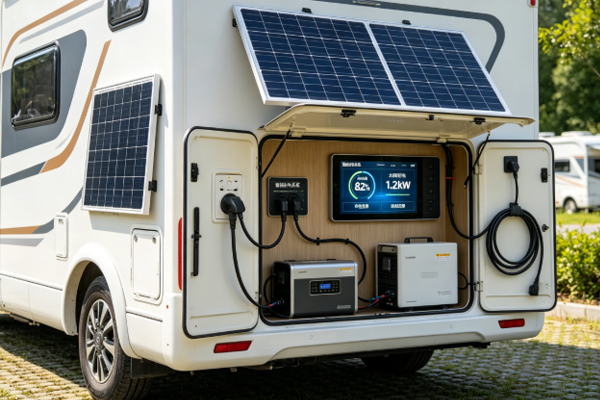
- Support for multiple charging methods: The system can work with solar charge controllers, DC-DC chargers, and external shore power chargers.
- Easy system integration: Batteries can be combined with inverters, fuses, distribution equipment, and energy monitoring devices.
These characteristics make LiFePO4 batteries an important part of RV mobile energy storage systems. However, actual system safety also depends on proper design, correct installation, and standardized operation.
How to Properly Use LiFePO4 Batteries in an RV
Before using a LiFePO4 battery in an RV, the battery capacity should be selected according to the power ratings and expected daily energy consumption of onboard appliances. Refrigerators, lighting, and communication equipment are generally continuous or long-duration loads, while air conditioners, induction cookers, microwave ovens, and water heating equipment may require high instantaneous or continuous power. The inverter and battery output capability should therefore be properly matched with actual loads. During charging, equipment that meets the battery’s technical requirements should be used, and charging parameters should be configured according to product specifications. When an RV uses a solar energy system, solar panels should charge the battery through an appropriate charge controller rather than through a connection method that does not meet system requirements. If a DC-DC charger is used to replenish the energy storage battery while driving, compatibility between the vehicle electrical system and charging equipment should also be confirmed. During daily use, the owner can monitor battery SOC and other operating information through a display terminal. When the battery level becomes low, high-power appliances should be used according to available energy. For RVs parked for long periods, the battery should be maintained and inspected according to product requirements. Connection cables, mounting brackets, protection devices, and battery terminals should be checked regularly. If abnormal alarms or equipment faults occur, inspection and maintenance should be performed by qualified personnel.
High-Safety RV Energy Storage System Equipment Configuration
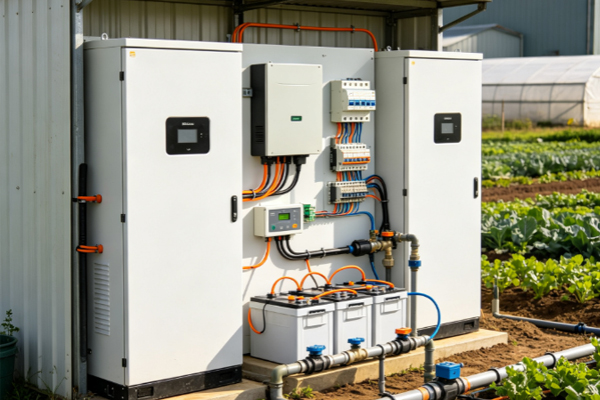
An RV LiFePO4 battery needs to work together with other electrical equipment to create a properly organized power supply structure. Different components perform different tasks, including energy storage, charging, power conversion, monitoring, and circuit protection.
| Equipment | Main Function | Role in the RV System |
| LiFePO4 Battery | Stores and supplies electrical energy | Provides energy storage for onboard equipment |
| BMS | Battery management | Monitors battery operating data |
| Fuse | Circuit protection | Provides protection for relevant circuits |
| Circuit Breaker | Circuit control | Supports circuit management and maintenance |
| Inverter | DC-to-AC conversion | Supplies electricity to AC appliances |
| MPPT Controller | Solar charging management | Manages photovoltaic power input |
| DC-DC Charger | Vehicle charging | Replenishes battery power while driving |
| Shore Power Charger | External power charging | Charges the battery from an AC power source |
| Battery Monitor | Data display | Displays SOC, current, and power |
| Distribution Equipment | Power distribution | Supplies electricity to different loads |
Properly matching these components can create a clearer electrical system structure and make it easier for RV owners to understand the operating condition of different devices during daily use and maintenance.
Different RV Applications Require Safe Energy Storage Configurations
Different RV users have different travel habits. Some people mainly use their RVs for short weekend camping trips, while others travel across regions for extended periods. Some users also use an RV as a long-term mobile living space. Changes in usage duration and the number of electrical appliances directly affect battery capacity, charging methods, and overall system configuration. Short camping trips may mainly require electricity for lighting, refrigeration, and mobile device charging, while extended stays may require continuous operation of more household appliances. A high-safety LiFePO4 battery system can be configured according to different load requirements and can use the BMS and monitoring equipment to continuously track operating conditions. For camping locations without external power, solar charging systems can also be used to replenish stored energy. During system design, an appropriate battery installation area should be selected according to the actual environment. The battery should be protected from locations exposed to excessive physical impact, standing water, or continuous high temperatures, while sufficient space should be available for inspection and maintenance.
Battery Safety Management During Long-Distance RV Travel
During long-distance travel, an RV may travel on highways, mountain roads, and other routes with different road conditions. Energy storage equipment can be exposed to continuous vibration during these trips. The battery mounting structure should remain stable, and mounting brackets and connection points should meet the actual requirements of vehicle operation to reduce the possibility of equipment loosening over time. Before departure, the battery exterior, connection terminals, and main power cables can be inspected to confirm that there is no obvious damage or abnormal condition. During the trip, the owner can monitor SOC and charging and discharging conditions through battery monitoring equipment and arrange solar charging, vehicle charging, or external power charging according to the travel schedule. Environmental temperatures can vary significantly between regions. In hot weather, attention should be paid to the temperature conditions of the RV energy storage compartment, while charging in cold environments should follow the battery product’s technical requirements. When the RV remains without external power for an extended period, high-power appliances should be managed according to the remaining battery capacity. By regularly checking system data and inspecting equipment conditions, RV owners can better understand the operating status of the energy storage system and maintain continuous power support during long-distance travel.
Safe Electricity Practices for Outdoor Camping
Outdoor camping locations often lack fixed electrical infrastructure, requiring the RV energy storage system to provide more of the daily power supply. Proper management of electrical loads and charging equipment can help maintain normal battery system operation.
- Manage high-power appliances properly: Air conditioners, induction cookers, and water heating equipment should not operate simultaneously for extended periods when system power capacity does not support the load.
- Monitor remaining battery capacity: Check changes in SOC through monitoring equipment and arrange charging plans in advance.
- Use compatible charging equipment: Solar controllers, shore power chargers, and vehicle charging equipment should meet battery system requirements.
- Inspect external power cables: Extension cables and external connection equipment used during camping should remain in good operating condition.
- Prevent physical damage to the battery: The energy storage area should be protected from sharp objects, heavy items, and other potential sources of damage.
- Maintain access for inspection: The area around the battery should allow convenient observation and necessary maintenance.
- Respond to system alarms promptly: If an abnormal warning occurs, unnecessary operation should be stopped and the relevant equipment should be inspected.
Standardized electricity practices can help RV owners manage onboard energy more effectively and maintain a more organized energy storage system in different outdoor environments.
Intelligent Battery Monitoring and Protection Functions
Modern RV energy storage systems can use BMS units and intelligent monitoring equipment to collect battery operating information. The BMS continuously monitors battery parameters, including voltage, current, temperature, and state of charge. According to the product design, the system can perform corresponding management and protection functions. A battery monitor or display terminal can provide real-time information, allowing users to understand the current battery condition more conveniently. Some products also include communication interfaces that can connect with an energy management system for centralized data monitoring. By recording charging and electricity consumption over time, users can gradually understand the actual energy consumption patterns of the RV. For example, daily electricity consumption may increase significantly when air conditioning is used during summer, while lighting, heating equipment, and other electrical loads may change during winter. An intelligent monitoring system can help users understand these changes and adjust charging schedules during travel. However, monitoring equipment can only provide information and perform management functions within the designed operating range. It cannot replace proper installation, regular inspection, and correct operation. A complete safety management system still depends on the combined quality of the equipment, system design, and daily maintenance.
High-Performance System Design Improves RV Energy Storage Reliability
A high-safety RV LiFePO4 battery system should be designed according to the vehicle structure and actual electrical loads. Battery capacity, rated voltage, continuous output capability, inverter power, and charging equipment specifications should be properly matched. If battery capacity is too small, it may not support continuous electricity requirements. Increasing battery capacity without considering inverter and cable configuration can also result in an improperly matched system. System design should also consider interior RV space, equipment weight, and installation locations so that the energy storage equipment does not interfere with normal vehicle operation. Electrical connections should use cables and connectors that meet system requirements and should include appropriate protection devices. For RVs intended for long-term use, the energy storage system should provide sufficient access for inspection and maintenance, allowing users to regularly check battery appearance, mounting structures, and electrical connections. A high-performance energy storage system is not defined only by battery capacity. It also requires coordinated operation between different components so that energy input, storage, conversion, and output follow a clear and properly designed process.
LiFePO4 Battery Performance and Long-Term Operating Characteristics
LiFePO4 batteries are suitable for RV energy storage applications involving repeated charging and discharging. Actual performance is closely related to battery quality, operating conditions, charging and discharging parameters, and system maintenance. Environmental temperatures can change significantly when an RV is used during different seasons, so charging and discharging should follow the temperature conditions specified by the battery manufacturer. The BMS can continuously collect battery operating data and provide useful information for daily management, but the owner should still regularly inspect the physical condition of the battery and related equipment. During long-term use, actual battery capacity and performance can be affected by cycle count, depth of discharge, and operating conditions. Appropriate product specifications should therefore be selected according to actual energy requirements. For RVs frequently used for extended travel, recording daily electricity consumption and charging input can help determine whether the system meets actual requirements. When new air conditioners, kitchen appliances, or other high-power devices are added, the battery output capability, inverter capacity, and cable load capability should be reassessed. Proper planning and standardized management can help LiFePO4 energy storage systems adapt more effectively to long-term mobile applications.
High-Safety Modular Energy Storage Configuration Recommendations
Different RV models and lifestyles create different energy storage requirements. A modular configuration allows users to plan the system according to actual electricity consumption while maintaining flexibility for future adjustments.
- Basic camping RVs: Suitable for supplying lighting, refrigeration, communication equipment, and other essential loads.
- Family travel RVs: Additional storage capacity and properly matched AC power equipment can be configured according to multi-person usage requirements.
- Extended-stay RVs: Battery capacity and energy replenishment methods can be planned according to daily living loads.
- Solar-powered RVs: Solar panels and charge controllers can be configured according to available roof space and local sunlight conditions.
- High-power RV applications: Batteries and inverters should be selected according to the requirements of air conditioning, kitchen equipment, and other major loads.
- Long-distance travel RVs: Multiple energy replenishment methods can combine vehicle charging and solar power systems.
- Upgradeable RV systems: Future electrical equipment additions can be considered when compatibility and technical requirements are satisfied.
A modular configuration allows RV users to select an energy storage solution according to current requirements and reassess battery capacity and equipment configuration when vehicle usage changes, providing better adaptability for a high-safety energy storage system.
A high-safety LiFePO4 battery solution for RVs is built on stable energy storage, intelligent monitoring, and standardized installation. Batteries, BMS units, inverters, charging equipment, circuit protection devices, and monitoring modules work together to form a complete mobile power supply system. Long-distance travel, outdoor camping, and extended parking can all be supported by selecting appropriate battery capacity and equipment configurations according to actual electricity requirements. LiFePO4 batteries are suitable for cycling energy storage applications, and when combined with proper mounting structures, standardized cable layouts, and continuous condition monitoring, they can provide reliable support for daily RV electricity needs. When selecting a system, users should consider RV type, major electrical loads, daily energy consumption, travel duration, and available charging sources. Installation, operation, and maintenance should follow the technical requirements of the equipment to establish a more stable, manageable, and mobile-environment-friendly RV energy storage system.