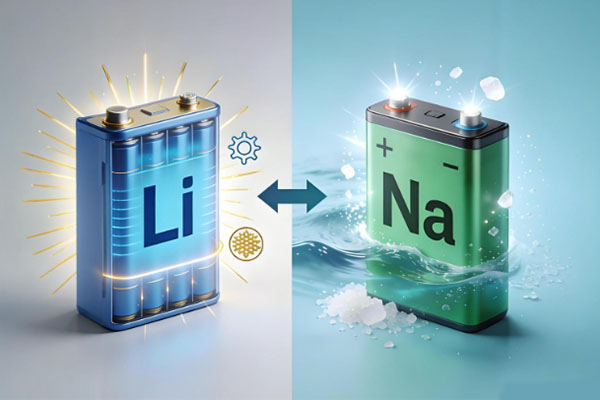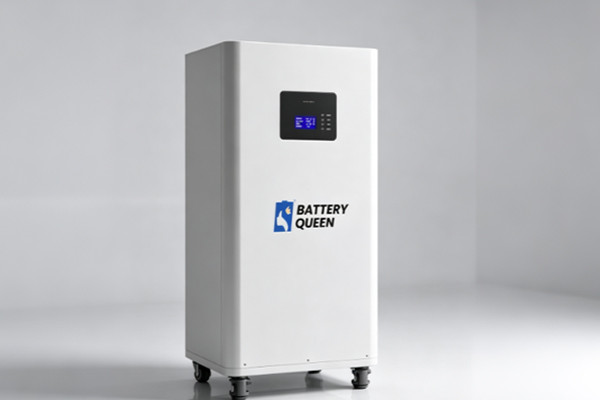
As the electric two-wheeler market continues to grow, power battery technology is also evolving. Traditional lead-acid batteries still hold a significant market share, while lithium-ion batteries have become an important option because of their relatively high energy density. In recent years, sodium-ion batteries have attracted increasing attention in the electric two-wheeler industry due to their abundant resources, good low-temperature performance, potential cost advantages, and safety characteristics. So, what are the benefits of using sodium-ion batteries in electric two-wheelers? From daily commuting, cold-weather operation, cost control, and battery supply perspectives, sodium-ion batteries offer considerable application potential.
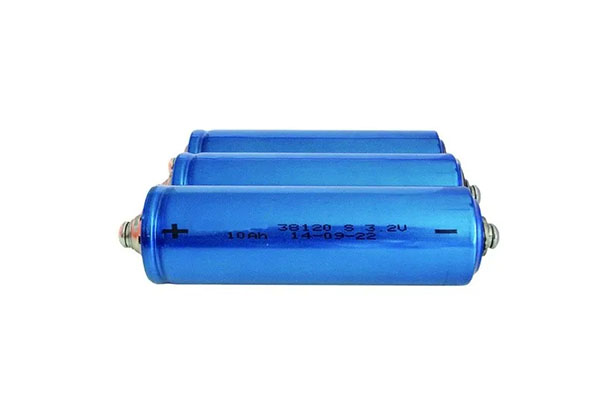
Why Are Sodium-Ion Batteries Suitable for Electric Two-Wheelers?
Battery Technology Matches Two-Wheeler Requirements
Electric two-wheelers are commonly used for urban commuting, short-distance delivery, and daily transportation. Their key battery requirements include driving range, charging efficiency, safety, cycle life, and environmental adaptability.
Compared with passenger electric vehicles that focus heavily on long driving ranges, electric two-wheelers have relatively flexible energy density requirements. Although sodium-ion batteries currently generally have lower energy density than mainstream lithium-ion batteries, they still have significant potential for urban and short-distance transportation.
Flexible Battery Pack Design
Sodium-ion batteries can be designed into battery packs with different capacities and voltage levels according to specific vehicle requirements. This makes them suitable for electric bicycles, electric motorcycles, and some lightweight electric three-wheelers.
For battery pack manufacturers, the number of cells, structural dimensions, and BMS configuration can be adjusted according to available vehicle space, required driving range, and load capacity. This flexibility allows sodium-ion battery systems to meet the power requirements of different vehicle models.
What Are the Advantages of Sodium-Ion Batteries for Electric Two-Wheelers?
Good Low-Temperature Performance
Cold weather is an important factor affecting the user experience of electric vehicles. When temperatures drop, some lithium-ion batteries may experience reduced capacity, slower charging, and shorter driving ranges.
Sodium-ion batteries can maintain relatively stable performance in low-temperature environments. This makes them attractive for electric two-wheelers used in regions with cold winters. For vehicles that need to operate throughout the year, better low-temperature performance can improve reliability during winter commuting and delivery operations.
Abundant Sodium Resources
Lithium is an important raw material for today’s power battery industry, while sodium is abundant and widely distributed. Sodium-ion batteries use sodium ions as the primary charge carriers, which can reduce the industry’s dependence on lithium resources.
For the electric two-wheeler market, the large number of vehicles in use means that a significant volume of batteries is required. The development of multiple battery technologies can improve the flexibility and resilience of the overall battery supply chain.
Potential for Cost Optimization
The raw material system used by sodium-ion batteries differs from that of lithium-ion batteries, with some materials being more abundant. As production capacity expands, manufacturing processes mature, and the supply chain develops, sodium-ion batteries have the potential to achieve further cost reductions.
For the price-sensitive electric two-wheeler market, battery costs directly affect the final vehicle price. If sodium-ion batteries achieve large-scale production, their potential cost advantages may become more apparent.
Safety Performance Deserves Attention
Electric two-wheelers operate in a wide range of environments. They may be parked outdoors, in underground garages, or in hot conditions for extended periods. Therefore, battery safety is particularly important.
Sodium-ion batteries have specific characteristics in terms of material systems and thermal stability. When combined with appropriate cell design, battery management systems (BMS), overcharge protection, temperature protection, and structural protection, the overall safety and stability of the battery system can be further improved.
Which Electric Two-Wheelers Are Suitable for Sodium-Ion Batteries?
Urban Commuting Electric Vehicles
Urban commuting generally involves relatively fixed routes and limited daily travel distances. These vehicles usually do not require extremely long driving ranges, making sodium-ion batteries a potential option for certain daily commuting models.
Delivery and Short-Distance Logistics Vehicles
Food delivery and courier vehicles are used frequently and require good cycle life, charging efficiency, and environmental adaptability. Sodium-ion batteries can be further optimized for these high-frequency operating scenarios and may become an important battery option for short-distance delivery vehicles.
Electric Two-Wheelers in Cold Regions
In regions with cold winters, battery low-temperature performance can directly affect practical driving range and power output. The low-temperature characteristics of sodium-ion batteries give them potential advantages in these markets.
What Challenges Do Sodium-Ion Batteries Still Face?
Energy Density Needs Further Improvement
Energy density remains an important issue when sodium-ion batteries compete with lithium-ion batteries. If a larger battery pack is required to achieve the same driving range, it may affect the vehicle’s weight, available space, and riding experience.
Further improvements in cathode and anode materials, cell design, and battery pack technology will be important for increasing the energy density of sodium-ion batteries.
The Supply Chain Is Still Developing
Compared with the mature lithium battery industry, the sodium-ion battery supply chain is still at an earlier stage of development. Large-scale production, industry standards, and practical market experience need further improvement.
Cell consistency, BMS compatibility, battery pack standardization, and manufacturing efficiency will also require continued optimization as the technology develops.
Future Prospects of Sodium-Ion Batteries for Electric Two-Wheelers
From a practical application perspective, sodium-ion batteries do not necessarily need to completely replace lithium-ion batteries. Instead, they can compete in specific markets through differentiated advantages.
Urban commuting, short-distance delivery, cold-weather operation, and cost-sensitive electric two-wheelers are all potential application areas for sodium-ion battery technology.
As cell energy density improves, manufacturing processes mature, and battery pack structures become more optimized, sodium-ion batteries are expected to gain broader application in the electric two-wheeler market.
For battery manufacturers and vehicle companies, selecting suitable cells, BMS solutions, battery pack structures, and protection systems will become increasingly important for improving product competitiveness.
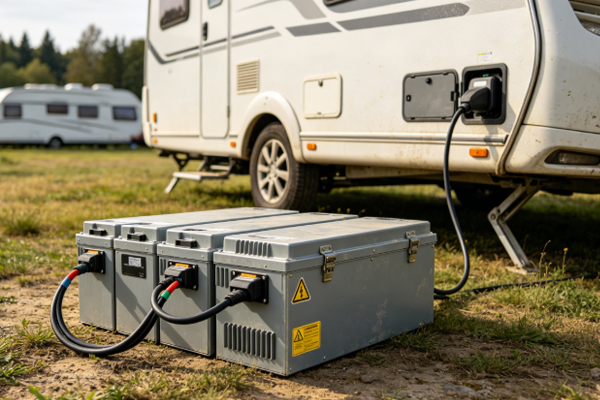
For electric two-wheeler battery pack production, transportation, and maintenance, professional protective cases also need to consider dimensions, load capacity, shock resistance, and internal space utilization. Properly designed toolboxes and equipment cases can help companies organize battery testing equipment, maintenance tools, and related components, providing practical supporting solutions for the electric two-wheeler battery industry.