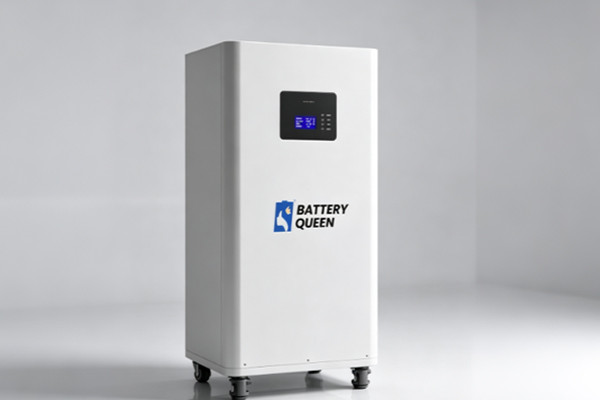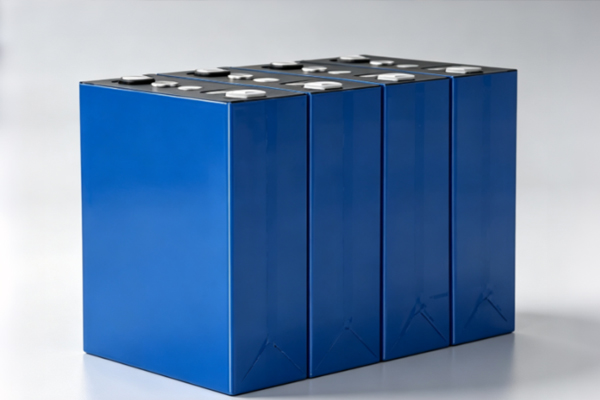
As commercial service facilities that operate continuously, hotels have high requirements for power stability and system reliability. Guest room lighting, air conditioning, elevators, front desk systems, kitchen equipment, laundry facilities, security systems, network communication equipment, and public area facilities all require a stable electricity supply. A hotel’s daily power demand can change with occupancy rates, business hours, seasonal conditions, and equipment operating status. A traditional single-source power supply may have limited flexibility when dealing with changing loads or unexpected power interruptions. A lithium battery power supply system combines battery energy storage, power conversion, intelligent control, and distribution equipment to create a more flexible electrical support structure for hotels. LiFePO4 batteries provide good cycle performance and stable energy storage characteristics, allowing them to charge and discharge according to system settings while working with BMS units, PCS equipment, inverters, and distribution systems. With proper system design, hotels can configure battery capacity and output power according to actual loads and apply the system to daily power regulation, critical load support, and continuous electricity supply.
Components and Advantages of a Hotel Lithium Battery Power Supply System
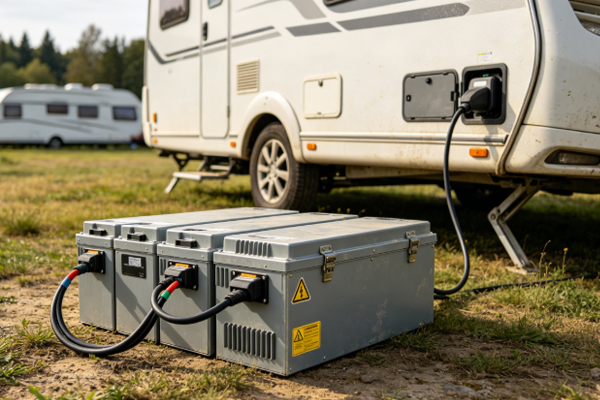
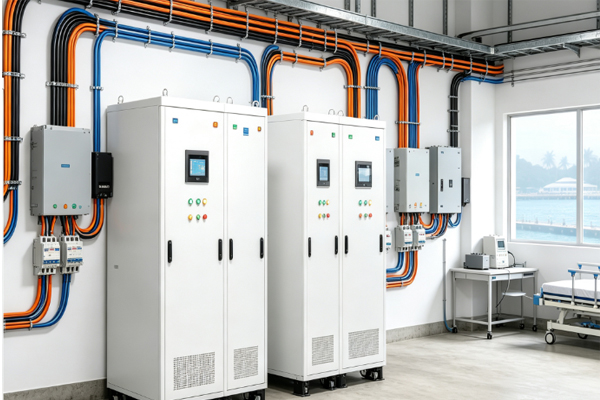
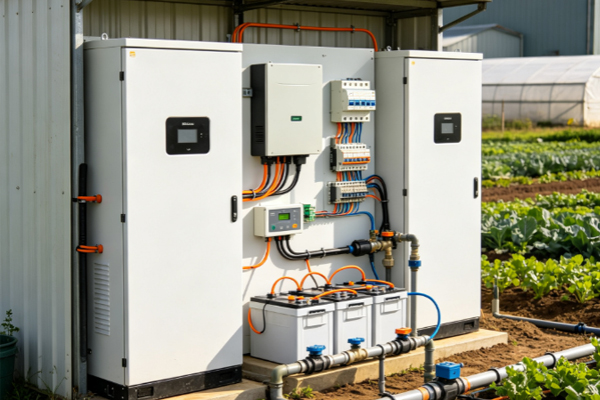
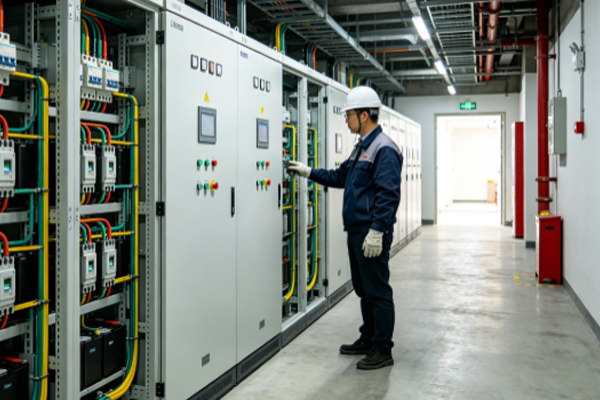
A hotel lithium battery power supply system does not rely on a single battery to complete the power supply task. It uses battery packs, battery management systems, inverters, charging equipment, distribution devices, and monitoring systems to form a complete electrical operating structure. LiFePO4 batteries store DC electrical energy, while the BMS continuously monitors battery operating conditions. An inverter or PCS performs power conversion, and the control system coordinates equipment operation according to actual electricity demand. Different hotels have different building sizes and load characteristics. Small hotels can configure lithium battery systems for selected critical loads, while larger hotels can design the system according to the number of guest rooms, public facilities, and major electrical equipment. With appropriate configuration, hotels can establish a clearer power supply structure and adjust system operating conditions according to changing electricity demand.
Main Advantages of Hotel Lithium Battery Power Supply Systems
When selecting a lithium battery power supply system, hotels need to consider energy storage capacity, cycle performance, system control capability, and equipment compatibility. LiFePO4 batteries can work with different electrical systems and help create a flexible power supply solution.
- Flexible power supply operation: The battery system can participate in power supply according to actual hotel electricity demand and selected operating strategies.
- Suitable for regular cycling: LiFePO4 batteries can support periodic charging and discharging for energy storage applications.
- Support for critical loads: The system can provide power support for selected equipment according to project requirements.
- Convenient system monitoring: The BMS can monitor battery voltage, current, temperature, and state of charge.
- Compatibility with intelligent control: The battery system can connect with energy management and monitoring platforms.
- Flexible capacity configuration: Hotels can select battery capacity according to actual loads and expected operating time.
- Modular expansion capability: System capacity can be adjusted according to future requirements when technical conditions are met.
These advantages allow lithium battery power supply systems to adapt to changing electricity requirements during long-term hotel operations while providing reliable energy storage support for power equipment.
How to Use a Hotel Lithium Battery Power Supply System
Before a hotel lithium battery power supply system is put into operation, the battery capacity, output power, and critical loads should be determined according to actual electricity demand. Project designers can calculate the rated power and operating time of major hotel equipment while considering the number of guest rooms, public areas, and normal equipment usage patterns to develop a load plan. During operation, the battery receives energy through charging equipment and can supply power to selected loads through an inverter or PCS when system conditions meet the established requirements. Hotels can configure different operating modes according to application needs. A daily energy storage mode can follow a planned charging and discharging schedule, while a critical load mode can reserve a specific amount of battery capacity for important equipment. A monitoring mode can continuously record operating information from the battery and power supply equipment. During use, operators should monitor battery SOC, equipment temperature, communication status, and system alarms and perform inspections and maintenance according to equipment requirements. Charging and discharging parameters should not be changed without proper evaluation and should follow manufacturer specifications and project design requirements. With appropriate capacity selection and standardized operation, a lithium battery power supply system can participate more reliably in daily hotel electrical operations.
Main Equipment in a Hotel Lithium Battery Power Supply System
A hotel power supply system requires several devices to work together. Each component performs specific tasks related to energy storage, power conversion, condition monitoring, and electricity distribution.
| Equipment | Main Function | Role in the Hotel Power Supply System |
| LiFePO4 Battery | Stores and releases electrical energy | Provides energy storage capacity for the system |
| BMS | Battery management | Monitors voltage, current, temperature, and SOC |
| Inverter | Power conversion | Converts DC power into AC power |
| PCS | Energy storage power control | Manages battery charging and discharging |
| Charging Equipment | Battery charging | Supplies energy to recharge the battery |
| Distribution Cabinet | Power distribution | Delivers electricity to different loads |
| Monitoring System | Operating data monitoring | Displays equipment status and alarm information |
| Communication Module | Data exchange | Enables information transfer between system components |
Proper configuration of these devices helps establish a complete operating chain for the hotel lithium battery power supply system and improves coordination between different components.
Application Scenarios and Functions of Hotel Lithium Battery Power Supply Systems
Hotels vary in size, operating models, and available facilities, so lithium battery power supply systems should be designed according to actual electrical loads. Guest rooms require electricity for daily guest activities, while front desk and management systems need to remain operational. Public area lighting and service equipment may also require continuous power. Kitchens, laundry rooms, and equipment rooms have different load characteristics and operating schedules. A lithium battery power supply system can assign different power supply tasks according to the hotel’s electrical distribution structure and manage battery operation through control equipment. In actual projects, system capacity and operating strategies should be professionally configured according to load importance, power demand, and expected supply duration so that the energy storage system can work effectively with existing hotel electrical facilities.
Power Supply for Guest Rooms and Public Areas
Guest rooms are an important source of daily hotel electricity consumption. Air conditioners, lighting, televisions, outlets, and other equipment can create changing loads depending on occupancy levels and guest activities. Public areas include hotel lobbies, corridors, elevator halls, lounges, and service spaces, where lighting and certain equipment may need to operate for extended periods. A hotel lithium battery power supply system can provide energy storage support for different areas according to the electrical distribution design while intelligent monitoring equipment records changes in actual electricity demand. Large hotels can configure separate systems or monitoring units based on floors or functional areas, making electricity conditions easier to manage. The system can also adjust power supply plans according to battery capacity and predefined operating strategies, helping prevent available battery energy from being used without proper planning. By managing guest room and public area loads effectively, hotels can better arrange battery operating periods and keep the energy storage system aligned with daily service requirements.
Power Support for Critical Hotel Equipment
Hotels contain electrical equipment that may require special attention during power system planning. Each project can determine the power supply range of the lithium battery system according to actual operating requirements. Proper load classification can improve the use of available battery capacity.
- Front desk and management equipment: The system can provide power support for hotel management terminals and related equipment based on project requirements.
- Network communication equipment: Appropriate energy storage support can be configured for network and communication systems.
- Security monitoring equipment: Cameras, access control systems, and other security devices can be connected to selected power circuits according to the project design.
- Public area lighting: Lighting in corridors, lobbies, and service areas can be managed according to load requirements.
- Equipment control systems: Selected automated control equipment can receive power support according to the power supply plan.
- Important service facilities: Power supply priorities can be established according to hotel operational requirements.
- Emergency communication equipment: A suitable amount of battery capacity can be reserved for necessary communication and management equipment.
By classifying critical equipment, hotels can establish power supply priorities based on equipment importance and make the lithium battery system more suitable for actual operational requirements.
Intelligent Monitoring and Automatic Power Supply Functions
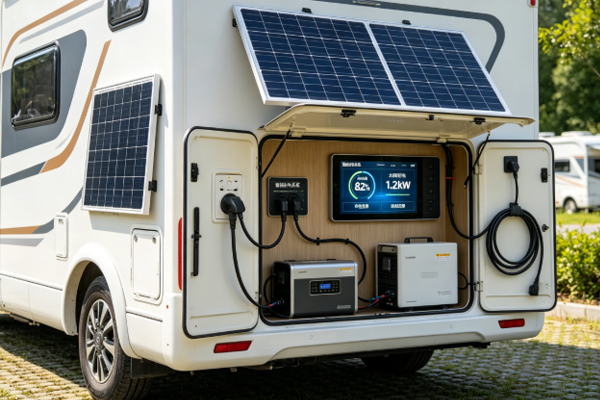
Modern hotel lithium battery power supply systems can continuously collect battery operating information through the BMS and monitoring platform, including voltage, current, temperature, SOC, and charging or discharging status. Hotel managers can use the monitoring interface to understand current battery capacity and the operating conditions of major power equipment and adjust supply plans when necessary. When automatic control functions are configured, the system can perform selected charging and discharging tasks according to predefined conditions, such as charging during scheduled periods or adjusting battery output based on changes in electrical load. Some systems can also provide alarm functions. When battery parameters or equipment operating conditions become abnormal, the monitoring platform can provide notifications to management personnel. Data recording functions can save system operating information and provide useful references for future maintenance and capacity planning. Intelligent monitoring does not mean that the system can operate without human supervision. Hotel maintenance personnel should still regularly inspect equipment conditions and operating records and perform maintenance when required. Combining automatic control with professional maintenance can improve the manageability and long-term operating stability of the hotel lithium battery power supply system.
High-Performance Lithium Battery Systems Support Long-Term Hotel Operations
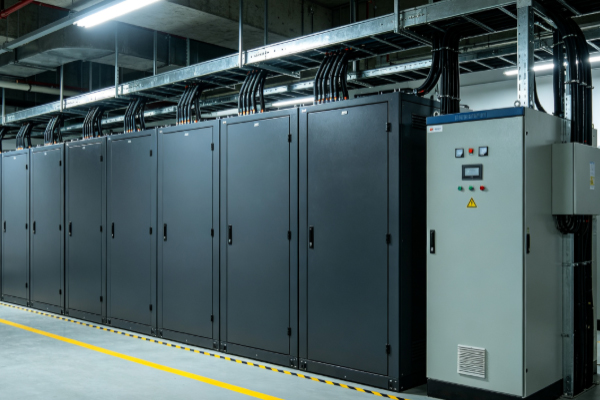
Hotels require power systems that can support long-term operation. Energy storage equipment needs to adapt to changing daily loads while maintaining stable operating conditions. LiFePO4 batteries provide performance characteristics suitable for stationary energy storage applications and can support long-term cycling when used under appropriate conditions. The BMS continuously monitors battery operating information, while the PCS and inverter manage power conversion according to system requirements. The distribution system delivers electricity to the required circuits. Stable coordination between these components is important for reliable hotel battery power supply operation. During project construction, equipment compatibility, installation conditions, ventilation and heat dissipation requirements, and future maintenance space should be considered. With proper design and standardized operation, a lithium battery power supply system can continue supporting daily hotel electrical management and provide reliable energy storage for different power requirements.
LiFePO4 Battery Performance and Long-Term Operation
LiFePO4 batteries are suitable for stationary energy storage systems that require regular charging and discharging. Their operating performance can be affected by charging and discharging power, ambient temperature, depth of use, and system control strategies. During long-term operation, the hotel lithium battery power supply system should use the BMS to continuously monitor battery conditions and manage the system within the operating ranges specified for the equipment. Proper charging and discharging schedules can help maintain stable system performance. For example, hotels can schedule battery participation in power supply according to actual loads instead of continuously operating the battery at unnecessarily high output levels. The installation environment should also meet project requirements to prevent the battery from operating for long periods under unsuitable temperature conditions. Maintenance personnel should regularly review battery data, system communication status, and equipment alarm records and perform maintenance according to manufacturer requirements. Standardized operating procedures and continuous monitoring can improve the long-term reliability of LiFePO4 batteries in hotel power supply systems.
Modular System Design and Future Expansion Capability
Hotel electricity demand may increase as business operations develop. Additional guest rooms, expanded dining areas, new conference facilities, or new service equipment can change the original load structure and require the energy storage system to be reassessed. A modular lithium battery power supply system can be configured according to current loads while providing flexibility for future capacity adjustments.
- Capacity selection based on actual loads: Battery capacity should be determined according to real electricity demand rather than building size alone.
- Reserved installation and maintenance space: Future battery modules and related equipment can be considered during the initial system design.
- Adaptation to hotel business growth: Power supply requirements can be reassessed when new facilities or services are added.
- Support for phased construction: The energy storage system can be developed gradually according to project budgets and operational requirements.
- Convenient centralized equipment management: Modular equipment can be configured under appropriate system compatibility conditions.
- Greater long-term flexibility: Hotels can adjust future energy storage planning as electricity demand changes.
A modular design allows hotels to gradually adjust the scale of their battery power supply systems according to actual operating requirements. When technical specifications and project design requirements are properly considered, the system can provide greater flexibility for long-term energy storage applications.
A hotel lithium battery power supply system combines LiFePO4 batteries, BMS units, inverters, PCS equipment, electrical distribution systems, and intelligent monitoring devices to establish a reliable energy storage and power supply structure. The system can provide appropriate electrical support for guest rooms, public areas, and critical equipment according to actual hotel loads while intelligent monitoring helps operators understand battery conditions and equipment operating status. Good cycle performance, flexible capacity configuration, critical load management, and modular design allow LiFePO4 batteries to support the long-term energy storage and power supply requirements of hotel operations. By designing the system according to hotel size, major loads, equipment operating schedules, and future development plans, hotels can improve the manageability and flexibility of their power infrastructure and establish a more reliable lithium battery energy storage power supply system.