Electric caulking guns are becoming increasingly common in construction, door and window installation, glass processing, furniture manufacturing, automotive repair, and industrial assembly. Compared with manual caulking guns, electric caulking guns rely on a motor to push the cartridge or tube, reducing the physical force required for manual dispensing and making continuous work easier. Electric caulking guns usually require a battery to provide relatively stable power. When the adhesive has a high viscosity or the ambient temperature decreases, the motor needs more force to push the material. If the battery output capacity is insufficient, problems such as slower dispensing, adhesive blockage, and shutdown may occur.
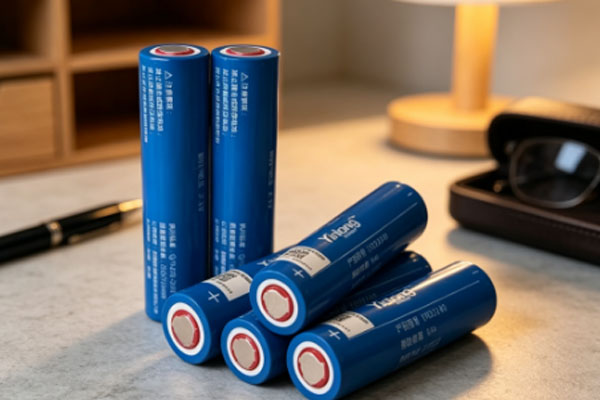
Therefore, ordinary consumer batteries are not necessarily suitable for professional electric caulking guns. Customizing a lithium battery according to the tool’s motor power, operating time, adhesive type, available space, and operating environment can help the battery work better with the complete tool. For electric caulking gun applications, LiFePO4 batteries offer good safety, long cycle life, and suitability for deep charge and discharge applications. By selecting suitable cells, battery capacity, BMS, battery structure, and connection methods, customized power supply solutions can be provided for different specifications of electric caulking guns.
Why Do Electric Caulking Guns Need Dedicated Lithium Batteries?
Battery Output Is Relatively Sensitive During Caulking
An electric caulking gun does not always operate under the same working conditions. After the switch is pressed, the motor starts pushing the adhesive forward. When the adhesive is thick, the cartridge is large, or the dispensing speed is high, the motor requires more power. If the battery cannot continuously provide stable current, insufficient power may be experienced during operation. Especially when applying high-viscosity materials such as construction sealants, structural adhesives, and glass adhesives, the resistance to pushing the material changes according to its condition.
Dedicated batteries for electric caulking guns usually need to meet the following requirements:
| Common Customization Considerations | |
| Battery Voltage | Determined according to the motor and overall tool design, such as 12V, 18V, 21.6V, 24V, etc. |
| Battery Capacity | Determined according to continuous operating time and tool power consumption |
| Cell Type | Selected according to safety, weight, service life, and cost requirements |
| BMS | Responsible for overcharge, over-discharge, overcurrent, short-circuit, and other protections |
| Housing | Customized according to the internal space and installation method of the caulking gun |
| Interface | Designed according to the tool and charger interface |
| Operating Environment | The solution is adjusted according to indoor, construction-site, high-temperature, or low-temperature environments |
Therefore, battery customization is not simply a matter of combining several cells. It requires a design based on the actual operating requirements of the electric caulking gun.
How to Choose the Battery Capacity
Some purchasers tend to directly associate a larger battery capacity with longer operating time. Battery capacity does affect runtime, but increasing capacity usually also increases the battery’s size and weight. Since electric caulking guns may need to be held by hand for extended periods, an excessively heavy battery can increase the burden on the user’s wrist and arm. If the tool itself is already relatively heavy and is equipped with a large battery, operating flexibility and comfort during continuous use may be affected. Therefore, the battery solution needs to balance runtime, weight, size, and cost.
Battery Structure Needs to Match the Tool Design
The internal space of an electric caulking gun is limited, and the position, length, width, and height of the battery compartment are restricted by the overall tool structure. If the customer already has a mature caulking gun housing, we can design the cell arrangement according to the battery compartment dimensions and reserve the necessary space for the BMS, wires, connectors, and protective structures. If the customer is developing a new product, the battery installation method can be determined at an early stage to reduce the need for later housing modifications. For removable batteries, a plug-in structure can also be designed according to the product positioning, allowing users to quickly replace spare batteries. For fixed devices, an integrated battery structure can be used to make the overall appearance more compact.
How Can LiFePO4 Batteries Be Used in Electric Caulking Guns?
Select the Battery Solution According to the Tool Voltage
Different electric caulking guns use different motors and therefore have different power supply voltage requirements. Common solutions can cover specifications such as 12V, 18V, 21.6V, and 24V. The specific voltage needs to be determined according to the motor, control board, and existing battery solution. If the customer already has a prototype, we can determine the appropriate battery solution based on the original battery label, tool specifications, and charger information. For new product development, the design can be based on motor power, target runtime, and product weight. LiFePO4 cylindrical cells typically have a nominal voltage of 3.2V, so different operating voltages can be achieved by connecting different numbers of cells in series.
The BMS Protects the Battery During Normal Operation
Electric tools may generate significant instantaneous current during startup and adhesive dispensing, so the BMS needs to be selected according to the battery pack and tool requirements. The BMS can protect the battery against overcharge, over-discharge, overcurrent, short circuit, and other conditions while helping control risks during battery operation. For battery packs consisting of multiple cell strings, cell balancing can also be added to help maintain good operating conditions across the cell strings. For electric caulking guns that frequently start and stop, the BMS should not be selected based solely on low cost. The tool’s starting current and continuous operating current also need to be considered. If the BMS output capacity is too low, the tool may have difficulty starting or may suddenly lose power during operation.
Different Battery Configurations for Different Applications
Home users typically use electric caulking guns for relatively short periods and place greater emphasis on portability and price. Professional contractors may use them continuously for several hours each day and pay more attention to runtime and battery life. Construction environments may also involve high temperatures, dust, and frequent transportation.
Therefore, we can provide different configurations according to the customer’s actual application:
Light-duty caulking guns: Focus on controlling battery size and weight, suitable for short-term applications.
Professional construction tools: Increase battery capacity to extend continuous operating time.
High-intensity applications: Focus on cell performance, BMS output capability, and battery heat dissipation.
OEM brand products: Customized according to the brand housing, interface, and battery compartment dimensions.
Electric Caulking Gun Lithium Battery Customization Process
Confirming the Tool Parameters
Before customizing the battery, it is necessary to understand the basic parameters of the caulking gun, such as rated voltage, motor power, battery compartment dimensions, connector type, expected operating time, and charging method. If the customer does not have complete battery design information, they can also provide the tool prototype, battery photos, battery label, or battery compartment dimensions. Engineers can further confirm the battery design requirements based on the available information. For batch projects, the target market and product certification requirements can also be confirmed in advance, because different countries and regions may have different requirements for lithium battery transportation, product safety, and related documentation.
Cell and Capacity Design
After confirming the basic tool parameters, the appropriate cell type and configuration method can be selected. LiFePO4 cells offer good safety performance and long cycle life, making them suitable for tool applications requiring repeated charging and discharging. If the customer places greater emphasis on lightweight design and higher energy density, other lithium battery solutions can also be discussed according to the actual project requirements. Battery capacity is calculated based on tool power and target operating time. If a tool needs to operate for long periods each day, instead of simply increasing battery capacity, runtime can be addressed through a combination of battery capacity, tool power consumption, and the number of spare batteries.
Conduct Sample Testing Before Mass Production
After the battery design is completed, samples can be produced first and installed in the electric caulking gun for actual testing. Testing can include startup, continuous caulking, use with different adhesives, charging, discharging, temperature rise, and protection functions. It is particularly important to note that laboratory test results may differ from actual construction environments, so real tool testing is very important. After sample approval, the project can proceed to mass production, reducing the probability of later issues such as unsuitable dimensions, inconsistent interfaces, or insufficient power.
How to Choose an Electric Caulking Gun Lithium Battery Supplier
Do Not Compare Battery Prices Only
Price is certainly important when purchasing batteries, but if a supplier is selected solely based on unit price, problems such as insufficient battery capacity, unstable runtime, and incompatibility between the BMS and tool model may occur later. It is necessary to consider whether the supplier has supporting capabilities for cells, battery packs, and BMS, as well as whether they can customize products according to specific requirements. Stable cell sourcing, manufacturing processes, testing procedures, and shipment management can all affect the final battery quality. Therefore, sample testing is recommended before establishing a long-term supplier relationship.
Confirm Whether the Supplier Can Provide Supporting Documentation
If electric caulking guns need to be exported, different markets may involve transportation and compliance documentation. Lithium batteries generally require corresponding documents according to the actual model and transportation method. We can provide applicable certificates, transportation test summaries, safety data sheets, and compliance reports for the battery models required by customers. The specific documents need to be confirmed according to the battery model, target market, and transportation requirements.
Pay Attention to Lead Time and After-Sales Support for Customized Batteries
A battery project does not end with a single purchase. Especially for OEM/ODM products, when the caulking gun product is upgraded, the battery may also need adjustments to its dimensions, capacity, connector, or BMS parameters. From sample development, parameter confirmation, and testing to mass production, clear communication needs to be maintained. For long-term customers, production and global logistics can be arranged according to purchasing plans to ensure a more stable battery supply.
Frequently Asked Questions
Can electric caulking guns use LiFePO4 batteries?
Yes, but it is necessary to confirm whether the tool’s operating voltage, motor, and control board are compatible. A LiFePO4 cell has a nominal voltage of 3.2V, so it cannot simply be replaced according to the number of cells in the original lithium battery. The number of cells in series and the charging method need to be reconfirmed.
Can the battery dimensions be customized?
Yes. The battery housing dimensions, cell arrangement, interface, wire length, and installation structure can all be designed according to the available tool space. After the customer provides the battery compartment dimensions or a sample, the solution can be further confirmed.
How large can the battery capacity be?
There is no universal answer. It needs to be determined based on tool power, operating time, and weight requirements. A battery with insufficient capacity will affect runtime, while an excessively large capacity may increase the tool’s weight. Therefore, comprehensive design is required.
Can the battery be manufactured under the customer’s brand?
OEM/ODM services can be provided. Battery housings, labels, capacity specifications, connectors, and packaging can be customized according to the customer’s product requirements. The specific details can be confirmed according to the project.
Can samples be provided for testing?
Yes. For newly developed electric caulking gun projects, it is recommended to produce samples first for actual tool testing. After confirming power, runtime, dimensions, and charging performance, the project can proceed to mass production.
We specialize in the R&D, production, and sales of LiFePO4 battery cells, battery packs, battery management systems (BMS), and energy storage systems. We can provide one-stop OEM/ODM services for products such as electric caulking guns, electric screwdrivers, electric nail guns, and electric cutting tools. We have production equipment and quality control processes and can design battery solutions according to tool voltage, capacity, dimensions, interface, and operating time. For export projects, we can provide applicable certificates, transportation test summaries, safety data sheets, and compliance reports for the required battery models. Specific documentation can be confirmed according to the product and target market.
If you are developing an electric caulking gun or looking for a stable lithium battery supplier, you can send our team your tool parameters, battery photos, battery compartment dimensions, or existing battery model. We can provide customized LiFePO4 battery services according to your actual product requirements, offering complete support from cell selection, battery pack design, and BMS configuration to sample production and mass production. Whether you are an electric tool brand, wholesaler, or OEM manufacturer, you can contact us to discuss your specific requirements. After providing your voltage, capacity, dimensions, tool power, and estimated purchase quantity, we can further confirm the battery solution and quotation.
WhatsApp: +86 15074995718
Email: info@deligreen.net