Electric screwdrivers are widely used in furniture assembly, electronic product manufacturing, automotive repair, construction and installation, industrial manufacturing, and home maintenance. Compared with traditional corded tools, cordless electric screwdrivers are more flexible to use and are not restricted by the length of a power cord. As a result, the requirements for supporting batteries are also increasing. A suitable lithium battery does more than provide power; it directly affects the electric screwdriver’s operating time, output stability, overall weight, charging efficiency, and safety. Since different screwdrivers vary in operating voltage, output current, battery compartment dimensions, connection methods, and frequency of use, the battery needs to be designed according to the complete tool.
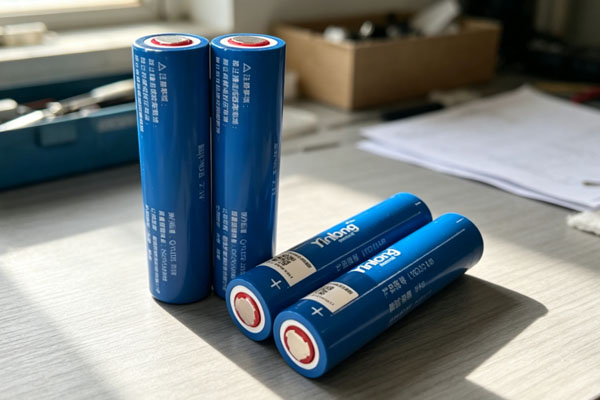
Professional-grade electric screwdrivers, in particular, can generate high instantaneous currents during continuous screw fastening, frequent starting and stopping, and high-load operation. If the battery capacity, discharge capability, or BMS protection settings are inappropriate, problems such as insufficient power, short runtime, battery overheating, or failure to operate normally may occur. To meet these requirements, we provide customized lithium battery services specifically for electric screwdrivers, covering the overall design from cell selection and battery structure to BMS configuration and finished-product testing. We can provide corresponding battery solutions based on the customer’s electric screwdriver model, operating voltage, power, installation space, and target market. For business customers requiring a stable supply, OEM/ODM production services are also available, allowing the battery to be designed to match the complete tool from the product development stage.
Why Electric Screwdrivers Need Customized Lithium Batteries
Operating Voltage Determines the Basic Battery Solution
Common battery voltages for electric screwdrivers include 12V, 16V, 18V, and 20V, while some professional tools use higher voltages. It should be noted that the “20V” indicated in electric tool marketing does not necessarily correspond exactly to the actual nominal voltage of the lithium battery. For example, a battery pack made from 3.2V LiFePO4 cells can increase its overall voltage through series connection. The number of cells connected in series directly affects the output voltage, while cell capacity affects the amount of energy that can be stored. Therefore, when determining battery specifications, it is not sufficient to consider Ah capacity alone. The rated voltage and motor power of the electric screwdriver must also be considered. For frequently used electric screwdrivers, simply increasing battery capacity without considering discharge capability may result in a battery that appears to have “more capacity” but still provides insufficient power during actual operation. Therefore, battery design needs to be confirmed together with the specifications of the complete tool.
Capacity Determines Runtime
Battery capacity is usually expressed in Ah. For example, 12V 2Ah and 12V 4Ah batteries have similar nominal voltages, but a 4Ah battery can store more energy and can generally provide a longer operating time under the same working conditions. However, as battery capacity increases, the weight and size of the battery pack will also generally increase.
| Main Battery Parameter | Main Impact | Common Application Considerations |
| Voltage | Motor operating status | Needs to match the rated voltage of the complete tool |
| Capacity Ah | Operating time | Suitable for selection based on daily operating hours |
| Discharge capability | Output power | More important for tools with frequent starting/stopping and high loads |
| Battery dimensions | Installation method | Needs to be designed according to the battery compartment space |
| Battery weight | Handheld comfort | Especially important for long-term operation |
| BMS protection | Operating safety | Configured according to cell and tool parameters |
Customized Battery Dimensions
The internal space of an electric screwdriver is limited. The battery must not only “work” but also fit properly inside the tool. Cell arrangement, protection board position, cable length, connector type, and housing structure can all affect final assembly. If the customer already has a mature electric screwdriver product, we can customize the battery according to the battery compartment dimensions, interface position, and overall tool structure. For customers who are still in the product development stage, we can also assist in designing the battery structure based on the target battery specifications. This approach can reduce the need to modify the tool housing at a later stage and make subsequent mass production easier.
How Can LiFePO4 Batteries Be Used for Electric Screwdrivers?
Select Cells According to the Operating Environment
Electric screwdrivers are high-frequency tools, and their batteries often experience repeated cycles of starting, stopping, and restarting. In renovation, factory assembly, and maintenance applications, a tool may be used dozens or even hundreds of times per day. Therefore, battery stability and cycle performance are particularly important. LiFePO4 batteries offer good safety, stability, and cycle performance, making them suitable for certain power-tool applications that have higher requirements for safety, service life, and stability. However, not every electric screwdriver must use the same type of cell. The final solution should also be determined according to voltage, power, discharge current, weight limitations, and cost requirements. Our engineering team can screen cells according to the tool specifications rather than simply recommending a battery based on capacity.
Cell Series and Capacity Design
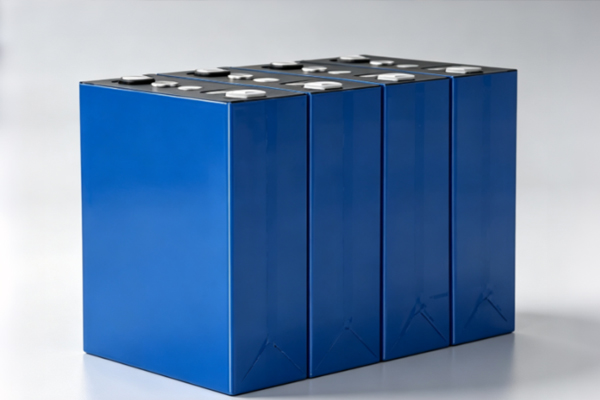
Lithium battery packs are generally assembled from multiple cells. When a higher voltage is required, the number of cells connected in series can be increased; when greater capacity is required, the number of cells connected in parallel can be increased. For example, the nominal voltage of a single LiFePO4 cell is 3.2V. If 16 cells are connected in series, the nominal voltage of the battery pack is 51.2V. This structure is suitable for higher-voltage energy storage or power applications, but it does not mean that it is suitable for electric screwdrivers. The final number of cells in series and parallel must be determined according to the voltage and current requirements of the complete tool. Therefore, when customizing a power-tool battery, the customer only needs to provide basic tool parameters, such as rated voltage, power, operating time, and installation dimensions, and we can further complete the battery pack design.
BMS Helps the Battery Operate More Stably
BMS, or Battery Management System, is a control system responsible for monitoring and protecting the battery. The current of an electric screwdriver changes during operation. If abnormal conditions such as overcharging, over-discharging, overcurrent, or short circuits occur, the BMS can take protective measures according to its configured parameters. During customization, we configure the BMS according to the series-parallel structure of the battery and the actual operating requirements of the tool, allowing the battery to receive appropriate protection during both normal operation and abnormal conditions.
Electric Screwdriver Lithium Battery Customization Process
Start by Confirming Tool Parameters
Before customizing the battery, customers can provide the electric screwdriver model, rated voltage, power, battery compartment dimensions, interface pictures, and target capacity. If an original battery is available, the information on the original battery label can also be provided. These materials help engineers quickly understand the product requirements. For customers who do not have complete battery specifications, the electric screwdriver product information can be provided first. The engineering team can then determine which additional parameters need to be confirmed based on the available information.
Determine the Cells, Capacity, and Structure
After the basic requirements are confirmed, the cell type, battery series-parallel configuration, capacity, BMS, and housing solution can be determined. For example, if a customer requires a long operating time but does not want to significantly increase the weight, the design needs to comprehensively consider cell capacity, tool power, and the actual operating duty cycle. If the customer requires bulk purchasing, battery cost, production processes, testing requirements, and long-term supply stability also need to be considered simultaneously.
| Customization Item | Confirmable Content |
| Battery type | LiFePO4 and other options |
| Voltage | Customized according to tool requirements |
| Capacity | Determined according to runtime requirements |
| Cells | Selected according to discharge and service-life requirements |
| BMS | Configured according to battery pack parameters |
| Housing | Designed according to the tool battery compartment |
| Interface | Customized according to the equipment interface |
| Packaging | Customized according to transportation and sales requirements |
| Labeling | OEM available according to brand requirements |
Proceed to Mass Production After Sample Testing
After the sample is completed, it needs to be installed on the actual electric screwdriver for testing. Key performance should be observed during startup, continuous operation, frequent starting and stopping, charging, and high-load operation. If the battery dimensions, interface, capacity, or protection parameters need to be adjusted, modifications can be made before mass production. Sample confirmation can reduce the risk of unsuitable dimensions, incompatible interfaces, or performance that does not meet requirements after bulk purchasing. After the sample is approved, the process can proceed to mass production, finished-product inspection, packaging, and delivery.
Safety and Bulk Purchasing of Electric Screwdriver Lithium Batteries
Cell Safety Grade
Battery safety is related to the cells, BMS, connection processes, housing, and charging equipment. During production, attention needs to be paid to cell consistency, welding quality, wiring connections, insulation treatment, and finished-product testing. Power-tool batteries, in particular, need to withstand frequent changes in current, and the reliability of connection points directly affects long-term operation. Therefore, when purchasing batteries, businesses should not only compare unit prices. Cell grade, manufacturing processes, testing standards, and after-sales support should also be included in the purchasing evaluation.
Convenient for Export
If electric screwdrivers and their supporting lithium batteries need to be exported, different countries and transportation methods may involve different compliance documents. Based on the customer’s product model and target market, we can assist in confirming applicable battery documentation, including access certificates for applicable battery models, transportation test summaries, safety data sheets, and relevant compliance reports. After the customer confirms the destination country, transportation method, and product model, they can communicate with our team in advance, making it easier to prepare the required documentation.
Long-Term Supply Capability
Mass production requires not only consistent battery performance but also stability between different production batches. Once battery specifications, labels, interfaces, packaging, and production requirements are confirmed, they should be kept as consistent as possible to facilitate subsequent assembly and sales. We provide OEM/ODM services and can design and manufacture battery solutions according to customer brands, tool models, and purchasing quantities, providing LiFePO4 cells, battery packs, DIY battery boxes, BMS accessories, and scalable energy storage solutions for buyers worldwide.
Frequently Asked Questions
Can Electric Screwdrivers Use LiFePO4 Batteries?
Yes, but the rated voltage, operating current, installation space, and motor parameters of the electric screwdriver need to be confirmed. LiFePO4 batteries offer good safety, stability, and cycle performance. However, the voltage of an individual cell differs from that of some commonly used lithium-ion cells. Therefore, the original battery’s series configuration cannot simply be copied, and the battery pack needs to be redesigned.
Is a Larger Battery Capacity Always Better?
No. A larger capacity generally means longer runtime, but it can also increase battery weight and size. For handheld electric screwdrivers, an excessively heavy battery can affect long-term operating comfort. Therefore, a more suitable approach is to determine the battery capacity according to the tool power and actual operating time.
Can Batteries Be Customized According to the Original Battery?
Yes. If the customer has an original battery, they can provide the battery label, dimensions, interface pictures, and physical battery information. We can use these materials to confirm the solution. OEM/ODM customization is also available for customers with specific brand and model requirements.
What Is the Minimum Order Quantity?
The specific minimum order quantity needs to be confirmed according to the battery model, structure, materials, and level of customization. Standard solutions and fully customized solutions have different production requirements. Business customers can provide the estimated purchasing quantity directly, and we can provide a corresponding production solution and quotation based on their requirements.
Customized Power Tool Support
We specialize in the R&D, production, and sales of LiFePO4 cells, battery packs, Battery Management Systems (BMS), and energy storage systems. With a comprehensive production and quality control system, we provide one-stop OEM/ODM services for electric screwdrivers, power tools, and other equipment. If you are developing a new electric screwdriver product or looking for a new battery supplier to replace your existing supplier, simply provide the tool voltage, power, required battery capacity, battery compartment dimensions, interface pictures, and estimated purchasing quantity, and our engineering team can assist in evaluating a suitable battery solution. At the same time, based on the product model and target market, we can assist in confirming relevant documentation, including access certificates for applicable battery models, transportation test summaries, safety data sheets, and compliance reports.
Fast Response: Within 24 Hours
Professional Team: Engineering Support
Price Advantage: Direct from Manufacturer
Delivery Service: On-Time Production, Global Logistics
An electric screwdriver may appear to be just a small power tool, but its battery requirements are not simple. A truly suitable lithium battery needs to take into account operating voltage, capacity, output capability, dimensions, weight, interface, and safety protection at the same time. Especially for businesses purchasing in bulk, if the battery does not match the tool properly, it can not only affect production assembly but may also increase after-sales and replacement costs. Therefore, when selecting a battery supplier, it is not recommended to compare only “how much does each battery cost.” More importantly, you should consider whether the supplier can customize the battery according to your tool, whether it can maintain stable production, whether it can provide sample testing, and whether it can assist in preparing relevant documentation for export. Whether you already have a mature product and need to find a new battery supplier, or are developing a new power tool, we can provide a corresponding LiFePO4 battery solution based on your actual requirements. You only need to provide your product specifications and purchasing requirements, and the professional team can assist with the remaining battery design, sampling, production, and delivery.
WhatsApp: +86 15074995718
Email: info@deligreen.net