Lithium iron phosphate (LiFePO4) batteries are widely used in energy storage, electric vehicles, RVs, backup power systems, and solar power systems because of their long cycle life, stable electrochemical performance, good safety characteristics, and relatively low maintenance requirements. As the capacity and application range of LiFePO4 batteries continue to expand, dedicated chargers have also become an important component of battery systems. A LiFePO4 battery charger needs to match the battery’s nominal voltage, capacity, maximum charging current, and BMS specifications. It also needs to use an appropriate constant-current and constant-voltage charging process to supply energy to the battery. Different applications have different requirements for charger power, portability, cooling, input power, and protection functions. For example, a compact charger can be used with a small 12.8V battery for outdoor equipment, while a higher-power charger may be required for a 51.2V large-capacity battery used in a residential or commercial energy storage system. Understanding where LiFePO4 battery chargers are commonly used can help users select suitable charging equipment according to their battery system.
LiFePO4 Battery Chargers for Residential Energy Storage and Solar Systems
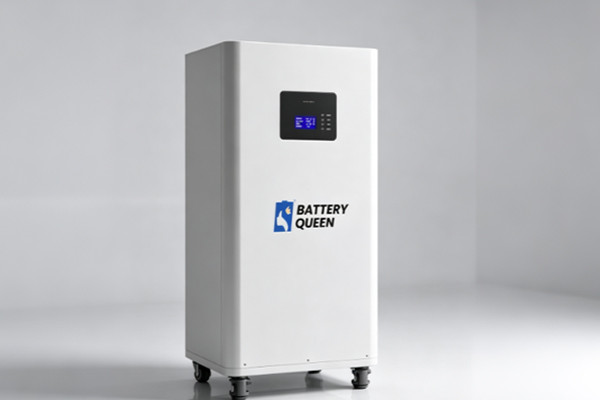
Residential energy storage is one of the common applications for LiFePO4 battery chargers. Home energy storage batteries are often combined with solar photovoltaic systems, hybrid inverters, or independent energy storage equipment. During the day, electricity generated by solar panels can be stored in the battery and then used at night or during a power outage. Common 51.2V LiFePO4 energy storage batteries generally use a 16-cell series configuration, so the charger needs to match the battery’s specified maximum charging voltage and current. For standalone energy storage equipment, a dedicated charger can connect directly to the battery to replenish its energy. In a solar energy storage system, charging may instead be controlled by an MPPT controller or hybrid inverter.
Residential applications place relatively high requirements on charger stability and safety protection because the equipment may be charged repeatedly every day. Protection against overvoltage, overcurrent, short circuits, and excessive temperature can provide additional protection under abnormal conditions. For large-capacity residential energy storage batteries, users should also consider charger output power, cooling design, and continuous operating capability. Proper charger selection allows the battery to receive a stable charging current and better meet daily household electricity requirements.
LiFePO4 Chargers for RVs, Boats, and Portable Power Systems
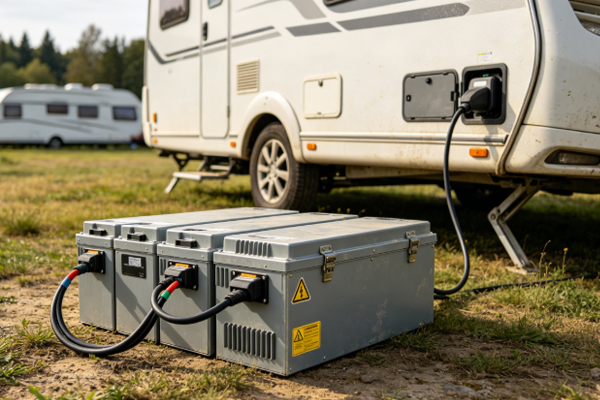
RVs and boats often need to store sufficient energy within limited space, making LiFePO4 batteries a popular choice for mobile power systems. Compared with traditional lead-acid batteries, LiFePO4 batteries offer good cycle performance and high usable capacity, allowing them to supply electricity for lighting, refrigerators, communication equipment, entertainment systems, and other onboard devices. 12.8V and 25.6V LiFePO4 batteries are commonly used in mobile power systems. Users can select a suitable charger according to battery capacity and the vehicle’s electrical system.
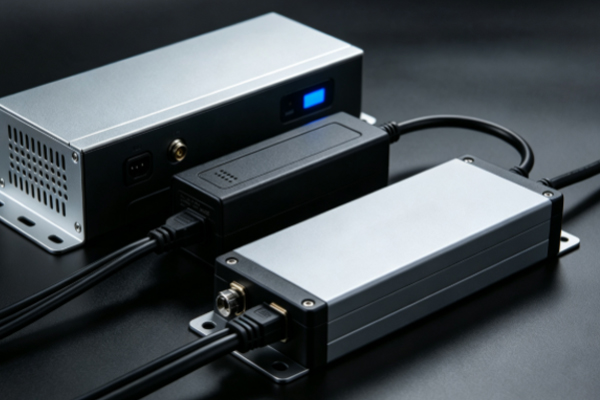
Chargers used in RV applications also need to consider different power sources. A vehicle may charge its battery through shore power, a generator, solar panels, or another power source, and each charging method may require compatible equipment. For outdoor applications, charger size, weight, cooling performance, and protective design can also be important. For frequently moved power systems, the charger should have reliable connections and operate consistently under suitable environmental conditions. Marine energy storage systems require additional attention to equipment protection and electrical safety in humid environments.
Common Applications of LiFePO4 Battery Chargers
LiFePO4 chargers are not limited to residential energy storage and RV systems. As long as the battery uses LiFePO4 chemistry and the charging parameters are compatible, the charger can be used in many types of power equipment. During selection, users should consider battery capacity, nominal voltage, BMS specifications, and the operating environment.
- Backup power systems: Communication equipment, monitoring systems, alarm systems, and important electronic devices can use LiFePO4 batteries as backup power sources. The charger replenishes the battery when the main power supply is available.
- Solar energy storage: Solar systems can store electricity generated during the day in LiFePO4 batteries. A charger or solar charge controller manages the charging process according to system parameters.
- Electric equipment: Some low-speed electric vehicles, power tools, and other electric equipment use LiFePO4 batteries and require dedicated chargers that match their voltage and current specifications.
- Portable power systems: Outdoor work, emergency power supplies, and portable energy storage equipment can use LiFePO4 batteries. Portable chargers allow users to replenish battery energy in different locations.
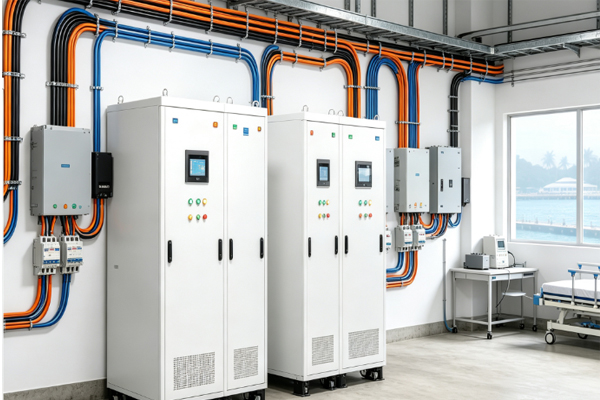
- Commercial and industrial energy storage: Factories, commercial buildings, and small industrial energy storage systems can use large-capacity LiFePO4 batteries. Charging equipment needs to provide suitable power and control capabilities for the energy storage system.
The requirements for chargers vary between applications, but the basic principle remains the same: voltage, current, and charging mode must match the battery specifications. Selecting the correct equipment helps the LiFePO4 battery maintain stable charging performance in practical applications.
How to Choose a LiFePO4 Charger for Different Applications?
Different operating environments have different requirements for battery chargers, so a single charger specification cannot be used for every LiFePO4 battery system. Small portable power systems generally place greater emphasis on compact size, low weight, and portability, while residential energy storage focuses more on continuous operation, thermal management, and safety protection. Commercial and industrial energy storage systems may require higher output power, system communication, and coordination with the BMS and energy management equipment. Before selecting a charger, users should confirm the battery’s nominal voltage and maximum charging voltage. For example, common 12.8V batteries generally use a charging voltage of approximately 14.6V, 25.6V batteries approximately 29.2V, and 51.2V batteries approximately 58.4V. The exact values must always follow the specifications of the specific battery.
- Small battery systems: Choose compact chargers with stable output and select the charging current according to battery capacity.
- RVs and outdoor equipment: Portable chargers with compact designs, effective cooling, and convenient connections can be suitable for mobile applications.
- Residential energy storage: Pay close attention to continuous operating capability, protection functions, output stability, and compatibility with the energy storage system.
- Commercial and industrial energy storage: Large-capacity batteries generally require higher-power charging equipment. The compatibility between the BMS, inverter, and energy management system should also be confirmed.
- Backup power systems: Long-term standby capability and repeated charging performance are important to ensure that the battery maintains sufficient usable energy when backup power is required.
Combining the operating environment, battery specifications, and overall system configuration makes it easier to determine the right charger and reduces charging problems caused by incompatible parameters.
What Should You Consider When Using a LiFePO4 Battery Charger?
When using a LiFePO4 battery charger, confirm that the charger is specifically designed to support LiFePO4 batteries and check whether its output voltage and current meet the battery manufacturer’s requirements. Batteries with different voltage ratings should not share chargers arbitrarily. For example, a charger designed for a 51.2V battery system should not be directly used with a 12.8V battery. Before connecting the charger, check the positive and negative terminals, cables, and connectors to prevent reverse polarity or poor electrical contact.
The charger should operate in a well-ventilated environment and should not be placed in a sealed or excessively hot location for extended periods. For RV, outdoor energy storage, and marine systems, the appropriate equipment protection level should be selected according to the actual environment. If abnormal heating, alarms, repeated charging interruptions, or BMS protection occur during charging, stop using the equipment and check the battery, charger, and connecting cables.
LiFePO4 battery chargers can be used in residential energy storage, solar energy systems, RVs, boats, portable power systems, backup power supplies, and commercial and industrial energy storage. Different applications require different voltage, current, power, and structural designs. When purchasing a charger, users should follow the charging parameters provided by the battery manufacturer and select equipment compatible with the LiFePO4 battery and BMS. A properly matched charger can provide a stable charging process and help maintain reliable operation of the entire battery system.