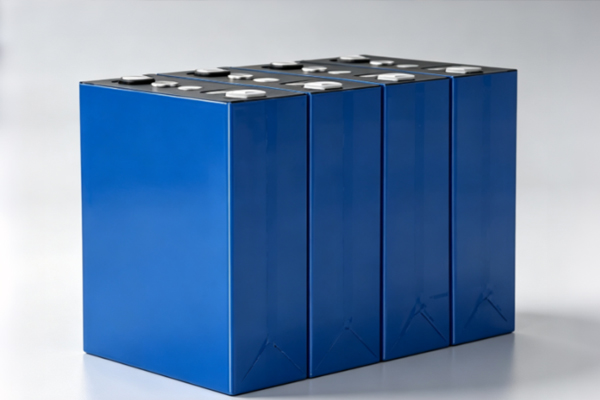
Electric buses undertake frequent, long-duration passenger transport tasks every day. Their battery systems must withstand continuous charging and discharging, high-load operation, frequent starts and stops, and complex road conditions. If the battery experiences abnormal temperature, voltage deviation, or connection failure, it may affect vehicle range and normal operation. Safety management should cover battery cells, battery packs, the BMS, thermal management, and vehicle operating data to help operators reduce maintenance pressure.
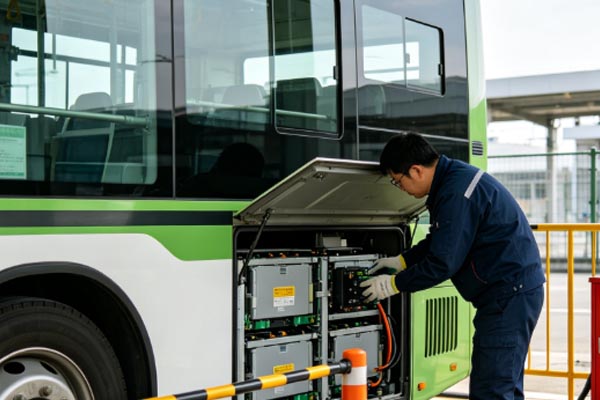
Key Safety Risks That Require Attention in Electric Bus Batteries
Electric bus batteries have large capacities and long operating times. Safety management should not focus on a single component but should identify potential risks based on actual operating conditions.
Battery Cell Condition and Consistency Management
Battery packs with multiple series and parallel connections may develop differences in voltage, capacity, and internal resistance during long-term operation. Proper battery cell management helps reduce localized abnormalities.
- Voltage Difference Monitoring: Continuously collect individual cell voltage changes to identify abnormal cells in a timely manner.
- Temperature Condition Monitoring: Collect temperature data from key areas of the battery pack to detect localized temperature increases.
- Consistency Screening: Strengthen cell matching during battery pack production to reduce performance deviations during long-term operation.
Good battery cell consistency provides a reliable data foundation for BMS management and vehicle operation.
Pay Attention to the Impact of High-Load Operation
When a bus starts, climbs hills, or operates under full load, the battery output current increases significantly, and the thermal and electrical stress on the system also rises. Properly evaluating vehicle routes, loads, and operating frequency can make battery parameter design better suited to actual operating conditions. Operators should also optimize battery usage schedules based on charging periods and vehicle rotation arrangements.
How the BMS Builds a Safety Protection System for Electric Bus Batteries
The BMS is an important control unit for battery safety management. It must continuously collect operating data and perform monitoring and protection according to preset strategies.
Establish a Real-Time Multi-Parameter Monitoring Mechanism
The BMS can establish a monitoring system based on voltage, current, temperature, SOC, and other data. Key functions include:
- Overcharge and Over-Discharge Protection.
- Overcurrent and Abnormal Current Protection.
- Individual Cell Voltage Monitoring.
- Abnormal Temperature Alarms.
- Battery Cell Balancing Management.
When monitoring data shows abnormal trends, the system can issue alarms or activate protective measures according to preset strategies, reducing the risk of prolonged operation under abnormal conditions.
Manage Battery Condition Data Effectively
Long-term data reflects battery condition more accurately than a single alarm. Operators can focus on the following information:
- SOC Changes: Determine the remaining energy and driving range.
- Temperature Records: Identify abnormal temperature increases during charging, driving, or parking.
- Voltage Difference: Determine whether battery cell consistency has declined.
- Charge and Discharge Cycles: Evaluate battery life and schedule maintenance.
- Alarm Records: Analyze alarm frequency and potential faults.
Continuous analysis of this data helps identify battery performance degradation in a timely manner and supports the proper scheduling of vehicle maintenance.
Thermal Management Is Essential for the Safe Operation of Electric Bus Batteries
Electric bus batteries have relatively large capacities, and long-term high-power operation generates heat. Thermal management solutions need to balance heat dissipation efficiency, temperature uniformity, and the actual installation conditions of the vehicle.
Match the Cooling Method to the Battery System’s Operating Conditions
Different vehicle models, battery capacities, and operating environments have different thermal management requirements. Solutions can be designed according to actual needs:
| Thermal Management Method | Main Features | Key Application Considerations |
| Air Cooling | Relatively simple structure and convenient maintenance | Suitable for battery systems with relatively controllable cooling requirements |
| Liquid Cooling | Higher heat exchange efficiency and better temperature uniformity | Suitable for high-power, large-capacity battery systems |
| Intelligent Temperature Control | Adjusts operating strategies based on temperature data | Suitable for vehicles with higher temperature control requirements |
A suitable thermal management method helps maintain a stable operating temperature and reduce localized heat accumulation.
Strengthen Management in High- and Low-Temperature Environments
High temperatures in summer, low temperatures in winter, and long operating periods can all affect battery condition. Temperature monitoring and thermal management should therefore be strengthened:
- High-Temperature Monitoring: Detect localized temperature increases and abnormal heat generation in a timely manner.
- Low-Temperature Management: Maintain a suitable temperature through heating or insulation measures.
- Operation Monitoring: Continuously track battery temperature changes to reduce the risk of heat accumulation.
- Equipment Coordination: Adjust cooling, heating, and temperature control equipment according to temperature data.
- BMS Coordination: Assess battery condition based on BMS data and issue timely warnings when abnormalities are detected.
The coordination between temperature control and the BMS helps improve battery operating stability and ensure the safe operation of electric buses.
Establish a Complete Safety Management Solution from Production to Operation
For electric bus operators and battery procurement companies, safety management does not begin only after vehicles are put into service. Battery cell screening, structural design, production testing, and after-sales maintenance should also be included in the management system.
Control Quality During the Battery Pack Manufacturing Stage
The production process can include systematic testing of battery cells, connection structures, insulation, and the BMS:
- Battery Cell Screening: Control batch differences and improve cell consistency.
- Connection Inspection: Check welding, connectors, and wiring harnesses to reduce the risk of contact abnormalities.
- Insulation Testing: Check the insulation performance between conductive components and the enclosure.
- Complete Pack Testing: Conduct necessary performance and safety tests on the battery pack.
A comprehensive quality control process can reduce the likelihood of potential problems entering the vehicle operation stage.
Establish an Operation-Stage Warning and Maintenance Mechanism
After electric buses enter operation, inspection intervals should be established based on actual vehicle operating data. Battery packs showing abnormal temperatures, increased voltage differences, frequent alarms, or significant changes in driving range should be inspected by qualified professionals in a timely manner. Charging records, operating mileage, and fault logs should also be reviewed regularly so that maintenance plans can be adjusted promptly.
Configure Solutions According to Vehicle Models and Routes
Different electric buses vary in passenger capacity, range requirements, charging methods, and operating routes. A standard solution may not meet all application needs. Customized solutions can be matched according to the voltage platform, battery capacity, BMS functions, thermal management structure, installation dimensions, and communication interfaces, allowing the battery system to better meet the requirements of the complete vehicle.
A comprehensive electric bus battery safety management solution should cover multiple stages, including battery cell screening, system integration, operation monitoring, and after-sales service. By establishing clear fault warning mechanisms, standardized inspection procedures, and continuous data analysis systems, operators can gain a more timely understanding of battery condition, schedule maintenance properly, reduce unexpected service interruptions, and provide stronger support for the daily dispatch and long-term operation of public transportation vehicles.