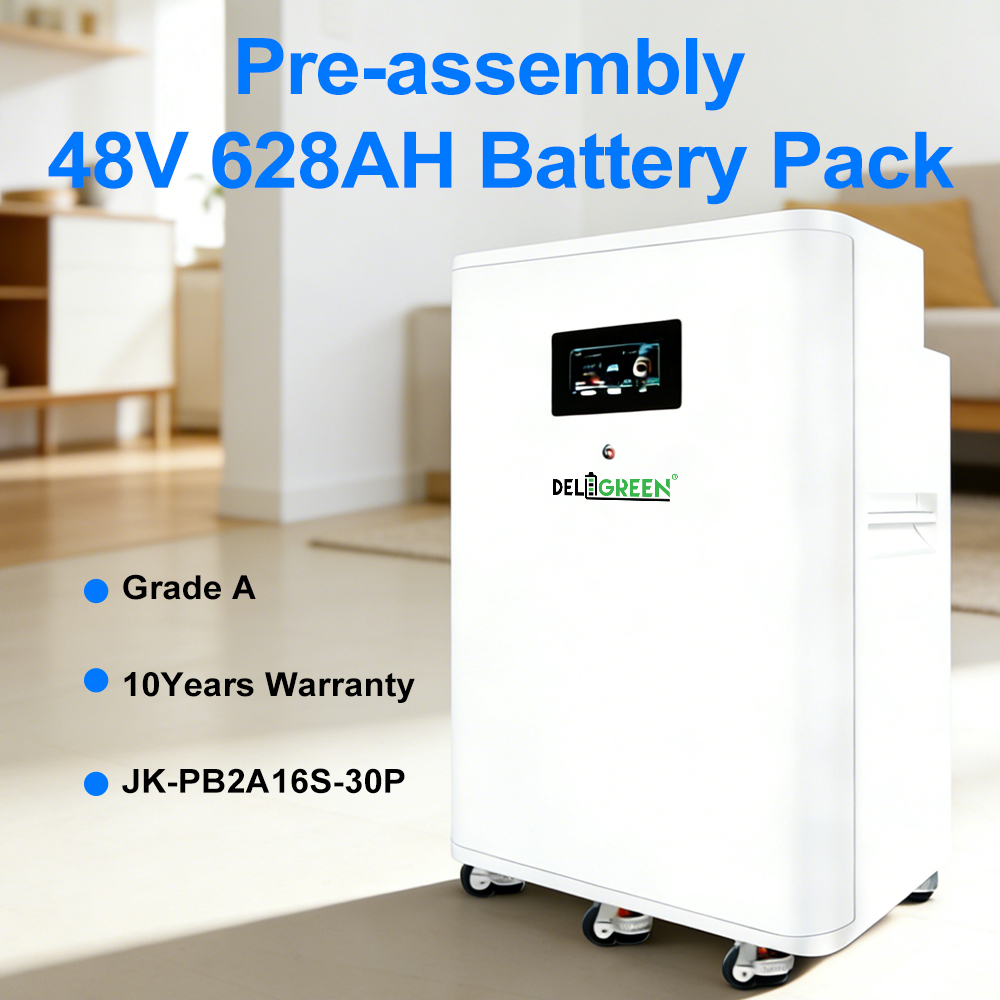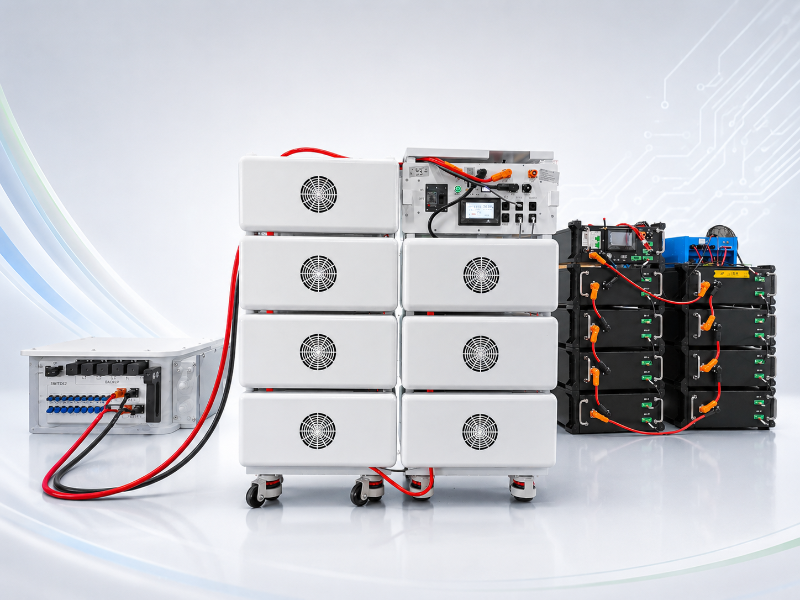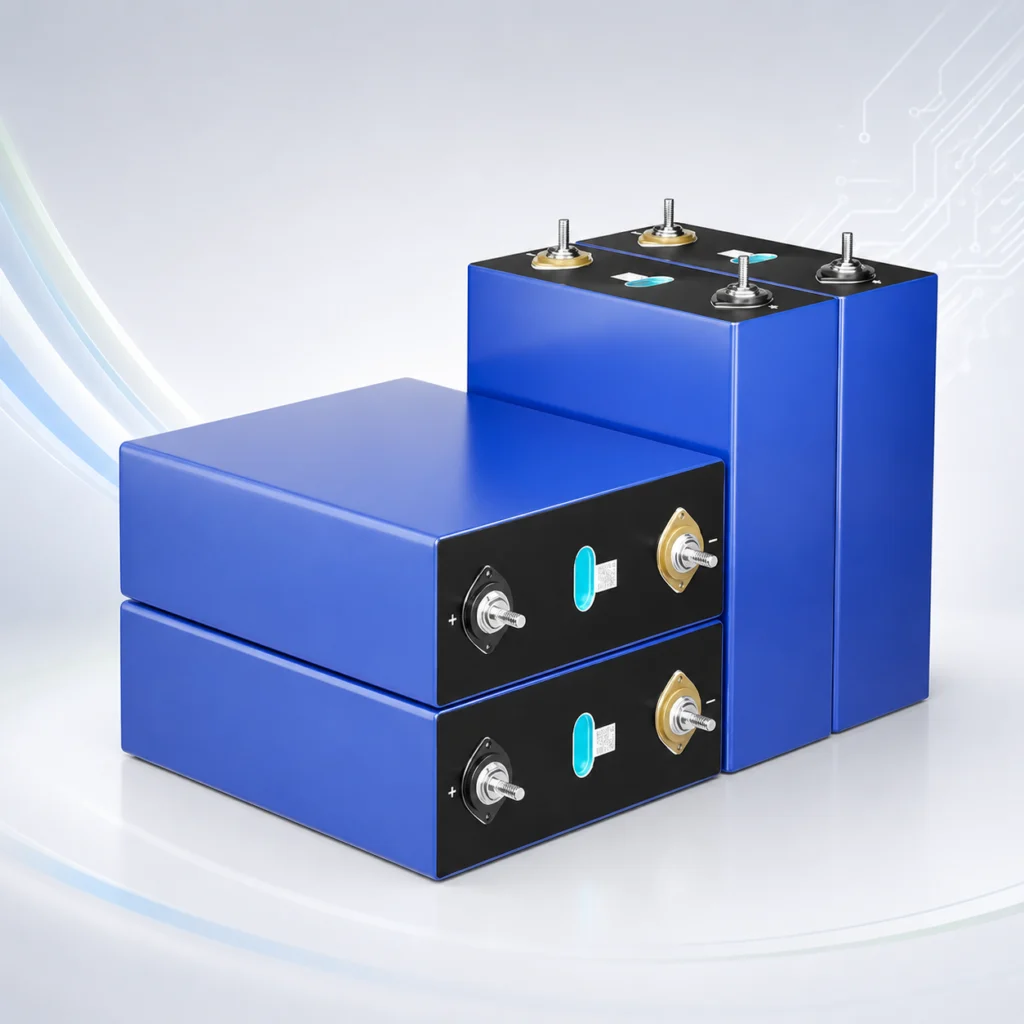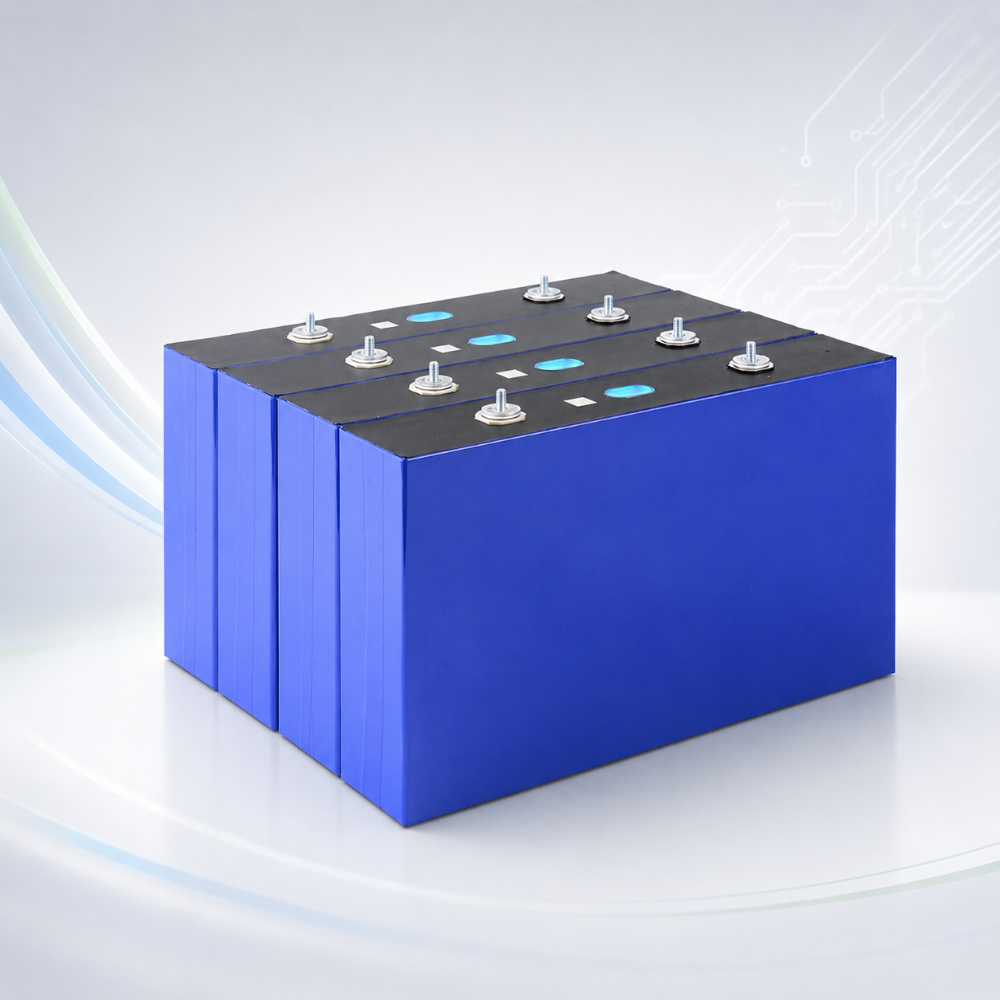
When buying a battery, you may see specifications such as “51.2V 100Ah” or “48V 200Ah.” But what do these numbers actually mean? How long can a 100Ah battery run your equipment? Does a higher voltage always mean a larger battery capacity? And why can two batteries with the same Ah rating store different amounts of energy?The calculation is actually quite simple. Once you understand how battery voltage and Ah capacity work together, you can estimate how much energy a battery stores. For LiFePO4 batteries, knowing these numbers can make battery selection much easier and help prevent common mistakes, such as buying too little capacity or spending more than necessary.
How Do You Calculate Battery Voltage and Ah Capacity?
Ah refers to the battery’s capacity, while voltage represents its electrical potential. You need both values to estimate how much energy the battery can store.
The most commonly used calculation is:
Battery Energy (Wh) = Battery Voltage (V) × Capacity (Ah)
For example, a 51.2V 100Ah LiFePO4 battery has a theoretical energy capacity of:
51.2 × 100 = 5,120Wh = 5.12kWh
Here are a few common examples:
- 12V 100Ah: 12 × 100 = 1,200Wh, or about 1.2kWh.
- 24V 100Ah: 24 × 100 = 2,400Wh, or about 2.4kWh.
- 48V 100Ah: 48 × 100 = 4,800Wh, or about 4.8kWh.
- 51.2V 100Ah: 51.2 × 100 = 5,120Wh, or about 5.12kWh.
This is an important point that many first-time buyers overlook: the same Ah rating does not necessarily mean the same amount of stored energy. If the voltage is different, the final Wh value will also be different.
How Much Energy Does a 51.2V 100Ah LiFePO4 Battery Store?
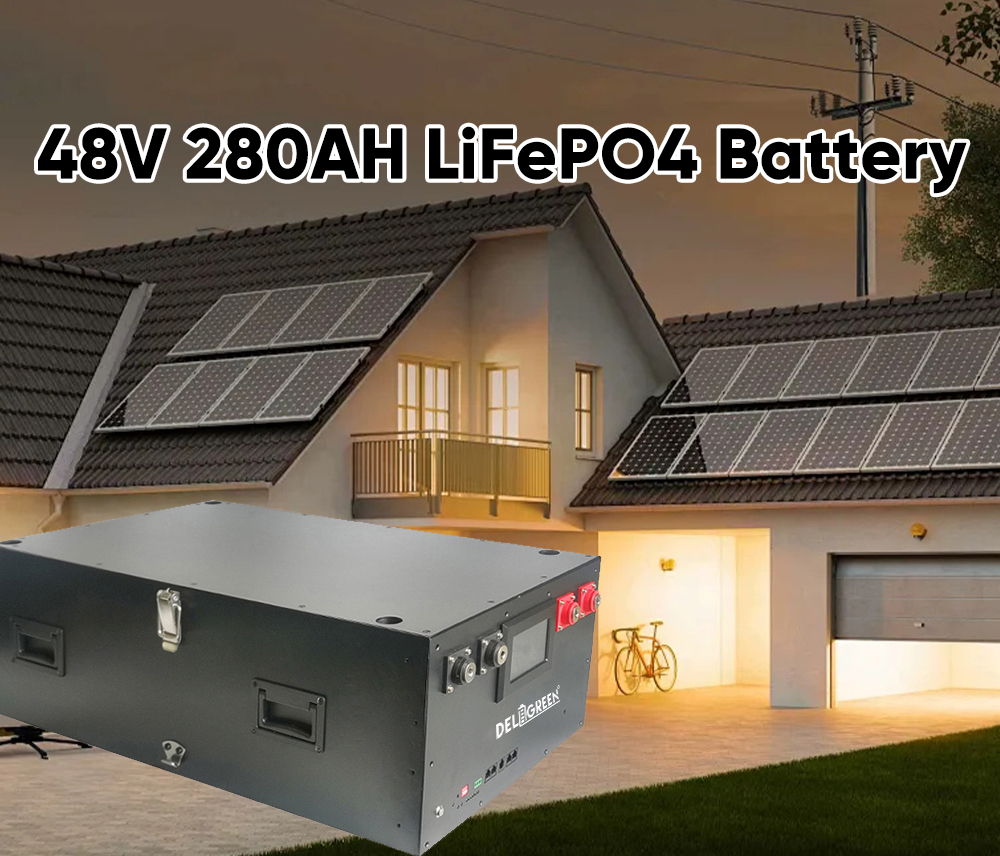
A 51.2V 100Ah LiFePO4 battery is a common configuration for energy storage applications. Based on its rated specifications, its theoretical energy capacity is 5.12kWh.
Suppose you have a device that consumes 500W. A simple theoretical calculation would be:
5.12kWh ÷ 0.5kW = 10.24 hours
However, real-world runtime will usually be shorter. Inverter efficiency, BMS protection, depth of discharge, battery condition, and changes in the equipment’s power consumption can all affect actual runtime. A battery should also not normally be discharged completely every time, so it is better to leave some capacity as a safety margin.
For refrigerators, lighting, routers, and other relatively low-power loads, a 100Ah battery may provide enough energy. If you need to run an air conditioner, water pump, induction cooker, or other high-power equipment, you need to look beyond Ah and check the battery’s continuous discharge current and power capability.
How Can You Calculate the Required Ah from Load Power?
If you already know how much electricity your equipment needs each day, you can work backward to estimate the required battery capacity.
The basic approach is to calculate the daily energy consumption first and then convert it into Ah using the battery voltage.
Suppose your equipment requires 4kWh of energy per day. With a 51.2V LiFePO4 battery, the theoretical capacity required would be:
4,000Wh ÷ 51.2V ≈ 78.1Ah
In practice, you should not choose a battery with exactly 78Ah. It is better to select a slightly larger capacity to account for conversion losses, usable depth of discharge, and reserve energy.
- Calculate energy consumption: Power × operating time gives you Wh.
- Convert energy to Ah: Required Wh ÷ battery voltage ≈ required Ah.
- Leave some reserve: Choosing a slightly larger Ah capacity can reduce the battery’s operating stress.
If you are designing a solar energy storage system, you also need to consider how much energy the solar panels generate during the day and how much electricity the home consumes at night. Looking only at the power rating of one appliance may give you an incomplete estimate.
Does a Higher Battery Voltage Mean a Higher Ah Capacity?
No. Voltage and Ah are two different specifications and should not be treated as the same thing.
For instance, a 48V 100Ah battery and a 51.2V 100Ah battery have the same Ah capacity, but the 51.2V battery has a slightly higher theoretical energy capacity because voltage is part of the Wh calculation.
The difference becomes even clearer when comparing a 48V 200Ah battery with a 51.2V 100Ah battery. The former stores approximately 9.6kWh of theoretical energy, while the latter stores about 5.12kWh.
- For stored energy: Look at Wh or kWh.
- For system voltage: Check whether the battery voltage matches the equipment.
- For capacity: Ah tells you how much charge the battery can hold.
- For high-power loads: Check the maximum continuous discharge current as well.
With LiFePO4 batteries, common configurations include 51.2V 100Ah and 51.2V 200Ah. The right choice depends on how much energy your system actually needs. If your home consumes around 5kWh per day, a 51.2V 100Ah battery has a theoretical capacity of about 5.12kWh, but usable energy will be lower after accounting for system losses and reserve capacity.If your daily requirement is closer to 10kWh or more, you may need a larger Ah battery or multiple battery modules connected together.
What Should You Check Besides Voltage and Ah?
Once you have determined the battery voltage and Ah capacity, there are several other specifications worth checking. This is especially important for energy storage systems and high-power applications.
- Maximum continuous discharge current: Determines whether the battery can safely power larger loads for extended periods.
- Maximum charging current: Important when the battery is charged by a solar system or inverter.
- Cycle life: Batteries with the same voltage and capacity can have very different service lives.
- BMS configuration: Check for protection against overvoltage, undervoltage, overcurrent, overheating, and other operating conditions.
- Expansion capability: If you may need more capacity later, check whether the battery supports parallel connection or modular expansion.
Before buying a battery, it helps to answer three simple questions: How much electricity does the system use each day? How long does the battery need to provide backup power? And how much battery size and budget can the system handle?
Once these numbers are clear, you can convert the required energy into Wh and then determine the appropriate voltage and Ah capacity. This method works well for home energy storage, solar backup systems, and DIY battery packs.
Battery capacity is not simply a matter of choosing the largest Ah number or the highest voltage. The useful calculation is to consider battery voltage, Ah capacity, Wh energy, load power, and required runtime together.
When choosing a LiFePO4 battery, calculate your actual daily energy needs first, then select the appropriate voltage class such as 48V or 51.2V and choose an Ah capacity that gives you enough usable energy and reserve. This simple step can help prevent the common situation where a battery looks impressive on paper but does not provide enough power in real use.