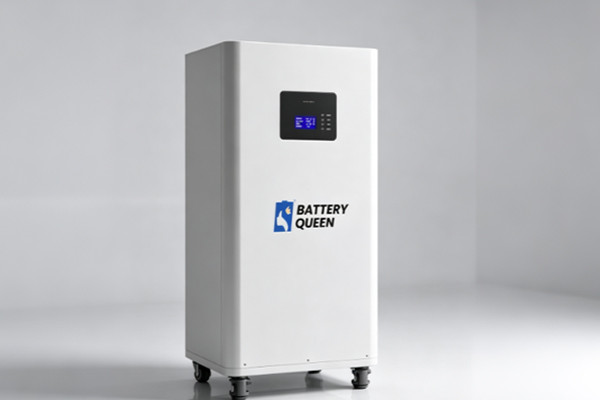
LiFePO4 battery packs have the characteristics of long cycle life, relatively high energy density, and stable discharge performance. They are commonly used in energy storage power supplies, electric vehicles, RVs, power tools, communication equipment, and household backup power supplies. Although LiFePO4 batteries generally have good thermal stability, the battery may still experience temperature increases during long-term high-current discharge, continuous high-load operation, excessively high ambient temperatures, or insufficient heat dissipation. Battery pack overheating not only affects actual operating time but may also accelerate cell aging and increase the rate of capacity degradation. If the temperature remains high for a long period, the cells, connection components, and battery management system may also be affected.
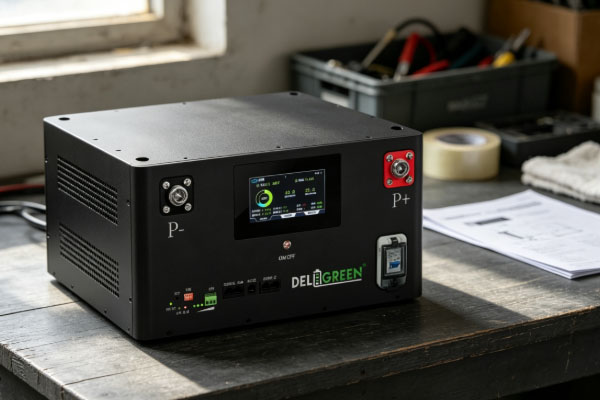
Preventing LiFePO4 battery packs from overheating requires control at several stages, including battery pack design, installation environment, load usage, heat dissipation conditions, and BMS management. In particular, high-capacity 48V LiFePO4 battery packs often need to continuously output relatively high currents in energy storage, electric vehicle, and industrial equipment applications, so greater attention should be paid to temperature changes. During daily use, if the battery surface temperature increases significantly, the equipment frequently triggers high-temperature protection, the runtime suddenly becomes shorter, or the battery continues to heat up even under a low load, it should be inspected promptly. Properly controlling the operating load, maintaining good ventilation, selecting appropriate battery specifications, and regularly checking the wiring can effectively reduce the probability of battery pack overheating.
Control the Operating Temperature of the Battery Pack
Maintain Good Heat Dissipation Conditions
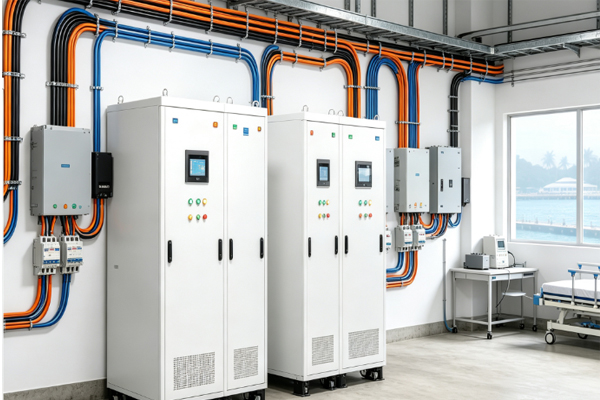
The installation location of a LiFePO4 battery pack directly affects its heat dissipation performance. If the space around the battery is narrow, or if it is blocked by other equipment or packaging materials, the heat generated during operation will not be easily discharged, making heat accumulation more likely after long-term operation. When installing the battery, choose a location with good air circulation whenever possible. Do not place the battery pack directly against high-temperature equipment, and do not completely enclose the heat dissipation area. For products installed inside equipment enclosures, energy storage cabinets, or battery boxes, adequate air circulation space should be reserved. If the equipment itself requires fan cooling, the fan should also be checked regularly to ensure that it is operating properly. Dust accumulation, reduced fan speed, or fan failure may cause the battery operating temperature to gradually increase.
Avoid Long-Term Exposure to High Temperatures
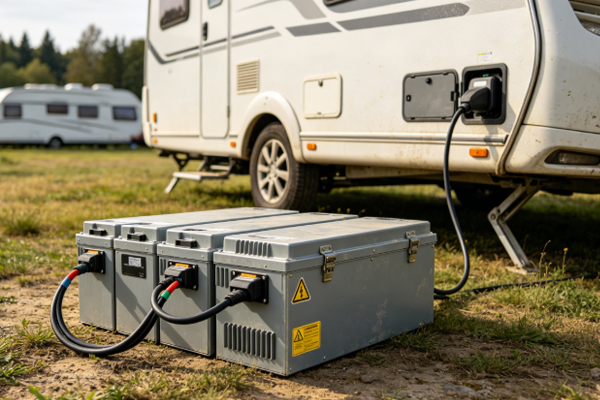
When the ambient temperature is high, the heat dissipation pressure on the LiFePO4 battery pack increases. Outdoor use in summer, vehicle interiors, enclosed storage spaces, and locations near engines or other heat sources may all cause the battery temperature to rise. The battery installation location should avoid prolonged direct sunlight whenever possible and should be kept away from heaters, engines, heating equipment, and other heat sources. If the battery is used in outdoor equipment, a battery box with good insulation and ventilation design can be considered to prevent the battery from remaining in a high-temperature environment for extended periods.
Avoid Long-Term High-Load Battery Operation
Select the Appropriate Battery According to the Equipment
Battery pack overheating is closely related to discharge current. The higher the power required by the equipment, the greater the operating load generally placed on the battery. If the battery capacity and continuous discharge capability are insufficient but it is connected to high-power equipment for a long period, heat generation in both the battery and wiring will increase. When selecting a LiFePO4 battery, check the battery’s continuous discharge capability, peak discharge capability, and operating range permitted by the BMS. Do not look only at the battery voltage and capacity. If the battery operates close to its limits for a long period, it may generate a significant amount of heat even if it can temporarily operate normally.
Reduce Unnecessary Continuous High-Current Operation
During use, the load can be reasonably controlled according to equipment requirements. Keeping the battery in a high-power output state for a long time will cause the cells, connecting strips, wires, and terminals to generate more heat. If the equipment allows, reduce the number of high-power devices operating simultaneously. In electric vehicles, RVs, and energy storage systems, avoid operating multiple high-power devices simultaneously for extended periods. For applications that frequently involve high loads, select a battery pack with a higher continuous discharge capability instead of allowing a standard battery to operate under overload for a long time.
Perform Proper Battery Management and Wiring Inspections
Use an Appropriate BMS
The BMS is an important component of a LiFePO4 battery pack. It can monitor battery voltage, current, and temperature and provide corresponding protection when abnormal conditions occur. When selecting a battery pack, ensure that the BMS specifications match the battery capacity and application. For equipment requiring high-current discharge, if the BMS continuous current capability is insufficient, it may frequently trigger protection and may also affect normal operation. Some BMS units equipped with temperature monitoring functions can monitor the internal temperature of the battery pack in real time. When the temperature reaches the specified range, the system can reduce output or stop operation, thereby reducing the impact of continuous temperature increases.
Check Wiring and Connection Points
Battery overheating is not necessarily caused by the cells themselves. If the connecting wires, terminals, fuse devices, or connecting strips of the battery pack are loose, have poor contact, or have inappropriate specifications, they may also generate significant heat. During routine inspections, check whether the wiring areas show abnormal temperature increases, discoloration, burning, or unusual odors. If one connection point is noticeably hotter than the others, it should be inspected carefully. It is also important to use wires and connection components that match the battery’s operating current. When the wiring specifications are insufficient, long-term high-current operation can easily generate more heat and increase wiring losses.
Frequently Asked Questions
Q: Is It Normal for a LiFePO4 Battery to Generate Heat?
A slight temperature increase can occur during normal operation, especially during relatively high-current charging and discharging. However, if the battery temperature continues to rise or is significantly higher than its normal operating condition, the cause should be checked. If an abnormally high temperature occurs, stop increasing the load and inspect the battery, BMS, wiring, and heat dissipation environment.
Q: Can the Battery Be Placed in a Sealed Box?
It is not recommended to install the battery pack in a completely enclosed space without heat dissipation for long-term use. The battery generates heat during operation, and an enclosed space allows heat to gradually accumulate. If the battery must be installed inside an enclosure, an appropriate heat dissipation structure should be designed according to the actual power and operating environment.
Q: Why Is the Same Battery Sometimes Very Hot and Sometimes Relatively Cool?
This is mainly related to the load and environment. When the equipment operates at a higher power, the battery output current increases, which may also increase heat generation. In high-temperature summer environments, the battery’s own heat dissipation rate can also be affected. Therefore, it is common for the same battery to have different temperatures under different operating conditions.
Q: Should I Be Concerned If the Battery Heats Up as Soon as It Starts Charging?
A certain degree of temperature increase during charging is not necessarily abnormal. However, if the temperature rises rapidly, charging stops frequently, or the battery develops an obvious unusual odor or abnormal deformation of the housing, stop using it immediately and inspect the charger, battery, and BMS. Do not continue using a battery pack that shows obvious abnormal conditions.
Preventing LiFePO4 battery packs from overheating mainly means keeping the battery within an appropriate operating environment and reasonable load range. The battery itself has good thermal stability, but this does not mean temperature management can be ignored. Long-term high-current discharge, high ambient temperatures, insufficient heat dissipation space, and poor electrical contact can all cause the battery pack temperature to rise. During daily use, pay attention to whether the battery installation location is well ventilated, whether there are continuous heat sources nearby, whether the equipment remains under a high load for a long time, whether the BMS has a temperature monitoring function, and whether the connecting wires are loose or generating abnormal heat. For high-capacity 48V LiFePO4 battery packs, special attention should also be paid to continuous discharge capability and heat dissipation conditions to prevent the battery from operating close to its limits for extended periods.
If the battery only experiences a slight temperature increase after normal operation and the temperature remains stable, there is generally no need for excessive concern. However, if the battery continues to generate significant heat under a relatively low load or the temperature continues to rise, it should not simply be attributed to normal operation. At this point, high-load use should be stopped promptly, and the battery, cells, BMS, and wiring should be inspected. Through proper installation, load control, adequate ventilation, and effective temperature monitoring, overheating problems in LiFePO4 battery packs can be effectively reduced, allowing the battery to maintain stable operation under normal working conditions.