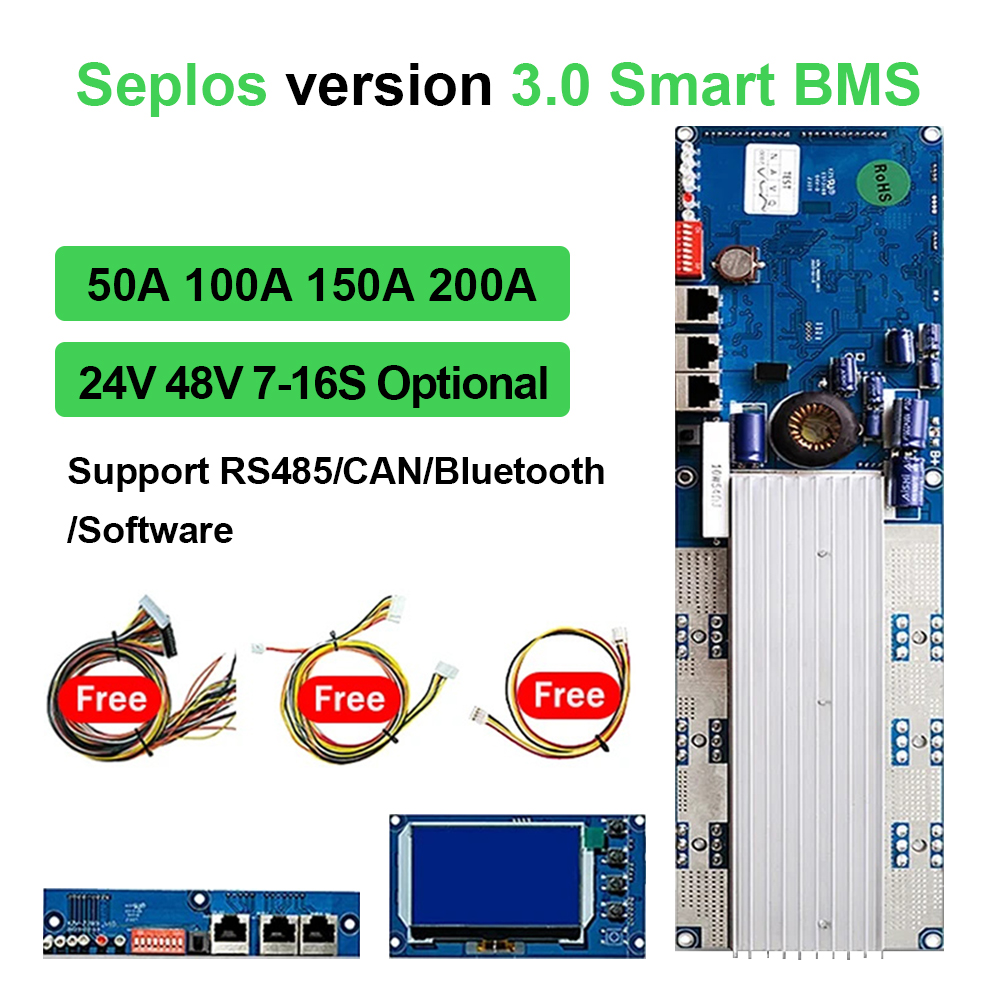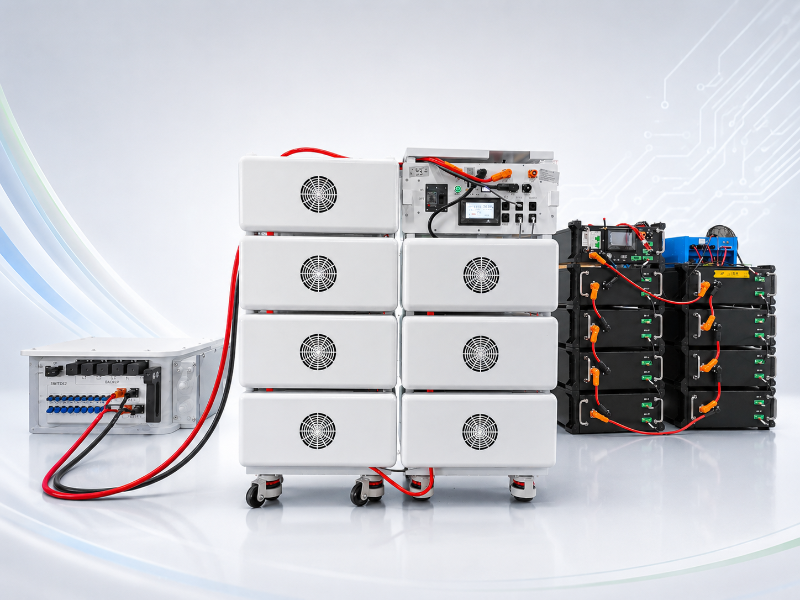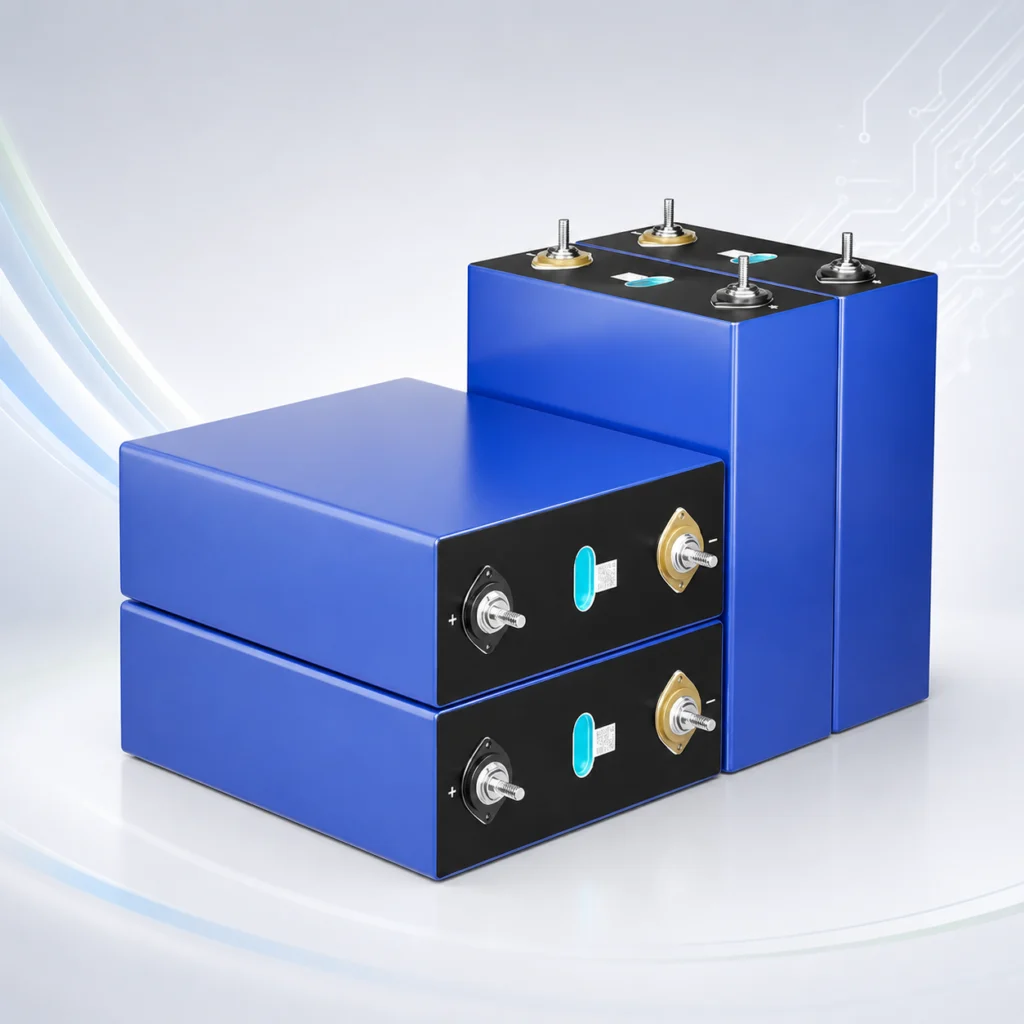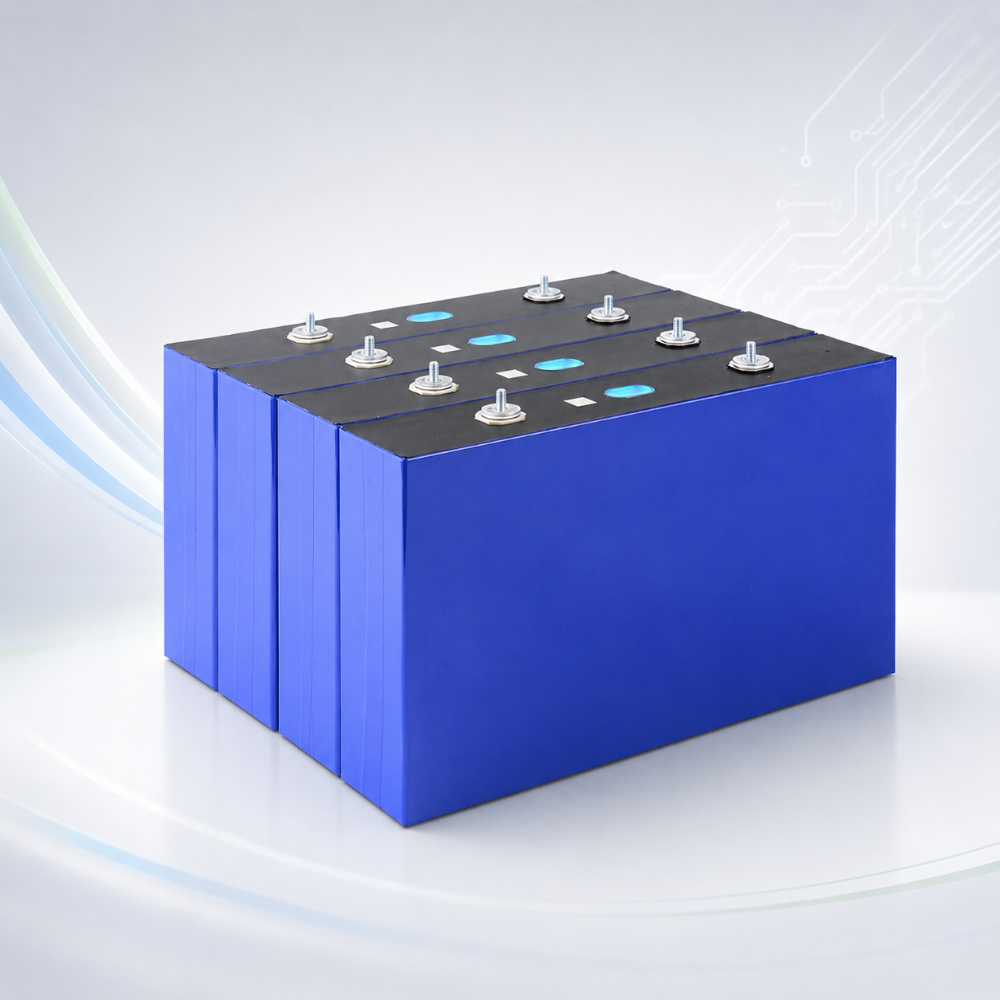
After multiple cells are assembled into a battery pack, differences inevitably exist among individual cells in terms of capacity, internal resistance, and self-discharge rate. As charge and discharge cycles increase, these differences gradually become more pronounced, which may cause some cells to reach their charge or discharge limits earlier than others, thereby affecting the usable capacity and stability of the entire pack. Balancing management regulates cell differences by monitoring parameters such as individual cell voltage and temperature, ensuring that all cells remain in a relatively consistent state. In applications such as new energy vehicles, energy storage systems, and power tools, a well-designed balancing strategy helps improve both the usable capacity and service life of the battery pack.
Why Battery Packs Need Balancing Management
Cell consistency changes over time, and balancing management is used to control the gradually increasing differences between individual cells.
Reducing Cell Voltage Differences
Cells within a battery pack are not always perfectly consistent.
- Some cells experience faster capacity degradation.
- Different internal resistances lead to varying voltage behavior during charge and discharge.
- Long-term use gradually increases voltage differences between cells.
When voltage differences become too large, overall battery pack performance is affected, making balancing control necessary.
Improving Usable Capacity
The usable capacity of a battery pack is usually limited by the weakest cell, as shown below:
- If one cell reaches full charge first, the BMS will limit further charging of the entire pack, preventing full utilization.
- If one cell is depleted first, protection is triggered, limiting further discharge of the pack.
- Cell inconsistency prevents full release of the pack’s total capacity.
- Through balancing management, the SOC of all cells can be brought closer together, reducing the “weakest link” effect.
Proper balancing control can improve the usable capacity of the battery pack.
Improving Long-Term Operating Condition
Balancing management is not only about handling voltage differences; it must also consider long-term battery behavior. Continuous monitoring of cell variations helps identify abnormal cells in time and provides valuable data for maintenance. A stable balancing system ensures more controllable and reliable battery pack operation.
Common Battery Pack Balancing Methods
Based on how energy is handled, balancing management is generally divided into passive balancing and active balancing.
Passive Balancing
Passive balancing is widely used and works by dissipating excess energy from higher-voltage cells through resistors.
- Relatively simple circuit design.
- Mature and well-established control methods.
- Lower system cost.
This approach is suitable for battery packs with good cell consistency and low balancing current requirements.
Active Balancing
Active balancing transfers energy from higher-charge cells to lower-charge cells, reducing energy waste.
- Common methods include capacitor-based, inductor-based, and transformer-based designs.
- Compared with passive balancing, active balancing improves energy efficiency but requires more complex circuitry and control systems.
It is suitable for large-capacity packs, high-series configurations, or applications with strict consistency requirements.
How to Achieve Effective Battery Pack Balancing Management
Balancing performance depends not only on the BMS but also on cell selection, measurement accuracy, and control strategy.
Ensuring Cell Consistency Screening
Balancing management is built on the foundation of cell consistency. It is generally necessary to use cells of the same model and minimize differences in capacity and internal resistance. Screening and matching during production or assembly are also important. If initial differences are too large, balancing alone cannot provide long-term improvement. In addition, good consistency significantly reduces the burden on the balancing system. Cell matching quality directly affects the overall lifespan and stability of the battery pack.
Accurate Monitoring of Cell Status
The BMS must continuously collect cell data to support balancing decisions.
- Cell voltage: the primary indicator for evaluating cell differences.
- Temperature, current, and SOC: used for comprehensive operational analysis.
- Data accuracy: directly affects the correctness of balancing decisions.
Reliable data acquisition is the foundation of balancing management.
Setting Appropriate Balancing Strategies
Balancing does not operate continuously; it is typically triggered under specific conditions.
- Activated based on voltage difference, SOC, and operating state.
- Mostly performed during charging.
- Balancing current can be adjusted dynamically according to operating conditions.
- Reduces energy loss and cell stress.
- Improves overall system efficiency.
A well-designed strategy helps enhance battery pack stability.
Key Maintenance Points for Battery Pack Balancing Management
During system operation, continuous monitoring and maintenance are equally important.
Regular Monitoring of Cell Data
By monitoring cell voltage through the BMS, the consistency of the battery pack can be evaluated, including:
- Identifying cell consistency issues through voltage variations.
- Investigating capacity, internal resistance, and connection status if a cell consistently deviates from others.
- Analyzing performance trends through recorded data to support maintenance decisions.
These methods help better understand battery pack conditions and enable timely adjustments.
Checking Connections and Sensing Circuits
Balancing issues may not always originate from the cells themselves.
- Poor contact in sensing wires may cause data deviation.
- Abnormal connection resistance may affect voltage readings.
- Regular inspection helps prevent incorrect balancing actions.
A stable sensing circuit is essential for data reliability.
Selecting Solutions Based on Application Scenarios
Different battery packs vary in capacity, series count, and operating conditions. Small battery packs may use simpler balancing methods, while large energy storage systems or high-performance power batteries are better suited for active or intelligent balancing strategies. The selection should consider cost, space, power, and maintenance requirements. Only a properly matched balancing system can fully support long-term battery performance.
The core goal of battery pack balancing management is to control differences among individual cells, ensuring more coordinated charge and discharge behavior across the system. Passive balancing offers simplicity, while active balancing provides higher energy efficiency. Together with accurate sensing, appropriate BMS strategies, and good cell consistency, these factors determine the overall balancing performance. For power batteries, energy storage systems, and various power supply applications, establishing a suitable balancing management solution helps improve the battery pack’s usable capacity, operational stability, and service life.