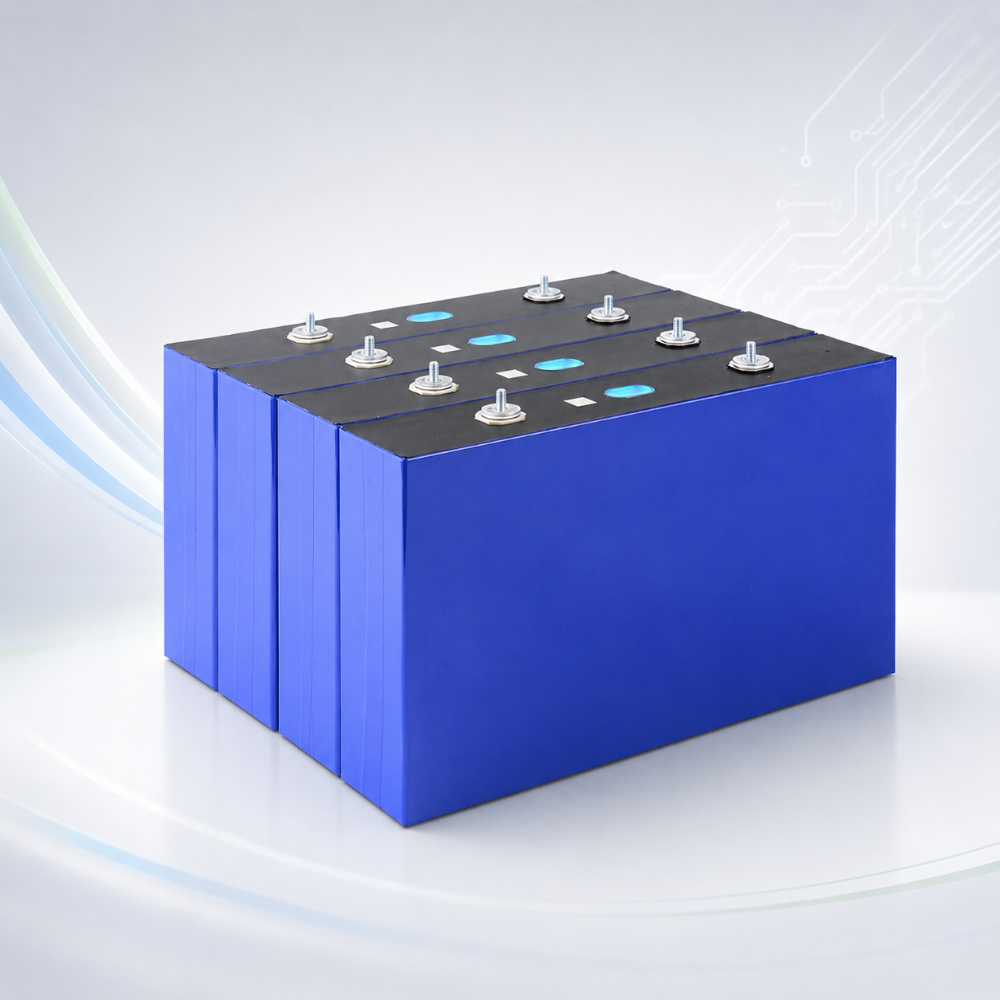
LiFePO4 batteries are widely used in residential energy storage, RVs, electric equipment, communication backup power, and commercial energy storage systems because of their long cycle life, good thermal stability, high safety, and suitability for frequent charging and discharging. As energy storage capacity continues to increase, users are also paying greater attention to charging speed and want to restore battery power in a shorter period. This makes fast charging an important consideration when selecting LiFePO4 battery chargers. In practice, whether a LiFePO4 battery can support fast charging depends not only on the charger but also on battery capacity, cell specifications, BMS protection parameters, allowable charging current, charger output power, and operating temperature. When the battery and charging equipment are properly matched, LiFePO4 batteries can be charged at a relatively high power level, reducing charging time while maintaining stable operation. For residential and commercial energy storage users, choosing LiFePO4 batteries with an appropriate charging rate and a compatible charger can improve energy management efficiency and overall convenience.
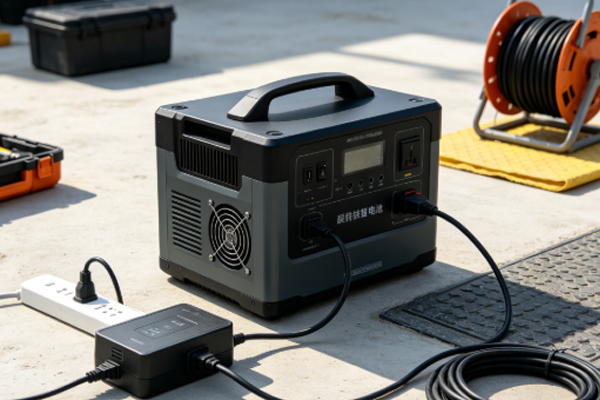
Why Can LiFePO4 Batteries Support Fast Charging?
The electrochemical characteristics of LiFePO4 batteries allow them to accept relatively high charging currents when the cell specifications and BMS limits are properly respected. Compared with standard slow charging, fast charging increases the amount of energy supplied to the battery within a given period. The charger therefore needs to provide higher output power, while the battery cells must also be designed to accept the corresponding charging rate. If a battery is designed to support 1C charging, it can theoretically be charged at a current equal to its rated capacity under ideal conditions. For example, a 100Ah battery may support a relatively high charging current when permitted by the manufacturer. However, actual charging time will not simply equal one hour because the charging process normally transitions from constant-current charging to constant-voltage charging, during which the current gradually decreases. Whether a LiFePO4 battery supports fast charging must be determined from its specific product specifications rather than from the LiFePO4 chemistry alone. Residential storage batteries, RV batteries, and industrial energy storage batteries may have different maximum charging currents depending on their cell design, BMS settings, and thermal management systems. When the charger output remains within the battery’s permitted range, fast charging can be achieved under appropriate safety controls.
What Parameters Determine Whether a LiFePO4 Battery Supports Fast Charging?
Fast charging is not simply a matter of increasing charger power. The battery, charger, and protection system must work together correctly. Before purchasing fast-charging equipment, users should check the technical specifications of both the battery and charger.
- Maximum Allowable Charging Current:The battery label or technical documentation usually specifies standard and maximum charging currents. During fast charging, the actual current must remain within the manufacturer’s specified maximum limit to avoid excessive heating and additional BMS protection activity.
- Charger Output Power:Charger power determines how much electrical energy can be supplied within a given period. Higher power can theoretically provide faster charging, provided that the battery itself can safely accept the corresponding charging current.
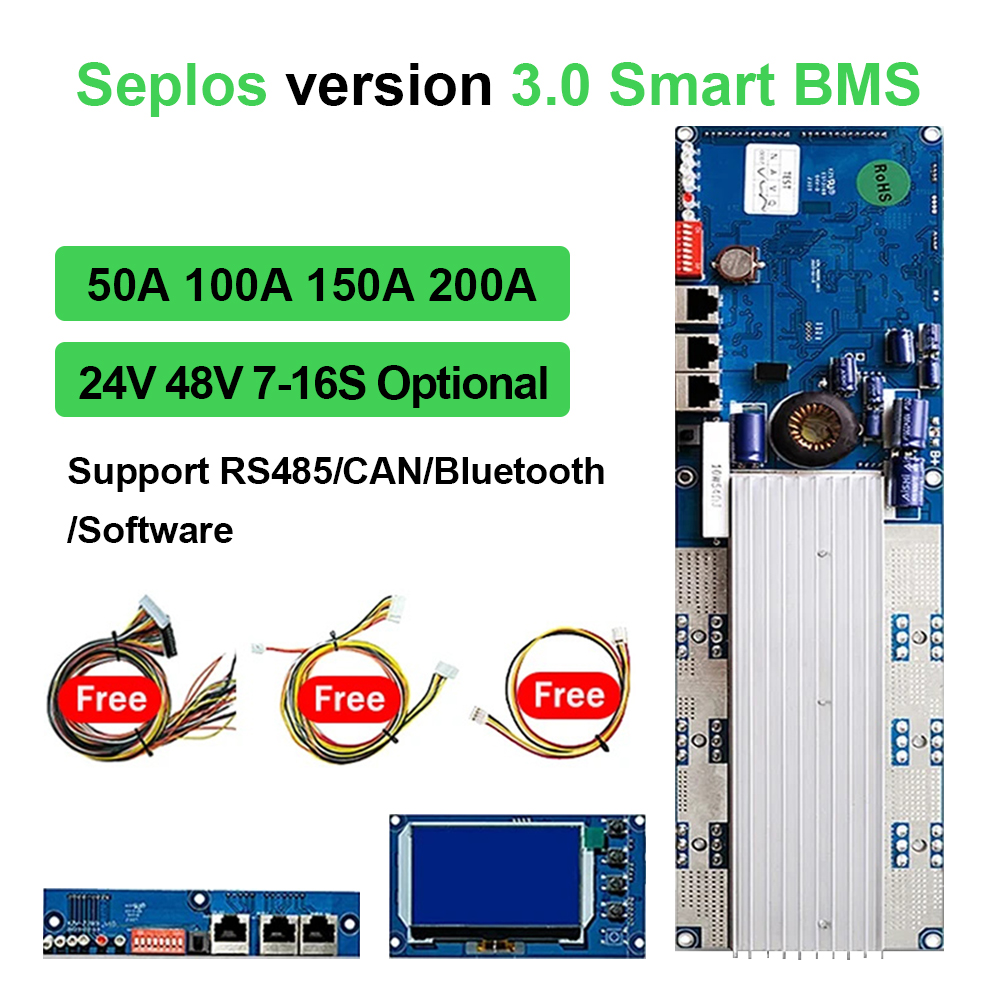
- BMS Protection Parameters:The BMS monitors battery voltage, current, temperature, and SOC. If charging current, temperature, or individual cell voltage reaches a protection threshold, the BMS may reduce charging current or stop charging.
- Battery Capacity:Larger energy storage batteries generally require higher charging power to achieve a noticeable fast-charging effect. For example, a 5kWh battery and a 20kWh battery may require significantly different charging times even when using the same charger.
- Operating Temperature:Low temperatures can limit the charging capability of LiFePO4 batteries, while high temperatures can increase thermal management requirements. Some energy storage batteries use temperature monitoring or heating systems to control charging conditions.
Fast-charging capability should therefore be evaluated by considering the battery’s maximum charging current, charger power, BMS parameters, and operating temperature rather than looking at charger power alone.
What Is the Difference Between Fast and Standard LiFePO4 Chargers?
The main difference between standard and fast chargers is their output power and charging current. Standard chargers generally use lower charging currents, resulting in longer charging times. For residential energy storage systems that can recharge gradually over several hours, standard charging may already meet everyday requirements. Fast chargers provide higher output power and can significantly reduce charging time when the battery is designed to accept the increased current. For example, a 100Ah LiFePO4 battery charged with a 10A charger would theoretically require a relatively long charging period. If the battery supports a higher charging rate and a compatible charger provides 40A or more, the charging time can be significantly reduced. Actual charging time is also affected by the constant-voltage stage, battery SOC, temperature, and system conversion efficiency. Fast charging does not mean that the battery remains at maximum current throughout the entire process. As the battery approaches full charge, the charging system normally reduces the current gradually to control battery voltage and temperature. For energy storage applications, an appropriate fast-charging solution should always be based on the charging parameters specified by the battery manufacturer rather than simply pursuing the highest possible charging power.
Which Applications Are Suitable for LiFePO4 Fast Charging?
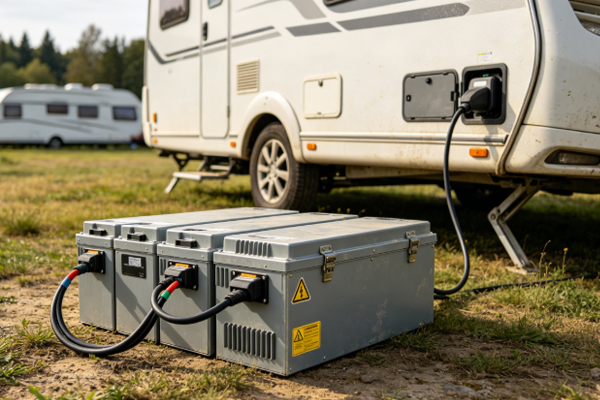
Different applications have different requirements for charging speed. Residential energy storage systems can often use solar generation during the daytime to recharge batteries, so extremely high charging power may not always be necessary. However, households with limited solar availability or a need to quickly restore backup capacity may benefit from a higher but appropriate charging rate. RVs and portable energy storage systems may have limited connection times, making fast charging useful for reducing waiting periods. Commercial energy storage systems often operate according to peak and off-peak electricity pricing. If the low-price charging period is relatively short, higher charging power can help the battery complete its charging cycle within the available period. Communication backup systems and emergency energy storage equipment may also need to restore battery capacity quickly after use so that the system can respond to another power interruption.
- Residential Energy Storage:Residential systems can adjust charging power according to solar generation and household electricity consumption, allowing surplus solar energy to be stored more quickly when sunlight is abundant.
- RV Energy Storage:RVs may only have short periods available for charging, so LiFePO4 batteries that support appropriate fast charging can reduce charging waiting times.
- Commercial Energy Storage:Commercial storage systems can establish charging strategies based on peak and off-peak electricity prices. Higher appropriate charging power during low-cost periods can prepare the battery for discharge during high-cost periods.
- Emergency Backup Power:When backup batteries need to recover their capacity quickly after use, a fast charger that complies with the battery specifications can improve charging efficiency.
Selecting an appropriate charging speed according to actual usage schedules and energy availability allows fast charging to provide practical benefits while avoiding unnecessary equipment investment.
How Can LiFePO4 Fast Charging Be Used Safely?
When using a fast charger, the battery manufacturer’s technical specifications should always be followed. The charger’s output voltage must match the battery pack’s required charging voltage, while the output current must not exceed the battery’s maximum permitted charging current. For residential and commercial energy storage systems, compatibility between the charger, energy storage inverter, and BMS should also be confirmed. If the system uses communication interfaces such as CAN or RS485, the devices should be able to exchange battery status information correctly. During fast charging, battery temperature, voltage, and SOC should be monitored. If the BMS reports overvoltage, overcurrent, excessive temperature, or another abnormal condition, charging should be stopped and the system inspected. The charger should also provide protection against overvoltage, overcurrent, short circuits, and excessive temperature to reduce the impact of abnormal electrical conditions. Large-capacity LiFePO4 energy storage batteries require adequate ventilation and heat dissipation, while cables and electrical terminals should be appropriately sized according to the maximum charging current. It is important to understand that faster charging is not always better. Long-term charging at a current above the battery’s design specifications may affect cell performance and service life. A suitable fast-charging solution should maintain a reasonable balance between charging speed, battery lifespan, thermal management, and system safety. When purchasing LiFePO4 batteries, users should prioritize products with clearly specified maximum charging current, BMS protection parameters, and recommended charger specifications. This makes it easier to select compatible fast-charging equipment and achieve efficient, stable, and reliable energy storage battery charging.