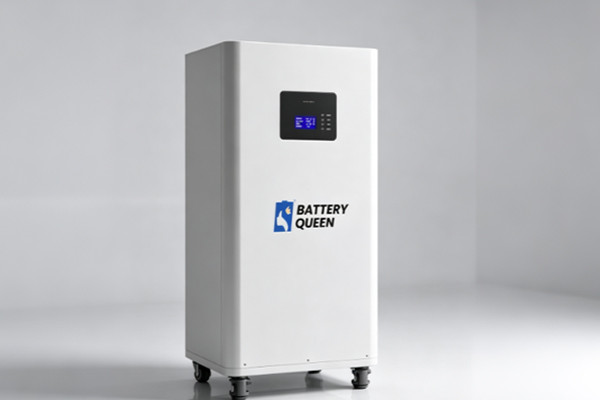
24V LiFePO4 battery packs are widely used in RV energy storage, solar systems, low-speed electric vehicles, marine equipment, backup power supplies, and other applications due to their high energy density, long cycle life, and stable discharge performance. Compared with traditional lead-acid batteries, LiFePO4 batteries can achieve a much longer cycle life under normal operating conditions. However, battery life is not fixed, and the actual service time is affected by charging and discharging methods, ambient temperature, storage conditions, and daily maintenance habits.
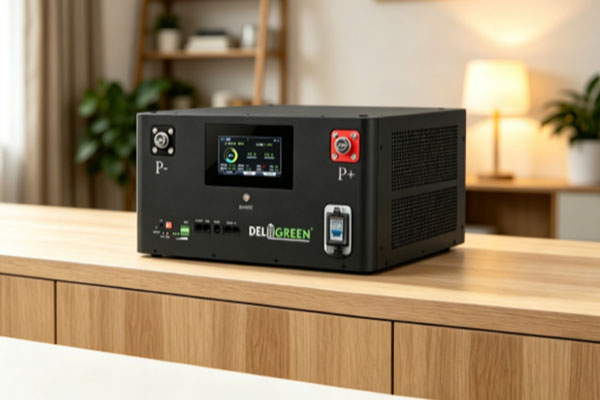
A 24V battery pack is usually composed of multiple lithium iron phosphate cells connected in series. The battery pack is also equipped with a Battery Management System (BMS), which is used to monitor voltage, current, temperature, and control the charging and discharging process. Although LiFePO4 materials have good stability, long-term operation under conditions such as overcharging, deep discharge, or high temperatures can accelerate cell aging and reduce capacity retention. To improve the service life of a 24V LiFePO4 battery pack, it is necessary to properly control the charging and discharging range, maintain a suitable working environment, and regularly check the battery condition. These measures can effectively reduce performance degradation and help the battery pack maintain more stable output capability.
Control a Proper Charging and Discharging Range
Avoid Long-Term Deep Discharge
Although 24V LiFePO4 battery packs support high-rate discharge, frequently using the battery until it reaches a very low state of charge can increase internal stress on the cells. When the battery is repeatedly close to complete depletion, cell voltage inconsistency may occur, affecting the balance of the entire battery pack. During daily use, it is recommended to arrange charging schedules according to equipment requirements instead of waiting until the battery is completely empty before recharging. For applications such as RVs and solar energy storage systems, users can plan charging cycles based on daily power consumption to keep the battery operating in a stable condition.
Reduce Long-Term Storage at Full Charge
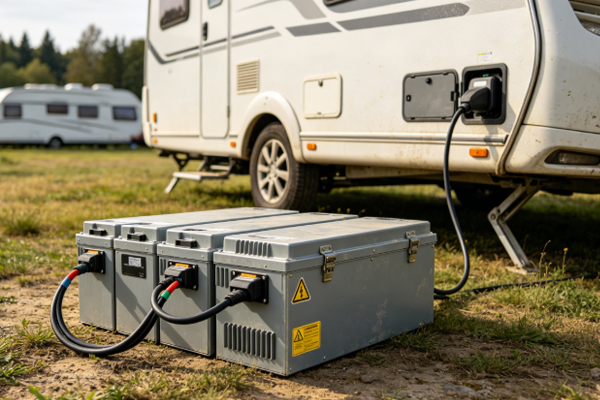
Keeping the battery at 100% charge for a long time may also have a certain impact on LiFePO4 batteries. If the equipment will not be used for an extended period, it is recommended to keep the battery at a suitable storage charge level instead of leaving it connected to a charger continuously. For example, before storing seasonal-use RVs or backup power supplies, the battery can be charged to an appropriate level and the device power supply can be disconnected to prevent the battery from remaining at a high voltage state for a long time.
Choose the Right Charging Equipment
Use a Charger Compatible with the 24V System
A 24V LiFePO4 battery pack requires charging equipment that matches the specifications of lithium iron phosphate batteries. Different types of batteries have different charging curves. Using an incompatible charger may reduce charging efficiency and even affect battery life. A suitable charger can adjust the charging current according to the battery condition, allowing each cell inside the battery pack to receive a more balanced charging process. For battery packs equipped with a BMS, the charger parameters should also be within the protection range of the BMS.
Pay Attention to Charging Current
Faster charging does not always mean better performance. Excessive charging current can increase cell temperature and accelerate internal chemical reactions. Long-term use under high-current charging conditions may result in capacity reduction. If there is no special requirement for charging speed, choosing a gentler charging method allows the battery to complete charging under lower stress, which helps extend the number of cycles.
Maintain a Good Operating Environment
Avoid Operation in High-Temperature Conditions
Temperature has a significant impact on the performance of 24V LiFePO4 battery packs. Long-term operation in high-temperature environments can accelerate the aging of internal battery materials and increase the rate of capacity degradation. When installing the battery pack, avoid direct exposure to sunlight and keep it away from heat sources such as engines or high-temperature equipment. For applications in RVs, boats, or outdoor energy storage systems, proper ventilation and insulation should be provided.
Pay Attention to Low-Temperature Operation
The charging capability of LiFePO4 batteries decreases in low-temperature environments. When the temperature is low, the activity inside the cells decreases, which affects charging efficiency. Some high-quality 24V battery packs are equipped with low-temperature protection functions. When the system detects excessively low temperatures, it can limit charging operations. When using the battery in cold environments, users should also adjust operation methods according to the actual temperature conditions.
Regularly Maintain Battery Pack Condition
Check Cell Consistency
A 24V LiFePO4 battery pack consists of multiple cells. After long-term cycling, differences in voltage between individual cells may occur, affecting the overall capacity output. Regularly checking battery voltage conditions can help identify problems in advance. For example, if certain cells show noticeably higher voltage after full charging, or some cells drop faster during discharge, further inspection of the battery condition is required.
Monitor BMS Operation
The BMS is an important component for protecting the battery pack. It can monitor battery operating data and provide protection when abnormal conditions occur. During daily use, users can check information such as voltage, current, temperature, and remaining capacity through an intelligent management system. Keeping the BMS working properly helps prevent battery damage caused by abnormal conditions. When replacing equipment or adjusting battery pack connections, users should also confirm that the BMS parameter settings are correct.
Frequently Asked Questions
Why Does a 24V Battery with the Same Capacity Provide Shorter Runtime Over Time?
As the number of usage cycles increases, battery capacity will gradually decrease, which is a normal phenomenon. However, if capacity drops much faster than expected, it may be related to factors such as frequent deep discharge, high-temperature operation, or cell imbalance. Users can review recent usage habits, such as whether the battery is often discharged to very low levels, whether it is stored at full charge for long periods, and whether the charging equipment meets requirements.
Does a 24V LiFePO4 Battery Need to Be Charged Every Day?
Whether a battery needs daily charging depends on actual usage conditions. If there is a fixed daily power demand, charging can be arranged based on energy consumption. If the battery is only used occasionally, frequent charging is unnecessary. Frequent small-cycle charging does not directly damage LiFePO4 batteries, but maintaining a reasonable charging and discharging schedule helps ensure long-term stable operation.
Improving the service life of a 24V LiFePO4 battery pack requires proper management during charging, discharging, environmental control, and maintenance. Good usage habits can reduce cell wear and help the battery pack maintain stable performance for a longer period. During operation, users should avoid frequent deep discharge, select suitable charging equipment, and manage temperature conditions according to the application environment. At the same time, regularly checking BMS data and battery status can help identify potential problems early and reduce performance degradation caused by improper use. Through scientific management and standardized operation, the cycling advantages of the battery can be fully utilized, extending the overall service life and providing more continuous and stable power support for equipment.