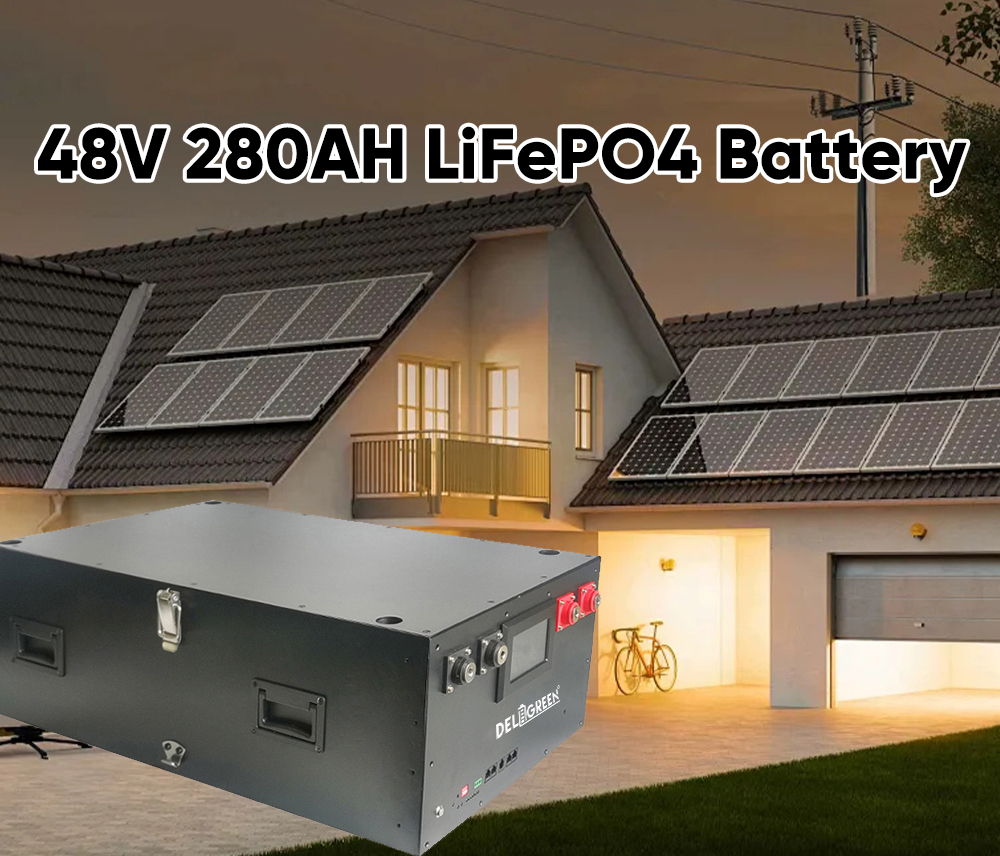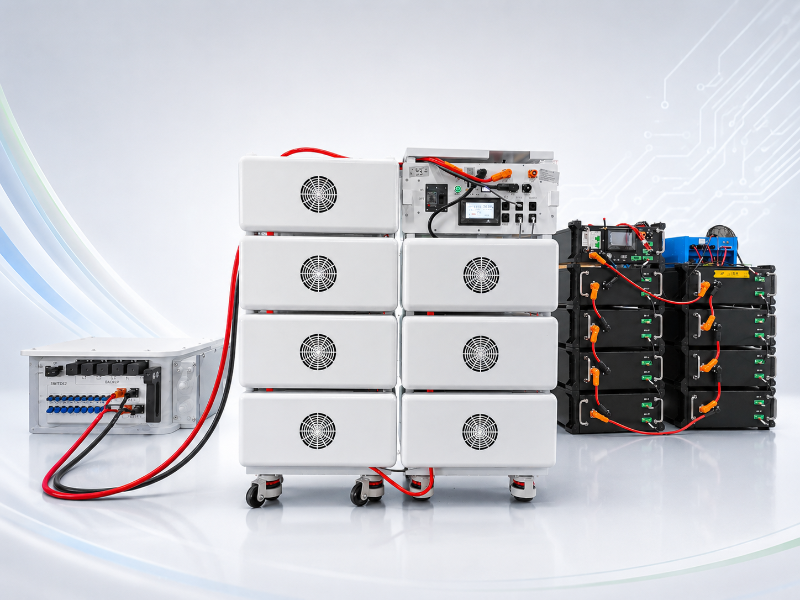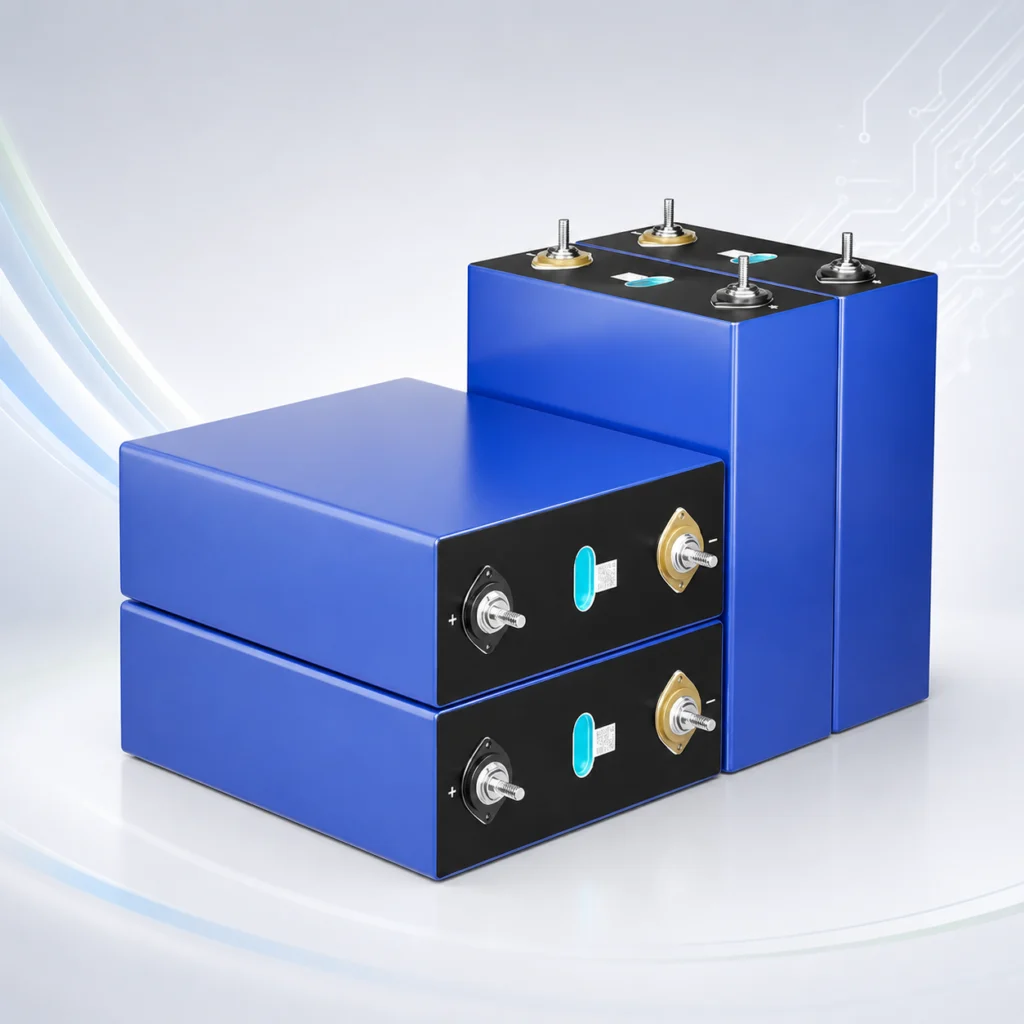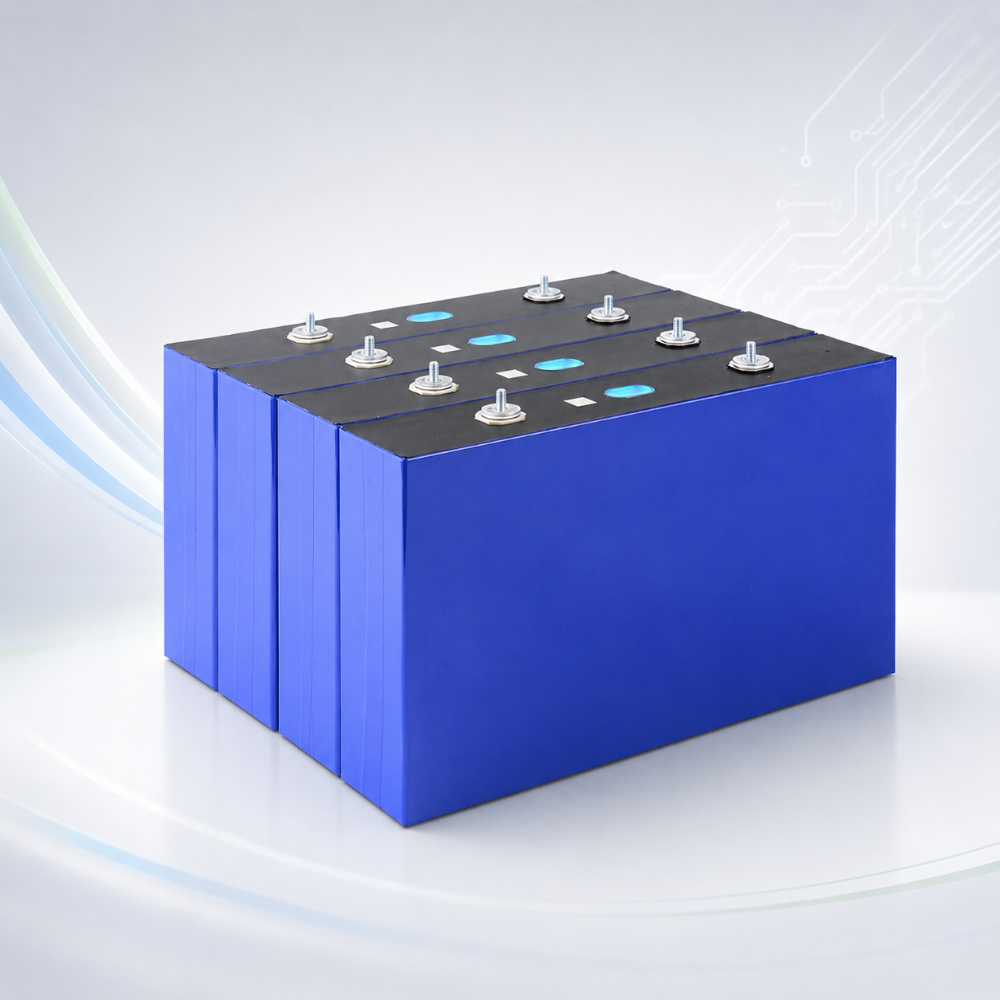
Many users have the same question when purchasing a 48V lithium battery: the battery is labeled as 48V, but why does the voltage measured with a multimeter show a different value? Does this mean there is a problem with the battery? In fact, 48V refers to the rated voltage of the battery, not a fixed voltage that remains unchanged at all times. The actual voltage changes depending on charging status, discharge level, and battery materials. Especially for 48V LiFePO4 batteries, which are widely used in home energy storage, electric vehicles, and solar systems, many users want to know the actual voltage range and performance.

What Does the Rated Voltage of a 48V Lithium Battery Mean?
The “48V” in a 48V lithium battery refers to its rated voltage, which is the standard voltage value marked by the manufacturer. It is mainly used to determine which devices the battery is suitable for and does not represent the real-time voltage at every moment. Different lithium battery types have different voltage ranges because their internal cell materials are different.
- 48V is the standard voltage level of the battery system.
- Actual voltage changes with battery capacity.
- The number of cells connected in series determines the total voltage.
- LiFePO4 and lithium-ion batteries have different voltage characteristics.
A 48V LiFePO4 battery is usually made up of 16 cells connected in series, with each cell rated at 3.2V. This gives the battery pack a rated voltage of around 51.2V. Although it is commonly called a 48V battery, its actual rated voltage may be higher than 48V. This naming method is mainly used in the market to help users distinguish different battery voltage levels.
What Is the Actual Voltage of a Fully Charged 48V Lithium Battery?
Many users notice that the voltage of a fully charged 48V lithium battery is higher than 48V when they test it. This is completely normal. During charging, the energy stored inside the battery increases, causing the voltage to rise until it reaches the full-charge level.
- A fully charged 48V LiFePO4 battery is around 58.4V.
- Voltage gradually decreases during discharge.
- Different battery materials have different full-charge voltages.
A 48V LiFePO4 battery usually uses a 16-series structure. Each cell has a full-charge voltage of about 3.65V, so the total battery voltage reaches around 58.4V when fully charged. During normal use, the voltage gradually decreases as the remaining power is consumed. However, LiFePO4 batteries have a relatively flat discharge curve, so the voltage remains stable for most of the usage cycle.
What Is the Normal Operating Voltage Range of a 48V Lithium Battery?
To determine whether a 48V lithium battery is working properly, it is not enough to look at a single voltage reading. The battery type and current operating condition should also be considered. Voltage changes during different stages are a normal part of battery operation.
- Voltage is higher when the battery is fully charged.
- Voltage remains relatively stable at medium charge levels.
- Voltage gradually drops when the battery is low.
- Extremely low voltage may trigger battery protection.
During daily use, a 48V LiFePO4 battery usually maintains a relatively stable voltage range. When the battery is close to empty, the Battery Management System (BMS) activates protection functions to prevent excessive discharge damage. Compared with some battery types that experience larger voltage fluctuations, LiFePO4 batteries provide more stable power output.
How Can You Check Whether a 48V Lithium Battery Voltage Is Normal?
In daily applications, many users check battery voltage through a multimeter or battery management system. If the measured voltage is different from 48V, it does not always mean the battery is damaged. The charging condition and actual operating performance should also be considered.
- Check the current battery charge level.
- Confirm that the charger output is normal.
- Check the battery management system status.
- Avoid long-term use at low voltage levels.
If the 48V lithium battery charges normally and provides stable output during operation, the battery is usually in good condition. If the voltage drops suddenly, the battery cannot be charged, or the device frequently loses power, it may be necessary to check the battery cells, BMS protection system, and wiring connections.
The actual voltage of a 48V lithium battery is not fixed at exactly 48V. It changes depending on charging and discharging conditions. For a 48V LiFePO4 battery, the rated voltage is usually around 51.2V, while the fully charged voltage can reach about 58.4V. When selecting a battery, users should not only look at the “48V” label but also consider battery voltage, cell type, and application requirements. Choosing the right battery specifications helps energy storage systems, electric vehicles, and other devices operate more reliably and efficiently.