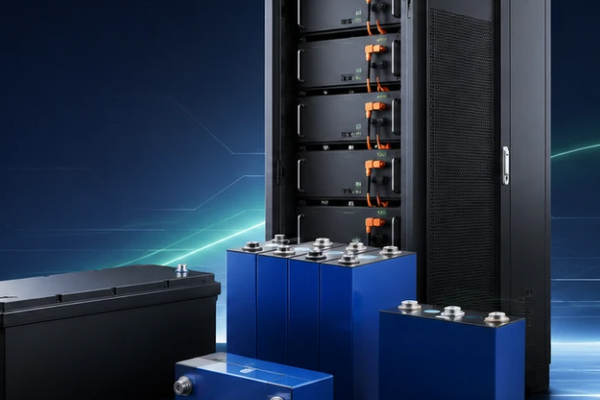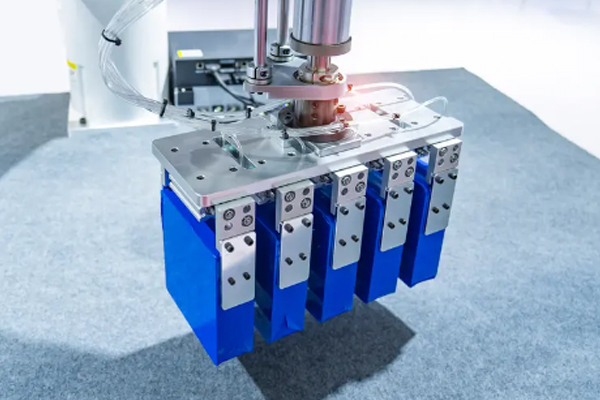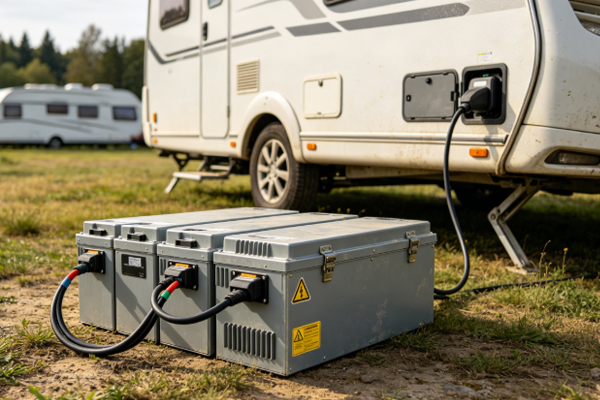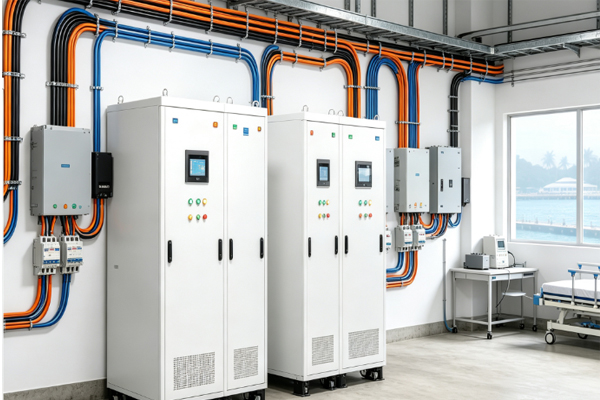
School laboratories support physics experiments, chemical research, biological studies, engineering training, and digital laboratory activities. They are usually equipped with precision instruments, laboratory workstations, ventilation systems, computer terminals, data acquisition equipment, and safety monitoring facilities. These devices often require a highly stable power supply. A sudden power failure may interrupt experiments, cause data loss, lead to abnormal equipment shutdown, or affect ongoing research processes. The School Laboratory Backup Power Supply Solution uses LiFePO4 batteries as the core energy storage unit and integrates energy storage converters, Battery Management Systems (BMS), Energy Management Systems (EMS), and power protection equipment to establish a reliable backup power supply system.
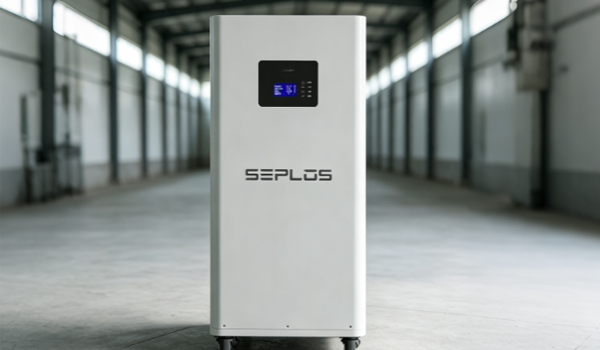
Compared with traditional lead-acid batteries, LiFePO4 batteries provide better cycle performance, thermal stability, and capacity utilization, making them suitable for school laboratories that require long-term standby operation and periodic charging and discharging. The system can be designed according to laboratory equipment power requirements, experimental schedules, backup duration, and critical load quantity. During normal power supply conditions, the batteries store electricity, while during grid failures, they provide backup energy for important equipment. Through a tiered power supply strategy, essential loads such as servers, data acquisition systems, monitoring devices, refrigeration equipment, and safety facilities can receive priority protection.
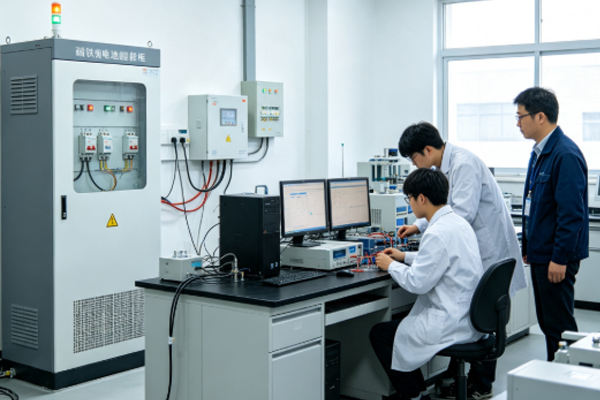
LiFePO4 Energy Storage Enhances Laboratory Power Protection
Compared with ordinary teaching areas, laboratories contain more specialized equipment and have higher requirements for power quality and continuity. Some instruments require stable voltage and frequency during operation, and sudden power interruptions may affect experimental progress. Energy storage systems can store electricity in advance and provide backup power when grid abnormalities occur. By properly configuring storage capacity and load priorities, limited battery energy can be allocated to critical equipment, reducing the impact of unexpected power failures on laboratory activities.
Long-Life Batteries Support Long-Term Laboratory Backup Operation
Laboratory backup power systems are not only designed for short-term outages but also need to maintain reliable availability during long standby periods. LiFePO4 batteries are suitable for periodic charging and discharging applications and can monitor individual cell voltage, current, temperature, and state of charge through BMS technology. During normal power operation, the system maintains an appropriate energy level and supplies critical loads according to preset strategies when grid abnormalities are detected.
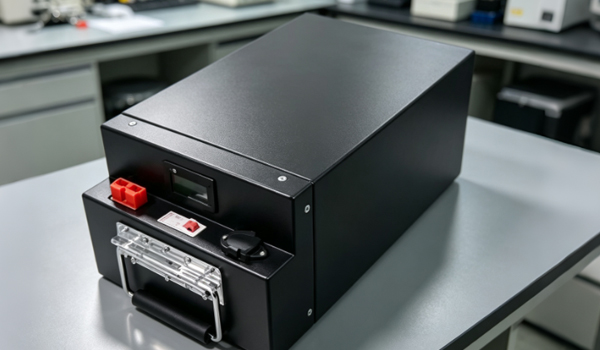
For school laboratories, the long cycle life of LiFePO4 batteries can reduce maintenance requirements caused by frequent battery replacement. Modular designs also allow battery quantities to be configured according to laboratory scale. Different laboratories can establish independent storage units according to actual loads or use centralized energy storage systems to serve multiple experimental areas.
Stable Output Protects Precision Laboratory Equipment
Laboratories may contain microscopes, analytical instruments, testing equipment, data acquisition terminals, computers, and automated experimental systems. Some precision devices are sensitive to voltage fluctuations, requiring backup power systems to work together with energy storage converters, UPS systems, or other power conversion equipment. LiFePO4 batteries store DC energy, while energy storage converters transform the electricity according to load requirements and provide stable power for AC equipment.
System capacity design should consider equipment rated power, startup power, and expected backup duration. Equipment that cannot easily tolerate power interruptions can be assigned higher supply priority, allowing stored energy to focus on protecting critical loads. Proper configuration reduces operational risks caused by sudden shutdowns and provides laboratory personnel with more time to handle unexpected situations.
Laboratory Backup Power Applications and Intelligent Energy Control
School laboratories have specialized electricity requirements, and different laboratory areas use different types of equipment. Chemical laboratories may require ventilation systems and safety monitoring facilities, biological laboratories may depend on refrigeration equipment and environmental control systems, while computer laboratories rely more on servers, network devices, and data terminals. Energy storage systems can create tiered power supply strategies according to laboratory functions and use EMS platforms to coordinate battery charging, discharging, and load conditions, ensuring backup energy is delivered more accurately to critical applications.
Multiple Laboratory Scenarios Receive Backup Power
Laboratory backup power systems need to support equipment operation, data protection, safety monitoring, and environmental control. By classifying loads according to priority, the system can protect important equipment during grid interruptions.
Common applications include:
- Laboratory instruments: Provides backup power for testing equipment, analytical instruments, and automated experimental devices.
- Data acquisition equipment: Supports data collection terminals, controllers, and related computing equipment.
- Refrigeration storage equipment: Maintains energy supply for samples, reagents, and temperature-sensitive materials.
- Ventilation and environmental equipment: Provides power support for laboratory ventilation and environmental monitoring systems according to storage capacity.
- Safety monitoring equipment: Keeps surveillance, alarms, access control, and environmental sensors operating.
- Network and server equipment: Reduces service interruptions and data risks caused by sudden power failures.
Through different load priority settings, laboratories can protect critical equipment with limited stored energy and improve the practical efficiency of backup power systems.
BMS and EMS Improve Energy Storage Management
The BMS is responsible for internal battery monitoring and safety protection. It continuously collects data such as voltage, current, temperature, and state of charge while applying protective strategies according to operating conditions. The EMS provides higher-level energy scheduling by managing battery operation, laboratory loads, grid status, and backup strategies.
Administrators can use the energy management platform to view storage system operating conditions, including battery capacity, charging and discharging power, and historical performance data. When abnormal conditions such as high temperature, overcharging, over-discharging, or other operational issues occur, the management system can provide alerts. For equipment-intensive laboratory environments, intelligent monitoring reduces manual inspection requirements and helps staff identify potential problems more quickly.
Photovoltaic and Energy Storage Integration Reduces Laboratory Energy Consumption
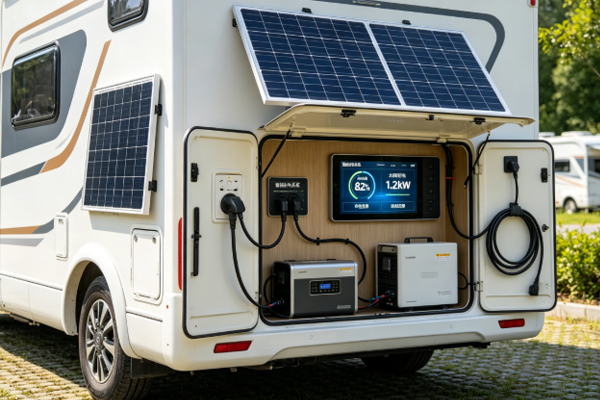
Schools with suitable rooftop areas can combine laboratory energy storage systems with solar photovoltaic installations. During daylight hours, electricity generated by photovoltaic systems can directly supply laboratory loads, while excess power can be stored in LiFePO4 batteries. During evenings, cloudy weather, or periods of insufficient solar output, stored electricity can continue supporting selected laboratory equipment.
This configuration improves the utilization of solar energy within the campus and reduces energy waste caused by the mismatch between photovoltaic generation and laboratory electricity demand. Energy storage systems can also participate in peak and off-peak energy management strategies, providing laboratories with a more flexible energy supply method during daily operation.
High-Performance Energy Storage Technology Supports Continuous Laboratory Operation
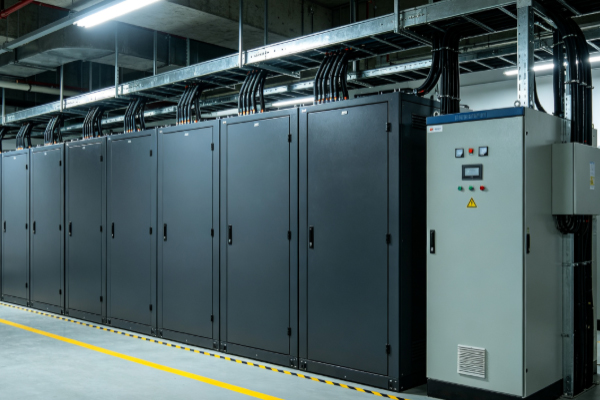
Laboratory backup power systems need to balance safety, reliability, capacity, and maintenance convenience. LiFePO4 batteries provide excellent thermal stability and cycle performance and can be configured through modular designs. Combined with BMS protection, electrical safety systems, temperature monitoring, and energy storage converters, they create a complete backup power solution. For research laboratories, vocational school training centers, and large campus experimental facilities, centralized or distributed energy storage architectures can be designed according to different laboratory load requirements.
Battery Performance Meets Periodic Backup Requirements
Laboratory backup power systems usually remain in standby mode for long periods and enter discharge operation only during power failures or grid abnormalities. Therefore, batteries must maintain strong storage capability and availability. LiFePO4 batteries are suitable for periodic backup applications and can provide stable operation under appropriate charging depth, operating temperature, and management strategies.
| Performance Item | LiFePO4 Laboratory Backup Power Characteristics |
| Battery Type | LiFePO4 Battery |
| Cycle Capability | Suitable for long-term periodic charging and discharging |
| Thermal Stability | High |
| Output Capability | Supports stable continuous discharge |
| Capacity Configuration | Modular design available |
| Battery Management | Intelligent BMS monitoring |
| Energy Scheduling | Unified EMS control |
| Main Applications | Laboratory equipment backup, data protection, emergency power |
Stable battery performance provides continuous energy support for laboratories while reducing maintenance pressure during long-term operation.
Modular Design Enables Laboratory Expansion
School laboratories may introduce new research equipment and increase electricity demand as academic programs and research projects expand. Modular LiFePO4 energy storage systems can be initially configured according to current laboratory loads and expanded later based on actual requirements.
During capacity upgrades, factors such as existing battery condition, energy storage converter capacity, distribution equipment specifications, installation space, and system communication compatibility should be considered. A well-designed modular structure reduces upgrade difficulty and allows schools to gradually improve their energy storage systems according to changing laboratory requirements without unnecessary initial investment.
Intelligent Energy Storage Improves Laboratory Energy Management
As laboratory equipment becomes increasingly digitalized, energy management must also move from traditional manual operation toward intelligent control. Energy storage systems can connect with campus energy platforms to monitor battery status, laboratory loads, grid conditions, and photovoltaic generation data. Administrators can develop energy strategies based on experimental schedules, research project operation periods, and equipment load changes.
During unexpected power failures, the system can distribute stored energy according to preset load priorities, giving preference to critical laboratory equipment, data acquisition terminals, safety monitoring systems, and environmental control facilities. After grid power is restored, the storage system can return to charging mode and prepare for future power interruptions. The School Laboratory Backup Power Supply Solution combines LiFePO4 batteries, intelligent management, energy conversion, and load control to meet daily laboratory energy requirements while providing reliable backup power support for precision equipment and important experimental processes.