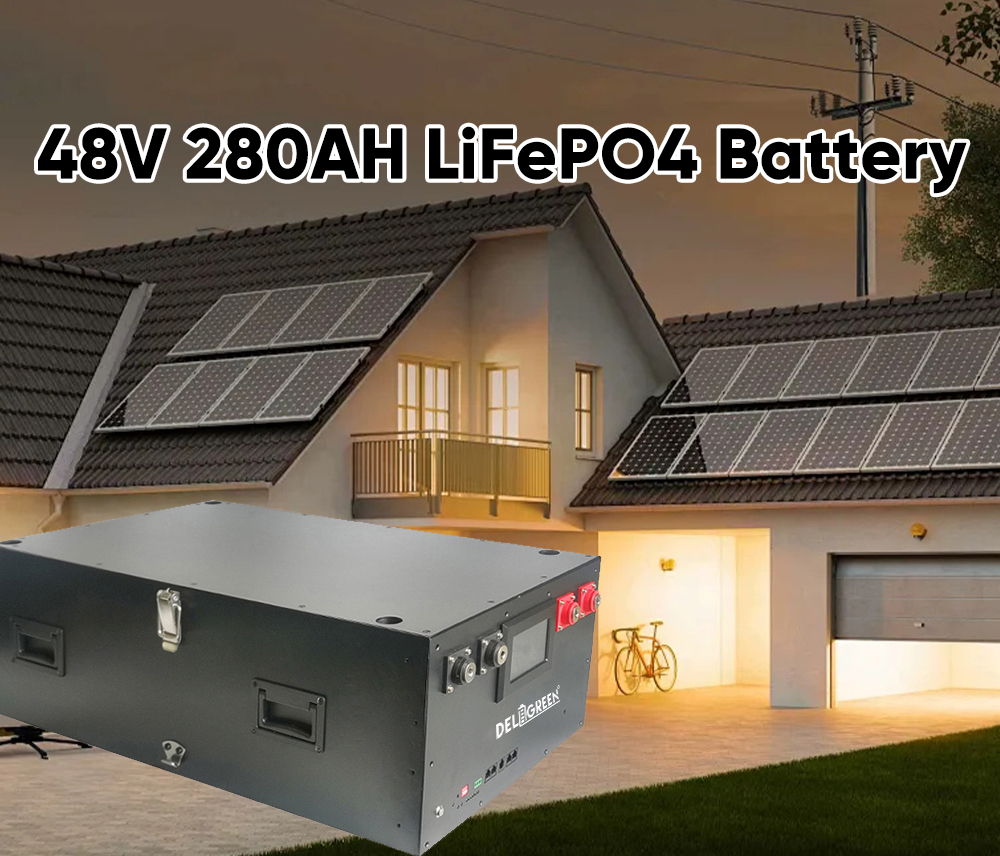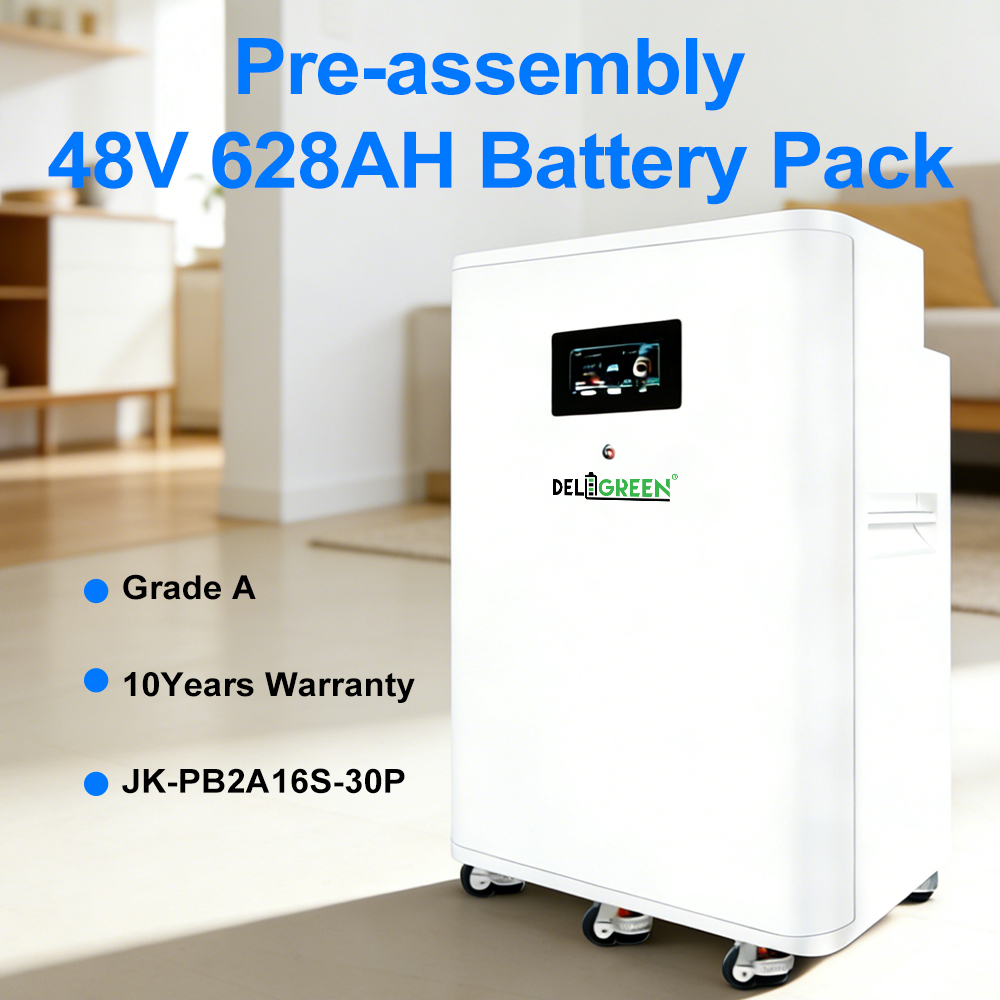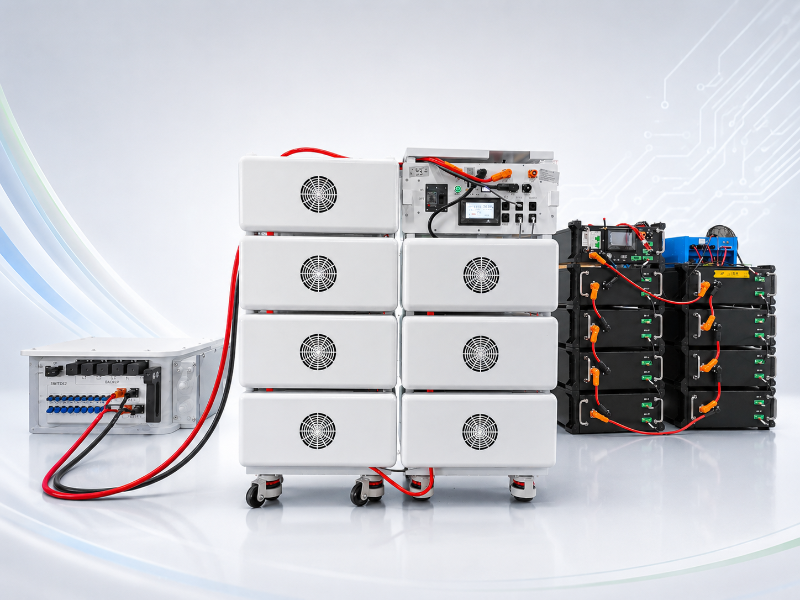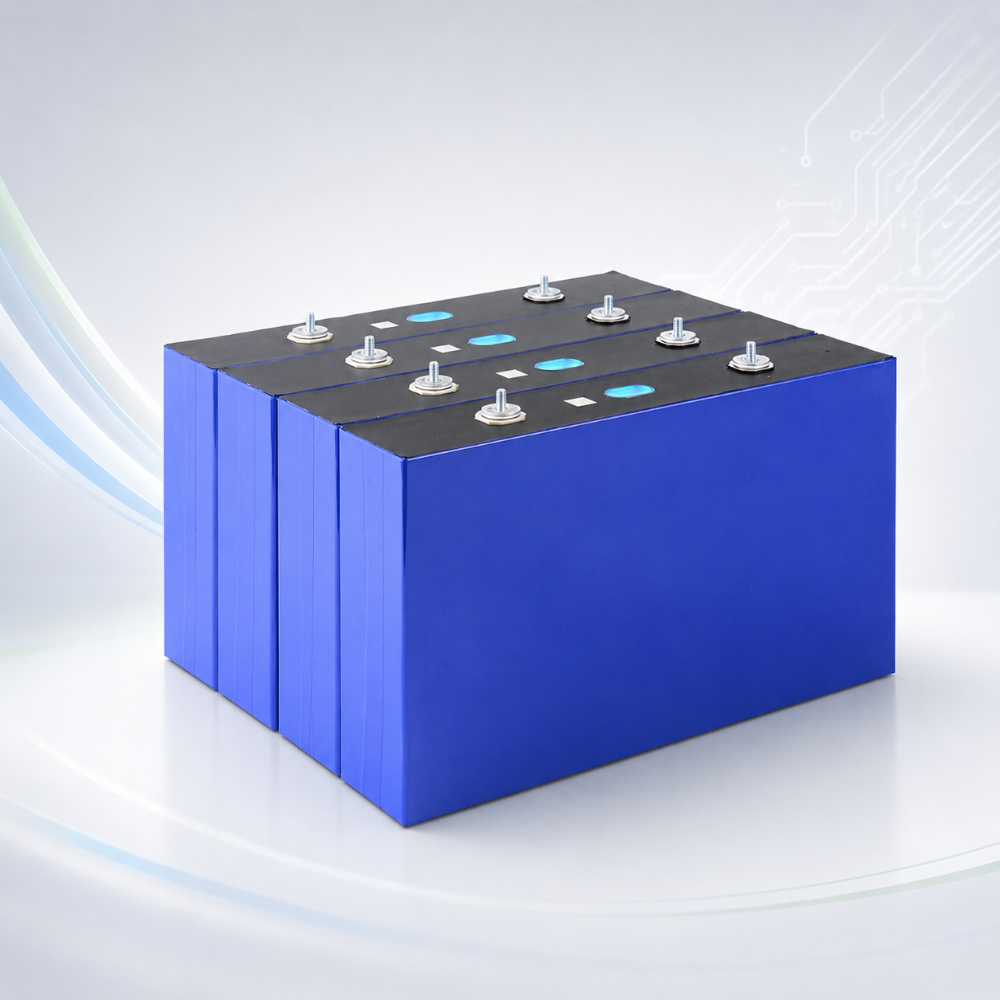
As household electricity consumption continues to increase, a stable power supply has become an important part of modern home life. Sudden power outages caused by heavy rain, typhoons, grid failures, maintenance, or other unexpected events can affect lighting, refrigerators, internet equipment, security systems, and other essential appliances. A home energy storage battery can store electricity when the grid is operating normally and provide backup power when the grid supply is interrupted, creating a more reliable energy protection system for the household. In particular, energy storage systems using lithium iron phosphate (LiFePO4) batteries offer a long cycle life, stable safety performance, and high charging and discharging efficiency. When combined with residential solar panels, hybrid inverters, and intelligent energy management equipment, they can help households maintain essential power during outages.
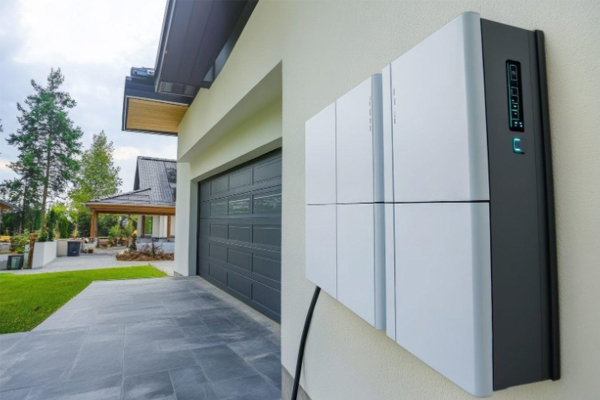
Why Can Home Energy Storage Batteries Handle Power Outages?
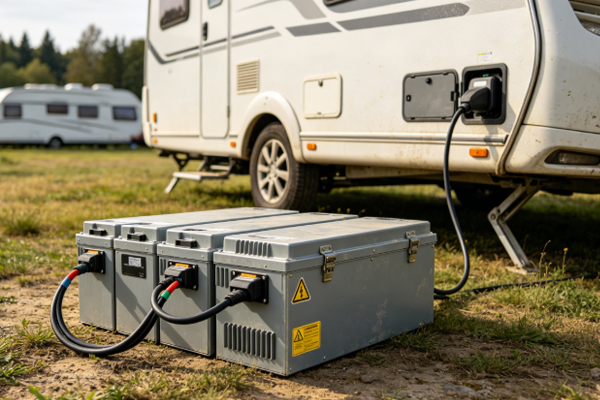
The core function of a home energy storage battery is to store electricity in advance and supply power to household loads through an inverter and transfer equipment when the grid becomes unavailable. During normal grid operation, the battery can be charged using surplus electricity generated by solar panels or electricity purchased from the grid during suitable periods. When a grid outage is detected, the energy storage system can switch to backup power mode according to its preset settings. The stored DC electricity is converted into AC power that can be used by household appliances, allowing essential equipment to continue operating. For households that need continuous access to lighting, refrigerators, routers, monitoring systems, and other important devices, energy storage can reduce the impact of unexpected power interruptions. When the system is integrated with solar panels, solar energy can continue charging the battery during daylight hours, providing additional energy during extended outages. By properly matching battery capacity, inverter output, and backup loads, homeowners can achieve more stable and reliable backup power.
What Configurations Should Be Considered When Choosing a Home Energy Storage Battery?
The ability of a home energy storage system to provide reliable backup power depends heavily on battery capacity, output power, and protection functions. The following configurations are particularly important when selecting equipment.
- Choose the Right Battery Capacity:Battery capacity should be selected according to actual household electricity consumption. If the system is mainly intended to support lighting, refrigerators, routers, and security equipment, a moderate capacity may be sufficient. If the household also needs to operate air conditioners, water pumps, electric water heaters, or other high-power appliances, a larger battery capacity will be required. Proper sizing can extend backup power duration while avoiding unnecessary investment in oversized equipment.
- Match the Inverter Output Power:The inverter determines how much power the energy storage battery can deliver to household loads. When selecting an inverter, consider both the normal operating power and starting current of household appliances. Equipment such as refrigerators, air conditioners, and water pumps may require higher starting power, so sufficient power capacity should be reserved to prevent overloads.
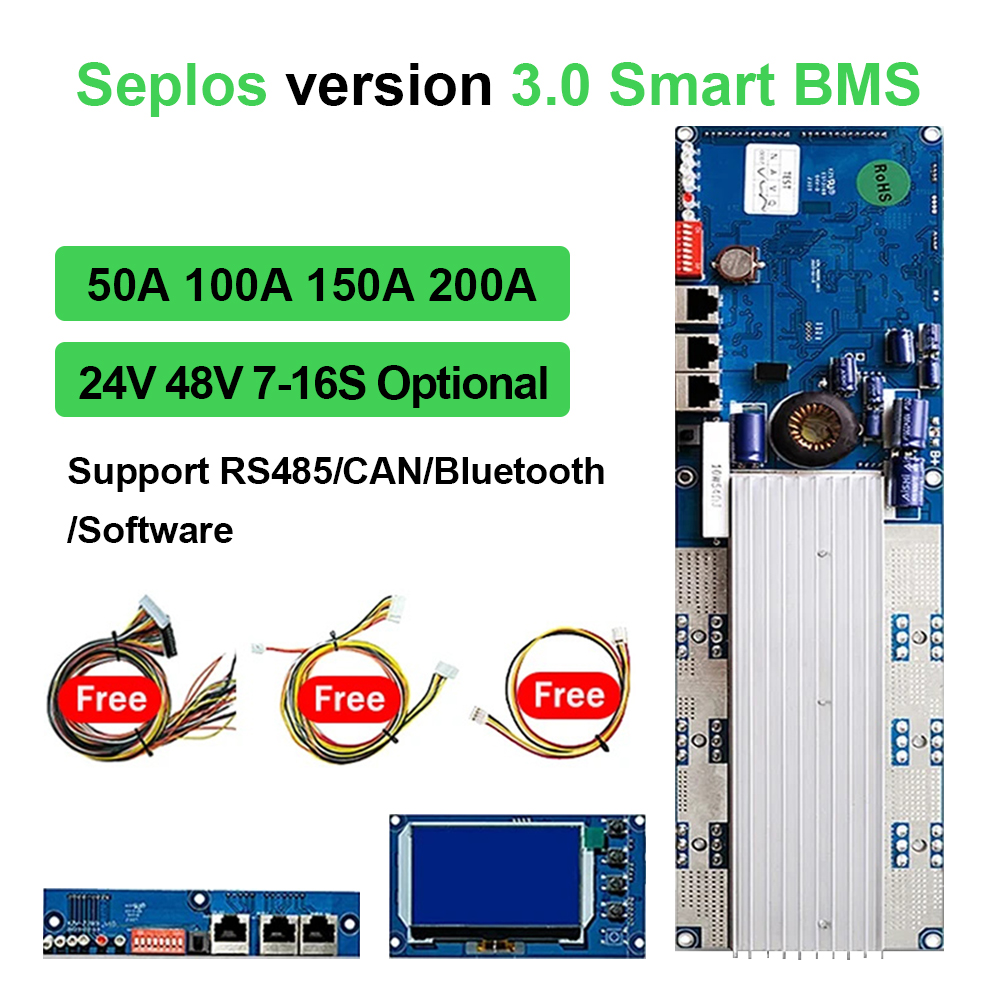
- Use an Intelligent BMS:A Battery Management System (BMS) continuously monitors battery voltage, current, temperature, and state of charge. It can provide protection against overcharging, over-discharging, overcurrent, short circuits, and abnormal temperatures. A reliable BMS improves the operating stability of LiFePO4 batteries and helps maintain dependable performance when the system remains in standby mode for extended periods.
- Reserve Capacity for Future Expansion:Household electricity consumption may increase as more appliances are added. Choosing a battery system that supports modular expansion or parallel battery connection makes it easier to increase storage capacity in the future without replacing the entire system.
Proper equipment configuration enables home energy storage batteries to provide more effective backup power during outages while also supporting future household energy upgrades.
Which Household Devices Are Suitable for Battery Backup During an Outage?
When a power outage occurs, the electricity stored in the battery is limited, so household energy should be allocated according to battery capacity and the expected backup duration. Lighting, phone chargers, routers, computers, monitoring equipment, and refrigerators are commonly considered essential loads and can be prioritized on the backup circuit. Medical support equipment, home security systems, and communication equipment that require continuous power can also be prioritized according to actual household requirements. High-power appliances such as air conditioners, electric water heaters, induction cookers, ovens, and electric heaters consume significant amounts of electricity. When battery capacity is limited, their operating time should be controlled according to the remaining battery capacity and inverter output. If the home has a solar PV system, solar panels can generate electricity during daylight hours and recharge the energy storage battery, helping extend backup power duration. Separating essential loads from non-essential loads allows limited stored energy to be used where it is needed most and improves energy efficiency during an outage.
How Can Solar Power and Energy Storage Extend Backup Power?
When a battery is used independently, backup duration mainly depends on the remaining battery capacity and household electricity consumption. Combining solar power generation with energy storage can significantly improve the ability to maintain power during longer outages. Under suitable weather conditions, solar panels can continue generating electricity during the day, supplying household loads while also charging the battery. When the grid remains unavailable for an extended period, the energy storage system can work together with solar generation to provide a renewable source of backup electricity. For homes with rooftop solar systems, this configuration creates an energy cycle consisting of solar generation, battery storage, and household electricity consumption, reducing dependence on the external grid. LiFePO4 batteries have a long cycle life and are well suited to frequent charging and discharging, making them a reliable choice for long-term residential solar energy storage. By properly matching solar capacity, battery capacity, and backup loads, homeowners can improve energy availability during extended outages while also reducing daily electricity costs.
How Can Home Energy Storage Batteries Remain Ready for Power Outages?
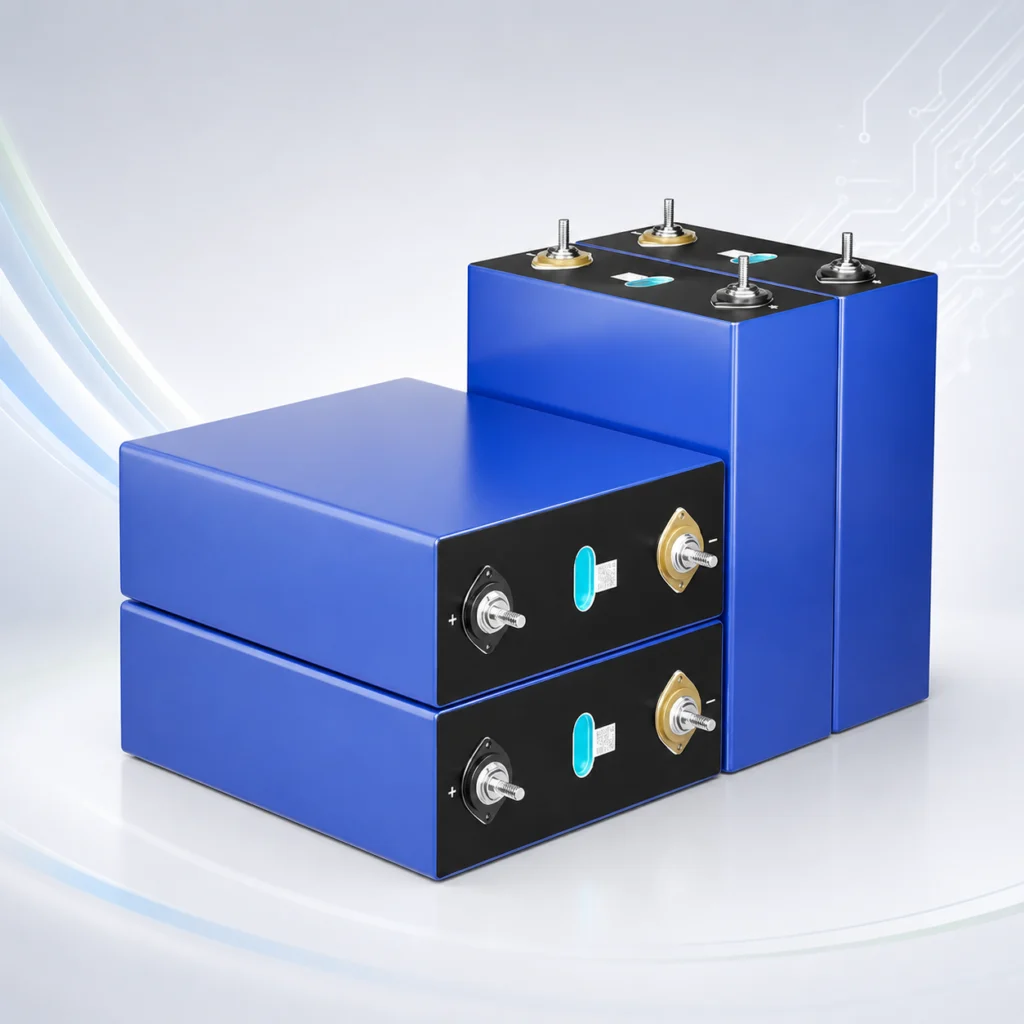
Home energy storage batteries used as backup power should not only be checked after an outage occurs. Their operating condition should be maintained regularly to ensure that they are ready when needed. Homeowners should periodically check the battery state of charge, operating temperature, system alarms, and communication status to confirm that the BMS and inverter are functioning correctly. The installation area should remain dry and well ventilated, while excessive heat, moisture, direct sunlight, and heavy dust should be avoided. Even if a home experiences few power outages, the battery should be maintained at an appropriate charge level according to the manufacturer’s recommendations, and its charging and discharging functions should be checked periodically. Homeowners should also establish a practical power management plan by identifying essential loads that need continuous backup and appliances that can be reduced or switched off during an outage. Choosing a high-quality energy storage system equipped with Grade A LiFePO4 cells, an intelligent BMS, and a reliable inverter, together with professional installation and regular maintenance, can provide stable backup power during unexpected outages. This approach also helps extend battery service life and provides a dependable foundation for residential energy security.