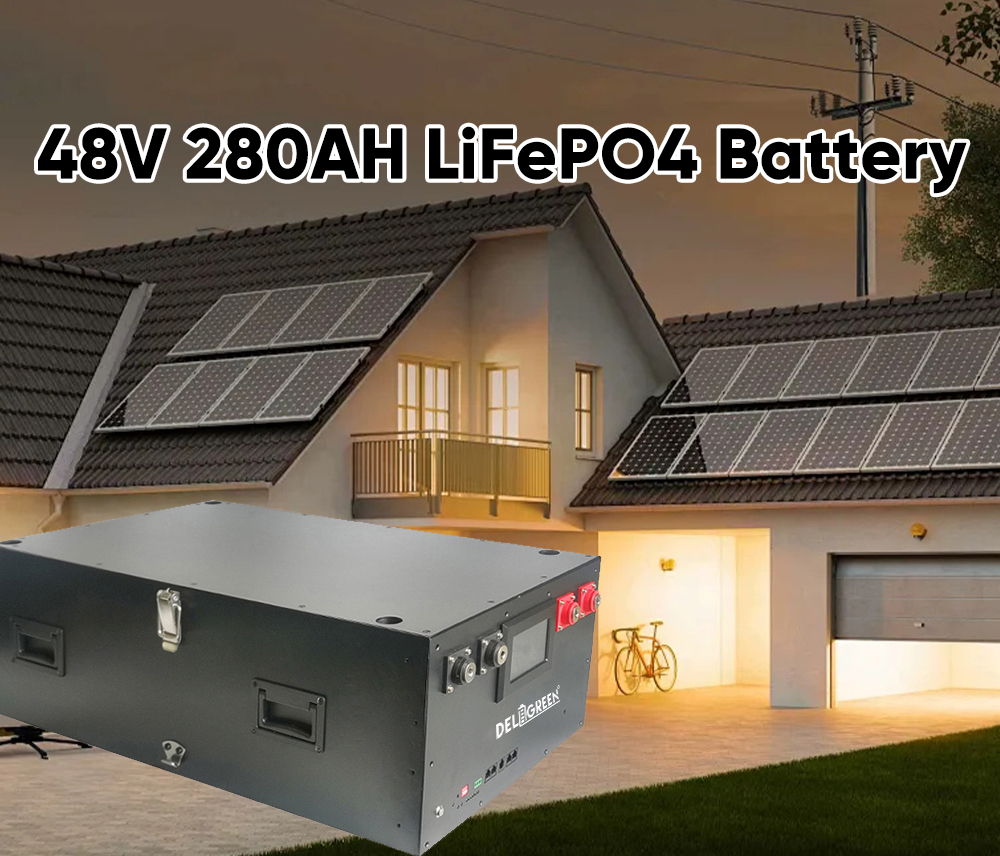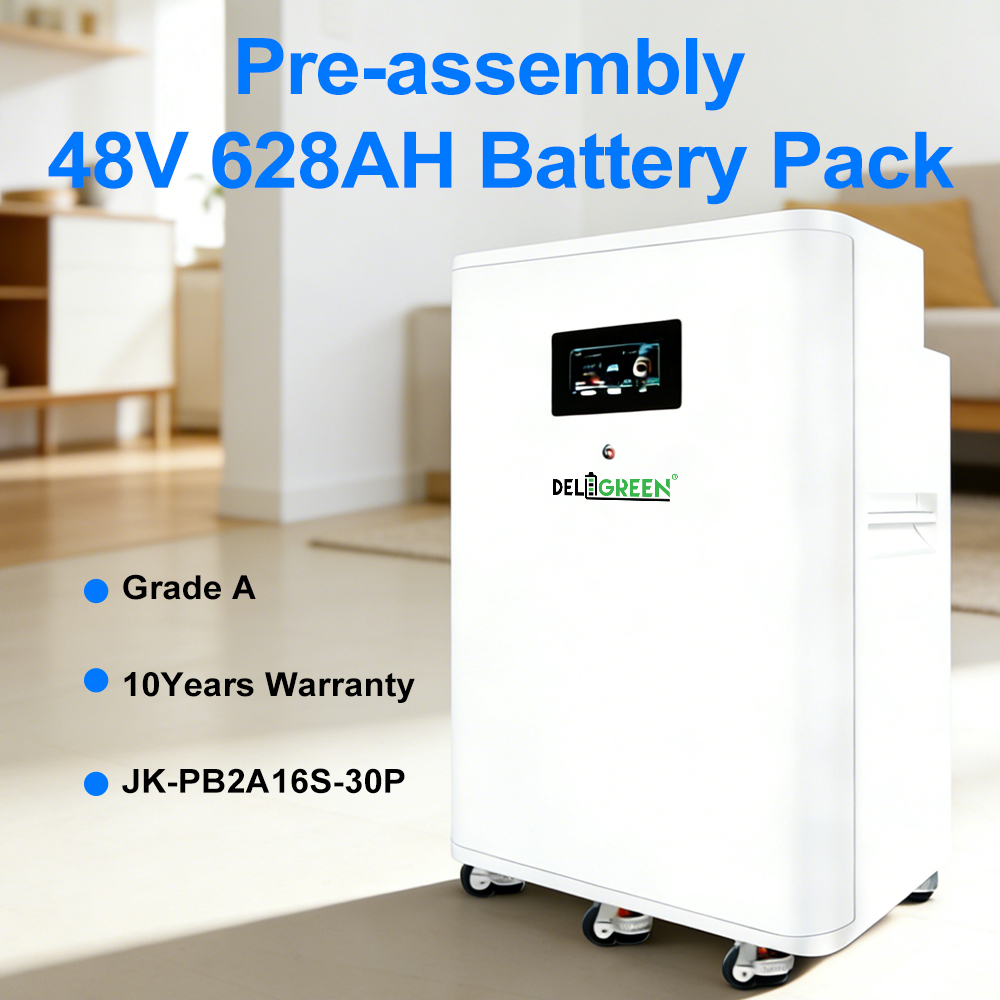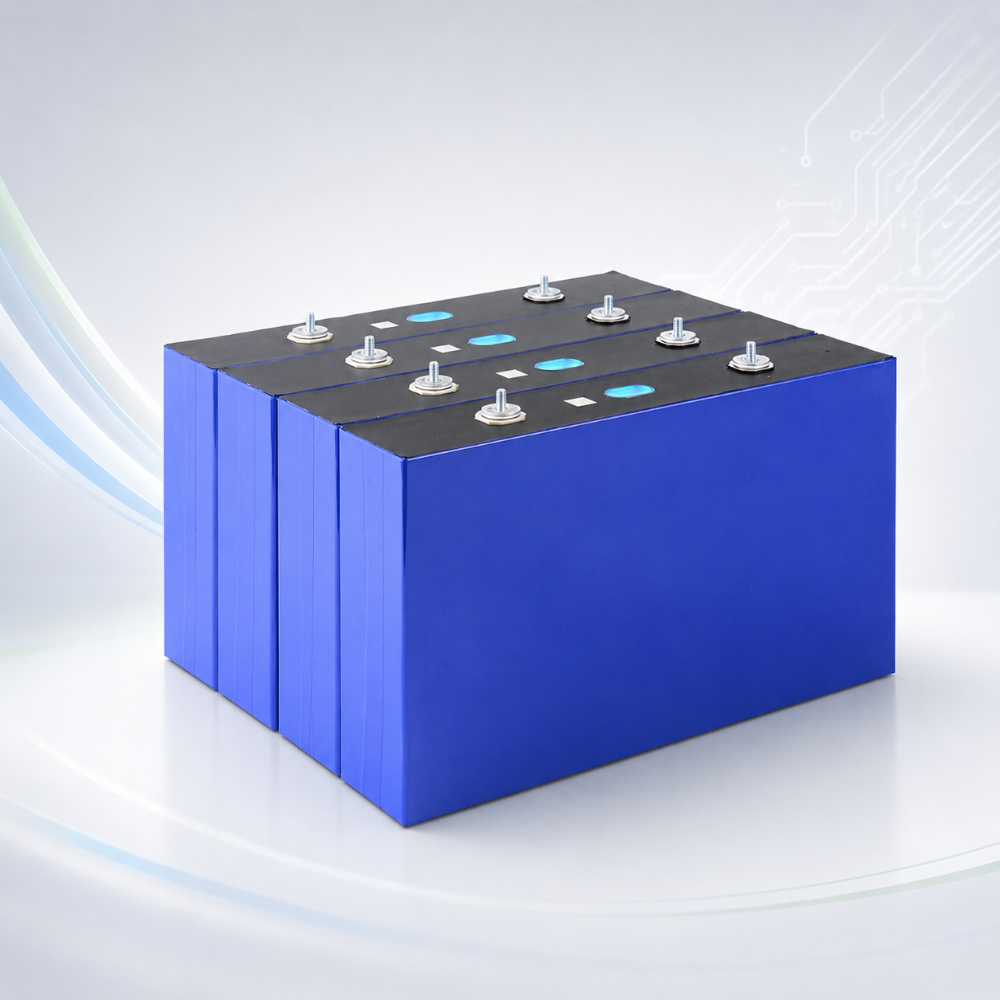
As the demand for home energy storage continues to grow, more and more households are paying attention to solar energy storage, backup power, and off-grid power solutions. When choosing an energy storage battery, many users notice that products are available in different battery voltage levels, such as 12V, 24V, and 48V. Among them, 48V batteries have gradually become a popular choice for home energy storage systems. Many people wonder why 48V batteries are preferred instead of lower-voltage options. The reason is closely related to household power requirements, battery efficiency, safety, and long-term operating costs.
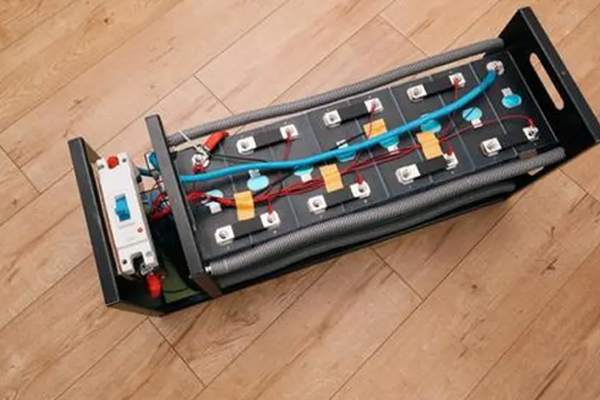
Why Are 48V Batteries Suitable for Home Energy Storage Systems?
Home energy storage systems need to meet daily electricity needs while maintaining efficiency and stable operation. Compared with lower-voltage batteries, 48V batteries provide a more balanced performance when storing and delivering power, helping reduce energy loss during operation.
- More stable power output.
- Lower current reduces pressure on wiring.
- Suitable for larger energy storage capacity.
- Easier to integrate with solar systems.
Home energy storage is not only used for lighting but may also power refrigerators, air conditioners, computers, and other household devices. If lower-voltage batteries are used for the same power output, the system requires higher current, which places greater demands on cables and connection components. A 48V battery can reduce current by increasing voltage, making the entire energy storage system operate more efficiently.
What Are the Advantages of 48V LiFePO4 Batteries?
Many home energy storage systems choose 48V LiFePO4 batteries because they perform well in terms of safety, lifespan, and overall user experience. For homeowners, batteries usually need to operate for many years, so long-term stability is often more important than the initial purchase price.
- Longer service life.
- Higher safety performance.
- Strong charging and discharging capability.
- More stable voltage output.
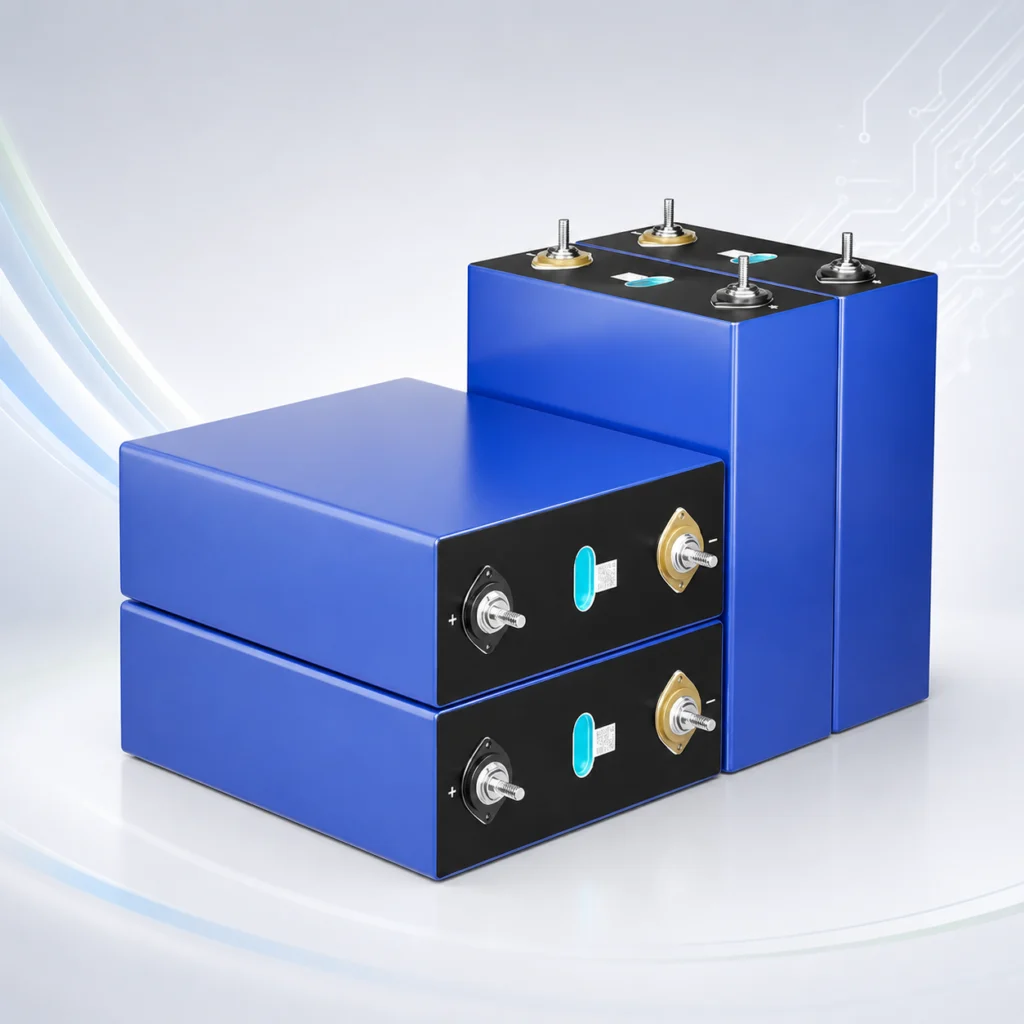
LiFePO4 batteries use a stable material structure and maintain good performance during long-term charging and discharging cycles. Home energy storage systems usually charge and discharge every day, and batteries with poor cycle performance may lose capacity after several years. 48V LiFePO4 batteries provide excellent cycle durability, making them suitable for long-term energy storage applications.
What Are the Differences Between 48V, 24V, and 12V Batteries?
Different battery voltage levels are designed for different applications. A higher voltage does not always mean a better battery. The right voltage depends on the actual power requirements of the equipment. 12V and 24V batteries are commonly used in smaller systems, while 48V batteries are more suitable for larger energy storage applications.
- 12V batteries are suitable for small power devices.
- 24V batteries are suitable for medium power requirements.
- 48V batteries are suitable for home storage and high-power equipment.
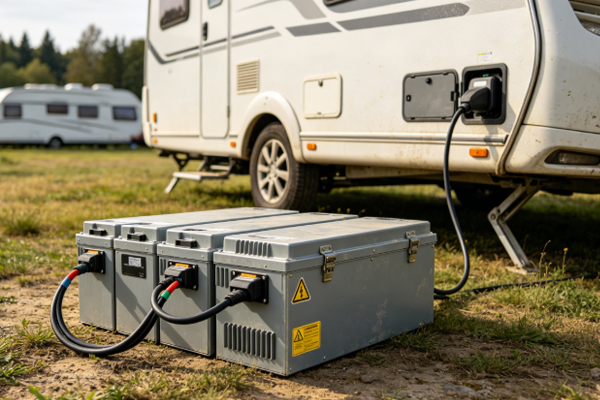
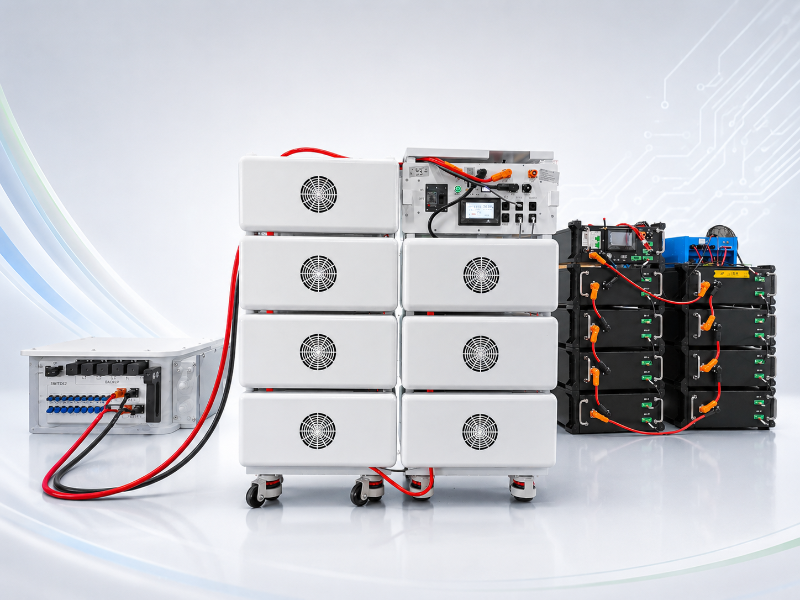
If the system only needs to power simple devices, 12V or 24V batteries may already meet the requirements. However, home energy storage systems usually need to store more electricity and support multiple household appliances. A 48V battery can reduce current load and make the overall system design more practical. It also allows easier capacity expansion by connecting multiple battery modules.
What Should You Consider When Choosing a 48V Home Energy Storage Battery?
Although 48V batteries are becoming more common in home energy storage, choosing a battery should not only focus on voltage. Battery capacity, operating environment, charging and discharging performance, and safety protection features all affect actual performance.
- Confirm whether the storage capacity meets household needs.
- Check whether the battery management system is reliable.
- Pay attention to cycle life and safety performance.
- Choose a battery specification suitable for the installation environment.
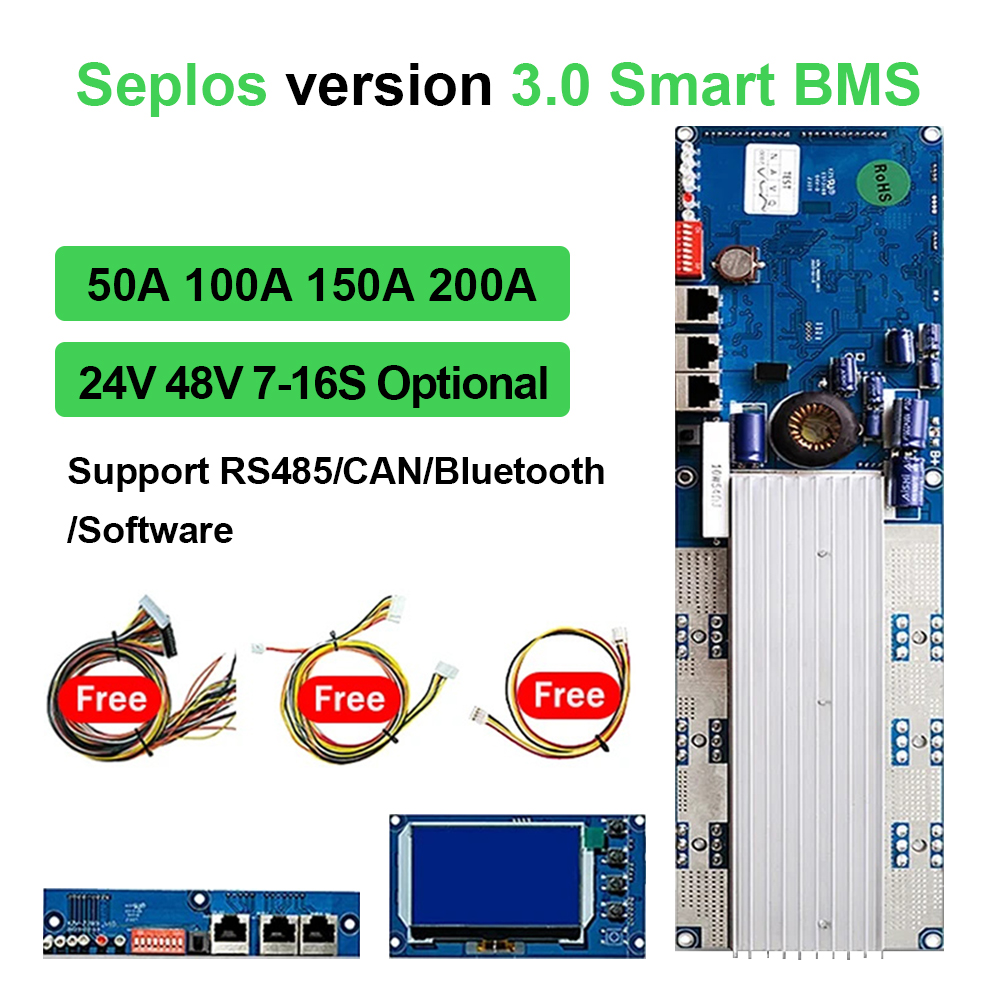
Home energy storage systems usually need to operate for long periods, so battery quality is very important. 48V LiFePO4 batteries are often equipped with a Battery Management System (BMS), which monitors voltage, current, and temperature to improve safety during operation. When choosing a battery, users should consider household electricity consumption, solar power generation, and backup power requirements.
48V batteries have become a common choice for home energy storage systems because they offer advantages in power efficiency, stability, safety, and expandability. Compared with lower-voltage batteries, 48V LiFePO4 batteries are better suited for long-term energy storage and higher-power applications. As solar energy and home storage demand continue to increase, 48V battery systems are being adopted by more households, providing a more stable and reliable power solution.