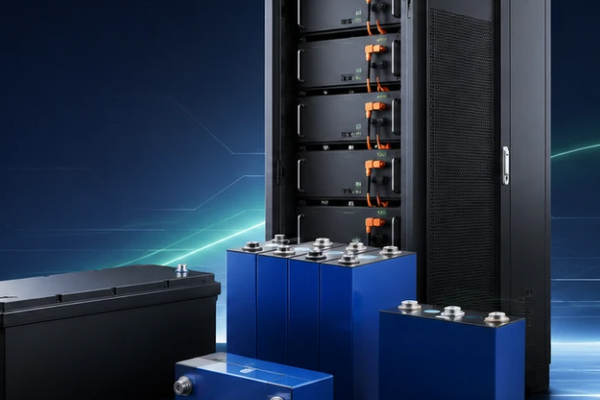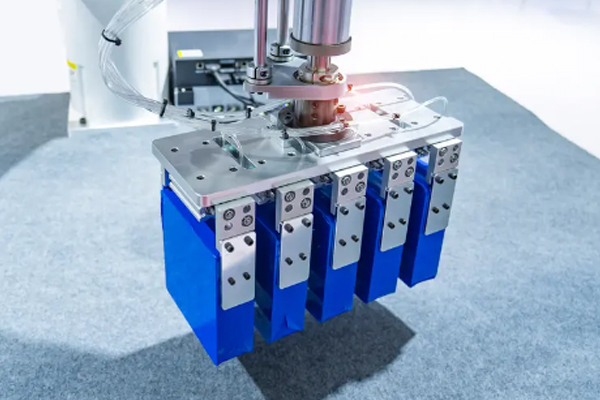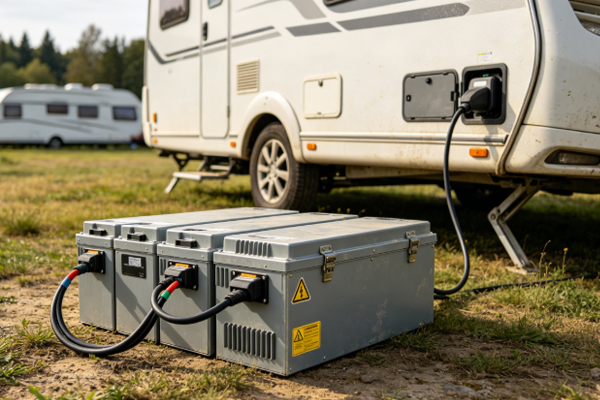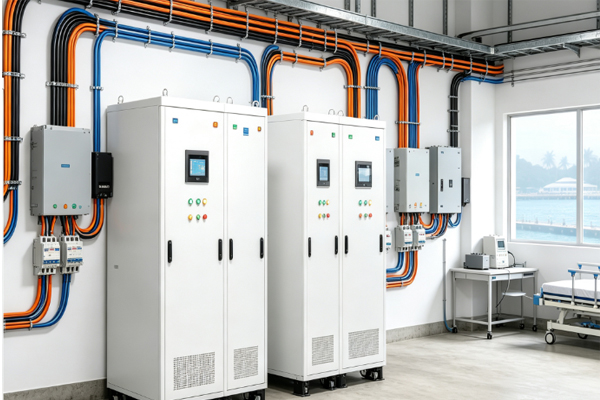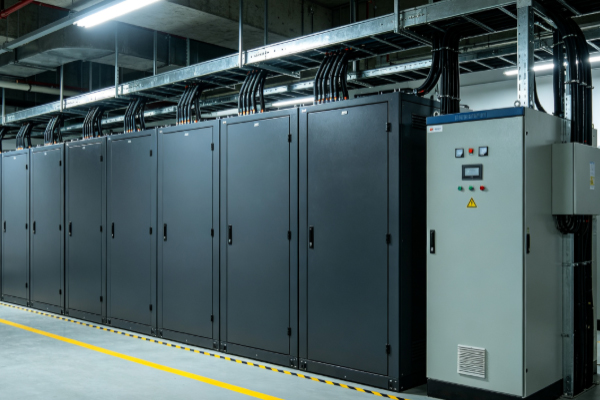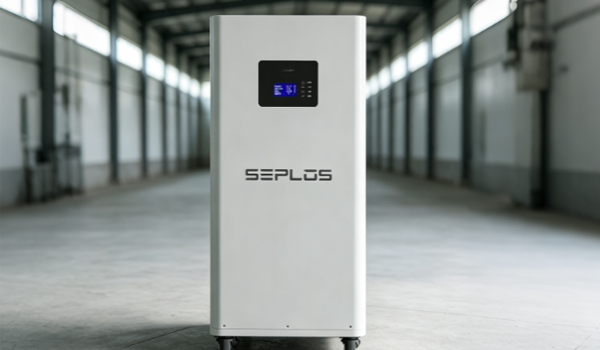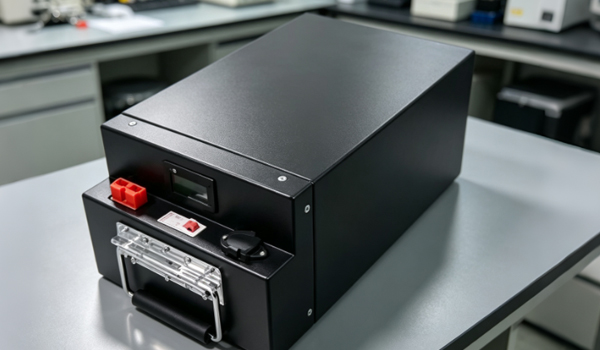
School libraries support book lending, information searches, self-study, electronic reading, network services, and digital resource management. They are typically equipped with lighting systems, air conditioning, computers, servers, network equipment, access control systems, and fire protection facilities. As digital libraries continue to develop, electronic equipment and network services are becoming increasingly dependent on stable electricity. A sudden power outage may disrupt student learning, access to digital resources, and library security management. The School Library Energy Storage Power Supply Solution uses LiFePO4 batteries as the core energy storage equipment and integrates energy storage power conversion systems, Battery Management Systems (BMS), Energy Management Systems (EMS), and power distribution equipment to establish a stable and flexible energy storage power supply system for the library.
LiFePO4 batteries offer long cycle life, good thermal stability, high energy density, and relatively low maintenance requirements, making them suitable for long-term library operation. The system can develop charging and discharging strategies according to library opening hours, visitor density, and equipment load changes. Electricity can be stored during periods of low demand and released when power requirements increase. When grid electricity becomes unavailable, the system can provide backup power for network equipment, monitoring systems, access control systems, emergency lighting, and other critical facilities according to load priorities. Combining energy storage with intelligent energy management can improve energy utilization efficiency while strengthening the power reliability of campus public facilities.
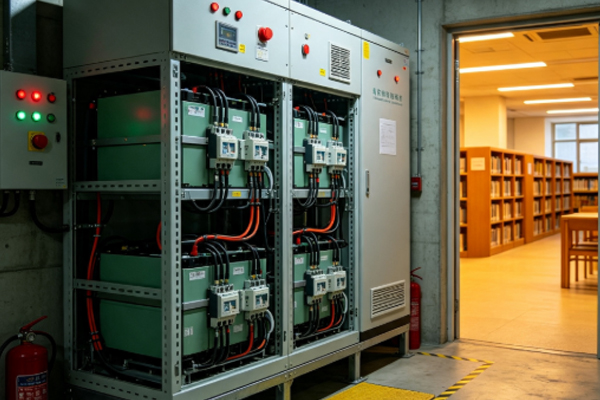
LiFePO4 Energy Storage Improves Library Power Stability
Library electricity demand usually follows recognizable operating patterns. During opening hours, lighting, air conditioning, computers, and network equipment often operate simultaneously, while some devices enter low-power modes after closing. An energy storage system can take advantage of these load changes by storing electricity during low-demand periods and releasing it when needed. For modern libraries equipped with servers, digital resource terminals, and intelligent management equipment, energy storage can function not only as a backup power source but also as part of daily energy management, helping reduce peak electricity demand.
Long-Life Batteries Support Long-Term Library Operation
Library energy storage systems are generally deployed for extended periods. During normal operation, batteries may remain on standby while also undergoing periodic charging and discharging, making cycle capability and operating stability important. LiFePO4 batteries provide good cycling performance and can meet long-term energy storage requirements under appropriate charging and discharging conditions. When combined with a BMS, battery voltage, current, temperature, and state of charge can be monitored in real time, allowing administrators to better understand equipment operating conditions.
Compared with traditional lead-acid energy storage equipment, LiFePO4 solutions can also reduce certain maintenance requirements. Modular battery structures allow capacity to be configured according to actual library requirements, while additional storage modules can be added later when system conditions permit. For library energy systems that need reliable long-term operation, this configuration provides greater flexibility.
Peak and Off-Peak Charging Reduces High-Demand Pressure
Libraries may experience high electricity consumption during opening hours, particularly during examination periods, final examination seasons, and periods when large numbers of students use study areas simultaneously. Lighting, air conditioning, computers, and network equipment may operate continuously for extended periods. The energy storage system can control charging and discharging according to campus electricity schedules, storing electricity when demand is low and releasing it when loads increase.
| Storage Component | Main Function | Library Application |
| LiFePO4 Battery | Stores electrical energy | Daily energy storage and backup power |
| BMS | Battery monitoring | Voltage, current, and temperature management |
| PCS | Energy conversion | Connects batteries with the AC system |
| EMS | Intelligent scheduling | Charging, discharging, and load management |
| Power Distribution Equipment | Power distribution | Supplies critical loads |
An appropriate charging and discharging strategy can smooth library electricity consumption while increasing the practical utilization of the energy storage equipment.
Library Energy Storage Applications and Intelligent Energy Management
Library equipment has different power supply priorities. Digital resource servers, network switches, access control systems, surveillance equipment, and fire protection facilities generally require a high level of power continuity, while ordinary lighting, air conditioning, and some non-critical devices can be managed according to available storage capacity. Therefore, the energy storage system needs a tiered power supply strategy based on actual library operations and should use an EMS platform to coordinate batteries, distribution equipment, and loads. This allows critical equipment to receive priority when storage capacity is limited while reducing unnecessary energy consumption.
Multiple Equipment Scenarios Receive Backup Power
The library energy storage power supply system can support digital reading, network services, visitor management, and security operations. Through tiered load management, the system can prioritize critical equipment when grid electricity becomes unavailable.
Common applications include:
- Digital resource equipment: Provides stable electricity for electronic reading terminals and digital resource access equipment.
- Network communication equipment: Supports switches, routers, and wireless network devices.
- Library management systems: Supplies power for borrowing terminals, self-service checkout equipment, and management computers.
- Smart access control equipment: Keeps access control, identity recognition, and entrance management systems operating.
- Security and fire protection equipment: Provides backup energy for video surveillance, alarms, and selected fire protection systems.
- Emergency lighting systems: Maintains essential lighting during power outages and supports safe evacuation.
By assigning different priorities to different loads, the energy storage system can better match actual library requirements and improve power protection during unexpected outages.
EMS System Enables Visualized Library Energy Management
The EMS Energy Management System can connect the BMS, energy storage power conversion system, campus distribution network, and photovoltaic equipment to centrally manage library energy operations. Administrators can monitor real-time battery capacity, charging and discharging power, equipment status, and historical operating data while setting energy scheduling strategies according to library opening hours.
During normal library operations, the EMS can control energy storage equipment according to load changes and participate in electricity regulation. During closing hours, the system can reduce storage activity and allow selected electrical devices to enter low-power modes. If abnormal battery temperature, voltage, or operating conditions are detected, the system can issue alerts to facilitate inspection and maintenance. Long-term operating data can also provide useful information for storage capacity adjustments, equipment maintenance, and future energy planning.
Combining Photovoltaic Power with Energy Storage Improves Green Energy Utilization
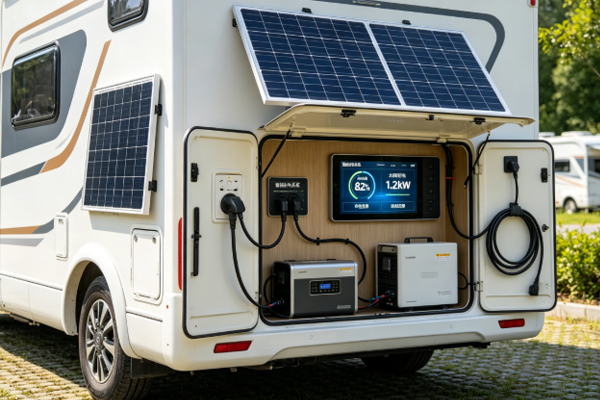
School libraries may have rooftops, parking shelters, or other available spaces suitable for solar photovoltaic systems. During daylight hours, electricity generated by photovoltaic modules can directly supply library loads, while surplus electricity can be stored in LiFePO4 batteries. During evening hours or periods of low solar generation, stored electricity can continue to support selected equipment.
Combining photovoltaic generation with energy storage reduces energy waste caused by the mismatch between solar generation periods and electricity demand while increasing the proportion of clean energy used within the campus. For schools focused on green campus development, this configuration can provide backup electricity while establishing a coordinated energy model that integrates photovoltaic generation, energy storage, and load management.
High-Performance Energy Storage Meets Continuous Library Power Requirements
Libraries are long-term public learning spaces that may operate throughout the day or according to scheduled opening hours. Their energy systems therefore require strong stability, safety, scalability, and intelligent management capabilities. LiFePO4 batteries provide high thermal stability and good cycle performance. When combined with BMS protection, temperature management, electrical protection, and energy storage power conversion equipment, they can form a complete energy storage power supply system. By appropriately determining battery capacity, inverter power, and backup duration, the energy storage equipment can be matched more precisely to actual library loads.
Stable Performance Supports Digital Library Equipment
Modern libraries increasingly depend on digital equipment. Servers, network devices, self-service checkout machines, electronic reading terminals, and smart access control systems require increasingly reliable power continuity. LiFePO4 energy storage batteries provide stable stored energy and can supply AC equipment through energy storage power conversion systems.
| Performance Item | LiFePO4 Energy Storage Characteristics |
| Battery Type | LiFePO4 |
| Cycle Capability | Suitable for long-term periodic charging and discharging |
| Thermal Stability | High |
| Output Characteristics | Stable continuous discharge |
| Capacity Configuration | Supports modular design |
| Safety Management | Real-time BMS monitoring |
| Energy Scheduling | Intelligent EMS control |
| Application Modes | Peak and off-peak storage, photovoltaic storage, backup power |
Stable battery performance can help reduce the impact of unexpected power outages on digital services and public facilities while improving the long-term reliability of the library energy system.
Modular Configuration Facilitates Capacity Expansion
Libraries may add electronic reading equipment, self-service terminals, servers, or other intelligent devices in the future, increasing electricity demand over time. A modular LiFePO4 battery system can be configured according to actual energy requirements, meeting the needs of major equipment during the initial stage and allowing additional capacity to be added later according to new loads.
During capacity expansion, the condition of the existing battery bank, PCS power, distribution capacity, available installation space, and BMS compatibility should be considered. Proper modular design reduces the difficulty of future upgrades while giving the energy storage system stronger expansion capability. For libraries undergoing long-term development, this configuration can adapt to increasing electricity requirements caused by continuous digitalization.
Intelligent Energy Storage Supports Green Library Development
Green campus development requires not only lower building energy consumption but also improved utilization of renewable energy. Library energy storage systems can work with photovoltaic generation, smart power distribution, and energy management platforms to improve energy efficiency through data monitoring and automatic scheduling. Clean electricity stored during daylight hours can be released during later periods of demand, reducing energy losses caused by the mismatch between photovoltaic generation and actual electricity consumption.
As smart campus development continues, library energy storage systems can also connect to campus energy management platforms to centrally monitor battery conditions, photovoltaic generation, building loads, and grid operation data. The School Library Energy Storage Power Supply Solution combines daily energy regulation, green electricity utilization, backup power for critical equipment, and intelligent energy management. It provides libraries with a stable, efficient, and safe power infrastructure while supporting the development of digital and sustainable campuses.