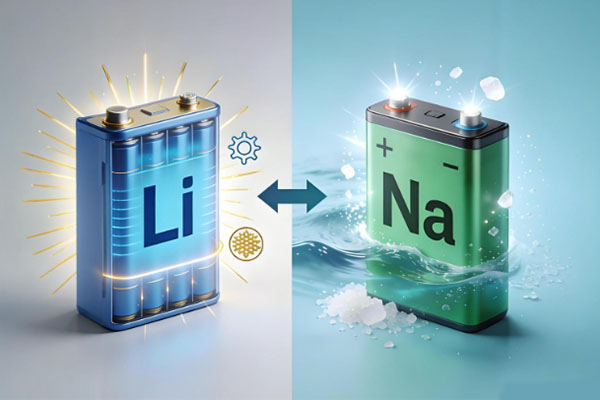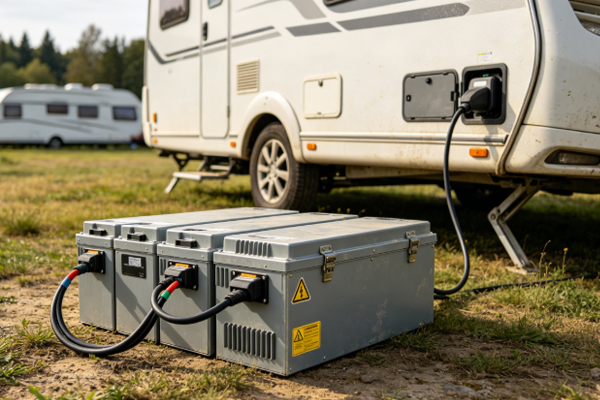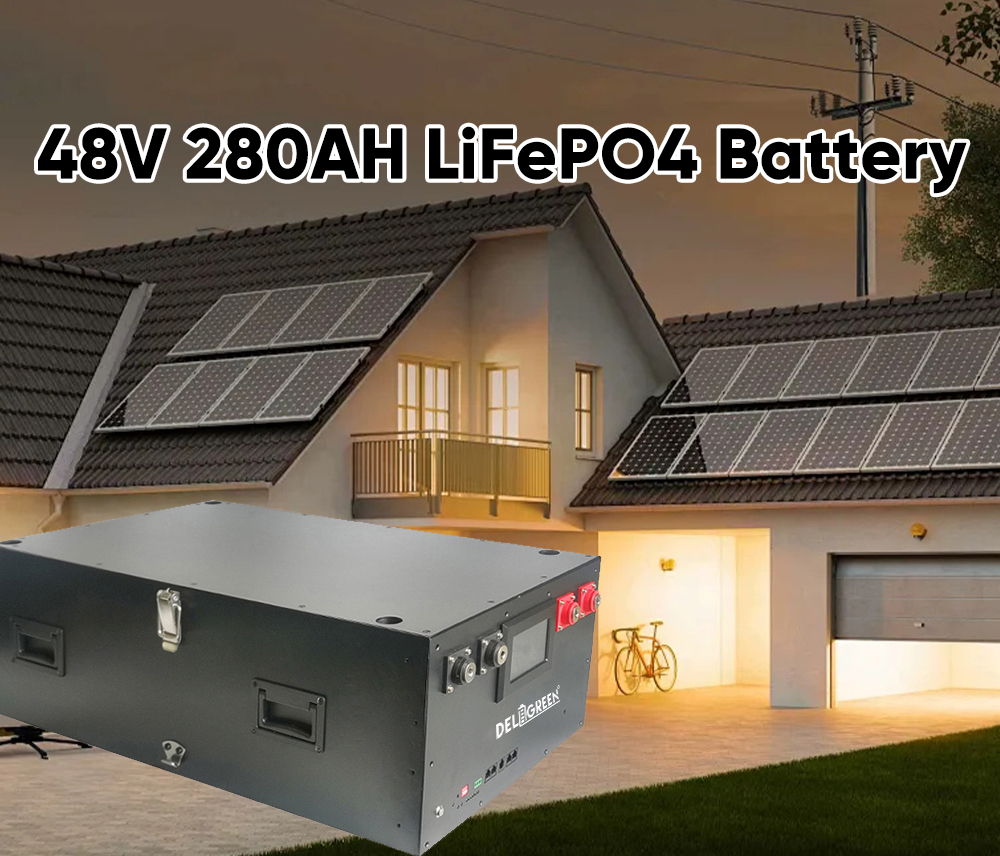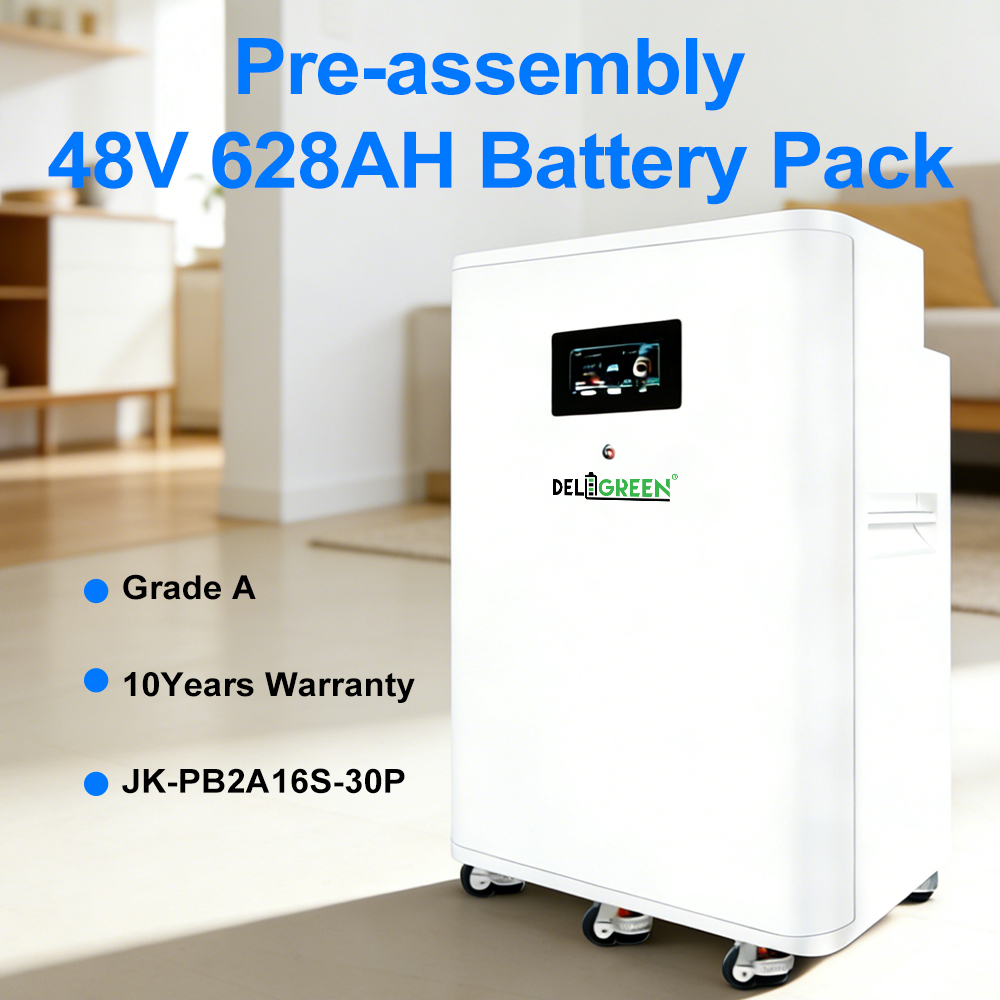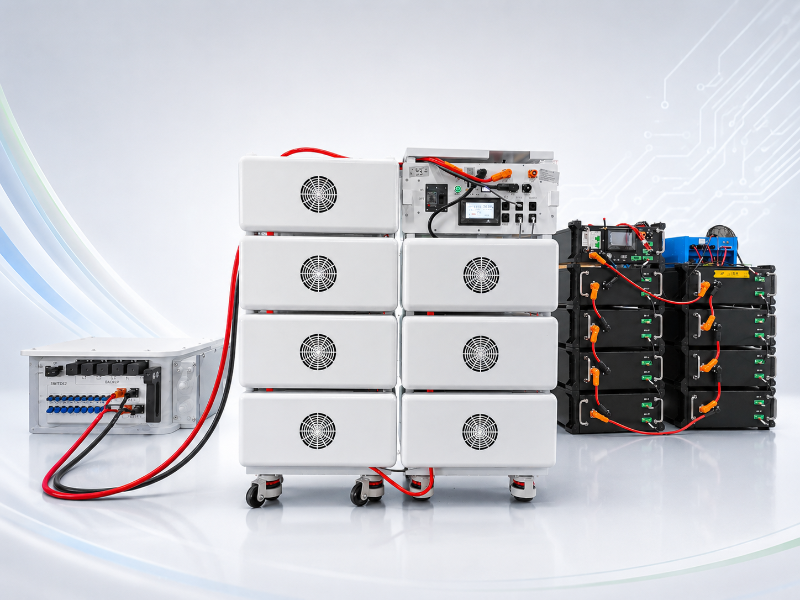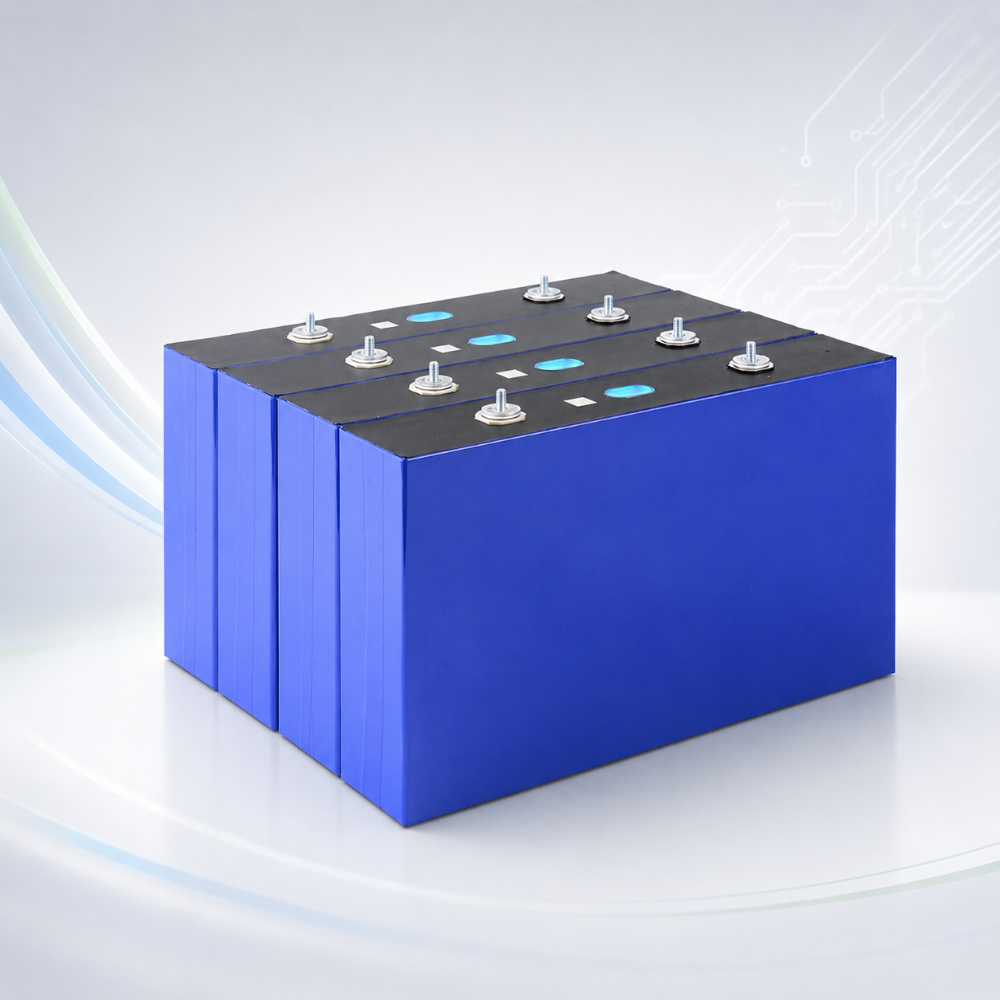
With the continuous growth of new energy equipment, home energy storage systems, and outdoor power demands, people’s requirements for batteries are no longer limited to “whether they can store electricity.” They also expect batteries to provide long-term stable operation and withstand frequent charging and discharging cycles. A Lithium Deep Cycle Battery is a type of energy storage lithium battery product developed to meet these needs. Lithium deep cycle batteries are mainly used in scenarios that require long-term power supply and repeated cycling, such as solar energy storage, RV power systems, marine power supply, electric equipment, and backup power systems.
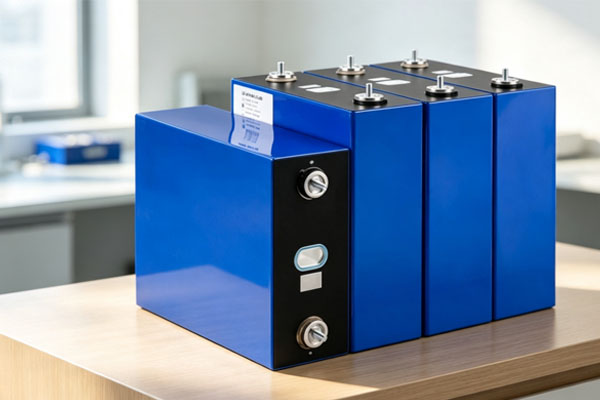
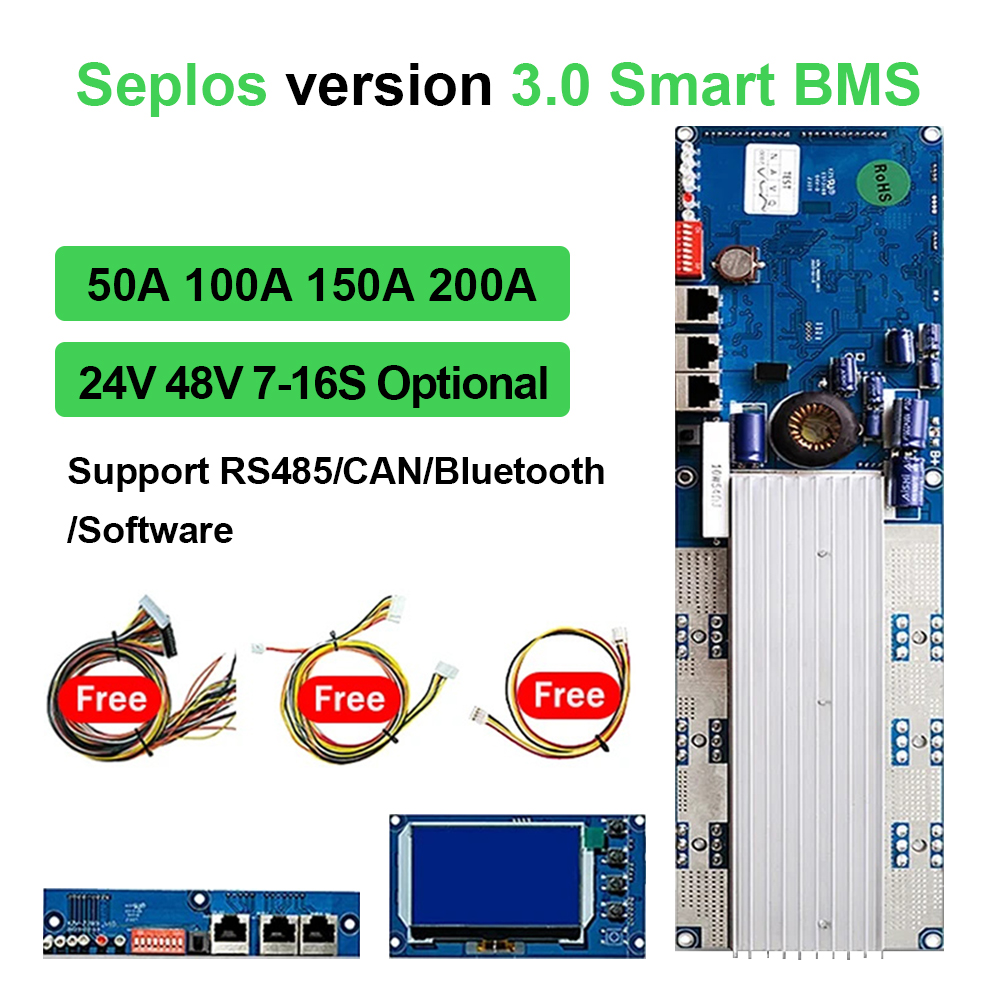
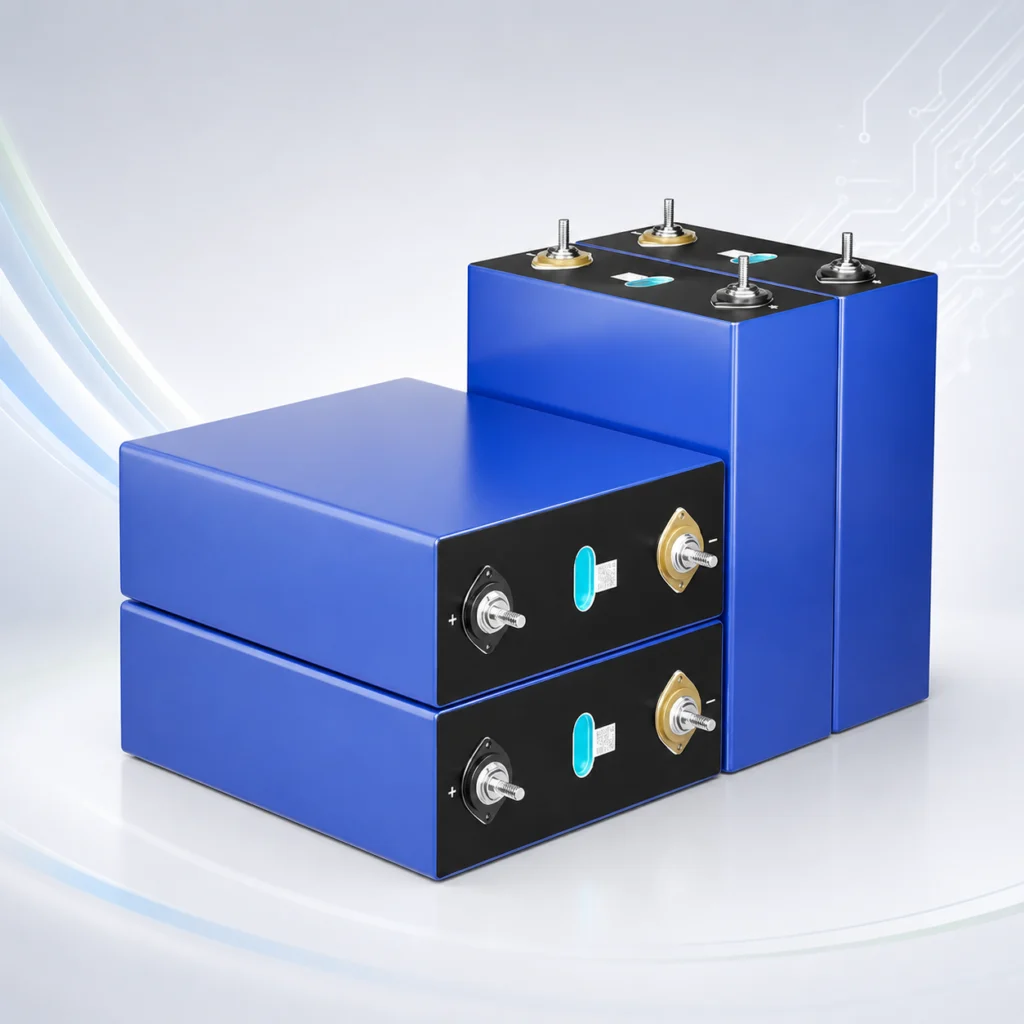
Unlike lithium batteries used in ordinary consumer electronic products, lithium deep cycle batteries focus more on cycle count, depth of discharge, safety, stability, and long-term operating capability. Most lithium deep cycle batteries currently available on the market use lithium iron phosphate (LiFePO₄) cells, which provide excellent safety performance and cycle life. When combined with an intelligent BMS (Battery Management System), lithium deep cycle batteries can monitor voltage, current, and temperature changes in real time, allowing the battery to maintain a more stable condition during long-term operation.
What Is the Basic Meaning of a Lithium Deep Cycle Battery?
A lithium deep cycle battery is a lithium-ion battery specially designed for deep discharge and repeated charging. It allows users to utilize more stored energy and restore power through charging without causing rapid battery damage due to frequent use. Ordinary batteries usually focus more on instant power output. For example, a vehicle starter battery needs to release a large amount of current within a short period. In contrast, lithium deep cycle batteries focus more on continuous power supply capability. They need to maintain stable output for long periods, so special optimization is carried out in cell material selection, internal structure design, and protection system configuration.
What Does Deep Cycle Mean?
The term “deep cycle” in lithium deep cycle batteries mainly refers to the battery’s ability to undergo deeper levels of discharge and withstand a large number of repeated charge and discharge cycles. Here, “cycle” does not simply mean using the battery once, but refers to a complete process of fully charging, releasing stored energy, and then recharging again. This means the energy inside the battery can be utilized more effectively instead of only using a small portion of the available capacity. For example, some traditional batteries may experience capacity reduction when frequently deeply discharged. However, deep cycle lithium batteries are specially designed to adapt to higher-frequency and deeper energy release requirements.
- Deep cycle design allows the battery to use a larger proportion of its stored energy.
- The battery can repeatedly go through charging and discharging processes.
- Under proper usage conditions, it can maintain a longer cycle life.
This design is especially suitable for equipment that needs to store and release energy every day, such as solar systems that store electricity during the daytime and continuously provide energy for household lighting, appliances, or other electrical devices at night.
What Is the Difference Between Lithium Deep Cycle Batteries and Ordinary Lithium Batteries?
Although lithium deep cycle batteries and ordinary lithium batteries both belong to the lithium-ion battery category, their design purposes are not exactly the same. Ordinary lithium batteries are mainly used in mobile phones, laptops, digital devices, and other products. These applications usually require lightweight designs and high instantaneous output capability. Lithium deep cycle batteries, however, are mainly used in energy storage environments where they must handle repeated daily charging and discharging. Therefore, their design prioritizes battery life, stability, and long-term operating performance.
- Deep cycle batteries use cell structures that are more suitable for long-term cycling.
- They can withstand more frequent charging and discharging processes.
- They are usually equipped with BMS systems to improve safety protection capabilities.
Deep cycle batteries can better meet the long-term usage requirements of solar energy storage, RV power supply, and off-grid power systems because these applications usually require daily charging and discharging.
What Are the Main Features of Lithium Deep Cycle Batteries?
The reason lithium deep cycle batteries can be widely used in various energy storage devices is mainly because they provide excellent cycling performance, stable output capability, and high energy utilization efficiency. Compared with traditional lead-acid deep cycle batteries, lithium battery technology offers significant improvements in weight, lifespan, and overall user experience.
Longer Cycle Life
One of the biggest features of lithium deep cycle batteries is their long service life. Batteries used in energy storage equipment experience charging and discharging every day. If the number of cycles is limited, the battery needs to be replaced frequently, which not only increases costs but also affects normal equipment operation. High-quality lithium iron phosphate deep cycle batteries can usually achieve thousands of cycles under proper usage conditions, and some premium products can achieve even higher cycle counts. This means users can operate the batteries for a long time without frequent replacement.
- High cycle counts reduce the frequency of long-term replacement.
- Better capacity retention during extended use.
- More suitable for daily operating energy storage environments.
For example, a home solar energy storage system charges using solar power during the day and releases electricity at night. Using a lithium deep cycle battery with a long cycle life can effectively improve system stability.
More Stable Discharge Performance
Lithium deep cycle batteries can maintain relatively stable voltage output during operation and are less likely to experience sudden equipment shutdown caused by declining battery power. For devices that require continuous power supply, stable discharge capability is a very important performance feature. Traditional batteries may experience a noticeable voltage drop when the remaining power decreases, which can affect equipment performance. Lithium deep cycle batteries, through optimized cell materials, can maintain stable power output for a longer period.
- Smaller voltage fluctuations during discharge.
- Improved equipment operating stability.
- Reduced performance decline under low battery conditions.
RV systems, marine equipment, and outdoor power devices often need to operate continuously for several hours. Therefore, stable discharge capability can improve the overall user experience.
Lighter Weight and Higher Energy Density
Compared with traditional lead-acid deep cycle batteries, lithium deep cycle batteries have higher energy density. Under the same capacity conditions, they can achieve a smaller size and lighter weight. For equipment that needs to be moved frequently, battery weight directly affects transportation and installation convenience. For example, RVs, electric equipment, and portable energy storage products all require batteries that are as lightweight as possible while providing more power capacity.
- Easier transportation and installation.
- Saves equipment space.
- More suitable for mobile energy storage applications.
This lightweight advantage makes lithium deep cycle batteries increasingly common in outdoor activities, portable power supplies, and small energy systems.
What Fields Are Lithium Deep Cycle Batteries Commonly Used In?
Lithium deep cycle batteries have long-term power supply capabilities, so they are widely used in various equipment that requires energy storage. Whether it is a small home energy storage system or a large industrial backup power supply, deep cycle lithium batteries can be found in many applications.
Solar Energy Storage Systems
Solar power generation has obvious time limitations. Solar panels produce electricity during the daytime, but they cannot continuously generate power at night or during cloudy weather. Therefore, batteries are needed to store excess electricity. Lithium deep cycle batteries are well suited to meet this energy storage demand. They can store the electricity generated by solar panels during the day and release it when needed, providing power for household lighting, electrical appliances, and other equipment.
- Store electricity generated from solar energy.
- Provide continuous power at night.
- Support the operation of off-grid energy systems.
In areas without stable grid power supply, solar energy combined with lithium deep cycle batteries can create an independent power system and improve energy usage convenience.
RVs and Outdoor Power Equipment
RV travel, camping, and outdoor working environments usually require reliable power sources, such as for refrigerators, lighting equipment, mobile phone charging devices, and small household appliances. Due to their lighter weight and higher capacity, lithium deep cycle batteries are highly suitable for installation in mobile equipment Compared with traditional batteries, they can reduce vehicle weight while providing longer-lasting power support.
- Support long-duration outdoor power supply.
- Easy installation in limited spaces.
- Meet the power requirements of various devices.
Electric Vehicles and Low-Speed Transportation Equipment
Some electric vehicles, sightseeing carts, golf carts, and industrial handling equipment also use lithium deep cycle batteries. These devices usually require frequent starting and operation, so they have higher requirements for battery cycling performance. Deep cycle batteries can adapt to high-frequency usage environments, improving overall service life while maintaining stable power output.
- Meet daily high-frequency usage requirements.
- Provide stable power output.
- Reduce maintenance frequency.
What Should Be Considered When Choosing and Using Lithium Deep Cycle Batteries?
Although lithium deep cycle batteries have excellent performance, different equipment has different requirements for battery capacity, voltage, and operating environments. Therefore, during purchasing and usage, it is necessary to select the battery according to actual needs to avoid problems such as insufficient capacity or mismatched specifications.
Choose Battery Capacity According to Equipment Requirements
When selecting a lithium deep cycle battery, users need to calculate the appropriate capacity based on equipment power, daily usage time, and energy storage requirements. If the battery capacity is too small, it may not provide enough operating time. If the capacity is too large, it will increase costs and installation space requirements.
- Calculate the daily power consumption of the equipment.
- Determine battery capacity according to usage duration.
- Select a suitable voltage specification.
For example, home energy storage systems usually require larger capacity batteries, while outdoor portable power supplies pay more attention to weight and portability.
Pay Attention to the BMS Battery Management System
The BMS is an important component of a lithium deep cycle battery. It helps users monitor battery status and provides protection functions. Since lithium batteries have specific requirements for charging and discharging conditions, the BMS can improve overall usage safety.
- Prevent overcharging and over-discharging.
- Control abnormal temperature conditions.
- Extend battery service life.
For long-term operating energy storage equipment, a stable and reliable BMS system can effectively improve the overall performance of the battery.
Properly Maintain and Store the Battery
Although lithium deep cycle batteries require less maintenance compared with traditional batteries, proper usage is still very important. A suitable storage environment and reasonable charging methods can help maintain better battery performance.
- Avoid long-term exposure to high-temperature environments.
- Use proper and certified charging equipment.
- Regularly check battery condition when not used for a long period.
Proper maintenance can not only extend battery life but also reduce the possibility of failures during operation.
A lithium deep cycle battery is an energy storage lithium battery product specially designed for long-term cycling applications. By optimizing cell materials and battery structures, it improves cycle life, discharge stability, and energy utilization efficiency. Compared with traditional batteries, lithium deep cycle batteries feature lighter weight, longer lifespan, and higher safety performance, making them widely used in solar energy storage, RV power systems, electric vehicles, and backup power systems. When selecting a lithium deep cycle battery, users need to consider actual equipment requirements and choose suitable battery capacity, voltage specifications, and protection systems. At the same time, during daily use, attention should be paid to charging methods, operating environments, and storage conditions in order to fully utilize the battery’s performance.