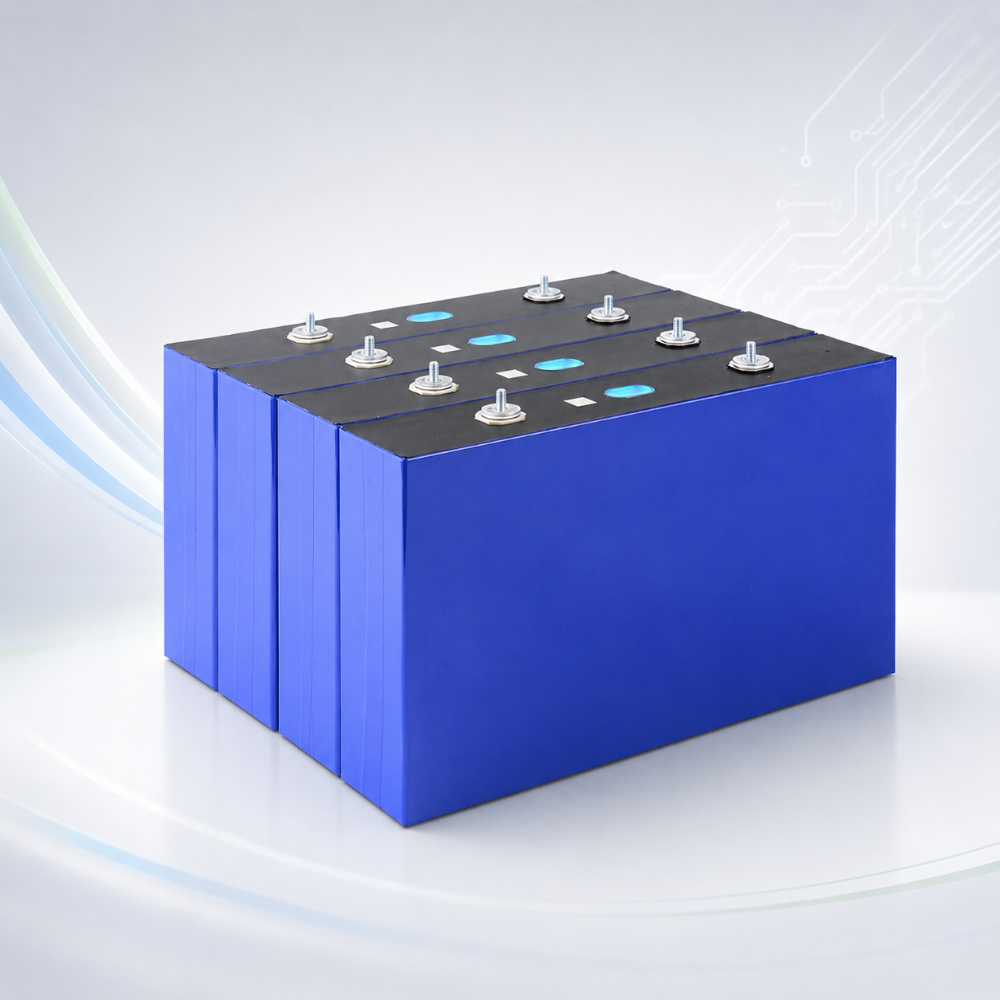
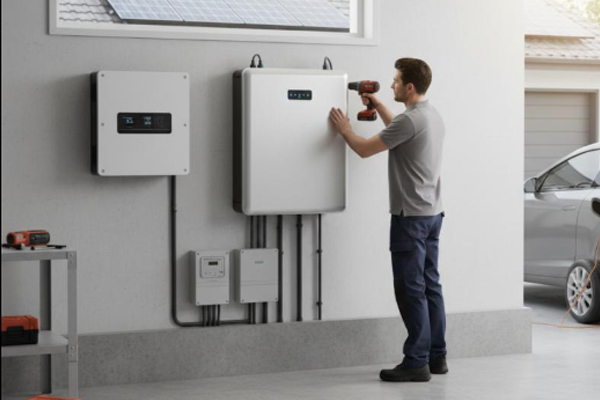
Wall-mounted home energy storage batteries have become an essential part of residential solar energy storage and backup power systems due to their space-saving design, convenient installation, and stable performance. In particular, lithium iron phosphate (LiFePO4) batteries are widely used in home energy management because of their long cycle life, excellent safety, and low maintenance requirements. Although LiFePO4 batteries require relatively little routine maintenance, proper care can further extend their service life, maintain charging and discharging efficiency, reduce the risk of failures, and ensure that the entire energy storage system continues to operate reliably over the long term.
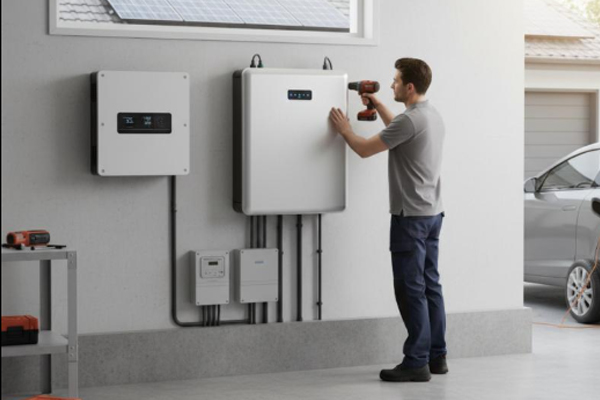
Maintain a Suitable Installation Environment to Extend Battery Life
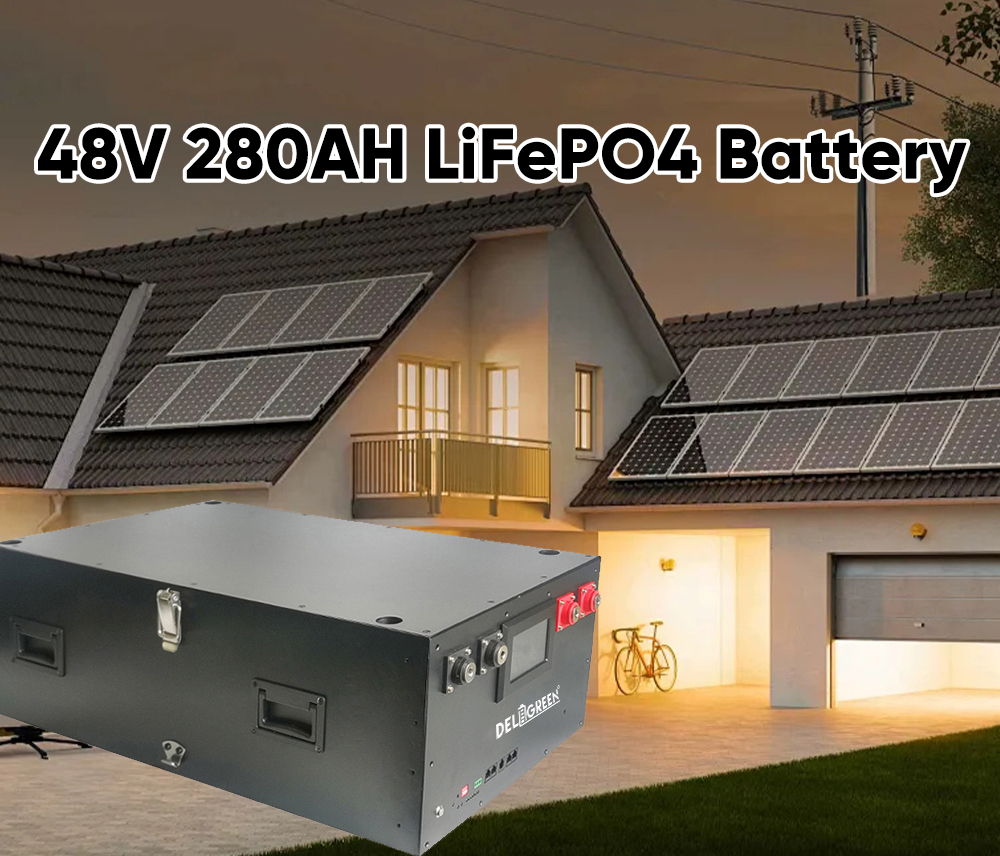
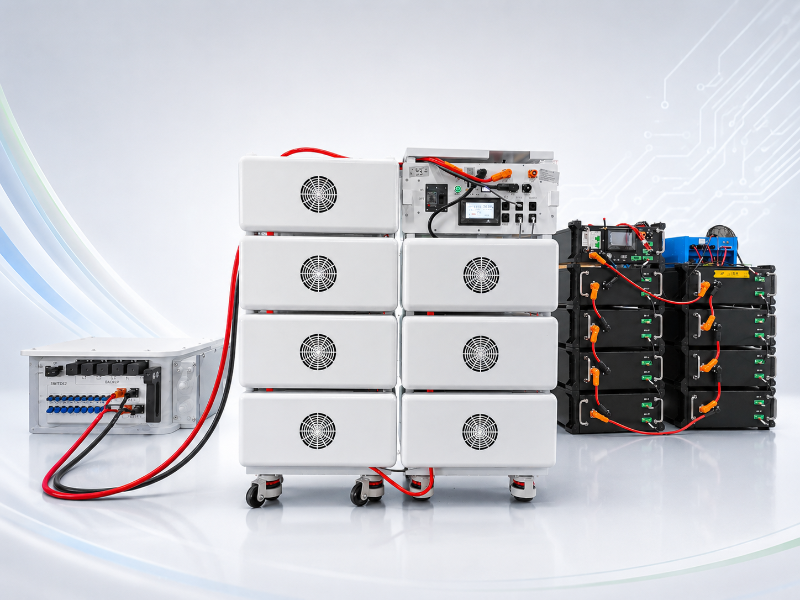
After installation, a wall-mounted energy storage battery should always be kept in a suitable operating environment. The battery should be installed in a dry, well-ventilated location that is free from corrosive gases, while avoiding prolonged exposure to direct sunlight, high temperatures, excessive humidity, or dusty conditions, all of which may affect heat dissipation and the stability of internal electronic components. The mounting wall should have sufficient load-bearing capacity to securely support the battery and prevent movement or vibration that could affect electrical connections. Adequate clearance should also be maintained around the battery to allow proper airflow, and ventilation openings should never be blocked. For systems integrated with solar power, it is equally important to inspect the inverter, communication cables, and electrical terminals regularly to ensure secure connections and reliable operation of the complete energy storage system.
Regular Inspections Help Reduce Equipment Failures
Although LiFePO4 batteries are highly reliable, regular inspections help identify potential issues before they become major problems, ensuring long-term system performance.
- Monitor Battery Operating Status:Check the battery display or monitoring platform regularly to review voltage, current, state of charge, temperature, and other operating data. Any warning messages should be addressed promptly.
- Inspect Electrical Connections:Examine power cables, communication cables, and terminals for loose connections, aging, oxidation, or physical damage to maintain stable power delivery.
- Verify Heat Dissipation:Ensure that ventilation openings remain unobstructed and that cooling airflow is sufficient to prevent excessive battery temperatures.
- Check the Mounting Structure:Inspect wall brackets, mounting bolts, and the installation position to confirm that the battery remains securely fixed after long-term operation.
Developing a routine inspection schedule can significantly reduce the likelihood of system failures while improving the reliability and service life of the energy storage system.
Proper Charging and Discharging Practices Maintain Battery Performance
Although LiFePO4 batteries are designed to handle frequent charging and discharging cycles, following appropriate charging practices helps preserve long-term performance. It is recommended to avoid keeping the battery at either a fully charged or completely discharged state for extended periods. Maintaining a reasonable state of charge allows the battery to operate within its optimal working range. If a home will remain unoccupied for an extended period, the battery should be stored with an appropriate charge level according to the manufacturer’s recommendations, and periodic charging should be performed to maintain battery activity. For systems connected to solar panels, intelligent charging and discharging strategies can automatically adjust battery operation based on solar generation and household electricity demand, improving energy efficiency while minimizing unnecessary cycling and extending battery life.
Important Maintenance Tips for Daily Operation
Following good maintenance practices helps improve system reliability while reducing future maintenance costs.
- Keep the Battery Clean:Use a soft, dry cloth to remove dust from the battery enclosure and ventilation areas. Avoid using corrosive cleaning agents or excessive moisture.
- Do Not Disassemble the Battery:The battery contains high-voltage components and an advanced Battery Management System (BMS). Maintenance and repairs should only be performed by qualified professionals.
- Update the System Software:If firmware or BMS software updates are provided by the manufacturer, install them according to official guidelines to maintain optimal system performance.
- Respond to Alarm Notifications:If the system reports high temperature, low temperature, communication errors, or other warning messages, investigate the cause promptly and contact professional technical support if necessary.
Consistent maintenance practices help ensure safe operation, maintain high charging and discharging performance, and maximize the long-term value of the energy storage system.
Choosing a High-Quality LiFePO4 Battery Reduces Maintenance Requirements
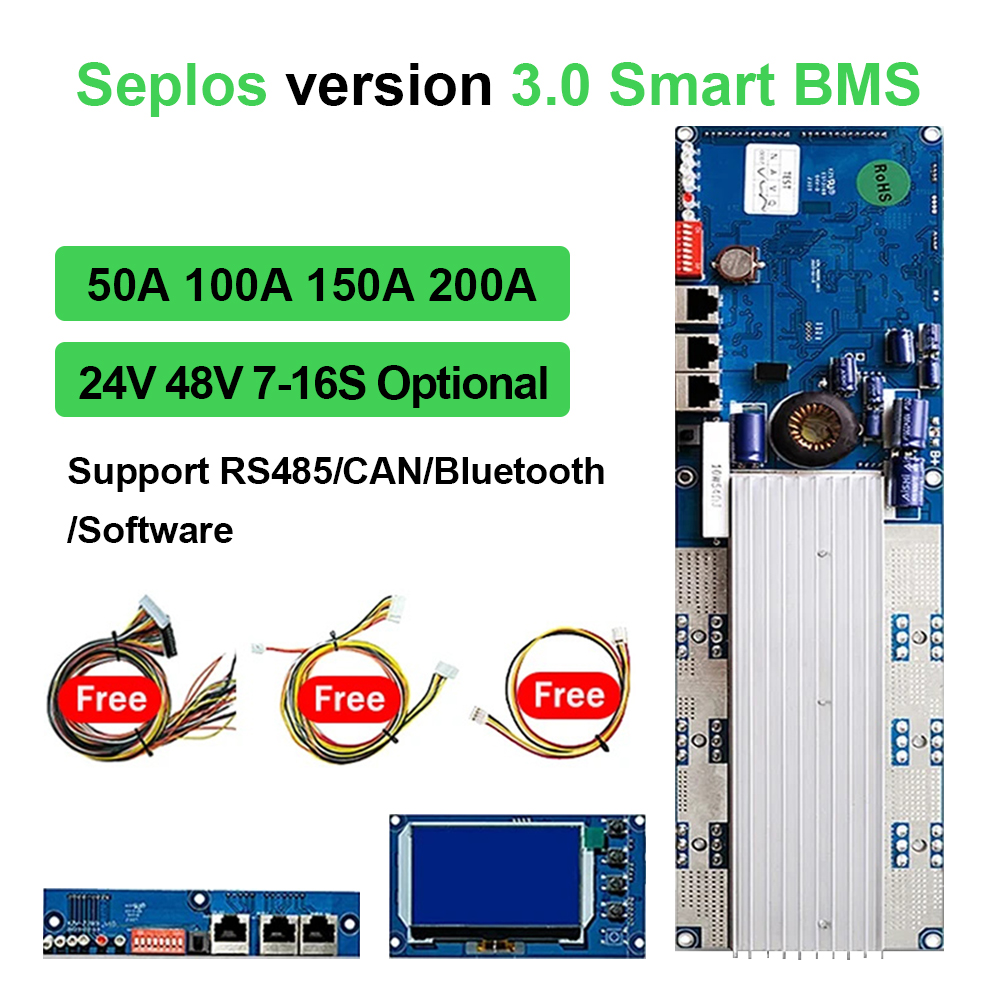
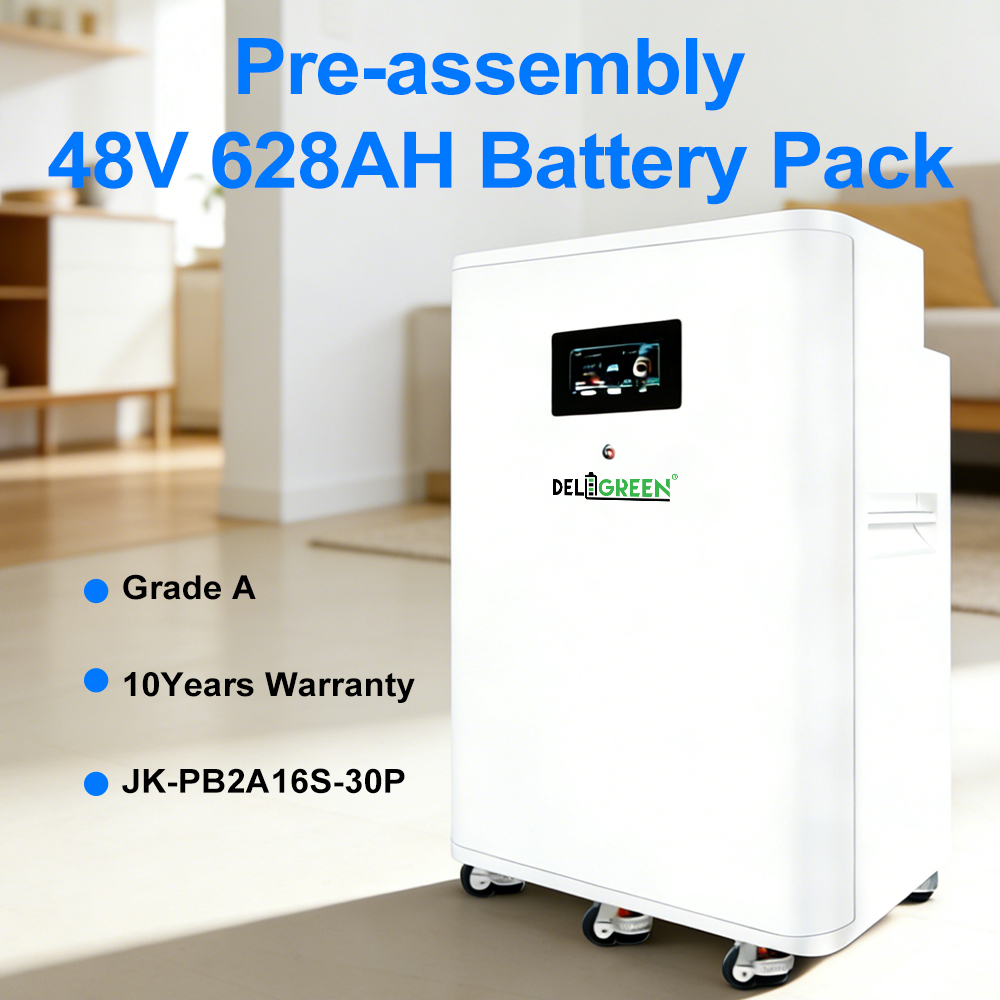
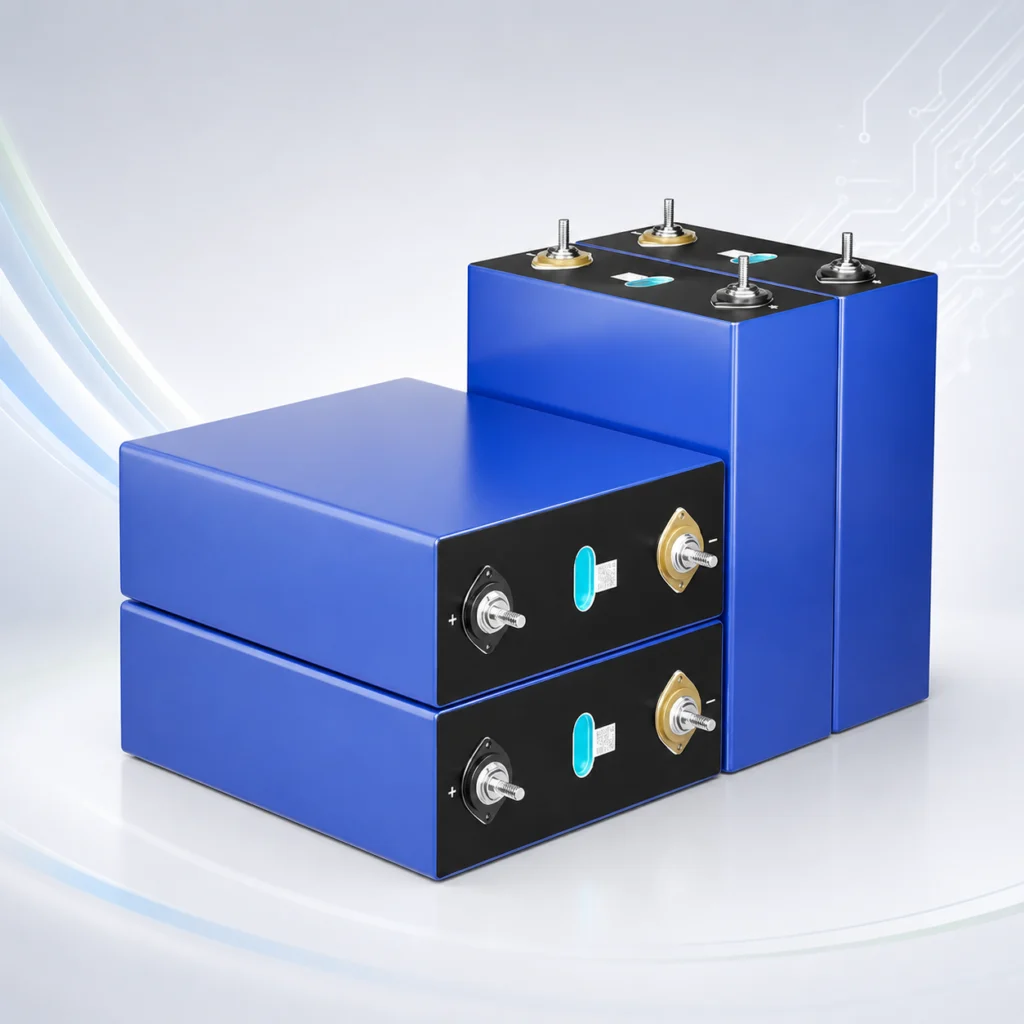
In addition to proper maintenance, product quality plays an important role in determining long-term performance. Premium wall-mounted LiFePO4 energy storage batteries typically use Grade A battery cells with excellent consistency and long cycle life, making them ideal for residential energy storage applications. They are equipped with intelligent Battery Management Systems (BMS) that continuously monitor voltage, current, temperature, and overall battery status while providing protection against overcharging, over-discharging, short circuits, overcurrent, and overheating. These advanced protection features significantly reduce routine maintenance requirements. Selecting a manufacturer with strict quality control standards, professional technical support, and comprehensive after-sales service ensures reliable performance throughout installation, commissioning, daily operation, and future maintenance. For homeowners planning to build a long-term residential solar energy storage system, combining a high-quality wall-mounted LiFePO4 battery with proper maintenance practices provides stable power, higher energy efficiency, and dependable support for sustainable, low-carbon living.