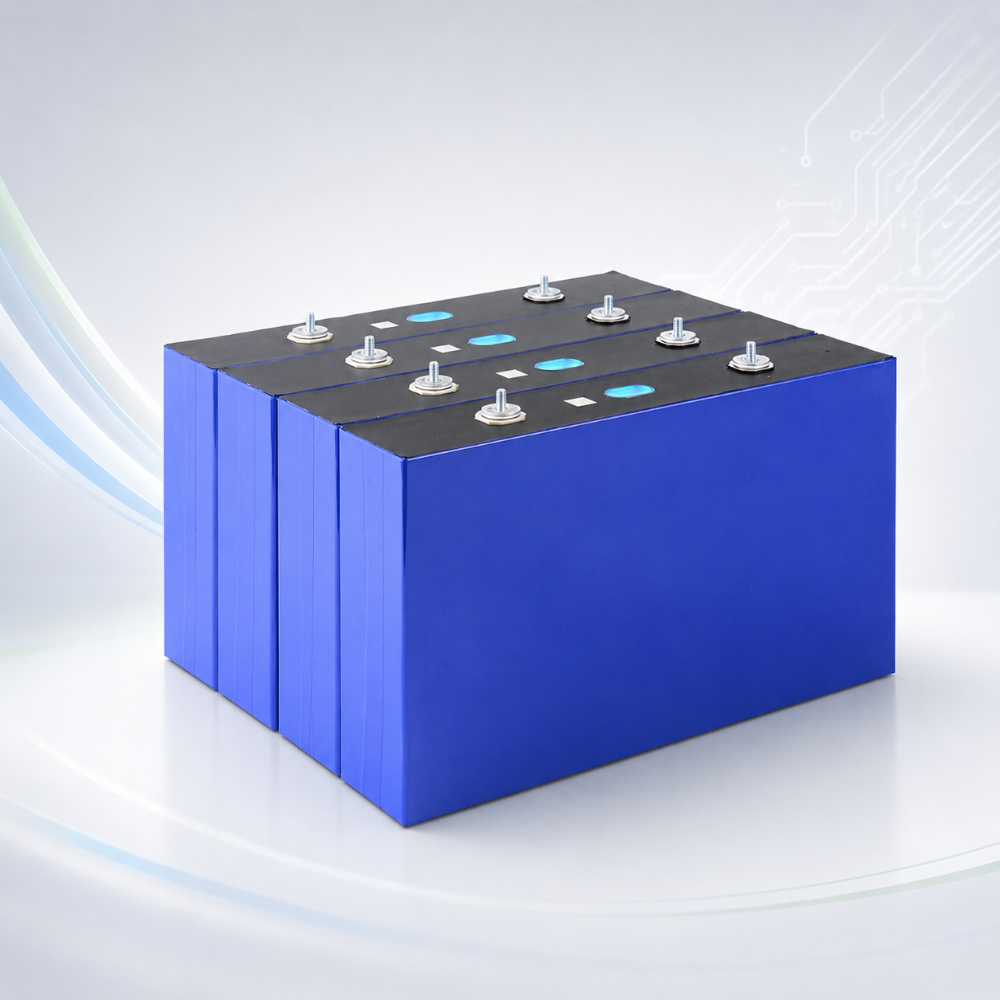
Car batteries play an important role in starting the vehicle and powering various electronic systems. However, when replacing a car battery, many vehicle owners only focus on the brand and capacity but do not fully understand what specifications like 12V and 24V actually mean. In fact, these numbers represent battery voltage, also known as battery voltage levels. Different vehicles use different voltage systems based on their power structures and electrical requirements. From the 12V batteries used in traditional fuel vehicles to the high-voltage power batteries used in electric vehicles, automotive battery technology continues to evolve. Choosing the right battery voltage not only affects vehicle starting performance but also influences the stability of the entire electrical system.
What Voltage Is a Normal Car Battery?
Car battery voltage is not the same for all vehicles. Different models use different battery systems depending on their power structure and electricity requirements. Most passenger fuel vehicles use 12V batteries, while some larger vehicles and electric vehicles use higher-voltage battery solutions. Different battery voltage levels are designed to match different power demands and maintain stable vehicle operation.
- Fuel vehicles usually use 12V batteries.
- Some large commercial vehicles use 24V batteries.
- Electric vehicles usually use high-voltage power batteries.
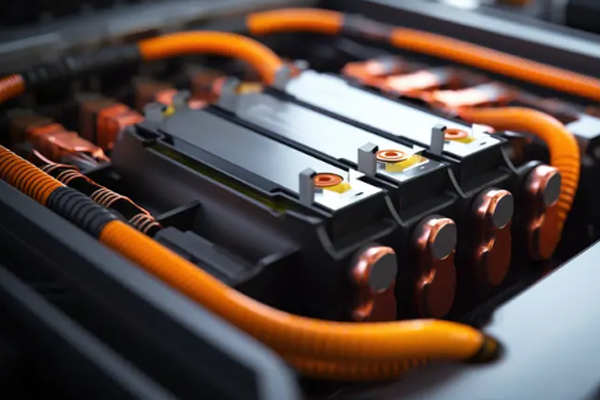
For traditional fuel vehicles, the 12V battery is mainly responsible for starting the engine and supplying power to headlights, dashboards, infotainment systems, and other electronic components. Although the voltage is not very high, the battery needs to provide a large amount of current instantly when starting the vehicle, making discharge performance and stability very important. For trucks, construction vehicles, and other large vehicles, the larger body size and increased number of electrical devices require stronger power supply, so some models use 24V battery systems. Electric vehicles are different because they rely on electric motors for propulsion and require much higher power output, which is why they usually use high-voltage battery systems with several hundred volts.
How Does Battery Voltage Affect Vehicle Performance?
Many people pay more attention to battery capacity when choosing a car battery but overlook the importance of battery voltage. In fact, voltage affects the energy output of the battery, and different voltage levels need to match different vehicle electrical systems. If the voltage is not suitable, even a battery with a large capacity may not deliver its expected performance.
- Affects vehicle starting performance.
- Affects stable operation of electronic devices.
- Affects power system efficiency.
- Affects overall electrical system design.
For fuel vehicles, a drop in 12V battery voltage may cause slow starting or difficulty starting the engine. Electric vehicles rely heavily on power battery systems, and voltage stability directly affects driving performance and range. Simply put, the right battery voltage allows different vehicle components to work together more efficiently while reducing energy waste and improving overall operating stability.
Why Do Electric Vehicles Use LiFePO4 Batteries?
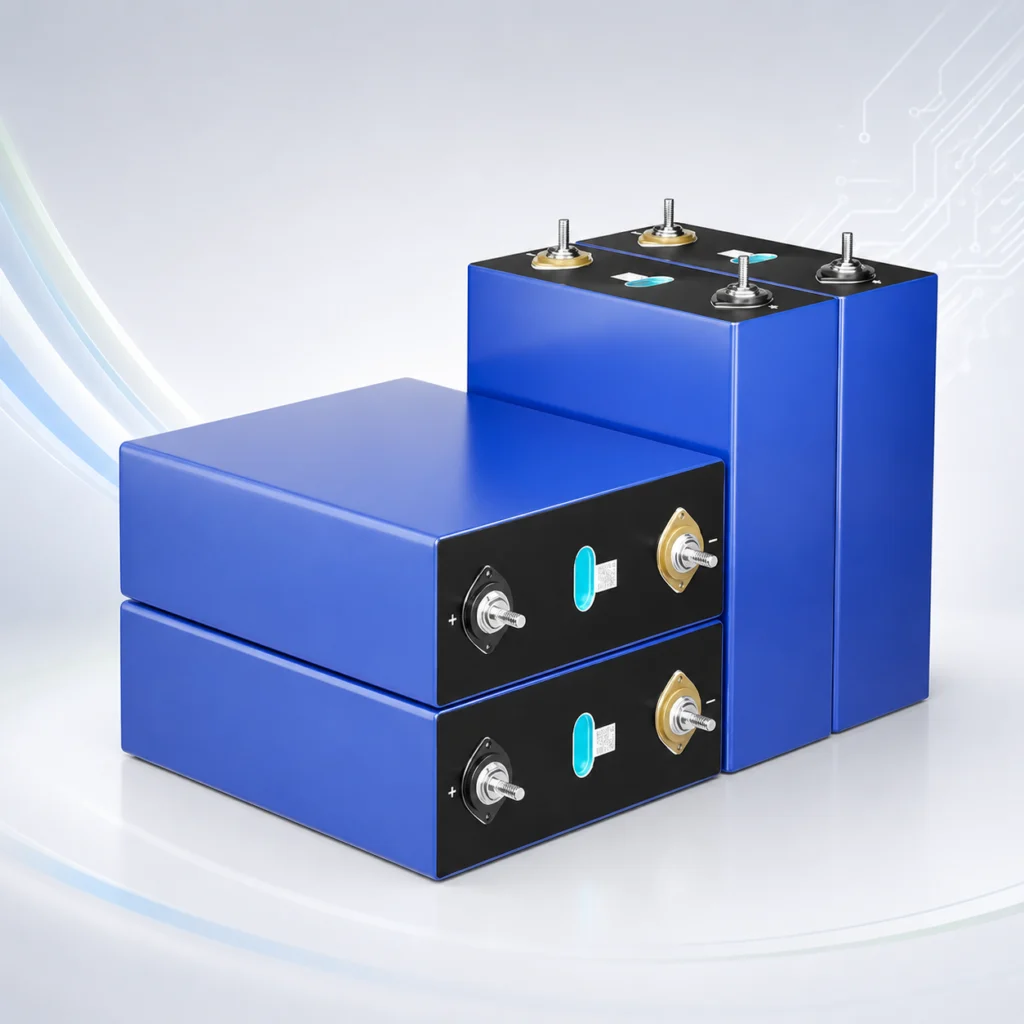
The battery requirements of electric vehicles are much higher than those of traditional vehicles. They require not only higher voltage but also better safety, longer cycle life, and stable performance. With the growth of the electric vehicle market, lithium iron phosphate (LiFePO4) batteries have become one of the important battery technologies. Compared with traditional batteries, LiFePO4 batteries offer better stability during long-term use and are suitable for applications that require frequent charging and discharging.
- Offers better safety performance.
- Provides longer cycle life.
- Maintains stable charging and discharging performance.
- Suitable for long-term operation.
Vehicles go through repeated cycles of starting, driving, and charging every day, meaning the battery needs to handle frequent charging and discharging. If the battery material is not stable enough, performance may decline over time. Due to its stable material structure, LiFePO4 batteries offer advantages in safety and cycle life. Besides electric vehicles, they are also widely used in energy storage systems, low-speed electric vehicles, robots, and industrial equipment, with different voltage configurations available for various applications.
What Are the Signs of Low Car Battery Voltage?
Car batteries do not remain in perfect condition forever. As the battery ages, its performance may gradually decrease, and the battery voltage can also be affected. When a vehicle experiences problems, many owners first suspect the engine or other components, but insufficient battery voltage is also a common cause. Detecting battery condition changes early can help prevent unexpected starting failures.
- The vehicle starts more slowly.
- Headlights become noticeably dimmer.
- Electronic devices operate abnormally.
- Battery-related warnings appear.
For fuel vehicles, an aging 12V battery often causes weak starting performance, especially in cold weather. Electric vehicles are usually equipped with a battery management system (BMS) that monitors battery status. When the power battery has issues, the system will alert the driver. During daily vehicle use, abnormal power supply or changes in range should be taken seriously, as battery condition affects not only driving experience but also the stability of the vehicle’s electrical system.
How to Choose the Right Car Battery?
When choosing a car battery, voltage should not be the only consideration. Vehicle type, operating environment, and actual power requirements should also be taken into account. Different vehicles require different battery solutions, and the right combination of voltage, capacity, and battery type can provide better performance. Especially in electric vehicles, battery technology and system design have a direct impact on the overall driving experience.
- Choose voltage based on vehicle specifications.
- Select battery capacity according to power requirements.
- Choose battery type based on operating conditions.
- Pay attention to battery lifespan and safety.
For traditional fuel vehicles, battery replacement usually requires selecting a 12V battery that matches the original specifications. For electric vehicles, attention should be paid to the power battery system, including voltage platform, cell type, and overall performance. For equipment or vehicles that require long-term operation, LiFePO4 batteries have become a popular choice due to their stability and long cycle capability. Proper battery matching can reduce maintenance issues and improve operating efficiency.
The voltage of a car battery depends on vehicle structure and actual requirements. Most fuel vehicles use 12V systems, larger vehicles may use 24V systems, while electric vehicles typically use higher-voltage power batteries. Battery voltage affects not only vehicle starting and power stability but also overall energy efficiency. When selecting a car battery, factors such as voltage, battery type, and application environment should all be considered. With the development of new energy technology, LiFePO4 batteries are becoming increasingly popular in automotive and energy storage applications due to their high safety, long lifespan, and reliable performance.