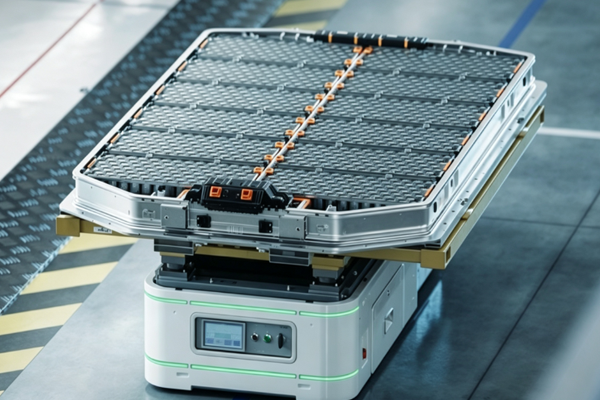
With the rapid development of smart manufacturing and intelligent logistics, AGV robots have become an important part of modern industrial automation. From material transportation on production lines to warehouse goods handling and unmanned logistics management, AGV robots are taking on more repetitive tasks and helping companies improve efficiency. However, many businesses find that battery performance directly affects the stability of automated operations. Problems such as short running time, frequent charging, and short battery lifespan can reduce equipment efficiency. As the core power source of AGV robots, robot batteries determine not only the operating time of the equipment but also long-term maintenance costs. Choosing the right battery solution can help AGV systems run more efficiently and reliably.
Why Do AGV Robots Need Professional Battery Solutions?
Unlike ordinary mobile equipment, AGV robots need to move, start, stop, and adjust routes frequently during operation. In factories and warehouses, they often work for long periods with high-frequency cycles. As a result, standard batteries usually cannot meet the requirements of industrial applications. When selecting AGV batteries, companies need to consider multiple factors, including runtime, cycle life, safety, and charging efficiency.
Meeting the Continuous Operation Requirements of AGV Robots
In manufacturing plants and logistics warehouses, AGV robots often need to operate for extended periods. If battery capacity is insufficient or power output is unstable, robots may need to return for charging frequently, affecting production schedules. A reliable robot battery solution needs to provide stable and continuous power support.
- Provide stable power output: Ensure AGV robots can operate normally when transporting different loads.
- Extend operating time: Reduce charging frequency and improve equipment utilization.
- Support frequent start and stop cycles: Meet the working characteristics of AGV movement, stopping, and restarting.
Stable battery performance helps AGV robots maintain continuous operation and improves overall automation efficiency.
Reduce Long-Term Operating Costs
AGV robots are usually used for many years. If battery lifespan is too short, companies will face higher replacement costs and possible production interruptions. Therefore, selecting durable battery solutions is essential for long-term operation.
- Reduce battery replacement frequency: Extend the overall service life of AGV equipment.
- Lower maintenance downtime risks: Prevent production delays caused by battery failures.
- Improve equipment investment value: Allow automation systems to deliver benefits for a longer period.
Although high-performance batteries may require higher initial investment, they can reduce maintenance pressure over the long term.
What Types of Batteries Are Commonly Used in AGV Robots?
As AGV applications continue to expand, different industries have different battery requirements. Some warehouse AGVs require long operating hours, some production-line AGVs need fast charging, while smaller automated robots focus more on battery weight and size. Therefore, battery selection should be based on actual operating conditions rather than price alone.
What Are the Differences Between AGV Battery Solutions?
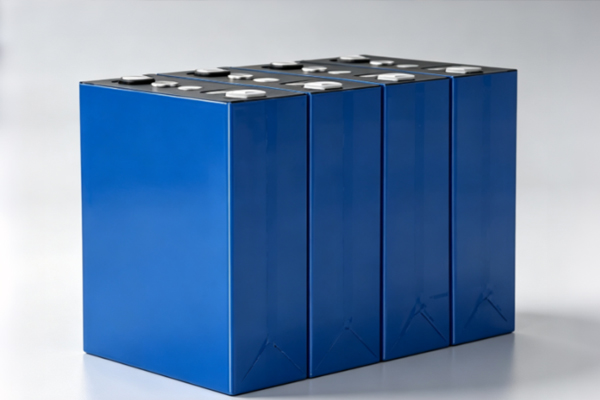
Currently, AGV robots mainly use lithium batteries as their power source. Common options include lithium iron phosphate batteries, ternary lithium batteries, and lithium titanate batteries. These battery types differ in safety, cycle life, charging speed, and application scenarios. When selecting a battery, companies should consider factors such as operating hours, load capacity, and working frequency. The following comparison provides a clearer understanding of different battery solutions.
| Battery Type | Battery Characteristics | Suitable AGV Applications | Main Advantages |
| Lithium Iron Phosphate Battery | High safety and long cycle life | Factory AGVs, warehouse robots | Stable performance and suitable for long-term operation |
| Ternary Lithium Battery | Higher energy density and lighter weight | Compact AGVs with limited space | Stronger endurance and reduced equipment weight |
| Lithium Titanate Battery | Excellent fast charging capability | High-frequency automated transport systems | Fast charging and high cycle performance |
Different AGV projects have different battery requirements. For industrial environments requiring long-term operation, stability and lifespan are usually more important. For compact equipment or systems requiring quick energy replenishment, energy density and charging efficiency may become key considerations.
Lithium Iron Phosphate Batteries Are Widely Used in Industrial AGVs
Currently, lithium iron phosphate batteries are widely used in industrial AGV applications. They provide good safety performance and long cycle life, making them suitable for factories, warehouses, and other demanding operating environments.
- Long cycle lifespan: Supports more charge and discharge cycles, reducing replacement costs.
- Stable safety performance: Provides better thermal stability for continuous industrial operation.
- Lower maintenance requirements: Reduces daily management difficulties.
- Reliable power output: Matches AGV operating patterns with frequent starts and stops.
For most industrial automation projects, lithium iron phosphate batteries provide a balanced solution in terms of safety, reliability, and service life.
What Factors Should Be Considered When Choosing AGV Robot Batteries?
AGV batteries are not simply about choosing the largest capacity. The battery should match the actual working conditions of the robot. An unsuitable battery choice may result in insufficient runtime, higher costs, or reduced operational efficiency. Therefore, companies should evaluate multiple factors before purchasing robot batteries.
Match Battery Capacity with Operating Requirements
Different applications have different endurance requirements. Warehouse AGVs may operate several hours per day, while production-line AGVs may need continuous operation. Battery capacity should be designed according to actual workload and usage conditions.
- Analyze daily operating hours: Determine energy requirements based on the AGV working cycle.
- Consider transportation loads: Heavier loads require stronger battery output capability.
- Reserve additional runtime capacity: Prevent power shortages when tasks increase.
Proper battery capacity planning helps AGV robots maintain stable performance while avoiding unnecessary investment.
Pay Attention to Charging Efficiency and Charging Methods
Modern factories place great importance on equipment utilization. If AGV robots spend too much time waiting for charging, overall productivity can be affected. Therefore, charging efficiency is also an important factor when selecting a battery solution.
- Support fast energy replenishment: Reduce downtime caused by charging.
- Adapt to automatic charging systems: Allow AGVs to return to charging stations independently.
- Improve continuous operation capability: Meet multi-shift production requirements.
Efficient charging solutions help companies maximize AGV utilization and create smoother automated production processes.
Focus on Battery Management System (BMS) Functions
The Battery Management System (BMS) is an important part of robot batteries. It monitors battery conditions in real time and helps improve safety and service life. For AGV equipment that operates continuously, advanced BMS functions are especially important.
- Monitor voltage, current, and temperature: Detect abnormal conditions in time.
- Prevent overcharging and over-discharging: Reduce battery damage and extend service life.
- Optimize battery operating status: Improve overall system stability.
A reliable BMS allows companies to better manage battery conditions and reduce operational risks.
How to Extend the Service Life of AGV Robot Batteries?
Besides choosing the right battery product, daily usage and maintenance also affect battery performance. Proper management and maintenance can help batteries maintain better condition and improve long-term equipment reliability.
Establish Proper Battery Maintenance Practices
AGV robots often work frequently, and poor battery management may accelerate performance decline. Companies should establish proper maintenance procedures to ensure stable operation.
- Regularly check battery status: Identify capacity reduction or abnormal conditions early.
- Avoid excessive deep discharge: Reduce internal battery damage.
- Maintain suitable operating environments: Prevent extreme temperatures from affecting performance.
Good maintenance habits can extend robot battery lifespan and reduce future repair costs.
Choose a Professional Robot Battery Supplier
AGV batteries are important long-term components, and supplier capabilities directly affect equipment performance. Professional manufacturers can provide customized battery solutions based on AGV models, operating environments, and application requirements.
- Provide customized designs: Adjust battery specifications according to equipment needs.
- Ensure stable product performance: Reduce failure risks during long-term operation.
- Offer technical support services: Simplify future maintenance and upgrades.
Choosing a reliable partner is not only about purchasing a battery product but also about ensuring the long-term stability of the entire automation system.
AGV robots have become an essential part of smart manufacturing and modern logistics, and high-performance robot batteries are the foundation for reliable operation. The right battery solution can improve AGV endurance, reduce maintenance costs, and enhance automation efficiency. From battery type selection and capacity planning to BMS management and daily maintenance, every step affects the final performance of the system. For companies looking to improve production efficiency and build smarter factories, selecting a stable and reliable AGV battery solution will provide stronger energy support for future automation development.