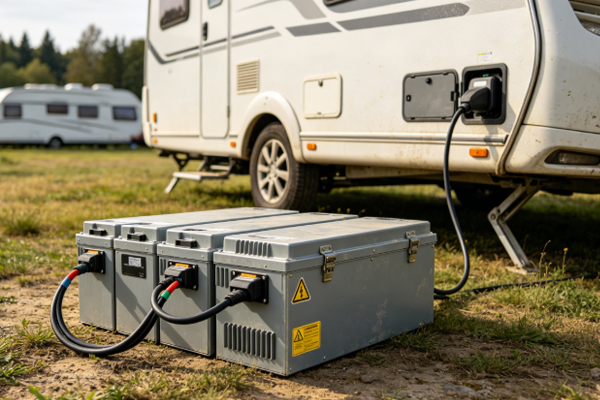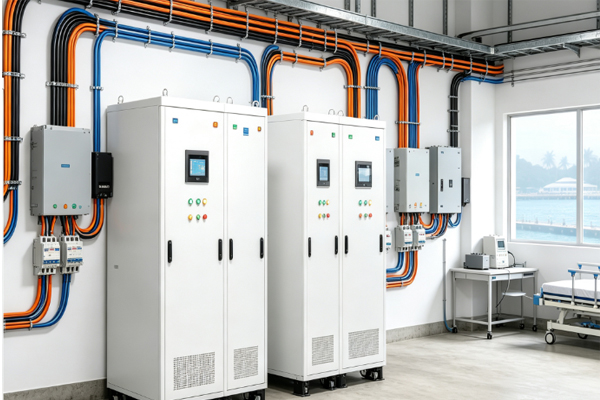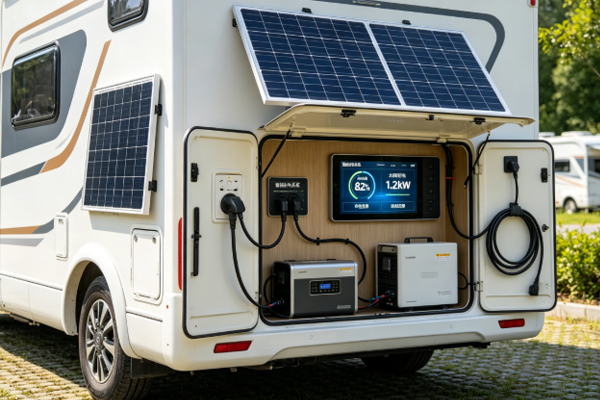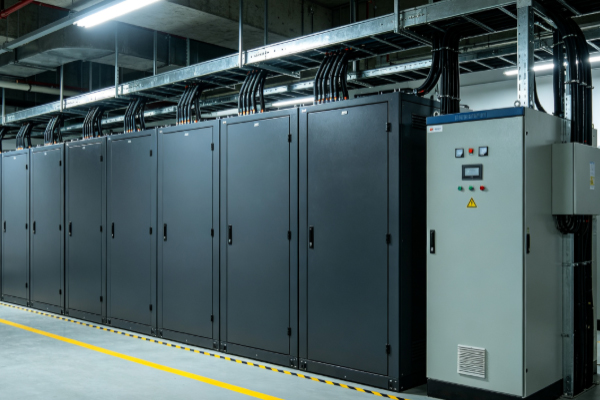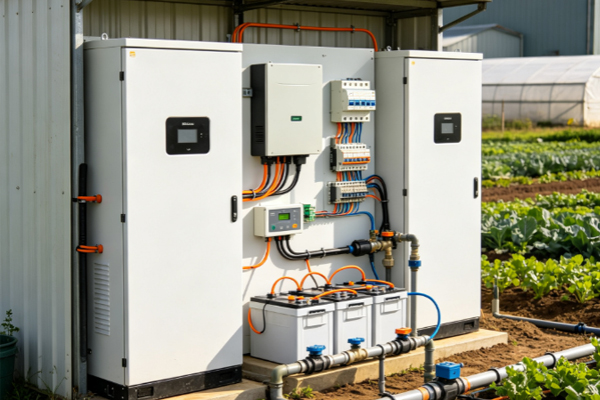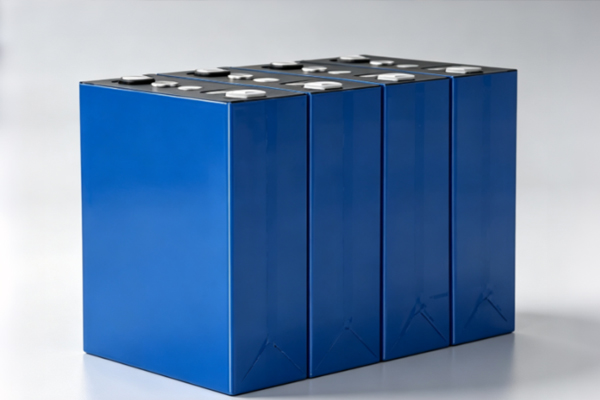
For many remote farms, electricity supply has always been a major challenge affecting agricultural development. Farms located far from cities, including crop plantations, ranches, and livestock facilities, often face problems such as high grid connection costs, unstable power supply, and difficult energy maintenance. However, with the growth of smart agriculture, automated irrigation, greenhouse control, livestock monitoring, and refrigeration systems all require continuous power support. By installing a farm battery energy storage system and combining it with renewable energy sources such as solar power, off-grid farms can store electricity generated during the day and continue using it at night, during cloudy weather, or during unexpected power interruptions. This provides a more reliable and efficient energy solution for modern agricultural operations.
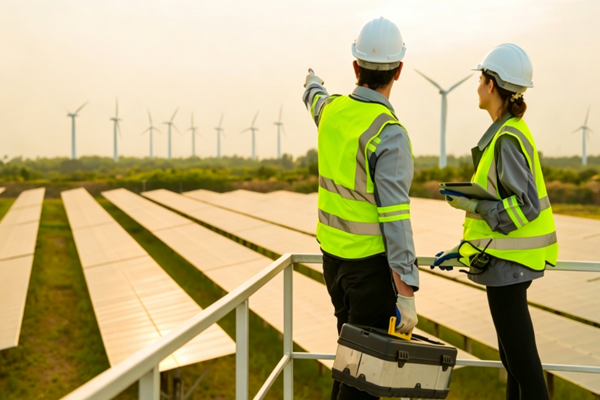
Why Do Off-Grid Farms Need Energy Storage Solutions?
Traditional farming operations had relatively limited electricity requirements, but modern agricultural equipment has become increasingly dependent on stable power. For farms without reliable grid access, relying only on diesel generators can lead to high operating costs and additional challenges related to fuel transportation and equipment maintenance. Energy storage systems provide a more flexible way to solve power supply problems.
Solving Power Supply Challenges in Remote Farms
Many off-grid farms are located in mountainous areas, remote regions, or places far away from existing power infrastructure. Building new grid connections in these areas can require significant investment and create long-term maintenance difficulties. By using a farm battery energy storage system, farms can take advantage of local renewable resources and establish a more independent energy supply.
- Build an independent power system: Energy storage combined with solar power can provide continuous electricity without relying completely on the traditional grid.
- Support agricultural equipment operation: Provide stable power for water pumps, lighting, monitoring systems, and climate control equipment.
- Reduce infrastructure investment: Avoid the high costs associated with extending electricity lines over long distances.
For farms in areas without reliable electricity access, energy storage solutions can overcome geographic limitations and enable more independent agricultural operations.
Reduce Long-Term Farm Energy Costs
Although diesel generators can provide temporary electricity, long-term operation requires ongoing expenses for fuel purchase, transportation, and equipment maintenance. In comparison, solar energy combined with battery storage can reduce dependence on traditional energy sources and lower operating expenses.
- Reduce fuel consumption: Use stored solar energy to decrease reliance on diesel generators.
- Improve energy utilization: Store excess electricity generated during the day and use it when needed.
- Optimize energy management: Arrange power usage based on actual farm production schedules.
For long-term agricultural projects, selecting the right storage solution can significantly reduce continuous energy costs.
How Do Energy Storage Systems Provide Stable Power for Off-Grid Farms?
Energy storage solutions for off-grid farms are not simply about installing a battery pack. They require a complete system design based on local environmental conditions, energy resources, and agricultural equipment requirements. In most cases, storage systems combine solar generation, intelligent control systems, and battery management technology to create a complete independent power supply system.
Solar Power Combined with Battery Storage Becomes a Common Solution
Many remote farms have excellent sunlight conditions, making solar power combined with energy storage an ideal choice. During the day, solar panels generate electricity, with some power used directly by farm equipment and the remaining energy stored in batteries for later use at night or during poor weather.
Different farms have different energy conditions, so storage solutions should consider operating hours, weather patterns, and backup power requirements. The following comparison shows common energy combinations:
| Energy Storage Solution | Energy Components | Suitable Environment | Main Benefits |
| Solar + Lithium Battery Storage | Solar power + battery storage | Remote farms and ranches | Clean energy supply and reduced fuel dependence |
| Solar + Wind Hybrid Storage | Solar power + wind energy | Areas with strong renewable resources | Improved power stability throughout the day |
| Solar + Diesel Backup Storage | Solar power + backup generator | Large agricultural projects | Enhanced power protection during extreme conditions |
By combining different energy sources properly, off-grid farms can achieve more stable electricity supply while reducing energy waste.
Battery Storage Supports Continuous Agricultural Operations
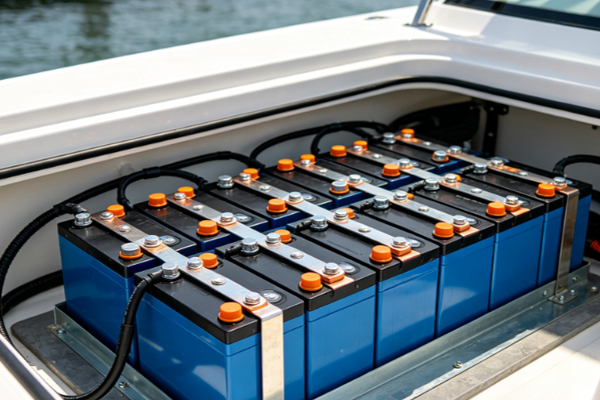
Without grid support, the energy storage battery plays an important role in balancing power supply. Especially at night, during cloudy periods, or when solar generation is insufficient, stored energy can provide timely power support.
- Store excess solar energy: Prevent valuable electricity generated during the day from being wasted.
- Meet nighttime power requirements: Support lighting, monitoring systems, and automated equipment.
- Provide emergency power backup: Reduce the impact of unexpected power interruptions on agricultural production.
High-quality storage batteries not only determine available operating time but also directly affect the reliability of the entire farm energy system.
Which Agricultural Equipment Can Use Energy Storage Power?
Different agricultural applications have different electricity requirements, so energy storage systems should be planned according to actual usage scenarios. Proper matching between equipment and storage capacity can avoid unnecessary investment while ensuring important production processes continue operating.
Irrigation Systems and Smart Farming Equipment
In crop production, automatic irrigation, water pumps, and environmental monitoring systems usually require scheduled operation. Without stable electricity, crop growth and farm management efficiency may be affected.
- Support automatic irrigation systems: Ensure crops receive water according to planned schedules.
- Power sensors and monitoring equipment: Help farms track environmental conditions in real time.
- Reduce manual workload: Improve agricultural automation and management efficiency.
With energy storage support, farms can maintain essential agricultural operations even without traditional grid access.
Livestock and Agricultural Storage Equipment
Livestock farms and agricultural storage facilities also require reliable electricity. Ventilation systems, automatic feeding equipment, and refrigeration units cannot remain offline for extended periods.
- Maintain livestock environment stability: Support ventilation, lighting, and water supply systems.
- Keep refrigeration equipment operating: Reduce product losses caused by power interruptions.
- Improve production safety: Lower risks caused by insufficient energy supply.
For large-scale agricultural projects, stable energy has become an essential foundation for maintaining production quality.
How to Choose the Right Energy Storage Solution for Off-Grid Farms?
When building an energy storage system in an off-grid area, farms need to consider local climate conditions, equipment quantity, and future development plans. Since every farm has different electricity requirements, proper system design is essential to achieve the best results.
Plan Energy Storage Capacity According to Actual Needs
Energy storage capacity determines how long the system can support farm operations. If capacity is too small, it may not meet production requirements. If it is too large, it may increase unnecessary investment costs.
- Analyze daily electricity consumption: Understand the power requirements of irrigation, livestock, refrigeration, and other equipment.
- Consider weather conditions: Ensure sufficient backup power during consecutive cloudy or rainy days.
- Reserve space for future expansion: Allow additional smart agricultural equipment to be added later.
Proper capacity planning helps farms improve energy storage efficiency while avoiding unnecessary investment.
Focus on Battery Safety and Long-Term Performance
Energy storage equipment in agricultural environments is often installed outdoors, making battery quality and protection functions extremely important. Reliable battery performance can reduce maintenance requirements and improve system stability.
- Choose batteries with BMS protection: Monitor voltage, current, and temperature conditions in real time.
- Pay attention to battery cycle life: Reduce additional costs caused by frequent replacements.
- Select professional energy storage suppliers: Receive better technical support and after-sales service.
Long-term reliability is one of the most important factors when choosing energy storage solutions for off-grid farms.
The development of off-grid agriculture depends on reliable energy support, and farm battery energy storage is becoming an important solution for solving power challenges in remote farming areas. By combining solar generation, high-performance storage batteries, and intelligent energy management systems, farms can reduce dependence on traditional energy sources while improving production stability. From irrigation and livestock management to refrigeration and smart monitoring, energy storage systems can support multiple agricultural applications. For farms looking to reduce operating costs and improve productivity, choosing the right energy storage solution will provide a stronger energy foundation for the future of smart agriculture.