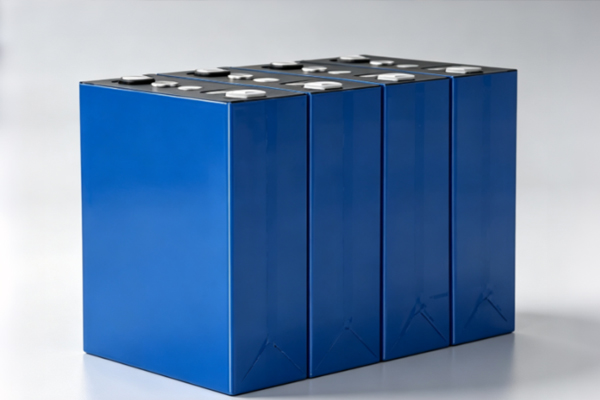
Robots are increasingly being used in more scenarios to replace manual work and complete repetitive, high-intensity tasks. From warehouse handling and industrial manufacturing to cleaning services and smart inspection, all these applications require reliable power support. Many users find that when robot performance declines, the problem is not always caused by mechanical failures. Short battery life, frequent charging, and interrupted operations are often directly related to the robot battery. A suitable long-range battery solution is not simply about increasing capacity. It requires comprehensive optimization of battery cells, battery management systems, safety design, and application environments. Only by selecting the right battery solution can robots achieve longer operating time and deliver higher efficiency.
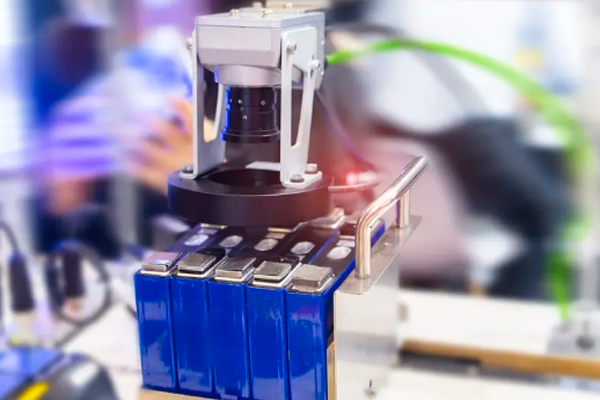
What Factors Affect Robot Long-Range Performance?
To achieve longer operating time, robots cannot rely only on larger battery capacity. In real applications, factors such as equipment power consumption, battery type, operating frequency, and working environment all affect actual runtime. Many companies focus only on battery capacity specifications when selecting a robot battery but overlook the overall battery system performance, resulting in a gap between expected and actual performance.
Battery Capacity and Energy Density Affect Runtime
Different robots perform different tasks and consume different amounts of power. Battery capacity determines how much energy can be stored, while energy density affects how much power can be provided within a certain size and weight. Therefore, a long-range battery solution needs to balance capacity, weight, and performance.
- Choose the right capacity specification: Match battery capacity according to the robot’s operating time, workload, and usage frequency to avoid insufficient power affecting task completion.
- Improve energy utilization efficiency: High-quality robot batteries reduce energy loss and provide more stable power output from stored energy.
- Control battery weight design: While increasing runtime, avoid excessive battery weight that may reduce robot mobility and operating efficiency.
A well-designed capacity solution allows robots to achieve longer operating hours within limited space and is an important foundation for improving overall endurance.
Battery Cell Type Determines Overall Performance
Different lithium battery types vary significantly in lifespan, safety, charging speed, and environmental adaptability. Since robots often require long-term operation, battery cell selection directly affects the stability of the robot battery.
| Battery Type | Main Features | Common Robot Applications |
| Lithium Iron Phosphate Battery (LiFePO4) | High safety, long cycle life, strong stability | Industrial robots, logistics robots, cleaning robots |
| Ternary Lithium Battery | Higher energy density, lighter weight | Mobile robots, inspection robots |
| LTO Battery | Fast charging, extremely long cycle life, strong low-temperature performance | High-frequency industrial robots and special equipment |
Different robots have different requirements for runtime and performance. Choosing the right battery cell type allows the robot battery to deliver better efficiency and reliability.
What Core Capabilities Should a High-Performance Robot Battery Have?
Long runtime does not simply mean increasing battery capacity. A complete robot battery solution needs to provide stable output, safety protection, and long service life at the same time. Especially in industrial and commercial environments, robots may operate continuously for several hours every day, placing higher demands on battery cycle performance and reliability.
Long Cycle Life Reduces Long-Term Operating Costs
Robots usually require frequent charging. If battery cycle life is insufficient, it can affect equipment operation and increase replacement costs. Therefore, choosing a robot battery with a longer service life is very important for long-term operation.
- Maintain stable capacity over time: High-quality battery cells reduce rapid capacity degradation, allowing robots to maintain better runtime after extended use.
- Support high-frequency operation: Warehouse robots, delivery robots, and similar equipment require batteries with strong cycling capability for daily continuous operation.
- Reduce equipment downtime: Stable battery performance lowers maintenance frequency and improves overall robot productivity.
For businesses, the initial purchase cost is only one factor. The long-term value provided by stable battery operation is equally important.
Intelligent BMS Ensures Safe Battery Operation
During robot operation, batteries continuously go through charging and discharging cycles. Without proper management, problems such as overcharging, over-discharging, or abnormal temperature may occur. A Battery Management System (BMS) plays an important role in ensuring safe operation of robot batteries.
- Monitor voltage, current, and temperature in real time: Helps identify abnormal conditions quickly and prevents operational issues.
- Provide multiple protection functions: Includes overcharge protection, over-discharge protection, overcurrent protection, and short-circuit protection.
- Optimize charging and discharging strategies: Adjusts operating conditions based on battery status, extending service life and improving energy efficiency.
A well-designed BMS makes robot batteries smarter while reducing performance problems caused by improper use.
How to Choose Long-Range Battery Solutions for Different Robots?
Different types of robots have different battery requirements. Industrial robots focus more on stability and cycle life, mobile robots prioritize weight and runtime, while service robots need to balance safety and user experience. Therefore, robot battery selection should be based on specific application scenarios.
Industrial Robots and Logistics Robots
Industrial and logistics robots usually operate continuously for long periods and require highly reliable battery performance. The battery must provide continuous power while handling frequent operation cycles.
- Choose batteries with longer cycle life: Reduce maintenance costs caused by frequent battery replacement.
- Focus on fast charging capability: Improve equipment utilization and reduce waiting time during charging.
- Select robot batteries with stable power output: Ensure continuous completion of transportation, sorting, and handling tasks.
Cleaning Robots and Service Robots
Cleaning robots and service robots usually need long working hours while also requiring lightweight design, safety, and stable performance.
- Choose lightweight battery solutions: Reduce operating load and improve robot movement efficiency.
- Pay attention to safety performance: Prevent temperature-related issues during long operating periods.
- Select suitable capacity based on working conditions: Ensure the robot can complete major tasks with a single charge.
How to Choose a Reliable Robot Battery Supplier?
Besides battery performance, supplier capabilities also have a major impact on final product results. Since robots often require customized designs, different equipment may have specific requirements for size, voltage, and interfaces. Professional suppliers can provide more suitable battery solutions.
Focus on Customization Capability and Technical Support
Robot batteries are not simply about choosing the largest capacity option. They need to be designed according to the robot structure and application requirements. Professional suppliers can optimize battery solutions to improve compatibility.
- Support customized capacity, voltage, and dimensions: Meet the requirements of different robot designs.
- Provide complete battery solutions: Including cell selection, BMS configuration, and safety design.
- Optimize performance according to application environments: Improve robot stability and operational reliability.
Choosing a supplier with strong technical capabilities can reduce development costs and improve product competitiveness.
Pay Attention to Product Quality Control
Stable quality management is essential for ensuring long-term robot battery performance. Especially for bulk purchases, battery consistency directly affects overall equipment operation.
- Conduct strict product testing: Ensure stable performance across battery packs.
- Provide reliable after-sales service: Help solve installation and usage problems efficiently.
- Build long-term cooperation: Gain continuous technical support and improved solutions.
Improving robot endurance requires the support of high-performance robot batteries. From battery cell selection and capacity design to BMS management and safety protection, every stage affects the final performance. For industrial robots, logistics equipment, and intelligent service robots, choosing a reliable battery solution can reduce charging frequency, improve operational efficiency, and extend equipment lifespan. As robot applications continue to expand, high-quality robot batteries will become an essential power foundation for the future development of smart devices.