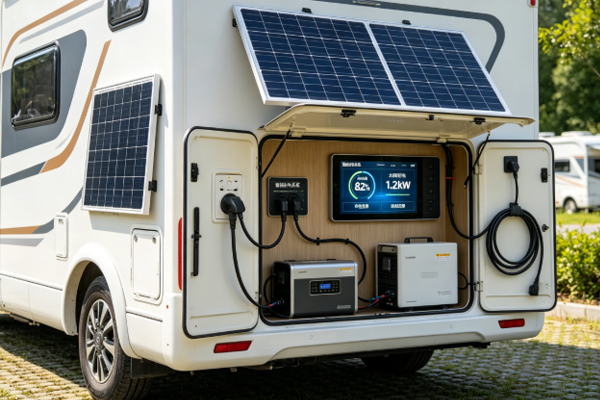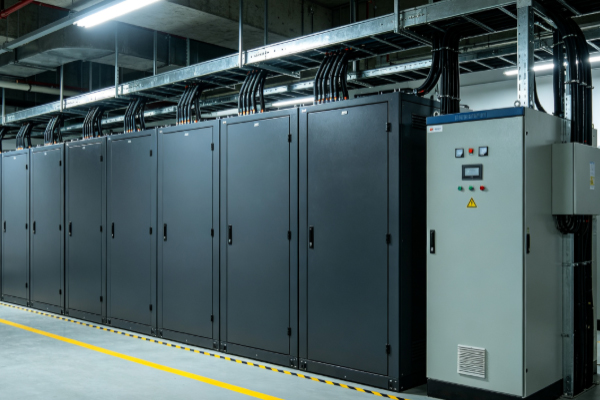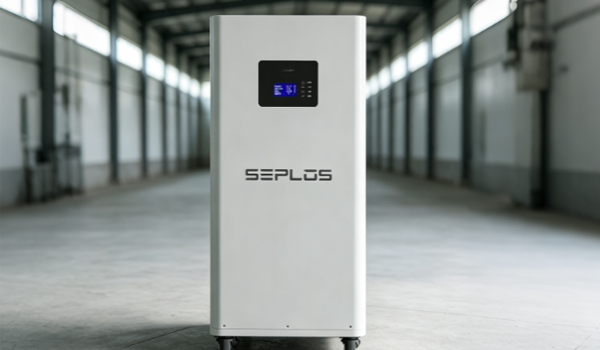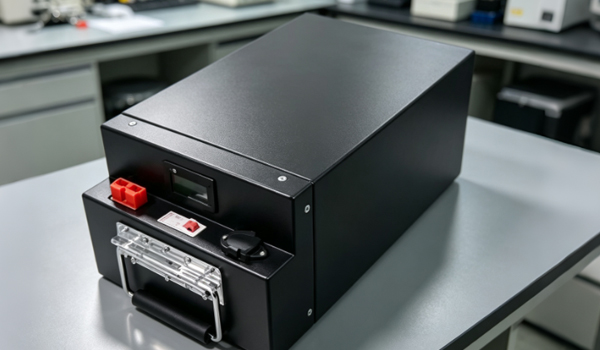
In modern agricultural production, electricity has become an important factor affecting operational efficiency. From automatic irrigation systems and greenhouse climate control to livestock equipment and agricultural refrigeration systems, stable power supply is essential. However, many farms are facing challenges such as rising electricity costs, unstable grid supply, and limited power access in remote areas. By installing a farm battery energy storage system, farms can store renewable energy such as solar power and release it when needed, reducing dependence on traditional electricity sources while improving energy management efficiency. A properly designed energy storage solution can not only lower long-term operating costs but also provide more reliable power support for the development of smart agriculture.
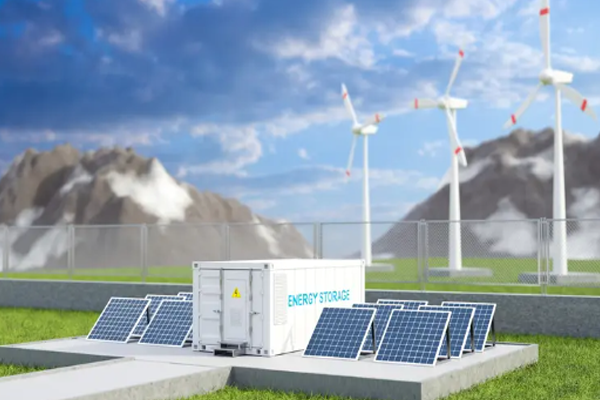
Why Do Farms Need Low-Cost Energy Storage Solutions?
As smart agriculture continues to develop, more farming equipment relies heavily on electricity. Although traditional grid power can meet basic needs, some farms still face issues such as high electricity prices, unstable supply, and limited grid coverage. Energy storage systems allow farms to manage electricity usage more efficiently and make better use of available energy resources.
Reduce Agricultural Electricity Costs
Agricultural production often has specific periods of high electricity demand. For example, irrigation systems may operate at fixed times, greenhouse systems need continuous environmental control, and refrigeration equipment requires stable power. Relying entirely on grid electricity can result in increasing long-term energy expenses. By using a farm battery energy storage system, farms can optimize electricity consumption and reduce unnecessary costs.
- Store electricity during low-cost periods: Charge energy storage batteries when electricity prices are lower and use stored power during peak hours to reduce electricity bills.
- Improve renewable energy utilization: Store excess solar power generated during the day instead of allowing valuable energy to be wasted.
- Optimize farm energy management: Arrange charging and discharging schedules more efficiently to maximize the value of available energy.
For agricultural users looking to control operating expenses, farm battery energy storage provides an effective way to reduce long-term energy costs and improve overall efficiency.
Ensure Continuous Operation of Agricultural Equipment
Many agricultural processes cannot easily stop, including greenhouse temperature control, automatic irrigation, and livestock management systems. A sudden power interruption may affect production efficiency or even cause economic losses. Therefore, stable power supply has become a key requirement for modern farms.
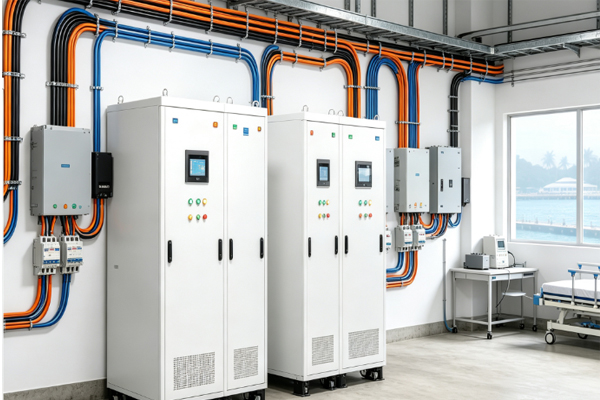
- Provide backup power support: Energy storage systems can supply electricity during power outages or grid failures.
- Reduce production interruption risks: Prevent critical equipment such as irrigation pumps and ventilation systems from stopping unexpectedly.
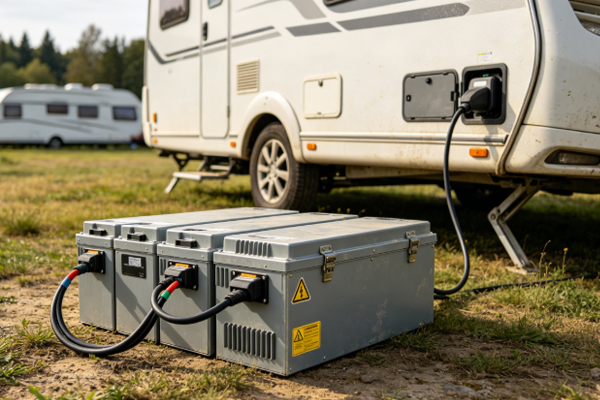
- Improve energy reliability in remote areas: Help farms with limited grid access maintain stable operations.
A reliable energy foundation allows farms to operate more smoothly and reduces losses caused by unexpected power problems.
What Types of Farm Battery Energy Storage Solutions Are Available?
Different farms have different operating scales, equipment numbers, and electricity requirements. Therefore, battery selection should not focus only on purchase price. Factors such as service life, safety, maintenance costs, and future expansion should also be considered to select the most suitable energy storage solution.
How to Choose Different Energy Storage Battery Solutions?
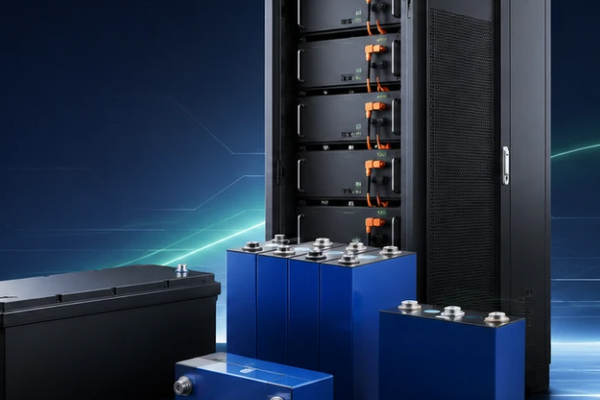
Common battery technologies used in agricultural energy storage include lithium iron phosphate batteries, lead-acid batteries, LTO batteries, and sodium-ion batteries. Each type has different advantages in terms of cost, performance, and application scenarios.
| Battery Solution | Service Life Performance | Main Advantages | Farm User Considerations |
| Lithium Iron Phosphate Battery | High cycle life, suitable for long-term operation | Safe, stable, and low maintenance requirements | Suitable for large farms and solar energy storage projects |
| Lead-Acid Battery | Relatively shorter service cycle | Lower initial investment and mature technology | Suitable for small farms and backup power systems |
| LTO Battery | Extremely high cycle life | Fast charging and suitable for frequent operation | Suitable for highly automated agricultural equipment |
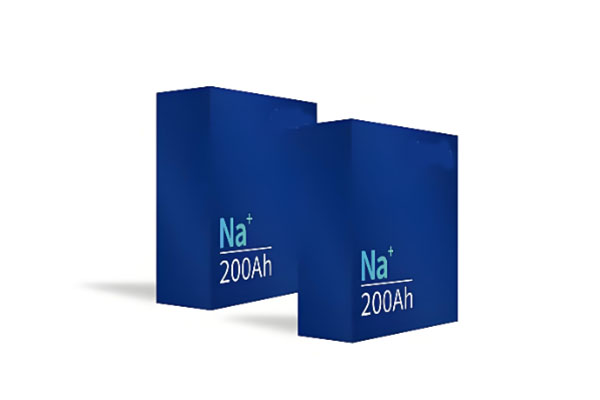
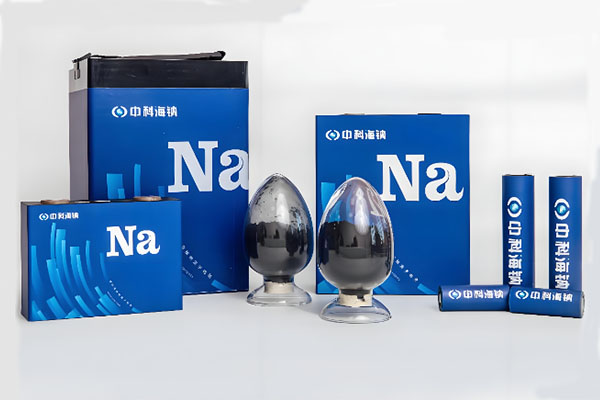
| Sodium-Ion Battery | Good stability performance | Abundant resources and strong safety characteristics | Suitable for emerging agricultural energy storage projects |
When selecting an energy storage battery, farms should consider daily electricity consumption, equipment operating hours, and future development plans. For long-term agricultural projects, battery reliability and lifespan are often more important than simply reducing initial purchase costs.
Why Lithium Iron Phosphate Batteries Are Popular for Agricultural Storage
Lithium iron phosphate batteries have become a common choice in agricultural energy storage applications. Compared with traditional battery technologies, these lithium batteries provide better safety performance and longer cycle life, making them suitable for farms that require stable long-term operation.
- Longer cycle life: Supports more charging and discharging cycles, reducing replacement frequency and long-term costs.
- Stable safety performance: Better thermal stability makes them suitable for continuous energy storage applications.
- Lower maintenance requirements: Reduces daily management workload for farm operators.
For agricultural projects that require years of reliable operation, lithium battery solutions can provide stronger long-term value.
Which Agricultural Equipment Can Use Energy Storage Systems?
Energy storage systems are not only used as backup power sources. In modern agriculture, they can support multiple production processes. Proper planning allows farms to maximize the value of stored energy.
Irrigation Systems and Greenhouse Equipment
Automatic irrigation and greenhouse control systems are important parts of smart agriculture. These devices usually operate according to scheduled programs and require stable electricity.
- Support stable water pump operation: Ensure crops receive timely irrigation.
- Maintain greenhouse environmental control: Help manage temperature, humidity, and lighting systems.
- Reduce the impact of weather and grid problems: Improve production stability.
For large-scale farming operations, reliable energy storage can reduce equipment downtime and improve productivity.
Refrigeration and Livestock Equipment
Agricultural storage and livestock management also require continuous electricity. Refrigeration systems need stable power to maintain product quality, while livestock facilities rely on ventilation and water supply equipment.
- Keep refrigeration systems running: Reduce losses caused by temperature changes.
- Support livestock environment control: Maintain normal operating conditions for animal farming equipment.
- Improve agricultural automation levels: Allow more smart equipment to operate continuously.
Energy storage systems provide flexible power support and make agricultural production more reliable.
How to Build a Cost-Effective Farm Energy Storage Solution?
Low-cost energy storage does not mean choosing the cheapest equipment. Instead, it means finding the right balance between investment, performance, and long-term benefits. A complete storage solution should be designed according to actual farm conditions.
Plan Energy Storage Capacity Properly
Different farms have different electricity requirements. Small farms may only need power for basic equipment, while large agricultural facilities may need to support multiple production systems. Proper capacity planning is essential.
- Analyze daily electricity consumption: Evaluate the actual power requirements of irrigation, lighting, refrigeration, and other equipment.
- Reserve space for future upgrades: Allow additional smart agricultural equipment to be added later.
- Avoid excessive capacity design: Reduce unnecessary investment while meeting operational needs.
Scientific capacity planning helps farm battery energy storage systems achieve better cost performance.
Choose a Professional Energy Storage Supplier
Energy storage systems usually operate for many years, so product quality, technical capability, and after-sales service directly affect long-term performance. Professional suppliers can provide solutions based on different farm environments and requirements.
- Provide customized designs: Adjust battery capacity and system configuration according to farm needs.
- Include intelligent management systems: Use BMS technology to monitor battery conditions and improve safety.
- Offer long-term technical support: Reduce maintenance difficulties after installation.
Choosing a reliable supplier helps farms achieve more stable and efficient energy management.
Agricultural electricity demand continues to grow, and low-cost energy storage solutions are becoming an important way for farms to improve competitiveness. By installing a farm battery energy storage system and combining it with renewable energy sources such as solar power, farms can reduce long-term electricity costs while improving power reliability. From battery selection and capacity planning to intelligent management, every stage affects the final performance of the system. For farms seeking lower operating costs and higher production efficiency, choosing the right energy storage solution will provide a stronger energy foundation for the future development of smart agriculture.