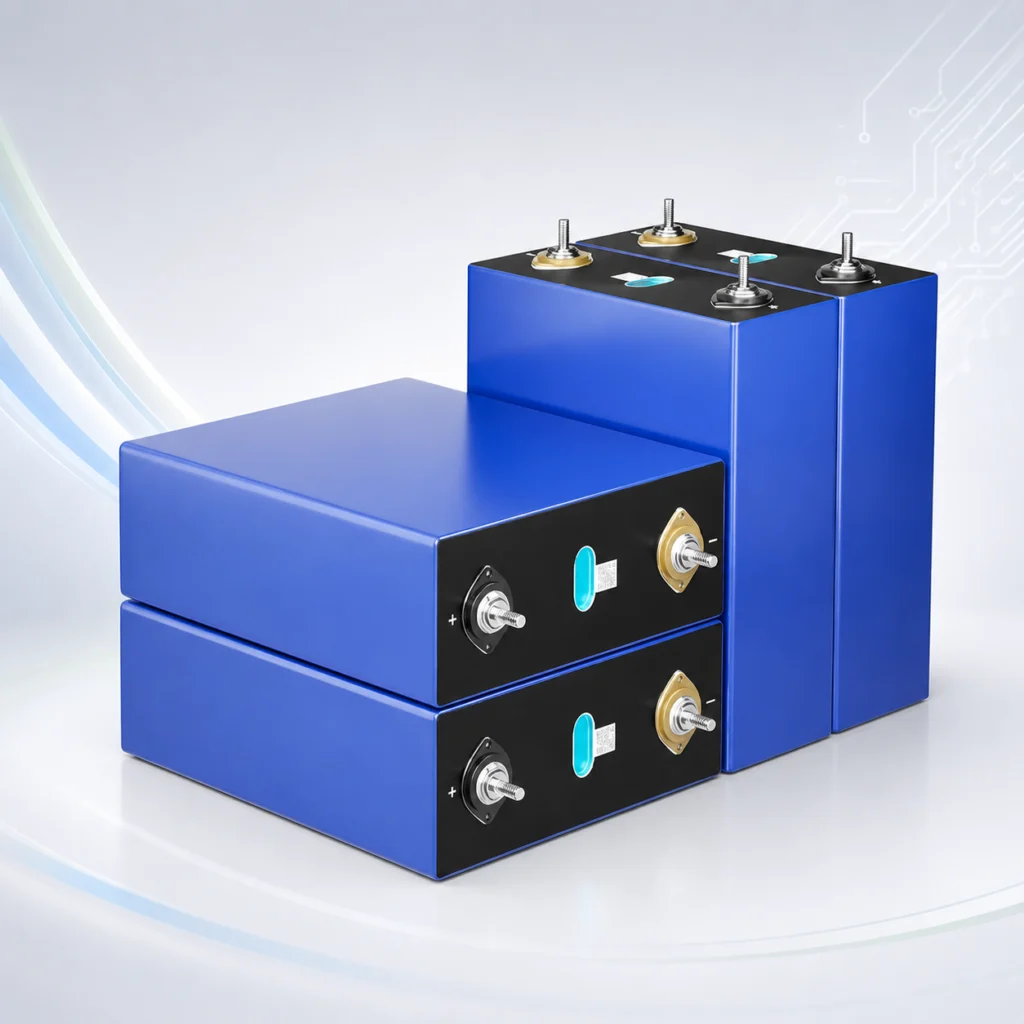
Battery packs typically consist of multiple cells that require reliable electrical connections to achieve the intended series or parallel configuration. Nickel strips are commonly used for these connections. Their material type, dimensions, and welding quality can affect current transmission, connection reliability, and localized temperature rise. When selecting nickel strips, it is important to consider not only price and thickness but also battery type, operating current, available installation space, and connection methods. Understanding the main functions of nickel strips and the precautions for their use helps improve the reliability of battery pack connections.

What Role Do Nickel Strips Play in Battery Packs?
The primary function of nickel strips is to connect cell terminals and establish current paths that meet the design requirements. Proper selection and use of nickel strips can improve the electrical connections and assembly of battery packs.
- Establishing Current Paths: Cells are connected in series or parallel using nickel strips according to the design requirements. Series connections provide the required voltage, while parallel connections increase capacity or meet current demands. The specific configuration depends on the battery pack design.
- Reducing Connection Losses: The material, resistance, cross-sectional area, and weld contact quality of nickel strips all affect the resistance of connection points. Selecting suitable materials and ensuring reliable connections help reduce power losses and localized heating.
- Adapting to Battery Pack Structures: Nickel strips can be cut and shaped to match cell arrangements and connection positions. The design must account for current paths, installation space, and insulation requirements to prevent unsuitable dimensions from complicating assembly.
Nickel strips serve not only as electrical connectors but also need to match the structure and assembly requirements of the entire battery pack.
Why Do Nickel Strips Affect Battery Pack Safety?
The resistance, temperature rise, and mechanical reliability of nickel strip connections can affect battery pack operation. Appropriate material selection and connection quality control are therefore essential. Electrical current generates heat when passing through resistive connections. Insufficient cross-sectional area, excessive connection resistance, or current exceeding the design limits may cause localized heating. Strip dimensions should be evaluated according to continuous current, peak current, and cooling conditions. Weak welds, poor contact, and excessive mechanical stress can also compromise connection stability. During production, weld quality should be inspected, and attention should be paid to strip deformation, loose connections, and unusual discoloration. Battery packs also require appropriate overcurrent, overcharge, overdischarge, and short-circuit protection. Some connection designs may incorporate validated fusing features, but ordinary nickel strips should not be assumed to disconnect reliably during faults and cannot replace a battery management system or dedicated protection devices.
How Should You Choose the Right Nickel Strips for a Battery Pack?
Selecting nickel strips requires a balance between electrical conductivity, mechanical strength, welding compatibility, and cost. Different cells and applications have different requirements, so the actual operating conditions should be established before determining the material and dimensions.
- Confirm the Material Type: Common options include pure nickel strips and nickel-plated steel strips. They differ in electrical conductivity, mechanical properties, and cost. Material identification should not rely solely on color or magnetic attraction. Pure nickel is ferromagnetic, so a magnet test cannot reliably distinguish pure nickel from nickel-plated steel. During procurement, verify the material composition, specifications, and relevant quality information.
- Match the Width and Thickness: The cross-sectional area of a nickel strip affects its resistance and current-carrying capacity, but larger dimensions do not automatically make the overall design better. Selection should consider current, connection length, cooling conditions, allowable temperature rise, and installation space. The connection should then be validated under actual operating conditions.
- Confirm the Welding Process: Nickel strips must be compatible with the cell terminal materials and welding equipment. Different material combinations, thicknesses, and terminal structures require different welding parameters, so no single thickness value should be treated as a universal limit. Before mass production, process testing should confirm weld strength and connection stability.
Nickel strips can perform as intended only when their electrical properties, structural requirements, and welding conditions are all properly matched.
What Details Should Be Considered When Using Nickel Strips?
After selecting nickel strips, production inspections and assembly controls are still necessary to maintain quality. The following practices help reduce connection defects.
- Check Material Consistency: Verify the material type, width, and thickness to prevent different specifications from being mixed unintentionally.
- Control Welding Quality: Adjust welding parameters according to the material combination and equipment capabilities. Check that welds are secure and avoid weak or excessively aggressive welding.
- Avoid Concentrated Mechanical Stress: Arrange strip routing and bending positions carefully to prevent assembly pressure or continuous pulling from damaging connection points.
- Ensure Proper Insulation and Spacing: Maintain appropriate insulation and clearances between nickel strips and other electrical components to prevent accidental contact and short circuits.
These inspections should be carried out according to the actual battery pack structure and production process. Finished-product appearance alone is not sufficient to determine connection reliability.
Nickel strips are common electrical connection materials in battery packs. Their role extends beyond connecting cells to influencing current transmission, localized temperature rise, and connection stability. During selection, particular attention should be paid to material type, cross-sectional area, and welding compatibility, while connection performance should be verified under the actual current and cooling conditions. Production processes must also control weld quality, mechanical stress, and insulation spacing, alongside appropriate battery protection measures. Suitable material selection, standardized assembly, and quality inspections help improve connection reliability and ensure that the battery pack meets its intended operating requirements.