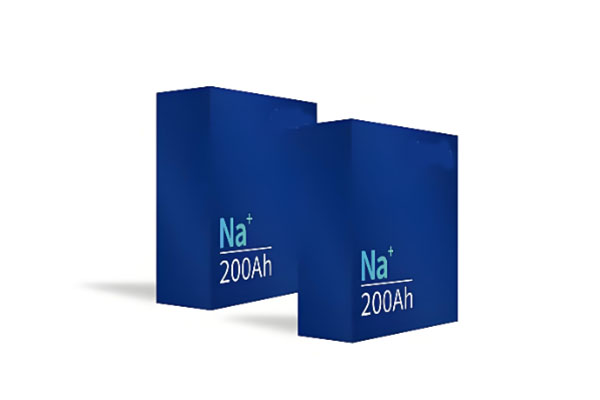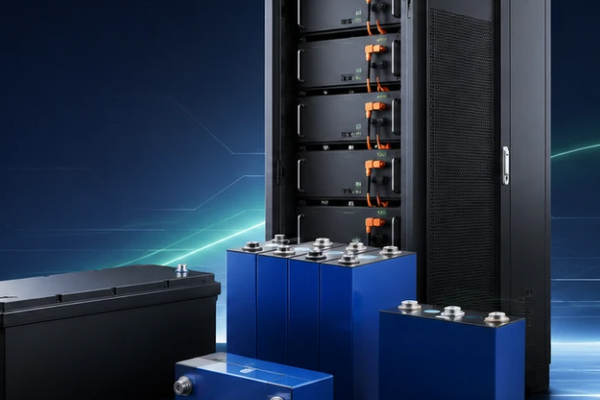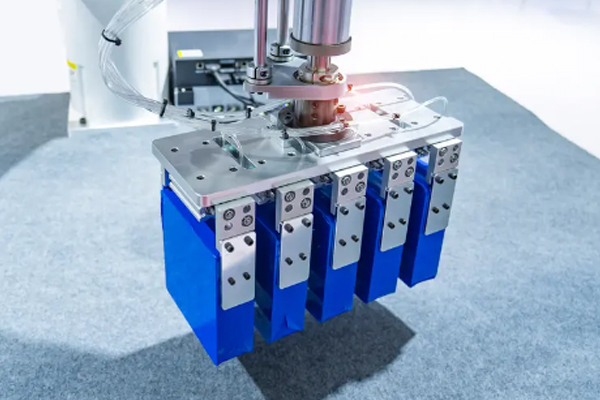
As demand for energy storage, electric vehicles, and portable power solutions continues to grow, sodium-ion batteries are moving from the research and development stage toward commercial-scale applications. Compared with lithium-ion batteries, sodium-ion batteries offer advantages such as abundant raw materials, good low-temperature performance, and a more diversified supply chain. In 2026, the commercialization of sodium-ion batteries is accelerating, with applications gradually expanding from early demonstrations to energy storage, electric vehicles, and other emerging markets.
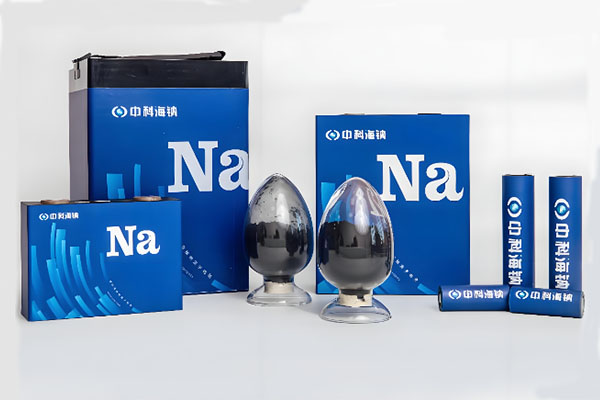
Where Has Sodium-Ion Battery Technology Reached in 2026?
From Technology Development to Industrialization
Sodium-ion batteries are not a completely new laboratory concept. Their operating principle is similar to that of lithium-ion batteries, but commercialization has historically been limited by factors such as energy density, material systems, and manufacturing costs.
In 2026, the industry is seeing stronger coordination between battery production, supply chains, and real-world applications. Leading battery manufacturers are developing sodium-ion battery production lines and moving products from technology validation toward commercial applications in energy storage and electric mobility.
The industry is therefore entering an important transition from technological development to large-scale commercialization. However, global sodium-ion battery manufacturing capacity remains significantly smaller than that of established lithium-ion battery technologies.
Energy Storage Becomes a Major Commercialization Direction
Energy storage is one of the most promising areas for sodium-ion battery commercialization. In 2026, major battery manufacturers are introducing sodium-ion energy storage systems and expanding their commercial partnerships.
For example, CATL has introduced its TENER Sodium energy storage system and announced plans for commercial deliveries in China in 2026, with overseas commercial deliveries planned for 2027. Such developments indicate that sodium-ion batteries are gradually moving from demonstration projects toward larger-scale commercial orders.
As renewable energy deployment continues to increase, sodium-ion batteries could become an additional battery technology for grid-scale, commercial, and industrial energy storage applications.
Which Markets Are Adopting Sodium-Ion Batteries?
Electric Vehicles
Electric vehicles remain an important application area for sodium-ion batteries. After the introduction of sodium-ion battery-powered passenger vehicles in China, manufacturers have continued to develop new battery systems and vehicle applications.
By 2026, sodium-ion battery technology is also expanding into commercial vehicles. Long-term testing of sodium-ion battery-powered electric trucks has demonstrated their potential under extremely cold conditions.
This makes sodium-ion batteries particularly interesting for short-distance transportation, commercial vehicles, and regions where low-temperature performance is an important consideration.
Commercial, Industrial, and Grid Energy Storage
Energy storage systems require a combination of safety, cycle life, cost efficiency, and stable raw material supply. Because sodium is widely available, sodium-ion batteries can provide an alternative battery technology for the rapidly growing energy storage industry.
In 2026, sodium-ion energy storage products are entering larger-scale commercial validation. Potential applications include renewable energy storage, commercial and industrial energy storage, independent energy storage stations, and selected grid-scale energy storage projects.
Portable Power and Other Applications
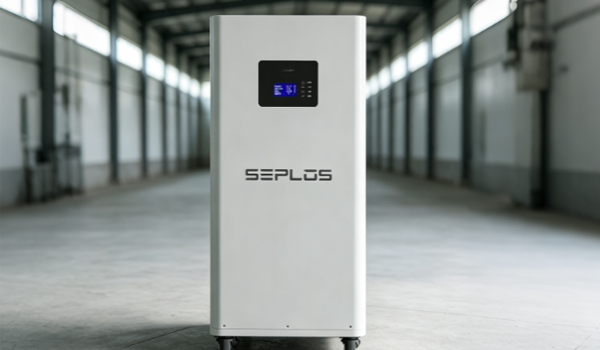
The good low-temperature performance of sodium-ion batteries also creates opportunities in portable power stations, outdoor power equipment, and other electrical devices.
For applications operating in cold climates, maintaining stable battery performance can be particularly important. Sodium-ion technology therefore has potential in outdoor power, backup power, low-temperature energy storage, and selected light electric mobility applications.
Sodium-Ion Battery Market Trends in 2026
Complementing Rather Than Replacing Lithium-Ion Batteries
Based on current industry development, sodium-ion batteries are more likely to coexist with lithium-ion batteries rather than completely replace them in the short term.
Lithium iron phosphate (LFP) batteries already have mature supply chains, high production volumes, and relatively strong energy density. Sodium-ion batteries, meanwhile, can offer advantages related to resource availability, low-temperature performance, and supply chain diversification.
Different battery technologies are therefore likely to serve different application requirements. Sodium-ion batteries may gradually establish their own position in markets where cost, safety, resource availability, and low-temperature performance are important.
Expanding Manufacturing Capacity
As commercial orders increase, battery manufacturers are accelerating investments in sodium-ion battery production capacity.
In 2026, leading battery companies are announcing new sodium-ion battery capacity projects, demonstrating that major manufacturers are preparing for future market growth.
However, expanding production capacity does not mean that the sodium-ion battery industry has reached full maturity. Global sodium-ion battery manufacturing capacity remains only a small fraction of lithium-ion battery capacity, and the supply chain still has considerable room for development.
Energy Density and Cost Remain Key Challenges
Two major factors continue to influence sodium-ion battery commercialization: energy density and actual manufacturing cost.
Compared with mature lithium-ion battery technologies, sodium-ion batteries generally have lower energy density. This can limit their use in long-range electric vehicles where battery weight and available space are critical.
At the same time, sodium-ion battery supply chains have not yet achieved the same economies of scale as lithium-ion batteries. Key materials, including hard carbon anodes, also require further development and supply chain optimization.
How Will Sodium-Ion Batteries Develop After 2026?
In the coming years, the focus of sodium-ion battery development is expected to shift from “Can we manufacture them?” to “Can we manufacture them at scale and at competitive cost?”With improvements in electrode materials, manufacturing processes, cell design, and production capacity, the overall economics of sodium-ion batteries could continue to improve.For battery manufacturers and industrial buyers, evaluating sodium-ion batteries will require more than looking at cell specifications. Important factors include cycle life, low-temperature performance, charging and discharging efficiency, BMS configuration, safety, material supply, manufacturing quality, and OEM/ODM customization capabilities.
Overall, sodium-ion batteries have entered an important commercialization stage in 2026, although the technology still needs further development before reaching full market maturity. Energy storage, commercial vehicles, cold-climate applications, and selected light electric mobility markets are likely to remain important areas of development.For companies looking for alternative battery technologies, sodium-ion batteries are becoming an increasingly relevant option. As manufacturing technology and supply chains continue to mature, they could play a growing role in the global energy storage and electric mobility markets.