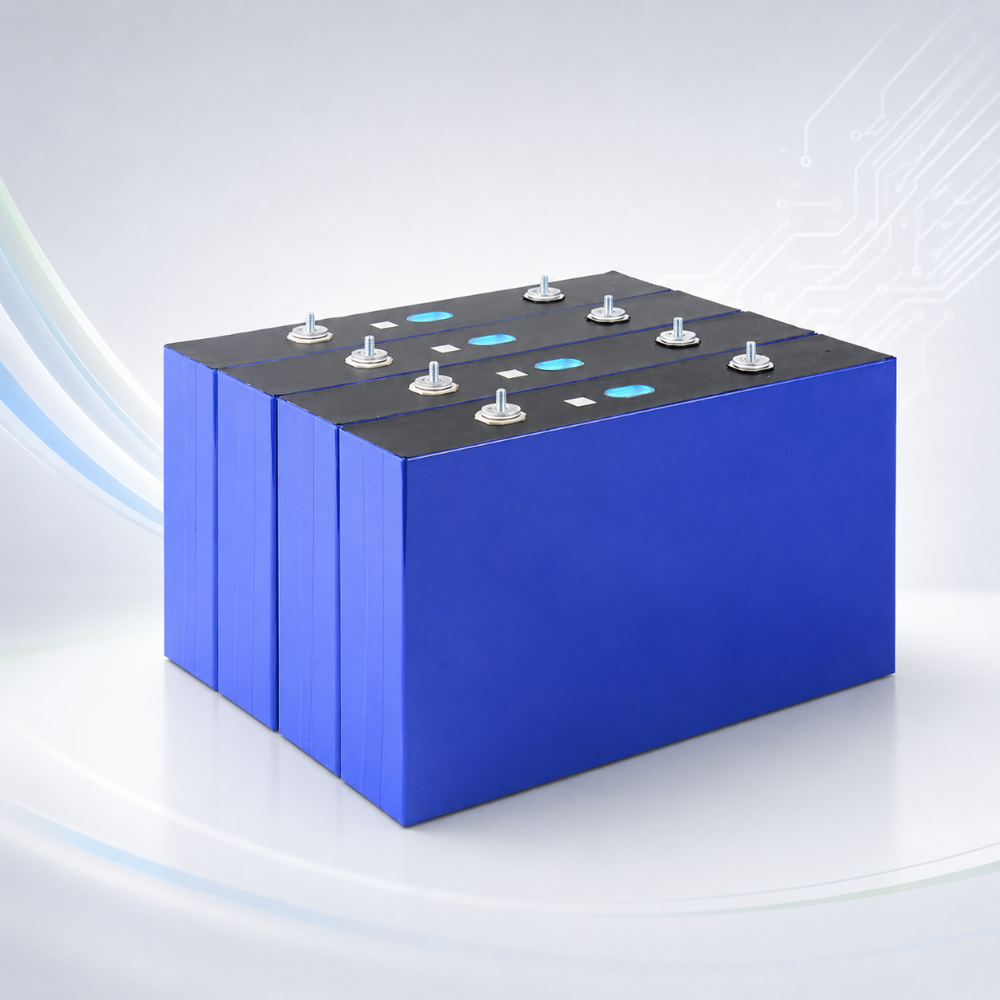
With the growing demand for residential solar power and backup electricity, large-capacity energy storage batteries are becoming increasingly popular. A 20kWh energy storage battery can store a significant amount of electricity, making it suitable for households with high energy consumption, solar power systems, or longer backup power requirements.
For homeowners planning to purchase an energy storage system, choosing the right battery capacity is important. Lithium iron phosphate (LiFePO4) batteries are widely used in residential storage because of their good cycle life, thermal stability, and charging and discharging performance. Understanding their applications, configuration requirements, and advantages helps homeowners select a suitable energy storage solution.
Which Homes Are Suitable for a 20kWh Battery?
A 20kWh energy storage battery is suitable for larger households, homes with high electricity consumption, or families using several high-power appliances. Common appliances include air conditioners, refrigerators, washing machines, televisions, and electric water heaters. A larger battery capacity provides more stored electricity for household use.
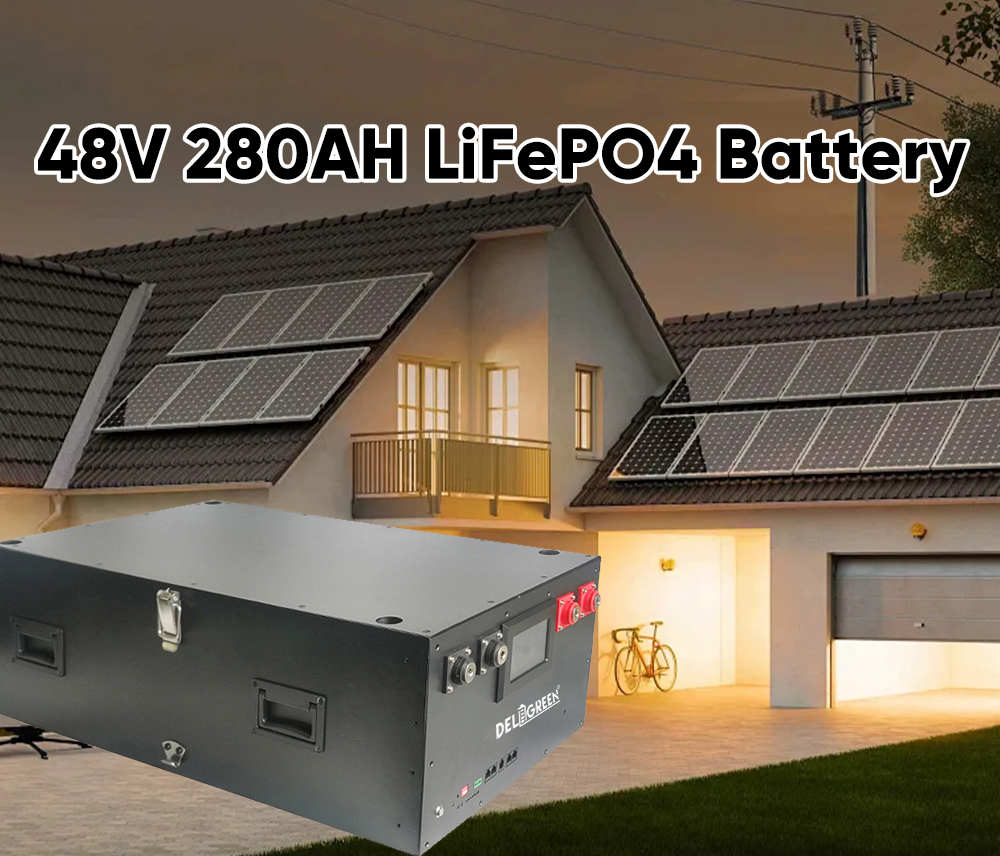
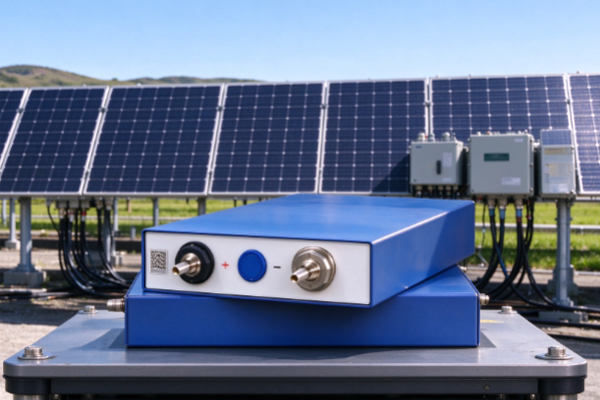
For homes with solar power systems, a 20kWh battery can store excess electricity generated during the day for use at night or during cloudy weather. This helps increase solar self-consumption and reduce dependence on the public electricity grid.
For households experiencing frequent power outages or living in areas with unstable electricity supplies, a 20kWh battery can also serve as a backup power source. It can support lighting, refrigerators, internet equipment, and other essential appliances. However, actual operating time depends on usable battery capacity, inverter efficiency, and appliance power consumption. High-power appliances may need to be used selectively to extend backup time.
How to Configure a 20kWh Home Energy Storage System?
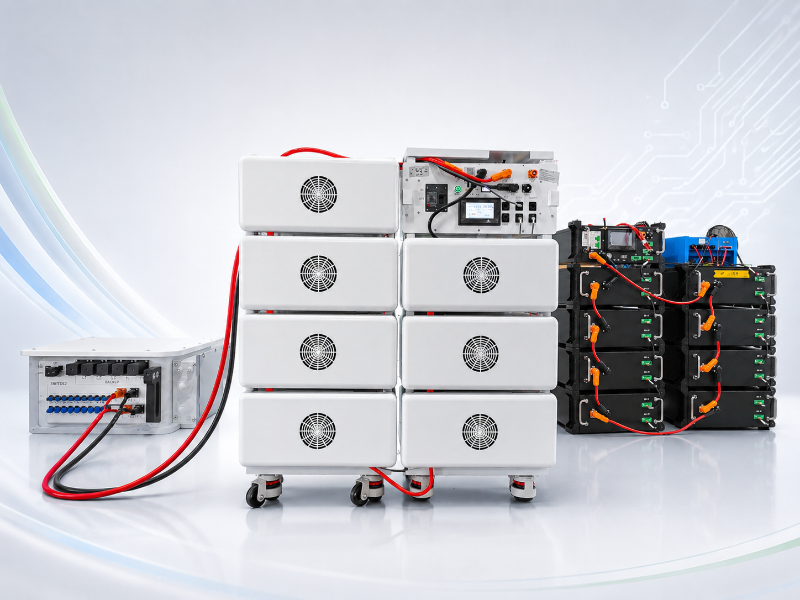
When configuring a 20kWh residential energy storage system, buyers should consider the compatibility of the battery, inverter, solar panels, and protection devices. Different households have different electricity requirements, so battery voltage, usable capacity, and maximum charging and discharging current should be checked before purchasing.
Common system components include:
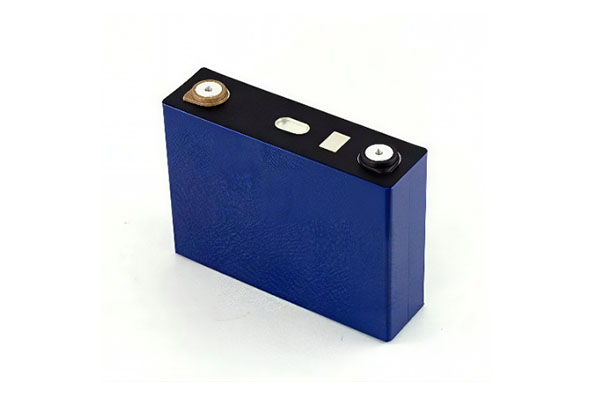
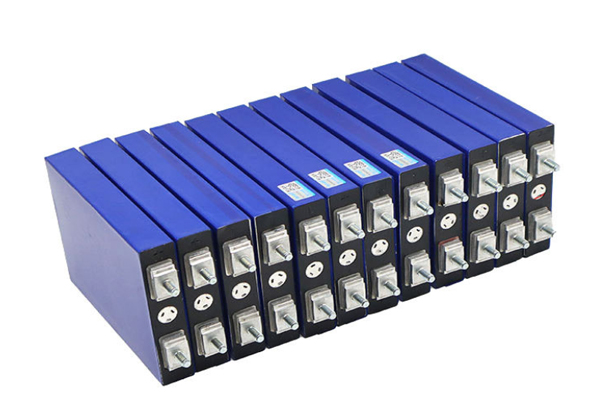
- Energy Storage Battery: Choose a 20kWh LiFePO4 battery and check its usable capacity and depth of discharge.
- Inverter: Select an inverter with suitable continuous and peak output power for household appliances.
- Solar Panels: Determine the solar panel capacity based on local sunlight conditions, installation space, and electricity consumption.
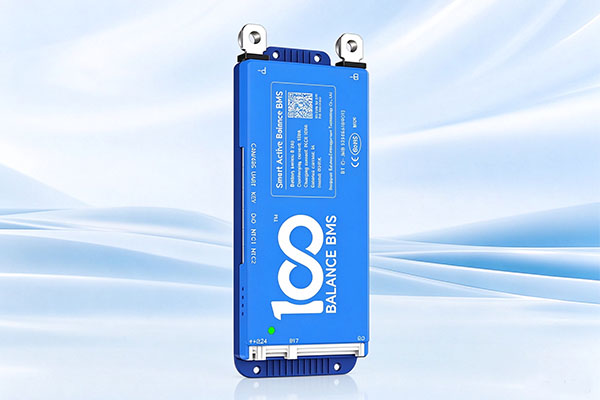
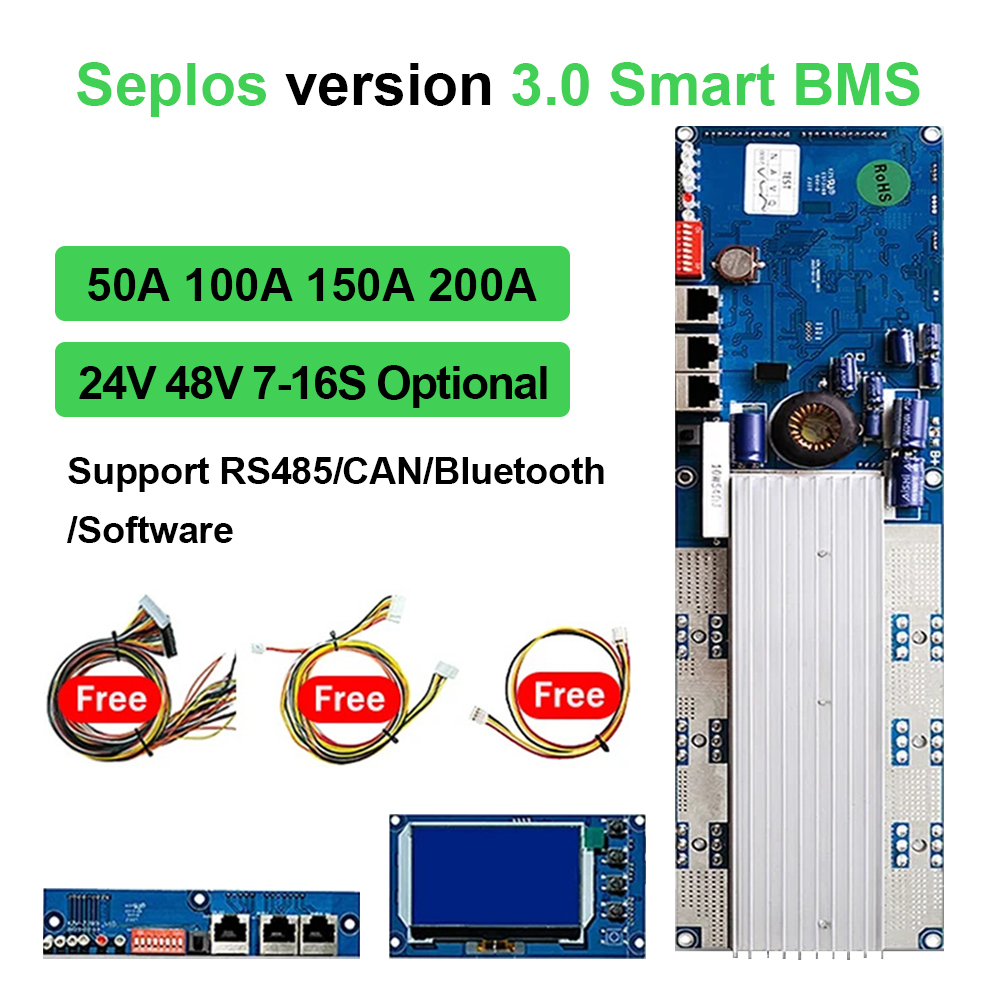
- Battery Management System: Choose a BMS with overcharge, over-discharge, overcurrent, and temperature protection.
- Protection Devices: Prepare suitable circuit breakers, cables, and other electrical protection equipment.
Battery and inverter compatibility is particularly important. Before purchasing, confirm the voltage range, charging parameters, and communication protocols. If the system uses CAN or RS485 communication, check whether the specific battery and inverter models support the same protocol. Proper configuration improves system stability and makes future expansion easier.
What Are the Advantages of 20kWh LiFePO4 Batteries?
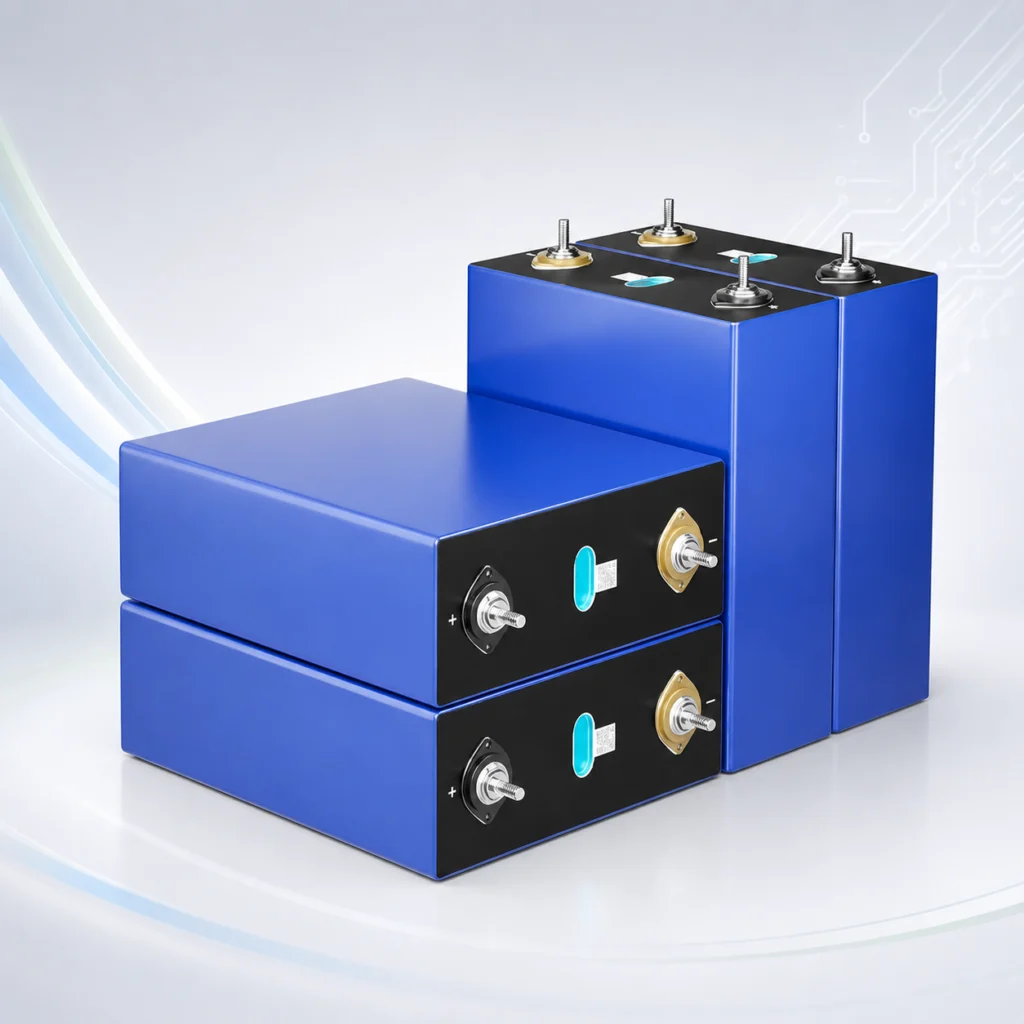
LiFePO4 batteries are commonly used in residential energy storage systems because of their good thermal stability and cycle performance. They are suitable for applications requiring regular charging and discharging. For households that store solar electricity during the day and use it at night, battery cycle life can influence long-term operating costs.
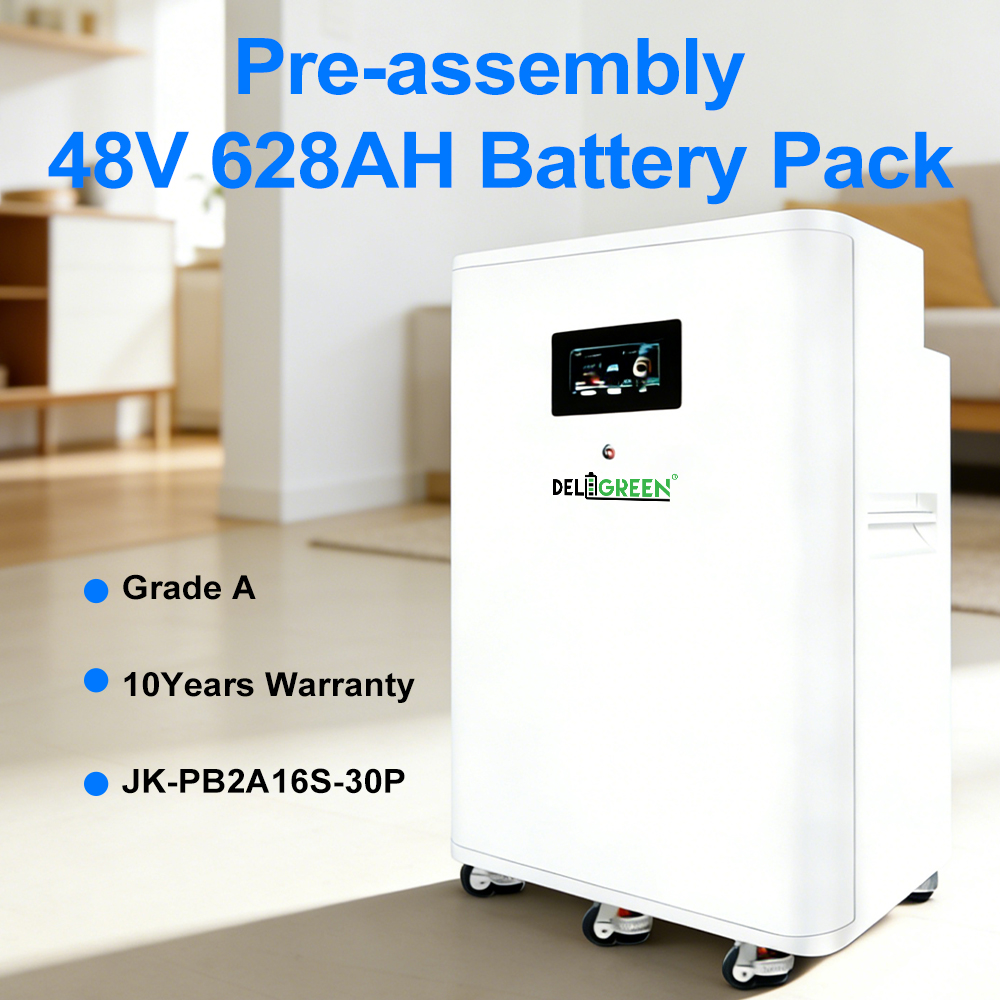
A 20kWh LiFePO4 battery provides substantial storage capacity for everyday household electricity and emergency backup. With a reliable battery management system, it can monitor voltage, current, and temperature and provide protection when abnormal conditions occur. Some models also support parallel connections, allowing users to expand storage capacity as their electricity needs increase. When purchasing, check cell quality, cycle life testing conditions, maximum charging and discharging current, and warranty coverage rather than relying only on the advertised cycle count.
What Applications Are Suitable for a 20kWh Energy Storage Battery?
A 20kWh energy storage battery is suitable for ordinary houses, villas, independent homes, and some off-grid properties. Larger homes may operate several appliances simultaneously, so a higher storage capacity can provide additional electricity support. When connected to a solar power system, excess daytime electricity can be stored and used at night for lighting, refrigerators, televisions, and other household appliances.
In off-grid homes, a 20kWh battery can work with solar panels and an off-grid inverter to supply daily electricity. It can also provide emergency power in areas with frequent outages. However, off-grid systems need to consider solar generation during extended cloudy periods and whether the battery can provide sufficient backup electricity. Homeowners should select solar panel capacity and battery storage based on household consumption, backup requirements, and local sunlight conditions.
What Should You Consider When Buying a 20kWh Energy Storage Battery?
When purchasing a 20kWh energy storage battery, buyers should consider product quality, system compatibility, and supplier services in addition to capacity and price. It is recommended to choose a LiFePO4 battery supplier that provides detailed product datasheets, testing reports, and warranty information.
Before purchasing, check the rated voltage, usable capacity, cycle life, operating temperature range, and maximum charging and discharging current. These specifications should match the requirements of the residential energy storage system.
For homes with existing solar power equipment, battery compatibility with the inverter and charging devices should also be confirmed. If future expansion is planned, check whether the battery supports parallel connections. During daily operation, follow the manufacturer’s charging and discharging recommendations, avoid extreme temperatures, and regularly inspect battery connections and BMS operating status.
A 20kWh energy storage battery is suitable for households with high electricity consumption, solar power systems, or longer backup power requirements. When selecting a LiFePO4 battery, consider storage capacity, output power, cycle life, and after-sales support. Properly matching the battery with solar panels and an inverter helps create a reliable residential energy storage system.