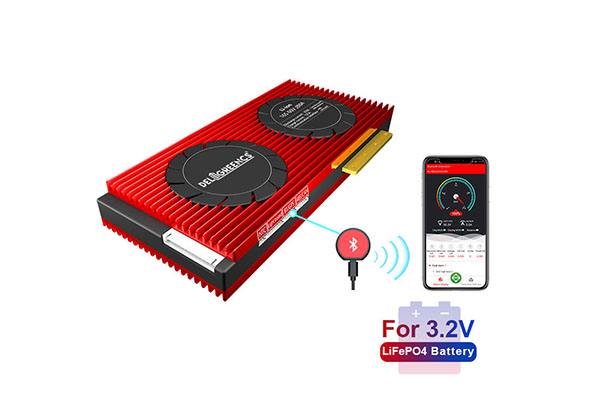
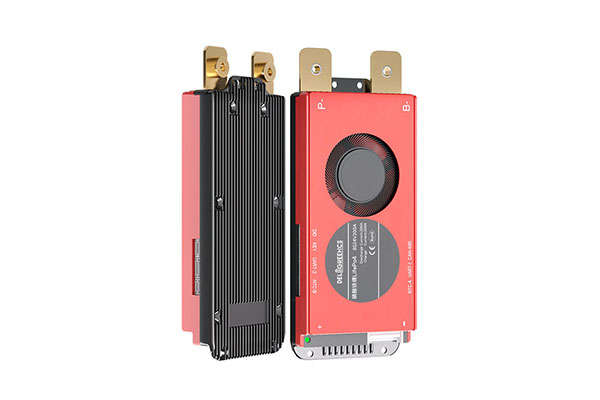
In lithium battery energy storage systems, solar energy storage equipment, and industrial power applications, a Battery Management System (BMS) monitors battery operating conditions and activates protective measures when abnormal conditions occur. If a battery suddenly disconnects during charging or discharging, it may interrupt the charging process, shut down connected equipment, or cut off power to the load.This does not necessarily mean the battery is damaged. Voltage abnormalities, excessive current, temperatures outside the permitted range, and communication failures can all trigger BMS protection mechanisms. Understanding these common causes helps businesses troubleshoot problems more efficiently and improve battery system reliability.
Why Does a BMS Disconnect the Battery During Charging?
Battery Voltage Reaches the Overvoltage Protection Threshold
When a cell’s charging voltage exceeds its permitted upper limit, the BMS typically stops charging or disconnects the charging circuit to reduce the risk of overcharging.
This situation may result from excessive charger output voltage, voltage differences between individual cells, or incorrect charging parameter settings. Even when the total battery pack voltage remains within its normal range, an individual cell may reach the overvoltage protection threshold prematurely.
During troubleshooting, check the charger’s output parameters, individual cell voltages, and BMS overvoltage protection settings. All relevant parameters must comply with the battery cell manufacturer’s technical specifications.
Charging Current Exceeds the Permitted Limit
If the charging current exceeds the maximum value configured in the BMS, overcurrent protection may stop the charging process. Potential causes include an incompatible charger, excessively high charging current settings, or abnormalities in the current detection or control system.
When selecting a BMS, verify that its continuous charging current rating, permitted short-term current range, and protection response conditions meet the requirements of the intended application. This helps prevent compatibility issues between the BMS and charging equipment.
Battery Temperature Exceeds the Safe Operating Range
Lithium battery charging performance is closely related to temperature. If the battery becomes too hot or falls below the minimum charging temperature specified for the cells, the BMS may prohibit charging to reduce the risk of battery damage.
Temperature abnormalities may result from environmental conditions, insufficient heat dissipation, or faulty temperature sensors. During troubleshooting, check the actual battery temperature, sensor readings, and cooling conditions. Confirm that the BMS temperature protection settings comply with the cell manufacturer’s specifications.
Why Does a BMS Disconnect the Battery During Discharging?
Battery Voltage Drops Too Low and Triggers Undervoltage Protection
Undervoltage protection is a common reason for battery disconnection during discharging. When an individual cell’s voltage falls below the preset threshold, the BMS may stop discharging to prevent excessive discharge from degrading battery performance.
If the battery disconnects suddenly under a heavy load, check both individual cell voltages and the total battery pack voltage. Aging cells, capacity inconsistencies, and excessive load power can cause an individual cell to reach the undervoltage protection threshold prematurely.
Properly configured undervoltage protection parameters and consistent cell performance help reduce unexpected power interruptions.
Excessive Discharge Current or a Short Circuit Occurs
When the load current exceeds the BMS discharge current limit, or the system detects a potential short circuit, the BMS may quickly disconnect the discharge circuit.
High-power motors, the inrush current generated when an inverter starts, and short circuits in the electrical system can all trigger protection mechanisms.
When selecting a BMS, consider not only its continuous discharge current rating but also the starting current, peak power demand, and protection response requirements of the connected equipment.
If a short circuit is suspected, stop using the equipment and have qualified personnel inspect the wiring, connectors, and load. Avoid repeatedly resetting the BMS and continuing operation without identifying the underlying cause.
Battery Temperature Becomes Excessively High
Continuous high-current discharging, elevated ambient temperatures, and inadequate heat dissipation can cause the battery temperature to exceed its permitted operating range. The BMS may then limit the current or disconnect the discharge circuit to protect the battery.
For energy storage systems and industrial power equipment, inspections should consider the actual load, ventilation conditions, and temperature monitoring data. Temperature protection thresholds must be determined according to the cell specifications and overall system design rather than adjusted arbitrarily.
Other Factors That May Cause BMS Disconnection
Cell Imbalance or Battery Aging
Differences in capacity, internal resistance, and voltage between series-connected cells can affect overall battery pack performance. When one cell reaches its overvoltage or undervoltage threshold prematurely, the BMS may trigger protection even if the other cells remain within their normal operating ranges.
Regularly checking individual cell voltage differences, evaluating battery health, and using cell balancing where appropriate can help improve battery pack consistency.
Wiring Problems or Communication Failures
Loose connectors, poor electrical contacts, abnormal sensing wires, and communication interruptions between the BMS and inverter may cause the system to stop charging or discharging.
For battery systems using communication protocols such as CAN or RS485, check the communication protocol, wiring configuration, connection status, and device parameters. Confirm that the control logic of the BMS is compatible with the charger or inverter.
How to Reduce Unexpected BMS Disconnections During Charging and Discharging
Configure Voltage, Current, and Temperature Protection Parameters Correctly
BMS parameters should match the battery chemistry, rated capacity, charging and discharging rates, and equipment requirements. Protection thresholds that are too restrictive may interrupt normal operation frequently, while thresholds that are too permissive may increase the risk of battery damage.
Check Battery and External Equipment Compatibility
Verify that the charger, inverter, load, and BMS are compatible in terms of voltage range, current capacity, and communication protocols. For energy storage systems, also confirm that connected equipment can correctly recognize and respond to BMS protection signals.
Use Monitoring Data to Identify Faults
When a battery disconnects, start by reviewing the BMS fault records and checking individual cell voltages, charging and discharging currents, temperatures, and protection status.
Analyzing the timing of the fault alongside the corresponding operating parameters can help identify the underlying cause more accurately, reducing unnecessary battery or controller replacements.
Choose the Right BMS to Improve Battery System Reliability
When a BMS disconnects a battery during charging or discharging, it usually indicates that the system has detected an abnormal condition or that a protection threshold has been reached. Identifying the trigger and configuring protection parameters correctly are essential steps in maintaining lithium battery safety.
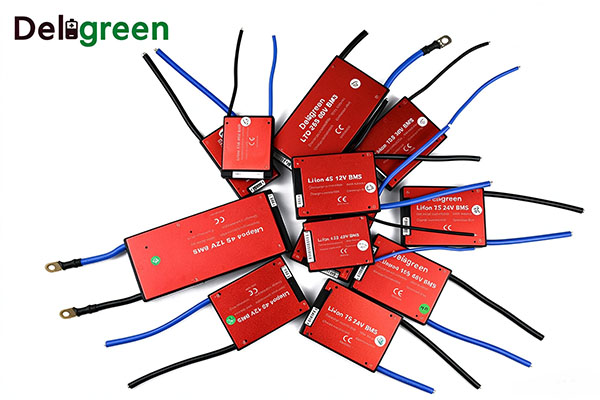
Deligreen offers LiFePO4 cells, battery packs, BMS products, and energy storage system solutions for various energy storage and industrial power applications. When selecting a battery management solution, businesses should consider cell specifications, charging and discharging current requirements, temperature management needs, protection functions, and equipment compatibility.
With appropriate BMS selection, proper system integration, and regular operational monitoring, businesses can reduce the likelihood of unexpected power interruptions and improve the safety, stability, and long-term performance of battery systems.