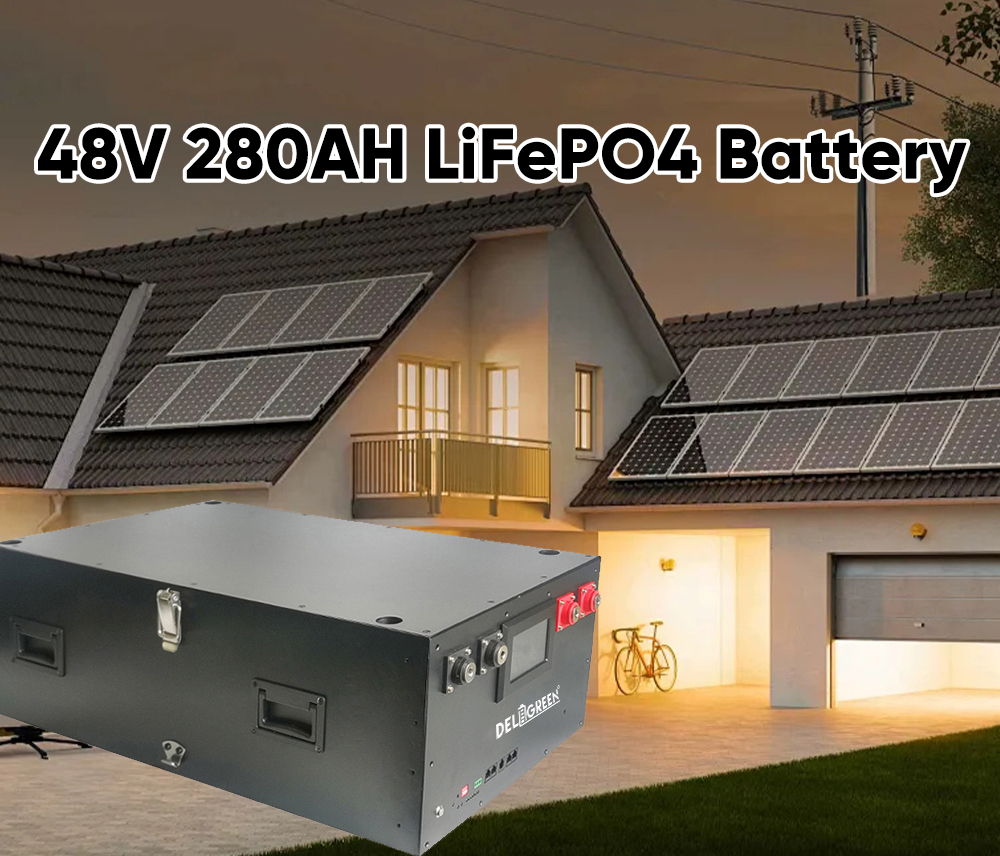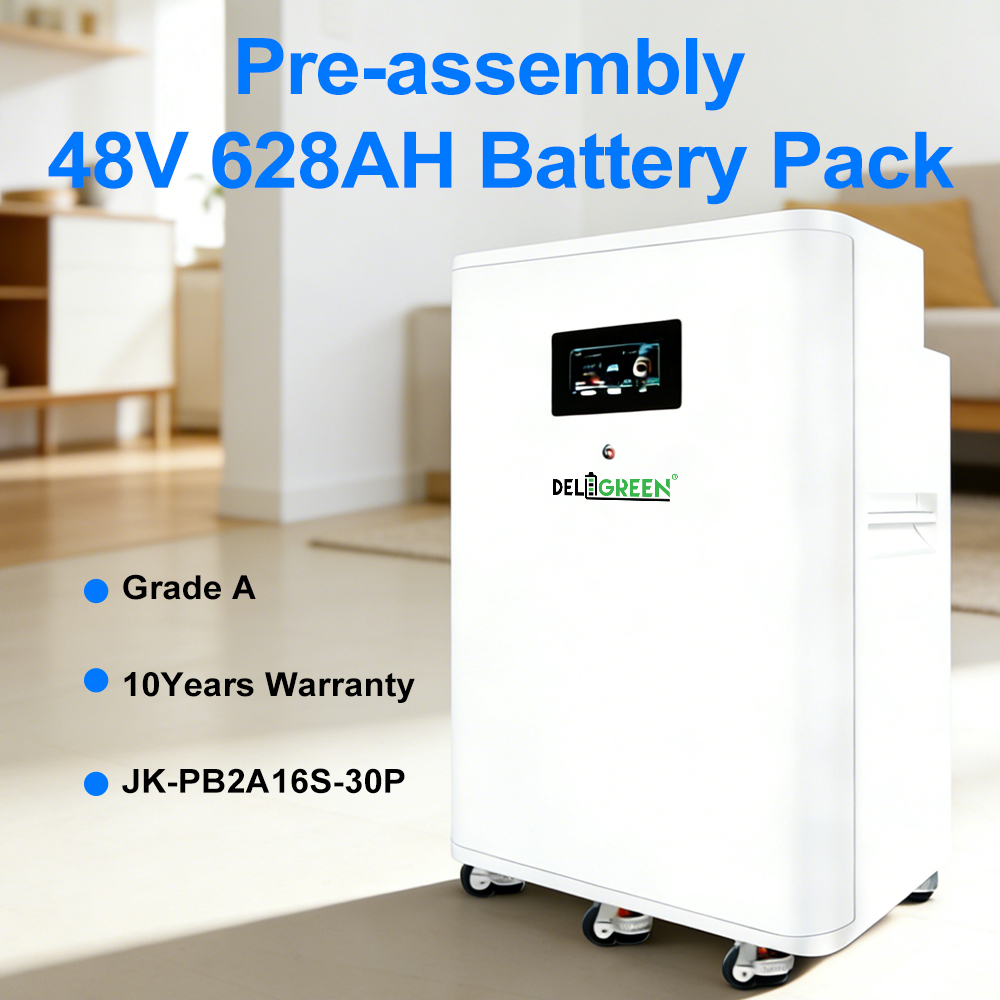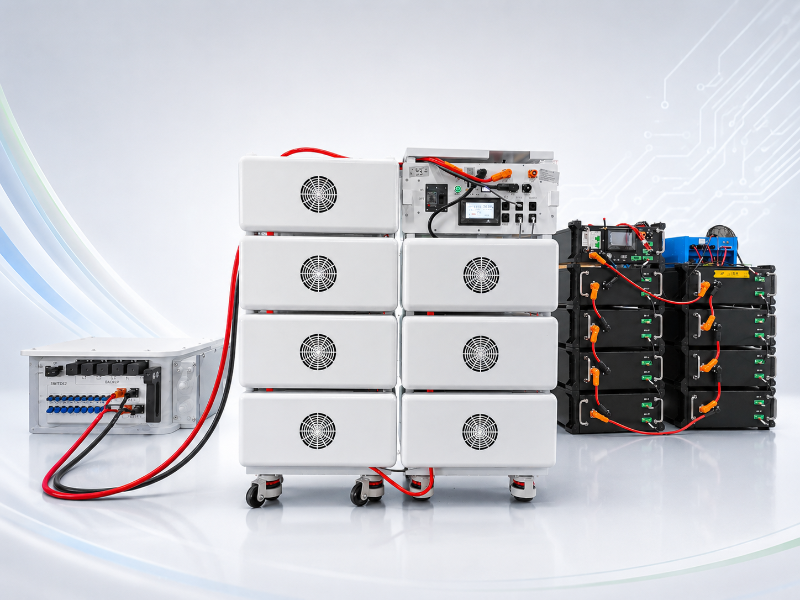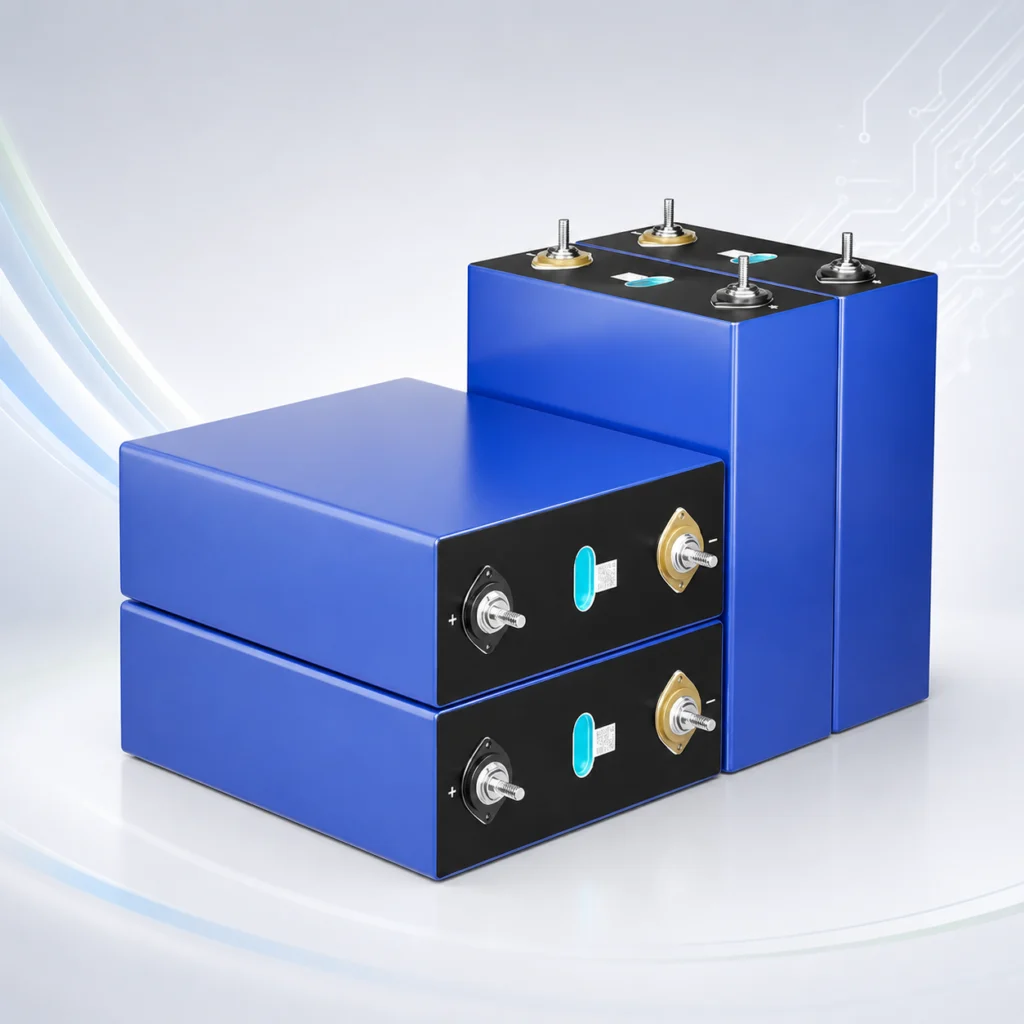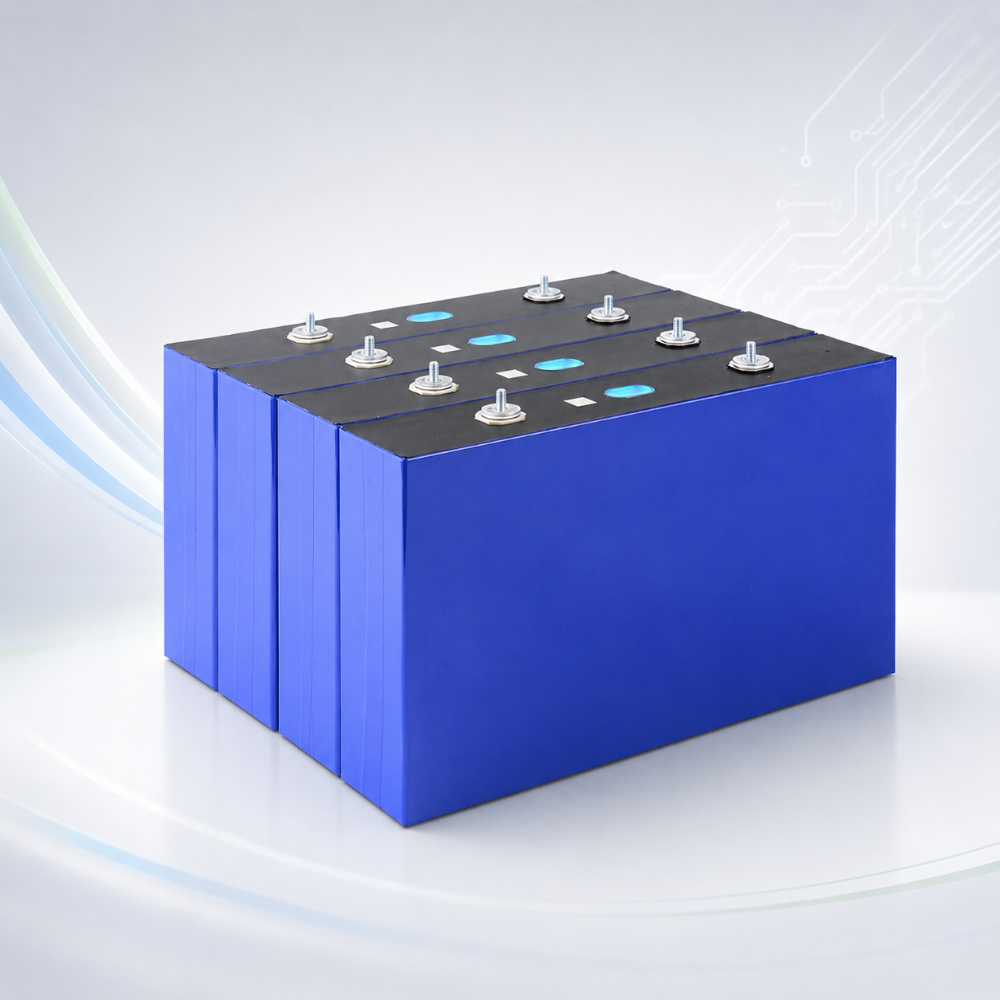
When choosing an energy storage system, many companies and homeowners prefer to customize battery packs instead of purchasing standard products. However, when starting the customization process, many users only know that they need “a high-capacity battery pack” but are unsure what specifications should be provided. In fact, customizing an energy storage battery pack is not simply about adding more cells. It requires a design based on application scenarios, battery voltage, power requirements, and safety standards. Especially for LiFePO4 batteries, although they offer advantages such as long cycle life and high safety, selecting the right parameters directly affects the final performance and user experience.
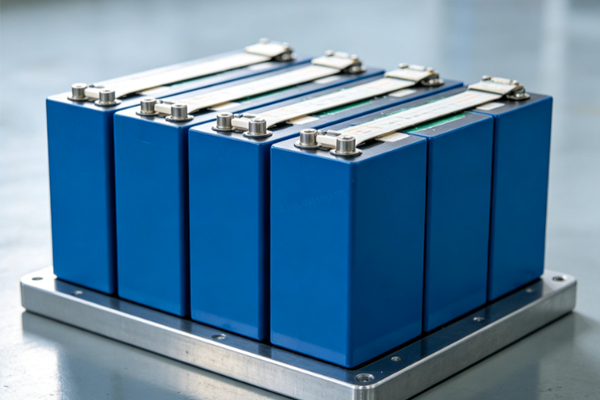
Confirm Battery Voltage First to Ensure System Compatibility
When customizing an energy storage battery pack, battery voltage is one of the first parameters that needs to be confirmed. Different devices have different voltage requirements, and choosing the wrong battery voltage may prevent the battery from connecting properly or affect system stability.
- 12V and 24V are suitable for small energy storage devices and low-power applications.
- 48V is commonly used in home energy storage and solar systems.
- 51.2V LiFePO4 batteries are widely used in modern energy storage solutions.
- Higher voltage solutions are mainly used for large-scale energy storage projects.
Battery voltage is mainly determined by the number of cells connected in series. For example, LiFePO4 cells usually have a nominal voltage of 3.2V, and different voltage levels can be created by connecting different numbers of cells in series. During customization, users need to confirm the rated voltage of their inverter, motor, or equipment so the manufacturer can design a compatible battery pack.
Battery Capacity and Usage Time Need to Be Calculated in Advance
After determining the battery voltage, the required energy storage capacity needs to be confirmed. Many users ask how long a battery can run, but actual operating time depends on equipment power consumption and battery capacity. A larger capacity allows devices to operate for a longer period.
- Capacity is usually measured in Ah or kWh.
- Daily electricity consumption needs to be calculated.
- Peak usage and backup time should be considered.
For example, a home solar energy storage system used only for lighting and small appliances does not require a very large capacity. However, if it needs to support refrigerators, air conditioners, or other appliances for extended periods, a larger battery capacity will be necessary. When customizing a LiFePO4 battery pack, providing actual electricity usage information is more helpful than simply requesting a “large capacity” battery.
Battery Power and Discharge Capability Should Not Be Ignored
Some users find that their battery has a large capacity but still cannot run high-power equipment properly. The reason is often related to discharge capability. An energy storage battery not only needs to store enough energy but also needs to provide stable power output.
- Continuous discharge current determines daily operating performance.
- Peak discharge capability affects the startup of high-power equipment.
- Higher-power devices require stronger battery output capability.
- BMS protection settings need to match actual usage requirements.
For equipment such as air conditioners, pumps, and motors, the startup current can be much higher than normal operating current. If the battery pack cannot provide enough discharge power, the equipment may fail to start or trigger protection shutdowns. Therefore, when customizing an energy storage battery pack, users should provide load power information instead of focusing only on capacity.
Cell Type and BMS System Affect Battery Life
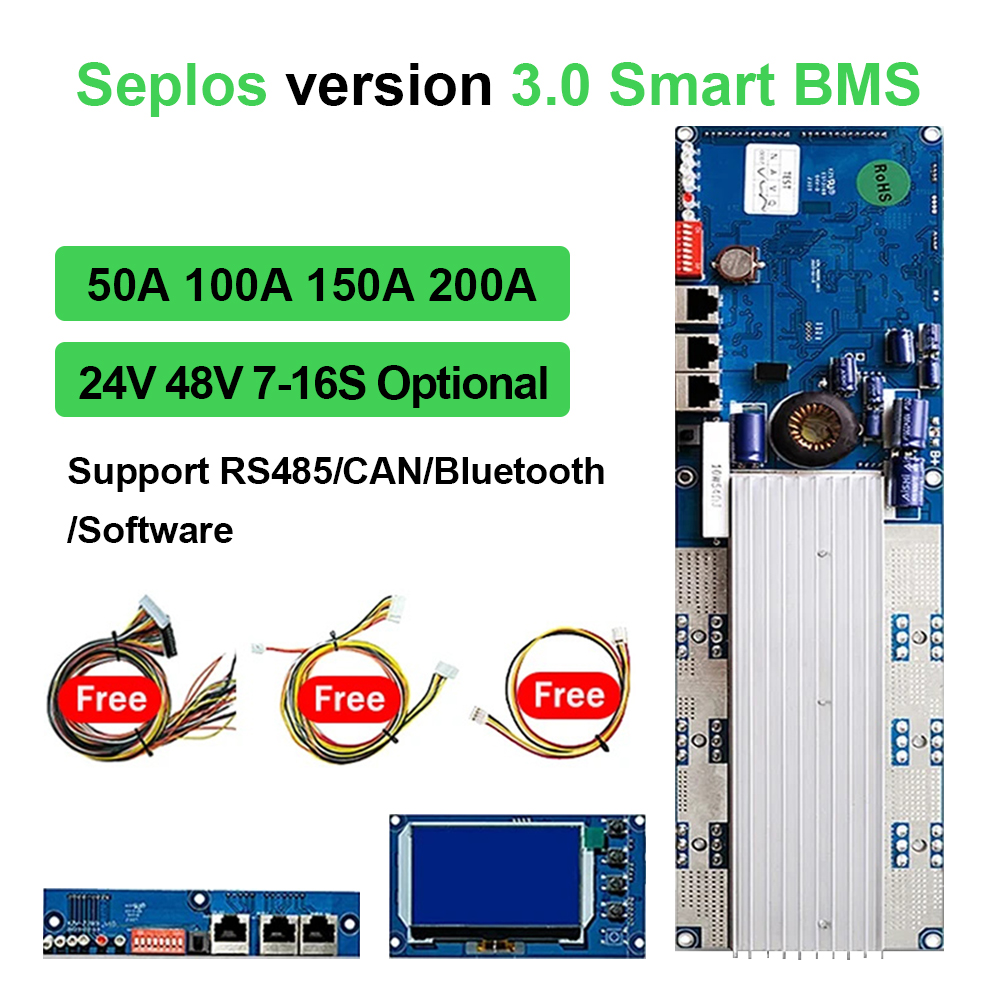
Battery cells are the core component of an energy storage battery pack, while the BMS (Battery Management System) is responsible for monitoring and protecting battery operation. Many energy storage projects choose LiFePO4 batteries because they offer better safety, longer cycle life, and stable performance.
- Confirm the type of battery cells being used.
- Pay attention to cell consistency and quality.
- Check whether the BMS provides overcharge and over-discharge protection.
- Confirm whether temperature monitoring and communication functions are supported.
High-quality cells help maintain stable battery performance, while a reliable BMS can reduce abnormal operating conditions. For long-term applications such as home energy storage and solar systems, the battery management system is just as important as the cells themselves.
Consider the Installation Environment When Customizing a Battery Pack
Besides voltage, capacity, and power requirements, the installation environment is another factor that is often overlooked. Different environments require different designs for battery housing, cooling systems, and protection levels.
- Indoor and outdoor installations have different requirements.
- High-temperature or low-temperature environments may require special designs.
- Battery size and installation space need to be considered.
- Some projects require waterproof and dustproof protection.
For example, outdoor solar energy storage systems need protection against rain and sunlight, while batteries installed inside equipment need to consider size limitations and heat dissipation. Determining the installation location in advance helps manufacturers design a more suitable battery structure.
Customizing an energy storage battery pack is not simply about choosing a capacity size. It requires comprehensive consideration of battery voltage, capacity, discharge capability, cell type, BMS, and installation environment. For home energy storage and solar applications, LiFePO4 batteries have become a popular choice due to their stable performance, but the final solution still needs to be adjusted according to specific requirements. Preparing these parameters in advance can improve customization efficiency and help the battery pack deliver better long-term performance.