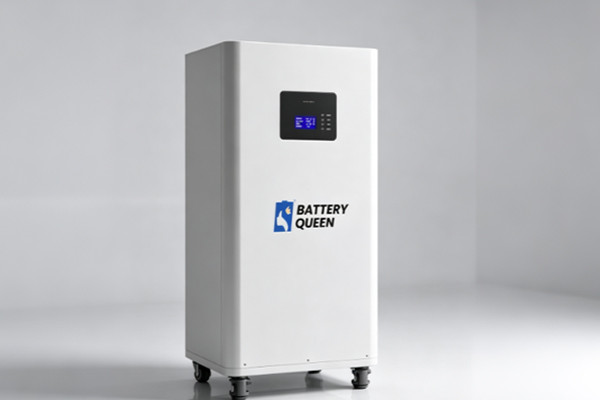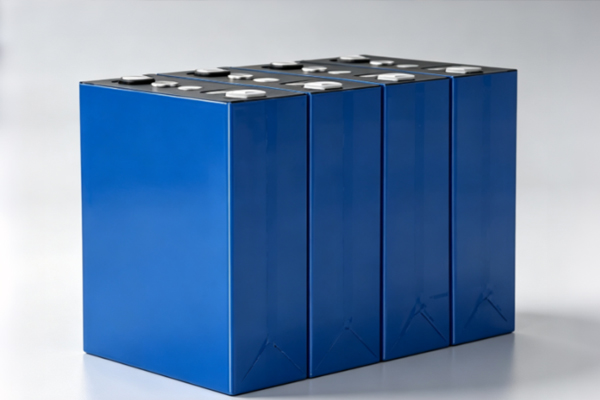
As electric scooters become increasingly popular, users are demanding longer riding ranges. Daily commuting, long-distance travel, food delivery, and shared mobility services all require batteries that can provide reliable and sustained power. For electric scooter manufacturers, a large-capacity battery solution should not focus only on increasing energy capacity. Battery size, weight, discharge performance, charging efficiency, safety, and service life all need to be considered.
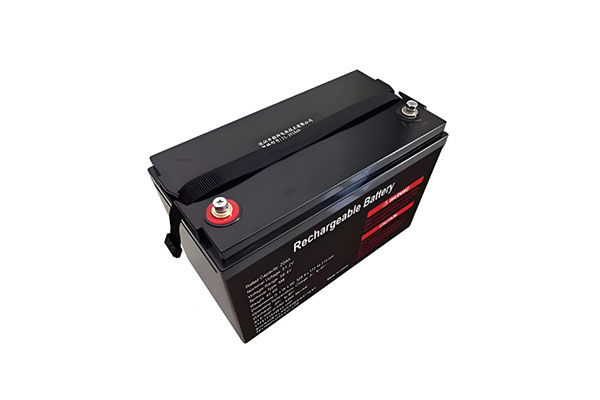
Why Do Electric Scooters Need Large-Capacity Batteries?
Meeting Longer Range Requirements
Standard electric scooters are mainly designed for short-distance commuting, while delivery, logistics, and long-range models require greater riding range. If battery capacity is insufficient, users may need to recharge frequently, which can affect the riding experience and reduce operating efficiency.
Increasing battery capacity allows the scooter to store more energy and achieve a longer riding range within a reasonable vehicle design.
Reducing the Impact of Frequent Charging
Electric scooters used for extended periods every day may require frequent charging. A large-capacity lithium battery can extend the operating time between charging sessions, making it particularly suitable for delivery scooters, shared scooters, and high-frequency commuting applications.
How to Design a Large-Capacity Electric Scooter Battery?
Match Voltage and Capacity
Battery capacity is generally measured in Ah, while the actual stored energy is also related to the operating voltage. When designing a large-capacity battery, manufacturers need to consider motor power, controller parameters, and target riding range rather than simply increasing the Ah rating.
After determining the required battery voltage, capacity can be increased by adding more cells in parallel. However, increasing the number of parallel cells also requires adjustments to battery dimensions, weight, and thermal management.
Select the Right Lithium Battery Cells
Battery cells are the core components of a battery pack. For large-capacity electric scooter batteries, manufacturers should consider cell consistency, energy density, internal resistance, cycle life, and continuous discharge capability.
High-quality battery cells can help maintain more stable performance during repeated charging and discharging while improving the overall reliability of the battery pack.
Match the BMS to Battery Capacity
When battery capacity increases, the BMS should also be designed according to the battery configuration. The BMS needs to match the series-parallel configuration, continuous current, and peak current of the battery pack.
A suitable BMS can monitor battery voltage, current, and temperature while providing protection against overcharging, over-discharging, overcurrent, and short circuits. This helps maintain stable battery operation.
Large-Capacity Battery Configurations for Different Applications
| Application | Main Battery Requirements | Design Focus | Recommended Direction |
| Long-Distance Commuting | Long range and moderate weight | Balance capacity and vehicle space | High-energy-density lithium battery |
| Food Delivery | Long operating time | Capacity and cycle life | Large-capacity lithium battery pack |
| Shared Scooters | Frequent charging and discharging | Service life and stability | High-cycle-life battery solution |
| High-Performance Scooters | Long range and high power | Capacity and discharge performance | High-performance lithium battery |
| Commercial Vehicles | Stable operation | Reliability and easy maintenance | Customized battery system |
Large-Capacity Batteries Are About More Than Capacity
Battery Weight Also Matters
A larger battery capacity generally means a heavier battery. Excessive battery weight can increase the overall vehicle load and affect acceleration, hill-climbing performance, and handling.
Therefore, a large-capacity battery needs to achieve a reasonable balance between range and lightweight design. For electric scooters with limited installation space, optimizing cell arrangement and battery pack structure can also help achieve greater capacity within a compact footprint.
Thermal Management Should Not Be Overlooked
Electric scooters can generate additional heat during high-speed riding, hill climbing, or heavy-load operation. A large-capacity battery pack contains more cells, making proper thermal management particularly important.
Reasonable cell spacing, structural design, and heat dissipation paths can help control temperature increases and support stable long-term battery operation.
Charging Performance Should Be Considered
Although a large-capacity battery can provide longer range, it may also require more time to fully charge. For high-frequency applications such as delivery and shared mobility, the charging solution can be designed according to battery cell performance and available charging equipment.
This helps achieve a practical balance between riding range and charging efficiency.
Why Choose a Customized Large-Capacity Battery Solution?
Better Compatibility with Different Scooter Models
Electric scooters have different deck spaces, frame structures, motor power ratings, and controller specifications. A standard battery may not be suitable for every model.
With OEM/ODM customization, manufacturers can develop battery packs according to voltage, capacity, dimensions, connectors, BMS requirements, and housing design, allowing the battery to integrate more effectively with the entire vehicle.
Meeting Different Range Requirements
Manufacturers can select different battery capacities according to target range, vehicle weight, and operating conditions. For example, urban commuter scooters may prioritize lightweight design, while delivery scooters may place greater emphasis on battery capacity and cycle life.
How to Choose the Right Large-Capacity Electric Scooter Battery?
When selecting a large-capacity battery, manufacturers should consider several key factors:
Target riding range: Determine the energy capacity required for the intended application.
Motor power: Ensure that the battery’s output capability matches the power system.
Available installation space: Confirm that battery dimensions fit the scooter frame and deck.
Overall vehicle weight: Avoid excessive battery weight that could affect handling and energy consumption.
Cycle life: High-frequency applications should place greater emphasis on long-term cycling performance.
BMS functions: Select suitable protection and battery management functions according to the battery configuration.
Operating environment: Consider temperature, humidity, and other real-world operating conditions.
The core of a large-capacity electric scooter battery solution is not simply increasing battery capacity. Instead, it requires a balance between riding range, weight, power output, available space, safety, and service life.
For long-distance commuting, delivery services, shared mobility, and high-performance electric scooters, large-capacity lithium batteries can provide greater energy reserves and longer operating times.
By selecting suitable battery cells, optimizing the series-parallel configuration, matching the BMS, and improving battery pack structure, manufacturers can develop a more stable and efficient power system. For electric scooter manufacturers, OEM/ODM customization based on specific vehicle parameters and application requirements is also an effective way to develop the right large-capacity battery solution.