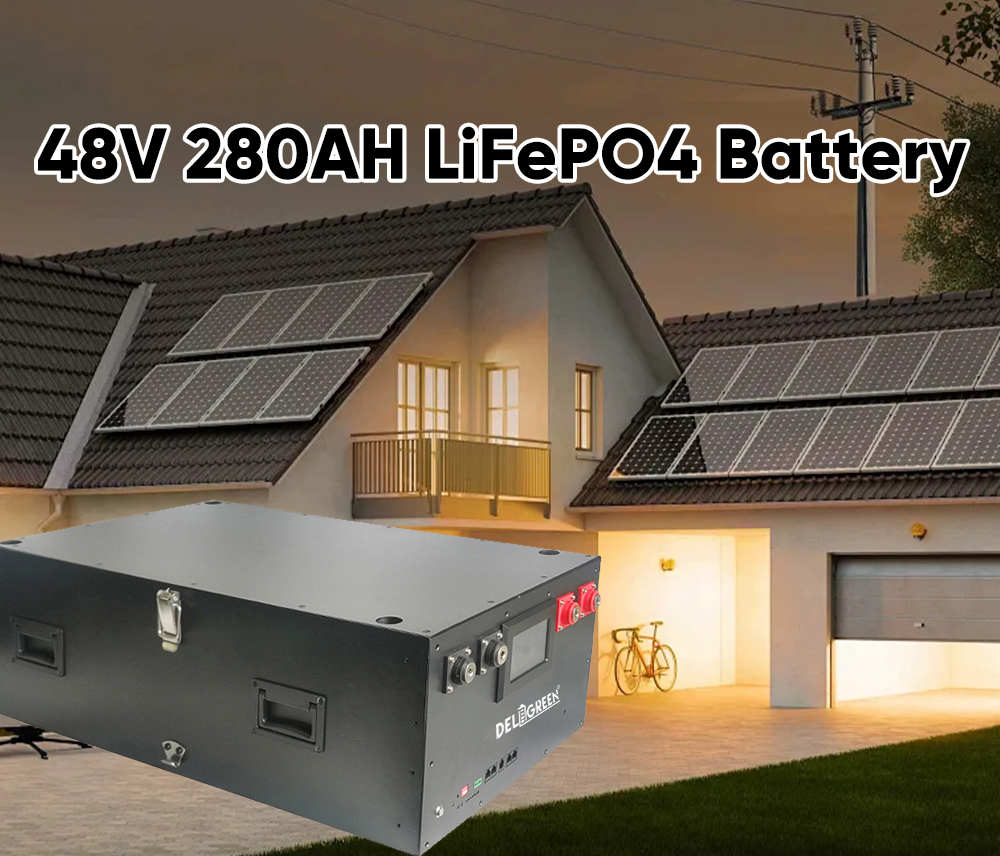
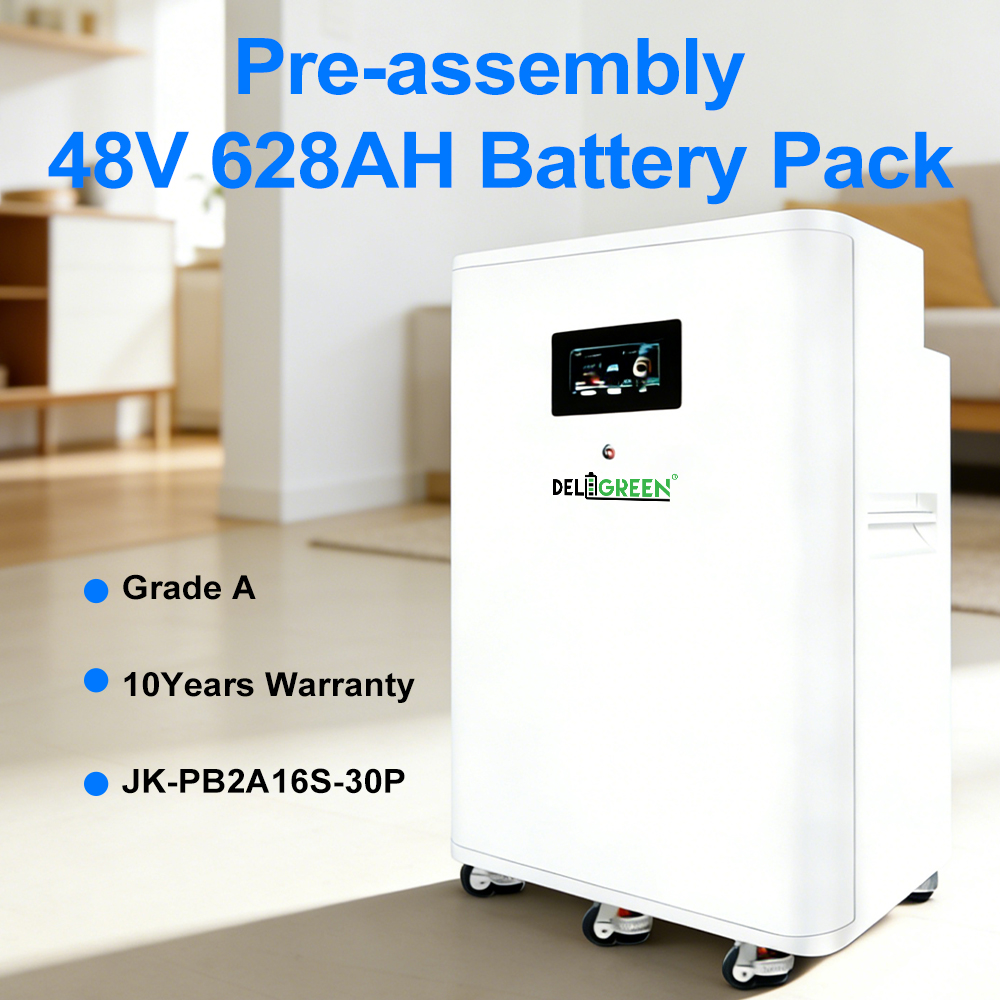
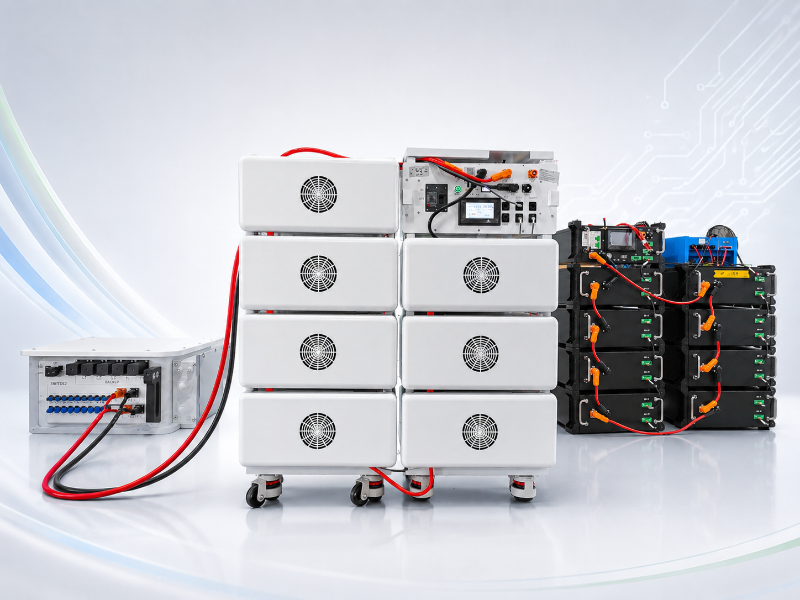
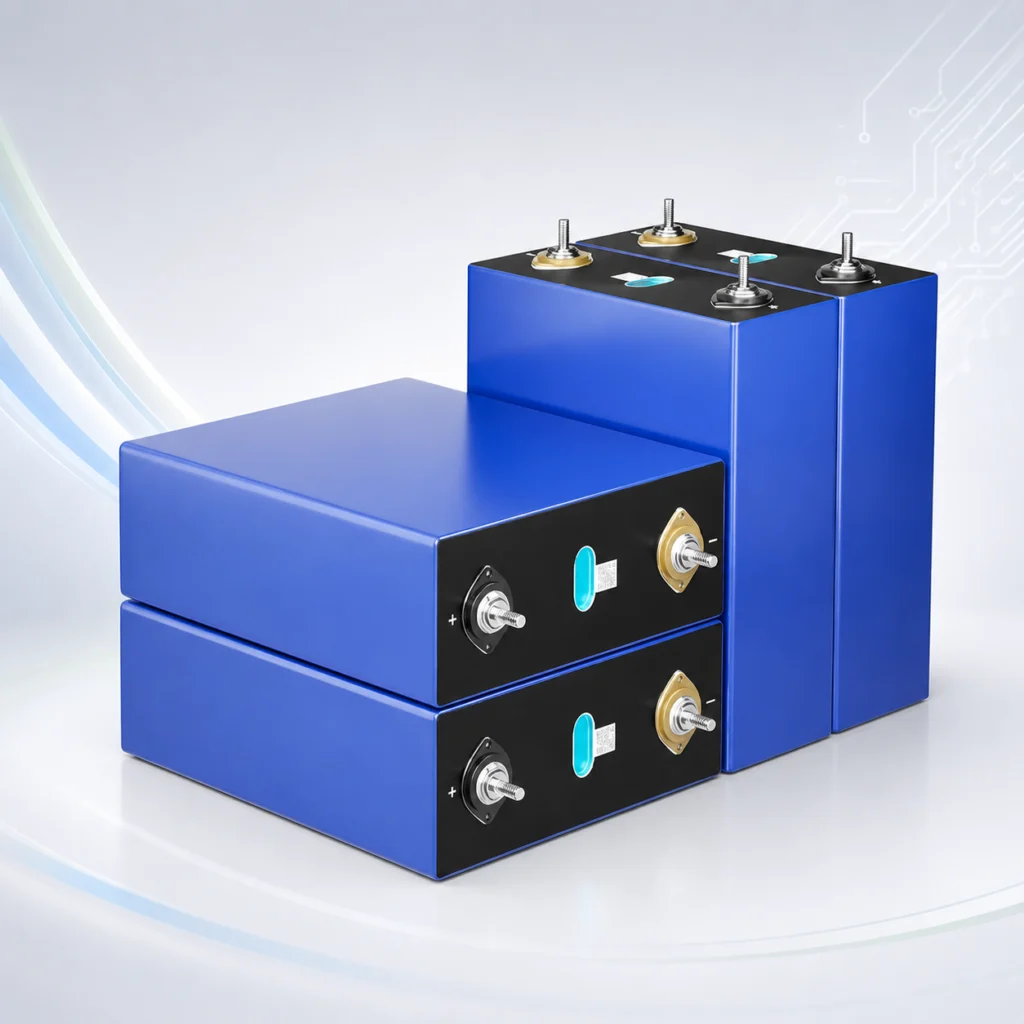
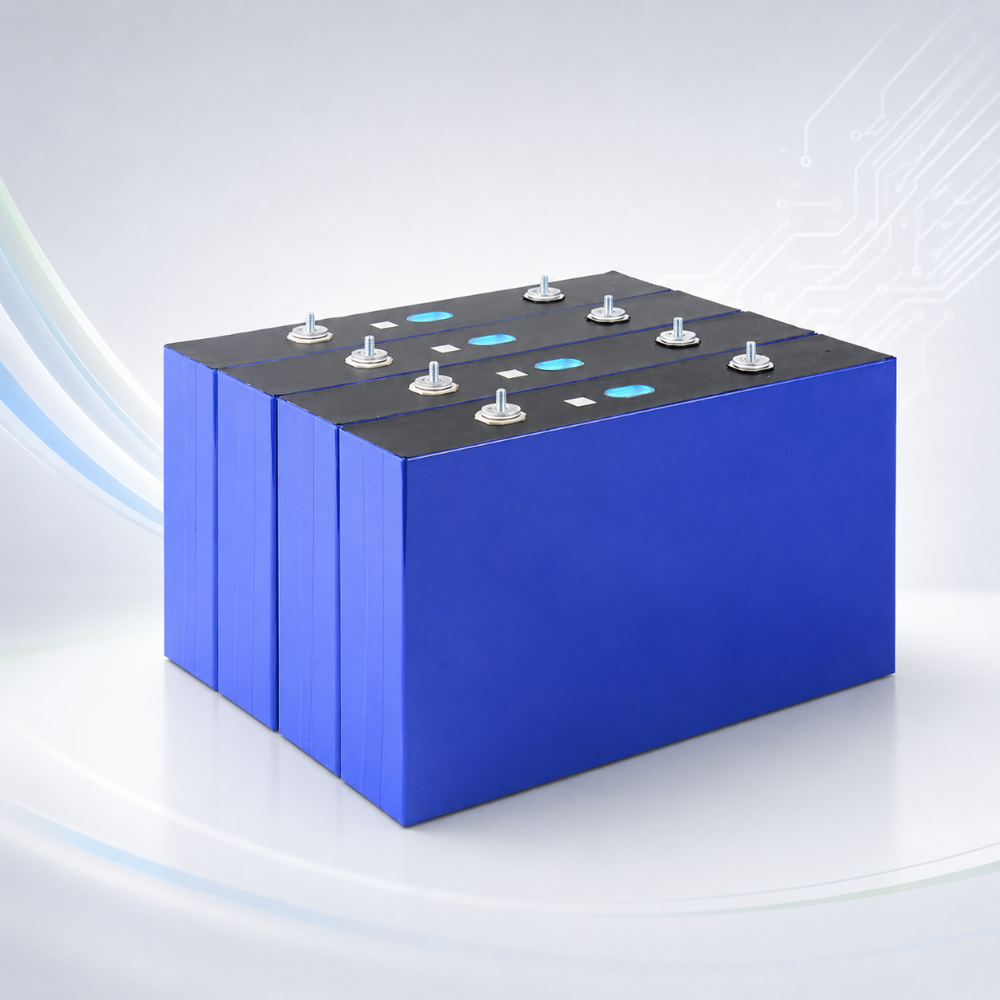
LiFePO4 batteries are widely used in home energy storage, solar power systems, commercial and industrial storage, RVs, and backup power supplies. Different devices require different battery voltages, capacities, output currents, and dimensions. Defining the key parameters before customization helps improve compatibility and reduce installation and purchasing costs.

What Basic Parameters Are Needed for LiFePO4 Battery Customization?
When customizing a LiFePO4 battery, you need to specify rated voltage, capacity, charging and discharging current, output power, and dimensions. The voltage must match the equipment, the capacity must meet actual power requirements, and the discharge capability must support both continuous loads and startup currents. Before purchasing, provide the supplier with your equipment specifications and confirm that the proposed battery meets your needs.
What Usage Requirements Should You Provide?
Clearly identifying the application and operating conditions helps the supplier design a suitable battery solution.
- Application: Home energy storage, solar systems, RVs, or industrial equipment.
- Power requirements: Equipment voltage, power consumption, and expected operating time.
- Charging method: Mains electricity, solar power, or other charging equipment.
- Installation conditions: Available space, weight limits, and connection locations.
- Operating environment: Temperature, humidity, and indoor or outdoor use.
Providing complete requirements reduces communication errors and improves battery compatibility.
What BMS and Safety Features Should Be Confirmed?
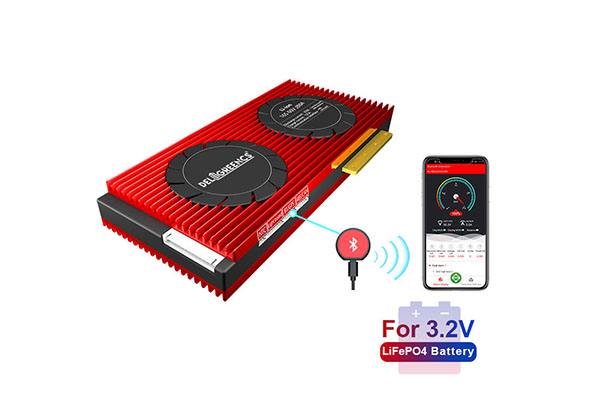
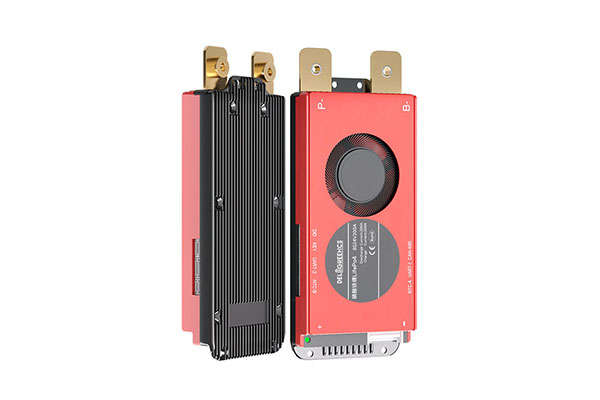
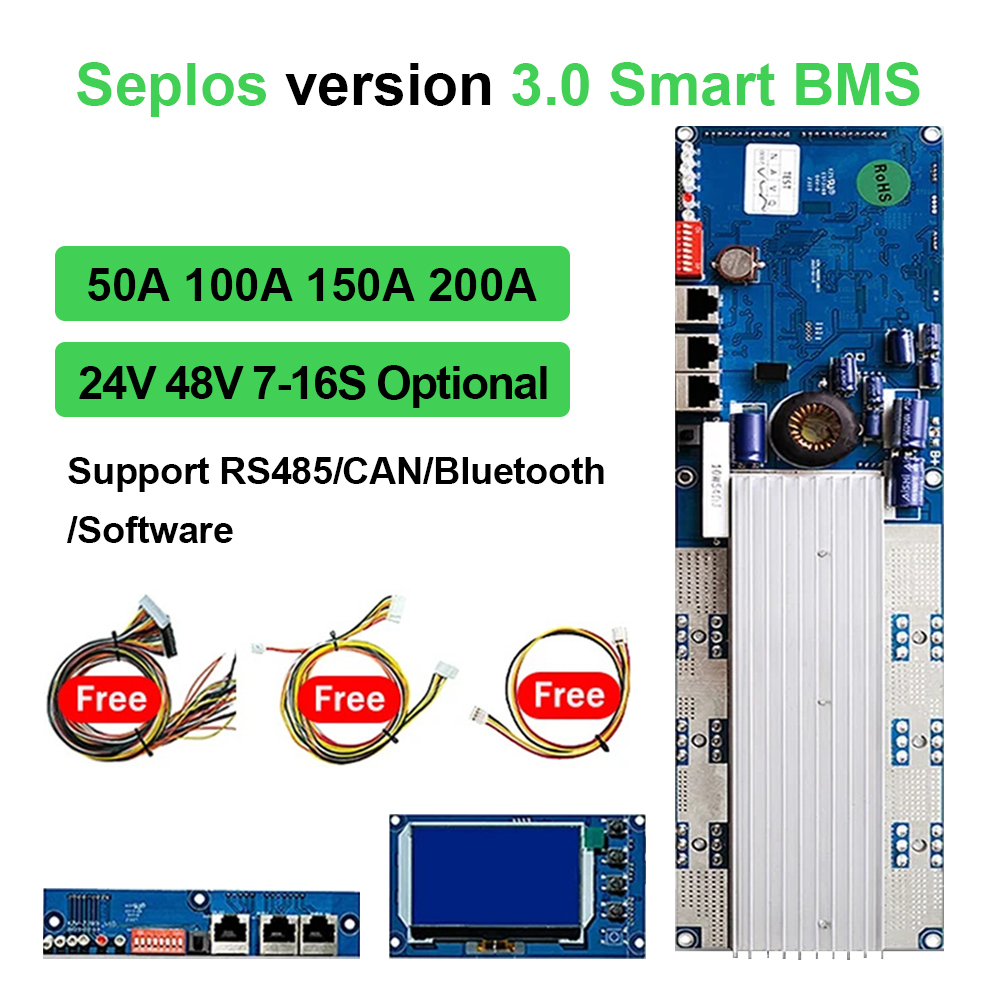
The battery management system (BMS) monitors voltage, current, and temperature. Depending on its design, it provides protection against overvoltage, undervoltage, overcurrent, and abnormal temperatures. During customization, confirm whether cell balancing is supported and whether the battery can communicate properly with the inverter or charger.
For outdoor energy storage equipment, pay attention to enclosure protection, heat dissipation, and installation conditions. Also confirm the applicable test reports and certification requirements.
How Should Battery Dimensions and Cycle Life Be Selected?
Before customization, confirm the battery’s length, width, height, weight, terminal positions, and mounting method to ensure it fits the target equipment.
Cycle life depends on factors such as depth of discharge, operating temperature, current, and battery management. Ask the supplier about the test conditions used for the stated cycle life rather than assuming laboratory results represent actual service life. For systems requiring future expansion, also confirm whether the battery supports the intended connection configuration.
How Do You Confirm a LiFePO4 Battery Customization Plan?
Before placing an order, confirm the technical specifications, sample testing, delivery schedule, and warranty terms with the supplier.
- Request a datasheet: Check voltage, capacity, dimensions, and protection parameters.
- Test samples: Verify performance, connectors, and equipment compatibility.
- Confirm purchasing requirements: Clarify batch specifications, lead time, and after-sales service.
Including the final specifications in the purchase contract helps prevent inconsistencies during mass production. Choosing a reliable supplier with strong technical support can improve customization efficiency and support long-term energy storage system performance.