When purchasing LiFePO4 batteries, many users notice a common question: some home energy storage batteries are labeled as 48V, while others are marked as 51.2V. Although the voltage difference seems small, there are differences in cell configuration, charging and discharging range, and system compatibility. Many buyers wonder whether a 51.2V battery provides better performance or whether a 48V battery is outdated. In fact, both are common energy storage solutions. The main difference comes from the number of battery cells connected in series and industry naming standards. When choosing a battery voltage, users should consider the inverter, battery capacity, and actual energy needs rather than focusing only on the voltage number.
What Is the Difference in Voltage Design Between 48V and 51.2V Batteries?
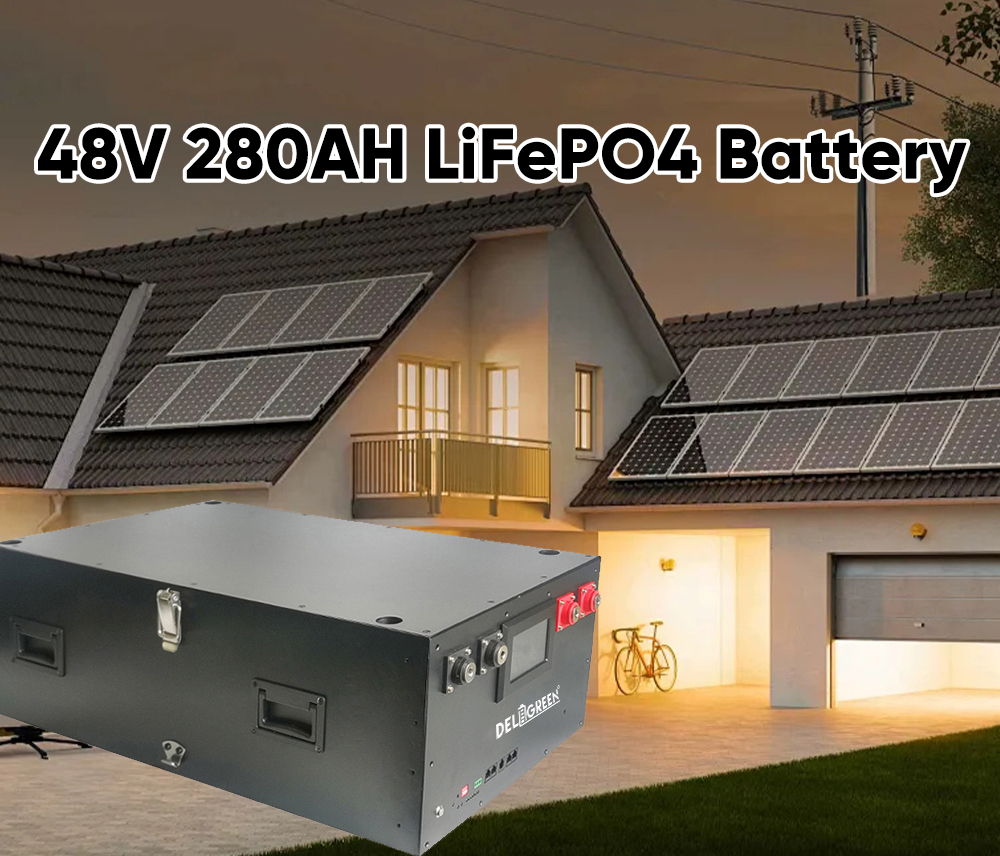
Although 48V and 51.2V LiFePO4 batteries have different names, both are generally used in low-voltage energy storage systems. The voltage difference mainly comes from the number of cells connected in series and the characteristics of the battery cells.
- 48V batteries are a common naming method used in traditional energy storage systems.
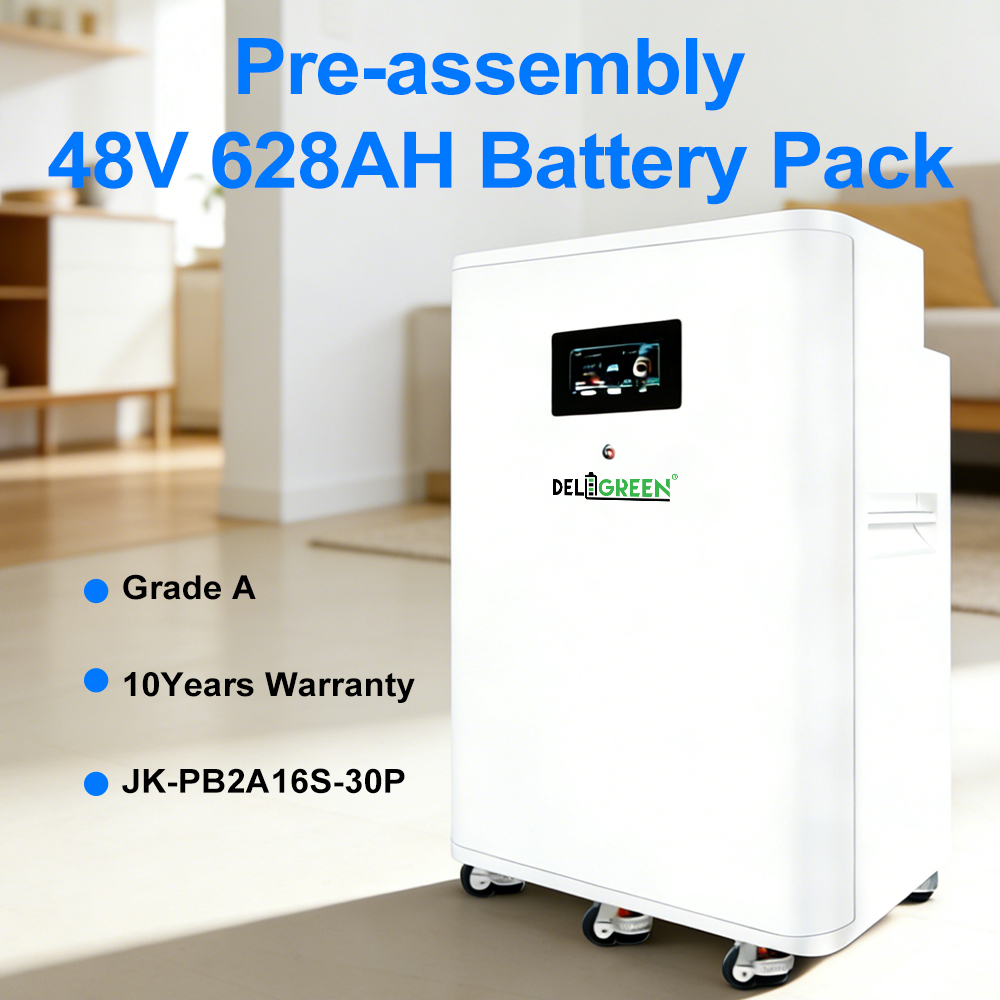
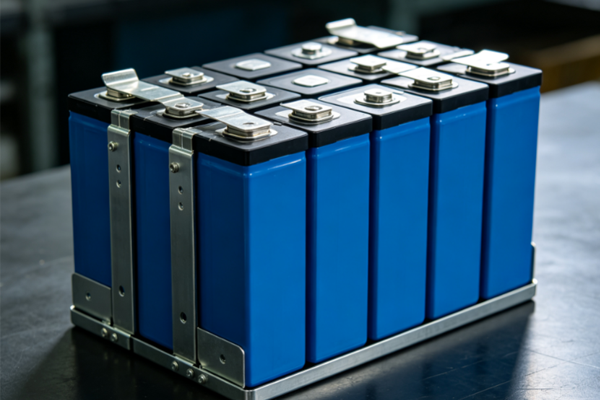
- 51.2V batteries are usually built with 16 LiFePO4 cells connected in series.
- Both battery types have changing operating voltage ranges during charging and discharging.
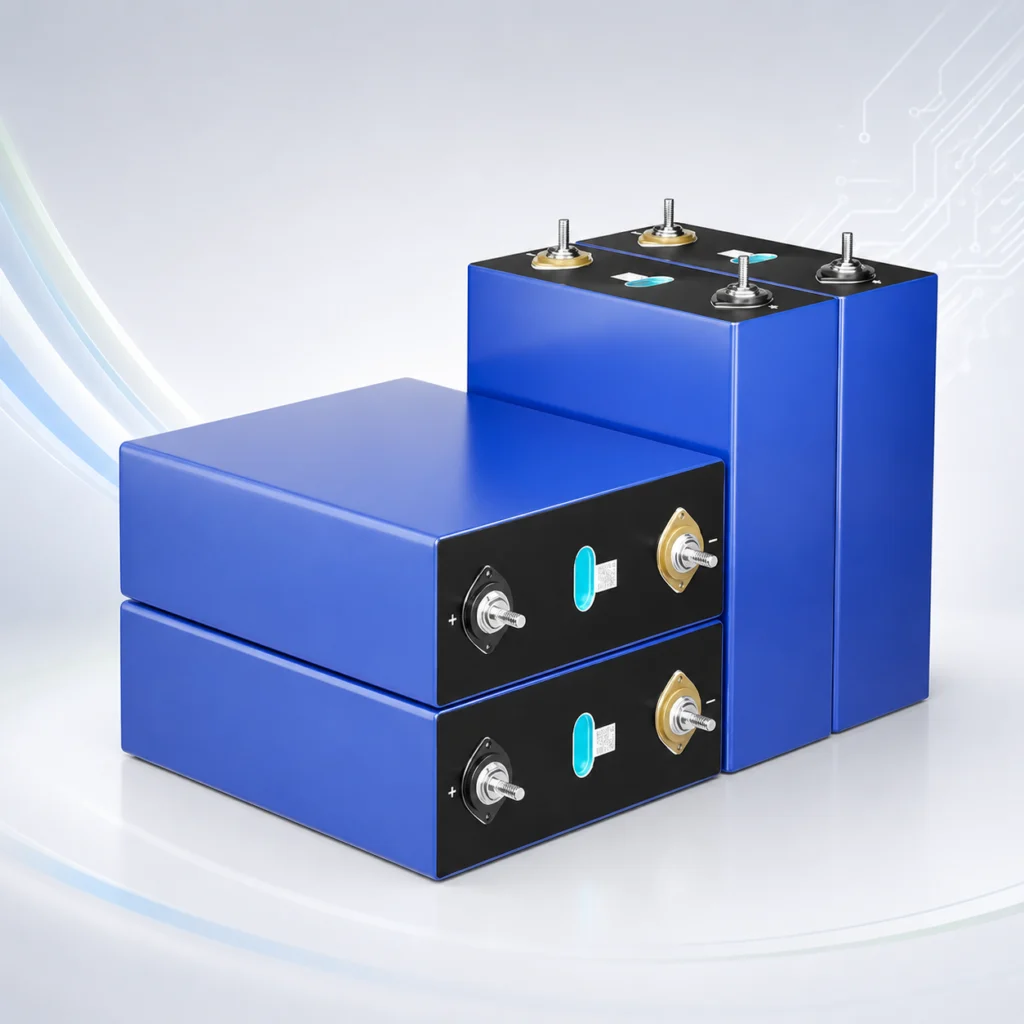
A single LiFePO4 cell usually has a nominal voltage of 3.2V. When 16 cells are connected in series, the total nominal voltage becomes 51.2V. Many 48V batteries on the market are named according to traditional energy storage standards, making them easier for users to understand and match with equipment. Simply put, 51.2V reflects the actual nominal voltage more directly, while 48V is a widely used industry term.
What Are the Performance Differences Between 48V and 51.2V Batteries?
Many users assume that a 51.2V battery must provide better performance because the voltage is higher. However, battery performance is not determined by voltage alone. Other factors, such as capacity, cell quality, and battery management system, also play important roles.
- Output performance mainly depends on the overall battery design.
- 51.2V systems are closer to the natural characteristics of LiFePO4 cell configurations.
- Both options can be used for home energy storage.
- Cycle life is more affected by cell quality and battery management.
With the same capacity, 51.2V LiFePO4 batteries usually match the 16-series cell structure more closely, which is why many newer energy storage products use this design. However, 48V batteries have also been widely used for many years and have mature supporting equipment and installation solutions. In real applications, the performance difference between the two is not as large as many users expect.
Should Home Energy Storage Use a 48V or 51.2V Battery?
For residential solar energy storage systems, choosing between 48V and 51.2V mainly depends on the compatibility of the entire system. Batteries do not work alone; they need to work together with inverters, solar panels, and control equipment.
- New home energy storage installations can consider 51.2V solutions first.
- Existing 48V systems can continue using compatible batteries.
- The inverter voltage range must be confirmed before selection.
For newly built home energy storage systems, 51.2V LiFePO4 batteries are becoming increasingly popular, especially when paired with modern energy storage inverters. If an existing system was designed around the 48V standard, there is no need to replace the entire setup simply because of the voltage label. As long as the battery matches the equipment, 48V systems can also provide stable operation.
What Should You Consider When Buying 48V and 51.2V LiFePO4 Batteries?
Battery voltage is only one factor to consider when purchasing an energy storage battery. Many users focus only on the voltage label but overlook important details such as capacity, communication protocols, and installation conditions.
- Check whether the battery capacity meets daily energy needs.
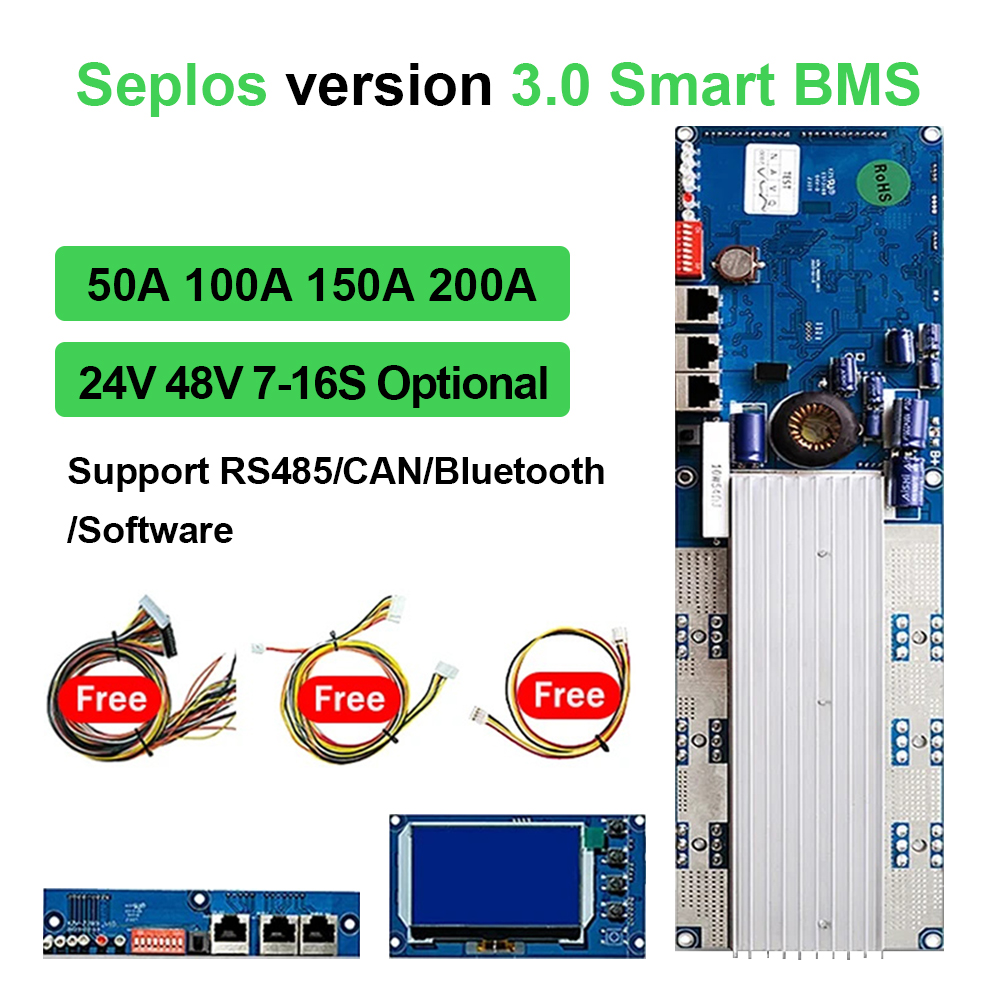
- Confirm that the BMS functions are reliable.
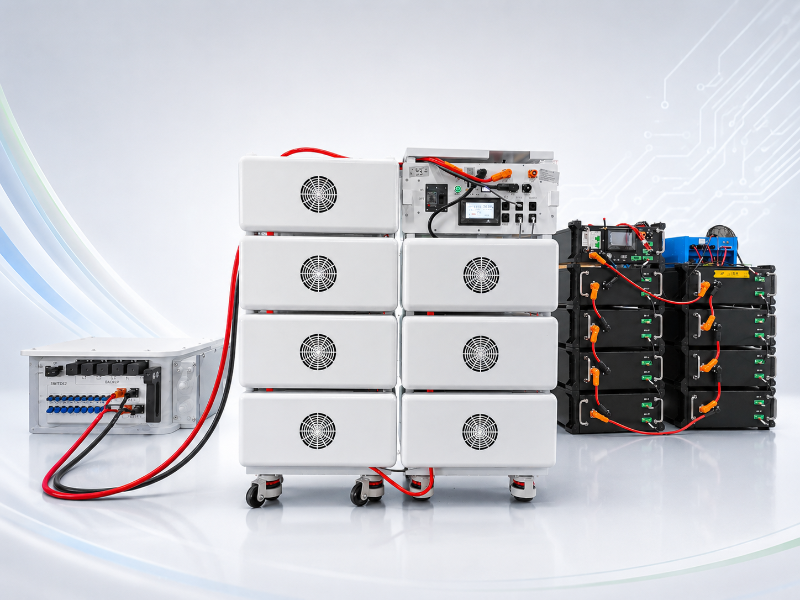
- Check whether the battery supports parallel expansion.
- Make sure the inverter communication protocol is compatible.
- Choose a battery brand suitable for long-term operation.
Home energy storage systems are usually designed for years of use, so battery reliability is very important. Whether choosing a 48V or 51.2V LiFePO4 battery, users should focus on cell quality, battery management systems, and after-sales support. A properly matched battery solution is more important than simply choosing a higher voltage number.
The main difference between 48V and 51.2V batteries lies in the nominal voltage and cell series configuration. Both are common LiFePO4 battery solutions for energy storage applications. For new home energy storage systems, 51.2V batteries are becoming more popular because they match the 16-series cell structure, while 48V solutions still have strong market adoption and mature applications. When choosing battery voltage, the key is not selecting the higher number but choosing a battery that matches the entire energy storage system, ensuring stable and reliable long-term operation.