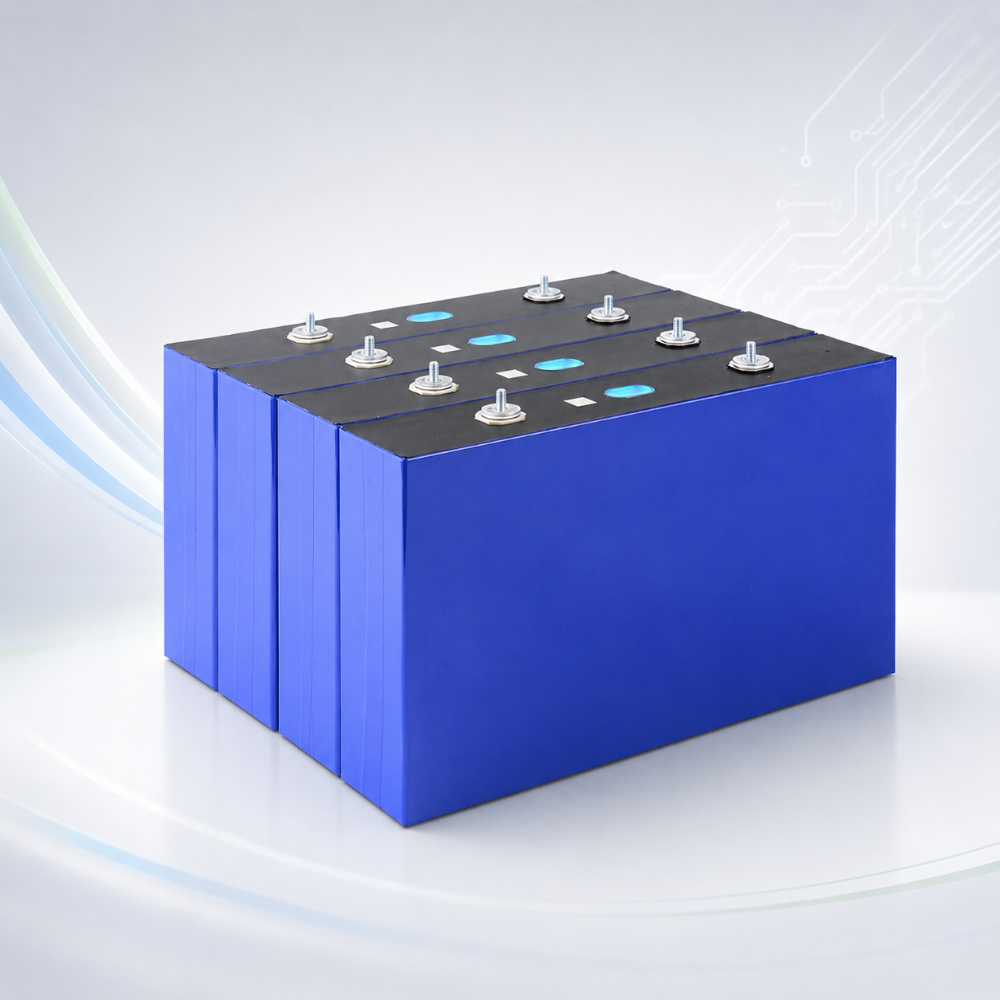
When choosing a lithium battery, many customers have a common question: why are there different voltage options such as 12V, 24V, and 48V? What are the differences between these battery voltage levels? Does a higher voltage always mean better performance? In fact, battery voltage is not simply a measure of battery capacity. It is an important factor that affects equipment power, operating efficiency, and application range. Whether used in energy storage systems, cleaning robots, or industrial equipment, selecting the right battery voltage is essential. Understanding the differences between 12V, 24V, and 48V lithium batteries can help users avoid improper selection and find a battery solution that better matches their equipment.
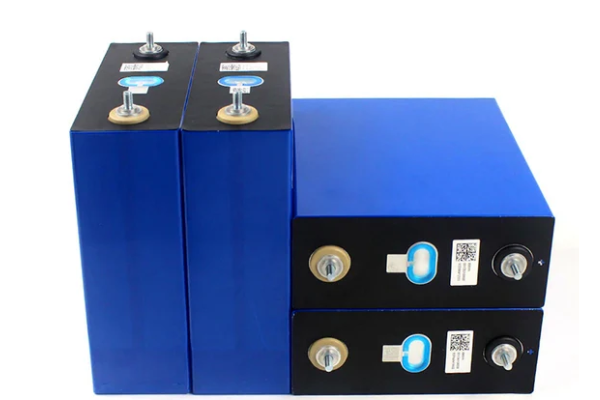
What Are the Differences Between 12V, 24V, and 48V Lithium Batteries?
The voltage of a lithium battery is mainly determined by the number of battery cells connected in series. Different voltage levels provide different output capabilities and are designed for different applications. Although 12V, 24V, and 48V lithium batteries are all lithium battery products, they differ significantly in terms of power output, application scenarios, and system design. When selecting a battery, users should consider equipment power requirements and actual usage conditions rather than simply choosing the highest voltage.
- 12V lithium battery: Suitable for small devices.
- 24V lithium battery: Suitable for medium-power equipment.
- 48V lithium battery: Suitable for high-load applications.
In practical applications, 12V lithium batteries focus more on portability and easy installation, 24V lithium batteries provide a good balance between power and efficiency, while 48V lithium batteries are better suited for equipment requiring continuous high output. Different battery voltage levels do not have absolute advantages or disadvantages; the key is whether they match the equipment requirements.
How Does Battery Voltage Affect Performance?
Battery voltage directly affects the amount of power that equipment can receive and is an important factor when selecting a lithium battery. Many users focus only on battery capacity (Ah) while ignoring the importance of voltage. In reality, batteries with the same capacity but different voltage levels may deliver different operating performance. Choosing the right voltage can improve efficiency and ensure more stable equipment operation.
- Power output: Higher voltage supports higher power output.
- Energy efficiency: Higher voltage reduces current loss.
- Equipment compatibility: Different devices require specific voltage levels.
- System design: Voltage affects wiring and configuration requirements.
Under the same power demand, higher-voltage lithium battery systems usually require lower operating current, which helps reduce heat generation and improve energy efficiency. However, battery voltage should always match the rated voltage of the equipment. Using an incompatible battery may prevent the device from working properly and could affect operational safety.
What Applications Are Suitable for 12V, 24V, and 48V Lithium Batteries?
Different equipment requires different battery performance characteristics. Small devices usually prioritize stable power supply and easy installation, while industrial equipment requires stronger power output and longer operating capability. This is why lithium batteries are available in various voltage levels to meet the needs of different industries and applications.
- 12V lithium battery: Commonly used for RVs, solar systems, and lighting equipment.
- 24V lithium battery: Commonly used for cleaning robots and industrial equipment.
- 48V lithium battery: Commonly used for energy storage systems and electric vehicles.
With the growth of new energy applications, 24V and 48V lithium batteries are becoming increasingly popular, especially in automation equipment, robotics, and industrial fields where high efficiency and stable power supply are required. For small devices, 12V lithium batteries remain a practical choice due to their compact size and convenient installation.
How to Choose the Right Lithium Battery Voltage?
When selecting a lithium battery, a higher voltage is not always the best choice. The correct battery voltage should be selected based on equipment power, operating time, and working environment. A suitable battery voltage not only ensures normal equipment operation but also affects battery life and overall operating costs. Understanding the actual requirements before purchasing is very important.
- Check equipment voltage: Select a battery that matches device specifications.
- Calculate capacity needs: Choose capacity based on operating time.
- Consider working conditions: Pay attention to temperature and stability.
- Select the right solution: Avoid insufficient or excessive voltage.
For equipment that operates for long periods, battery voltage is only one part of lithium battery selection. Other factors such as cell quality, battery management system (BMS), and cycle life should also be considered. Properly matching voltage and capacity can provide more stable power output, reduce maintenance costs, and extend the service life of the battery system.
The main difference between 12V, 24V, and 48V lithium batteries lies in the impact of battery voltage on output capability and application range. 12V batteries are suitable for small devices, 24V batteries are widely used for medium-power applications, and 48V batteries are designed for high-power equipment and industrial scenarios. When choosing a lithium battery, users should consider actual equipment requirements instead of simply selecting the highest voltage option. Selecting the right battery voltage can improve operating efficiency, extend battery lifespan, and provide a more reliable power solution.