When purchasing a battery, many users see specifications such as “12V, 24V, 48V, and 51.2V” but do not fully understand what these numbers mean. These numbers represent the battery voltage, also called battery volts. Battery voltage not only determines the voltage output of a battery but also affects equipment compatibility, system design, and actual performance. This is especially important in solar energy storage and home backup power applications, where choosing the right battery voltage plays a key role. For the increasingly popular LiFePO4 batteries, voltage selection is also one of the main factors users consider before purchasing.
What Does Battery Voltage Mean?
Battery voltage refers to the electrical potential difference between the positive and negative terminals of a battery. It represents the battery’s ability to push current through a circuit and is usually measured in “V” (volts). The voltage shown on a battery label is generally a standard reference value, while the actual voltage may change depending on the charging and discharging condition.
- Battery volts represent the voltage level of the battery.
- Common battery voltages include 12V, 24V, and 48V.
- Actual operating voltage changes during charging and discharging.
- Different battery types have different voltage designs.
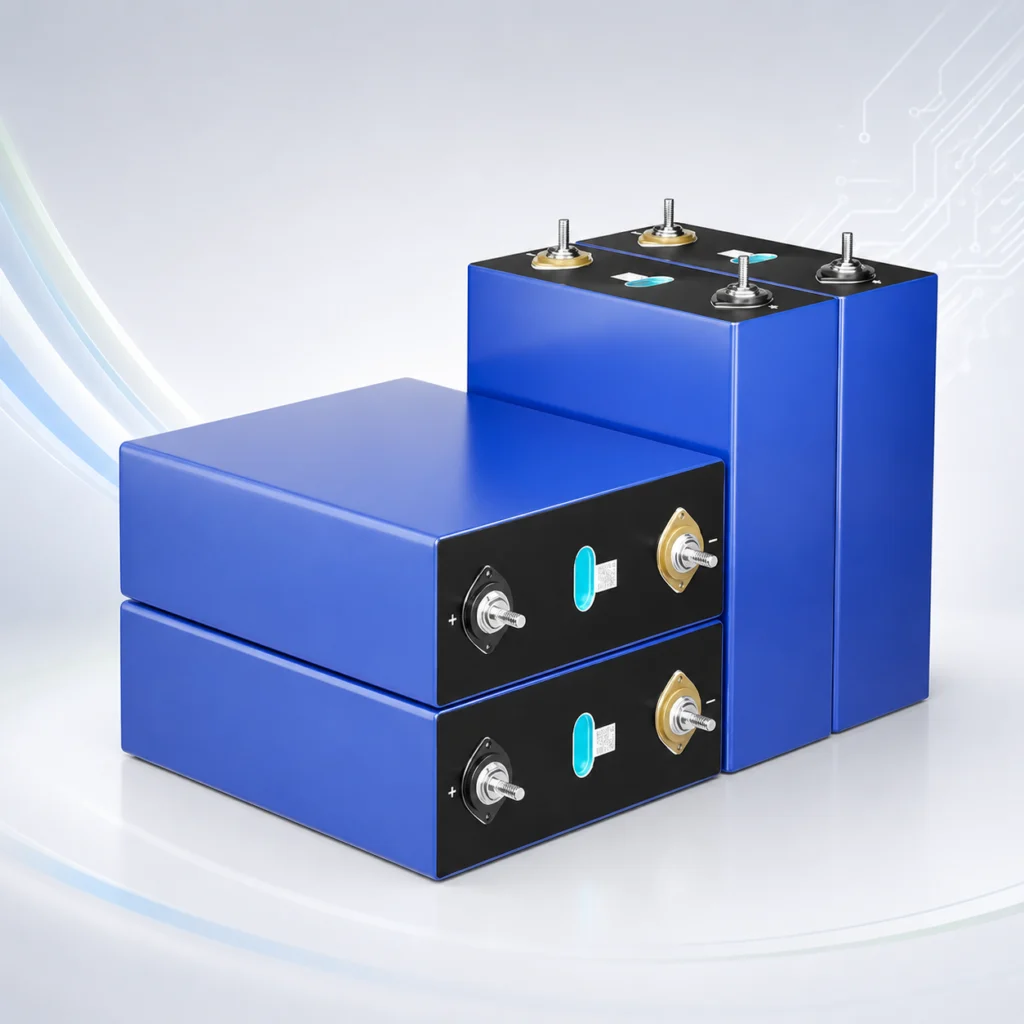
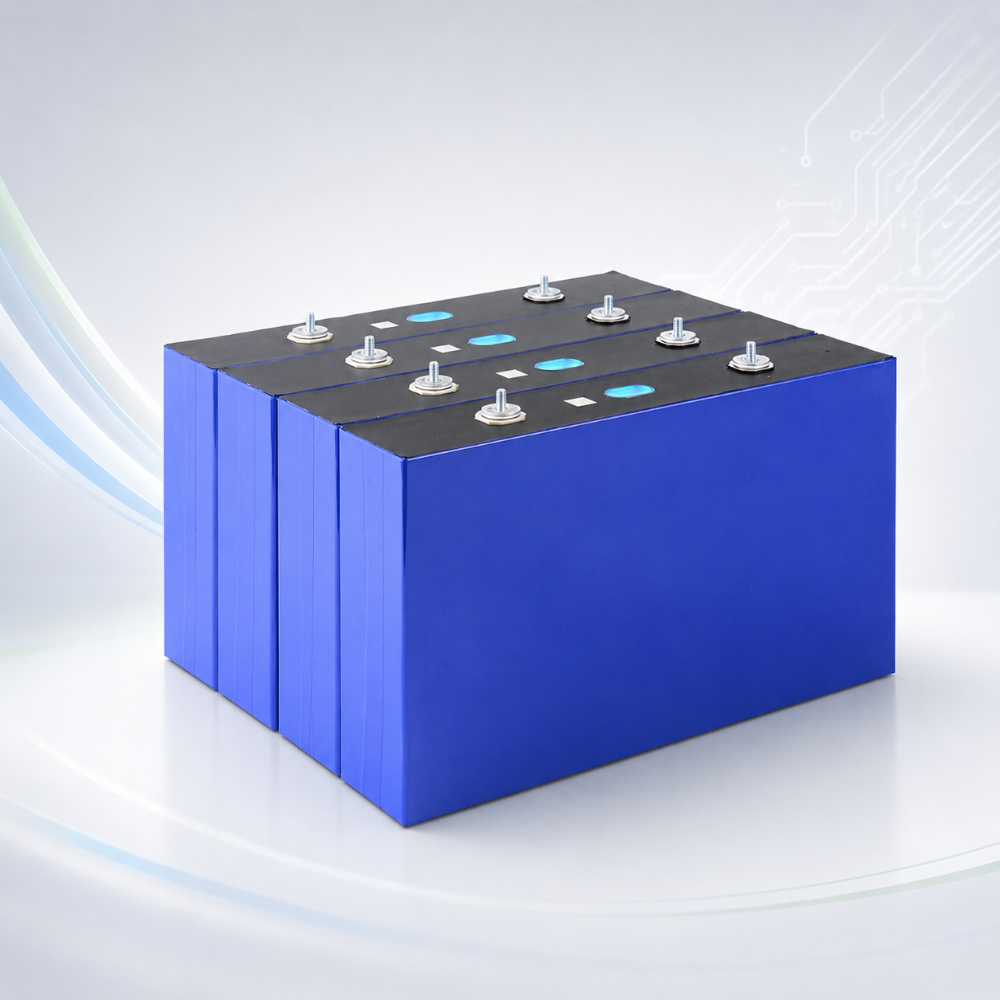
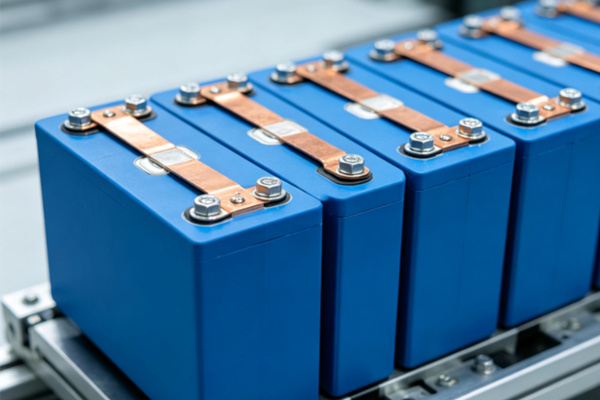
Many users confuse voltage with battery capacity and assume that a higher voltage means more stored energy. However, these are different concepts. Voltage represents the electrical output level, while capacity is usually measured in Ah or kWh. A 48V battery does not always store more energy than a 12V battery. The actual energy depends on capacity and battery design. For LiFePO4 batteries, different voltage levels are usually created by connecting multiple cells in series. For example, sixteen 3.2V cells connected in series create a common 51.2V battery.
What Is the Difference Between Battery Voltage and Capacity?
When choosing a battery, voltage and capacity are two important specifications that are often compared together. However, they describe different aspects of battery performance. Simply put, voltage determines the output level, while capacity determines how long the battery can provide power.
- Voltage affects whether the battery can connect properly with equipment.
- Capacity determines how much energy the battery can store.
- Both factors need to work together and cannot be judged separately.
For example, a 48V 100Ah LiFePO4 battery has an energy capacity calculated by multiplying voltage and capacity. Increasing voltage changes the energy level of the battery system, while increasing capacity mainly extends operating time. When purchasing an energy storage battery, users should not focus only on battery volts but also consider Ah capacity and actual power requirements.
What Applications Are Suitable for Different Battery Voltages?
There are many battery voltage options available, and each voltage level is designed for different applications. Small devices and large energy storage systems have different voltage requirements.
- 12V batteries are suitable for small devices, RVs, and solar lighting systems.
- 24V batteries are suitable for medium-power equipment and some off-grid systems.
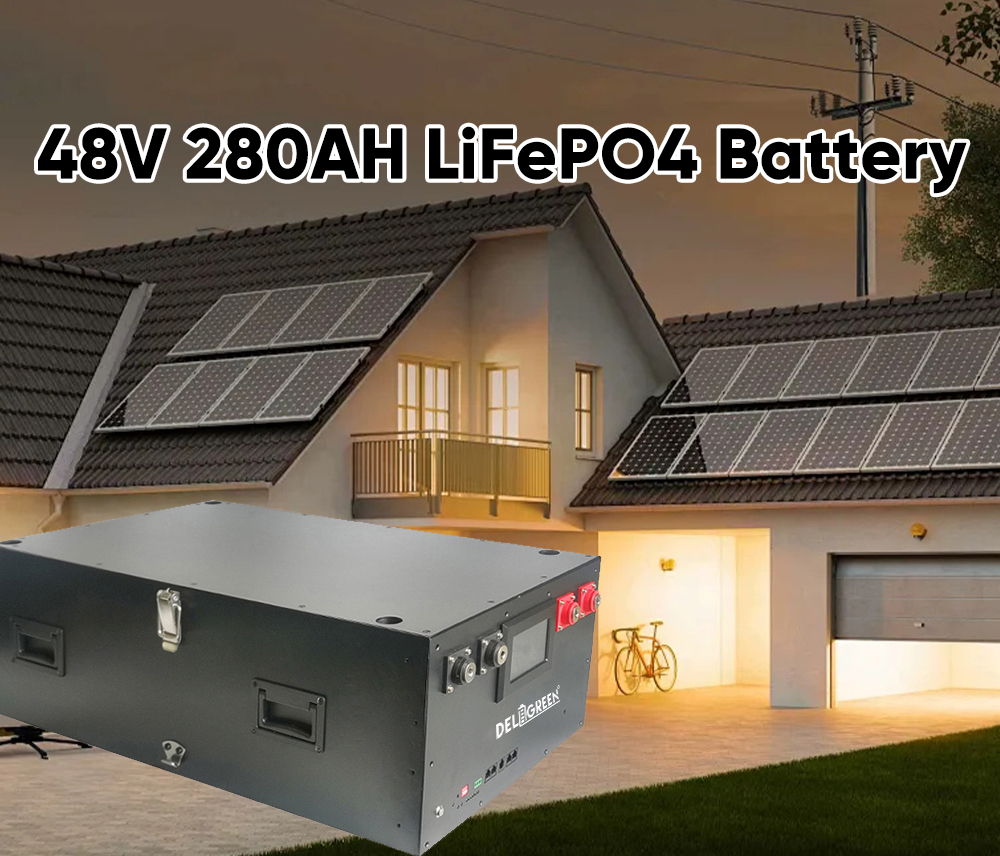
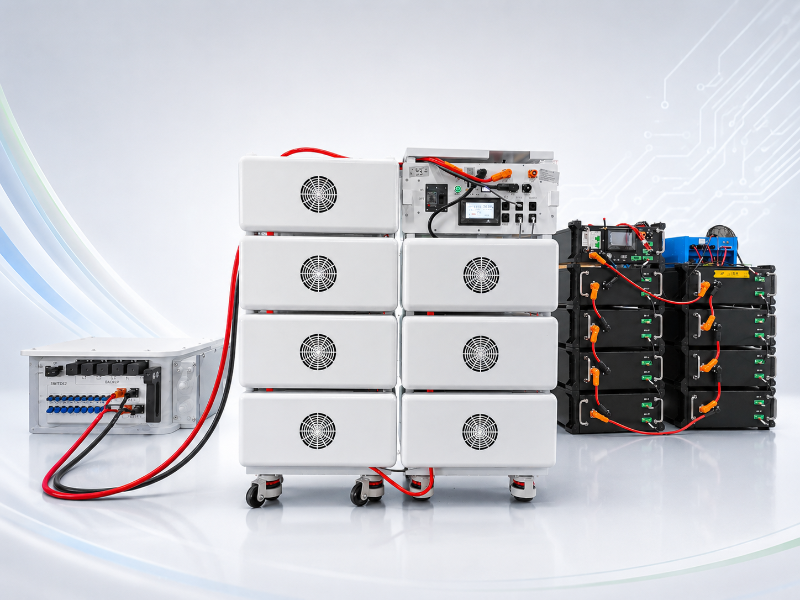
- 48V batteries are commonly used in home energy storage and solar systems.
- 51.2V LiFePO4 batteries are popular in modern energy storage solutions.
For small devices, a 12V battery can usually meet daily needs. However, if the system needs to power refrigerators, air conditioners, or household appliances, lower-voltage batteries may require higher current output. 48V or 51.2V LiFePO4 batteries can reduce current pressure and are more suitable for long-term energy storage applications.
Why Are 48V and 51.2V Common for LiFePO4 Batteries?
In recent years, LiFePO4 batteries have become increasingly popular in home energy storage. Besides their safety and long cycle life, battery voltage configuration is also an important consideration. Many energy storage products use 48V or 51.2V designs because of cell configuration and equipment compatibility.
- 48V solutions have mature market applications.
- 51.2V batteries usually use a 16-series LiFePO4 cell structure.
- Both options can be used in home energy storage systems.
- The battery voltage needs to match the inverter specifications.
Many users see that 51.2V is higher than 48V and assume it must provide better performance. However, the main difference comes from cell series configuration and industry naming standards. Actual battery performance is also affected by cell quality, battery management system (BMS), capacity design, and overall system compatibility.
What Should You Consider When Choosing Battery Voltage?
When buying a battery, do not focus only on battery volts. The correct choice depends on the actual application environment. This is especially important for solar energy storage systems because an incompatible battery and equipment combination may cause problems during use.
- Check the battery voltage range supported by the inverter.
- Choose the right capacity based on daily electricity usage.
- Consider whether future battery expansion is needed.
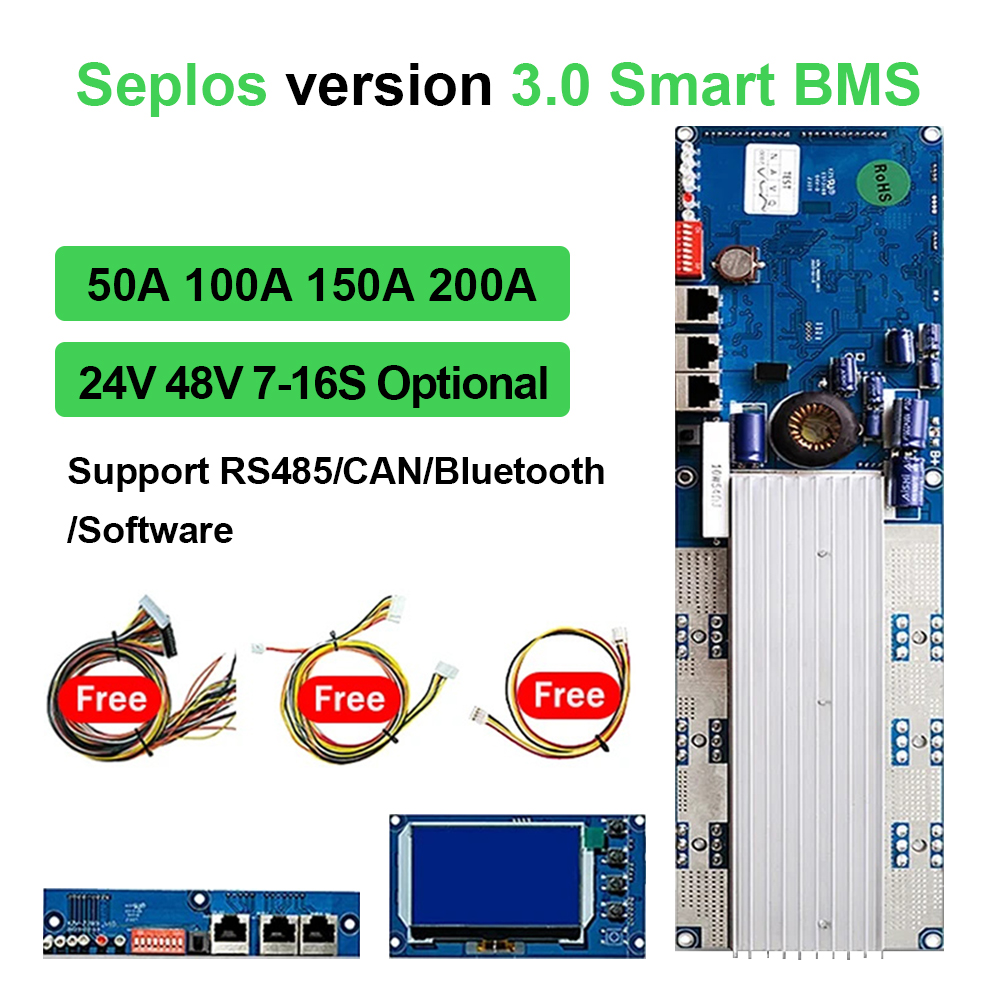
- Check whether the BMS system is compatible.
For home energy storage users, 12V or 24V solutions may be suitable for small applications. However, for storing solar energy and powering multiple household devices, 48V or 51.2V LiFePO4 batteries are often a better choice. Checking equipment specifications before purchasing can help reduce future replacement and upgrade costs.
Battery voltage is an important factor when selecting a battery because it determines how the battery connects with equipment and how the entire system operates. Different battery voltages have their own suitable applications, and there is no single voltage that works for every situation. For solar storage and home backup power systems, choosing the right battery voltage and a reliable LiFePO4 battery solution can improve system stability and provide better long-term performance.